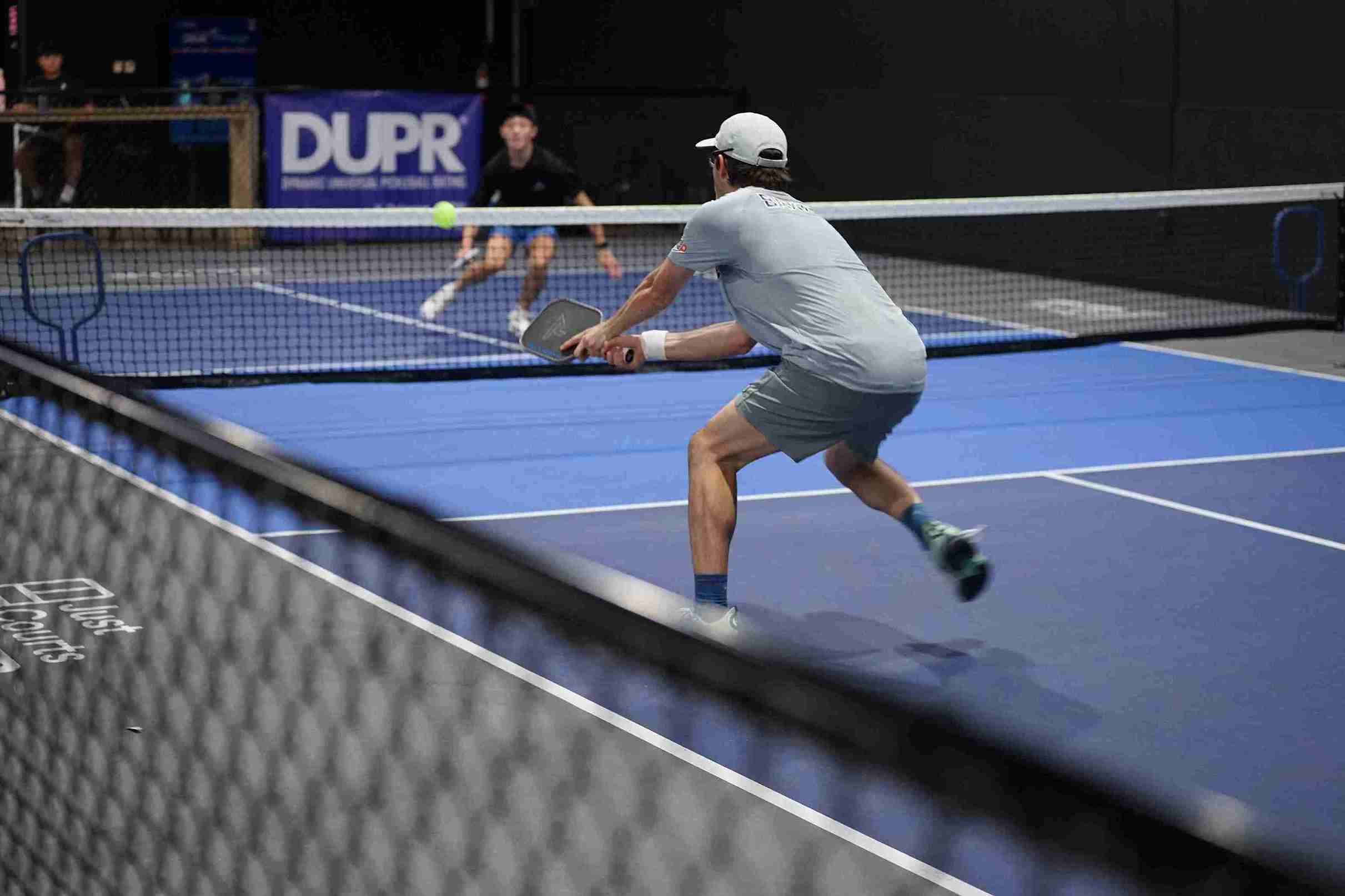
The secret to elevating your pickleball game isn't about hitting harder or buying expensive equipment. It's about developing pattern recognition that separates intermediate players from advanced competitors.
Elite pickleball players don't just react to shots—they anticipate them. By understanding these four fundamental patterns, you'll transform from a reactive player into a strategic one who controls the tempo and flow of every point.
Why Pickleball Patterns Matter More Than Technical Skills
Pattern recognition is what distinguishes a 3.5 player from a 4.5 player. While beginners focus on perfecting their backhand or mastering the third shot drop, advanced players study the chess match happening on court.
When you recognize patterns, you gain several competitive advantages:
- Positioning yourself before your opponent hits the ball
- Reducing unforced errors through better court positioning
- Creating opportunities to attack weak returns
- Conserving energy by moving efficiently
Pattern #1: The Cross-Court Reset Sequence
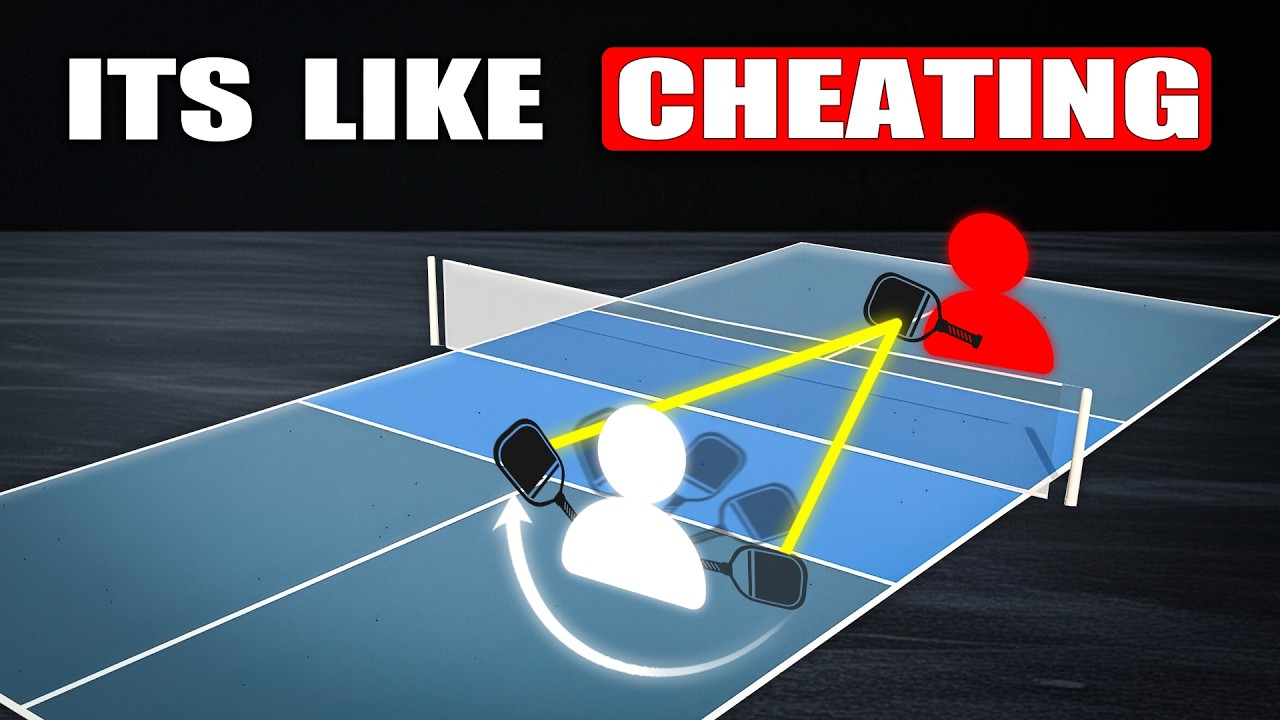
This pattern occurs when players exchange soft shots diagonally across the net. The key is recognizing when your opponent is setting up for a cross-court dink and positioning yourself accordingly.

Watch for these indicators:
- Your opponent's paddle face angling toward the opposite sideline
- Their body position opened up to the cross-court angle
- A slightly slower approach to the ball
When you spot this pattern developing, take a small step toward the middle and prepare for a cross-court exchange that could last several shots.
Pattern #2: The Attack and Retreat Cycle
This pattern emerges when one team gains offensive momentum, forcing their opponents into defensive positions. Understanding this cycle helps you recognize when to press your advantage or when to reset the point.
The attacking team should look for:
- High balls that create put-away opportunities
- Opponents backing away from the non-volley zone
- Rushed or off-balance returns
The defending team should focus on:
- Getting back to the kitchen line quickly
- Playing low, soft shots to neutralize aggression
- Staying patient until an opportunity arises

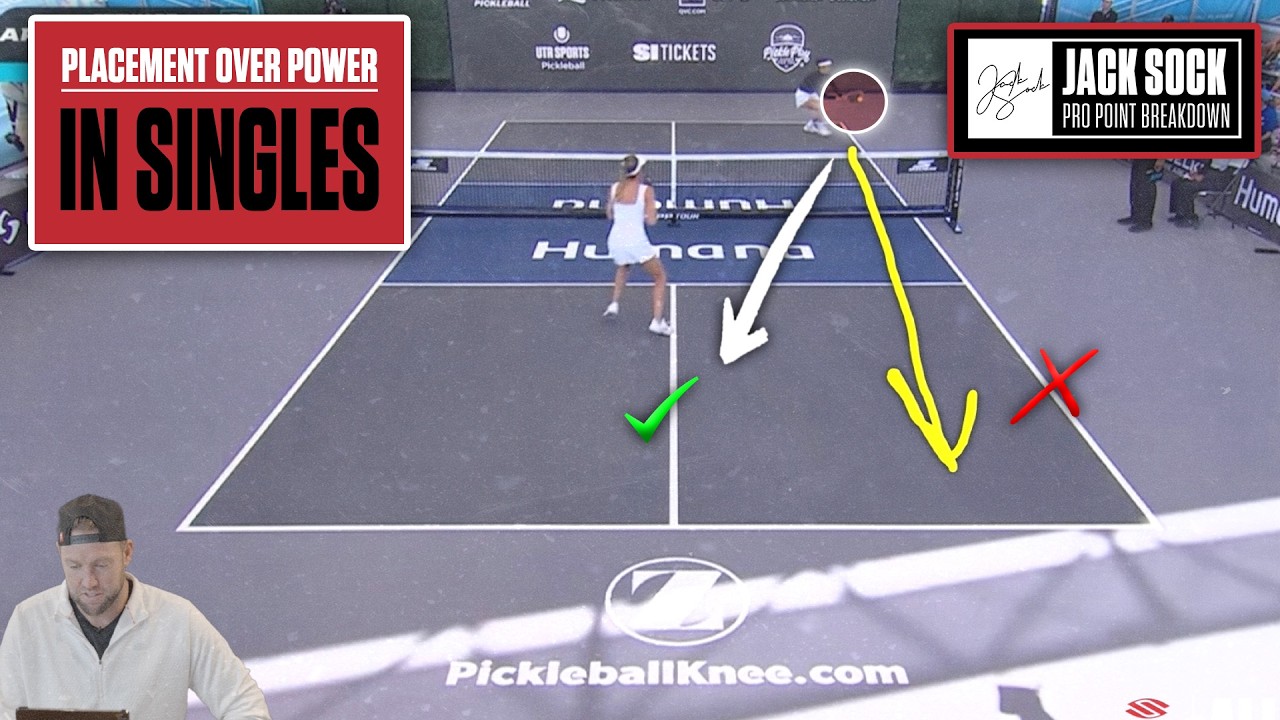
Pattern #3: The Side-to-Side Pressure System
Advanced players use lateral movement to create openings. This pattern involves systematically moving your opponents side to side until you create a gap or force a weak return.
Execute this pattern by:
- Targeting corners consistently rather than random placement
- Following your shots toward the center to cut off return angles
- Increasing pace gradually as gaps appear
The beauty of this pattern is that it works at every skill level. Even if your opponents recognize what you're doing, they still have to execute perfect shots to counter it.
Pattern #4: The Third Shot Transition Pattern
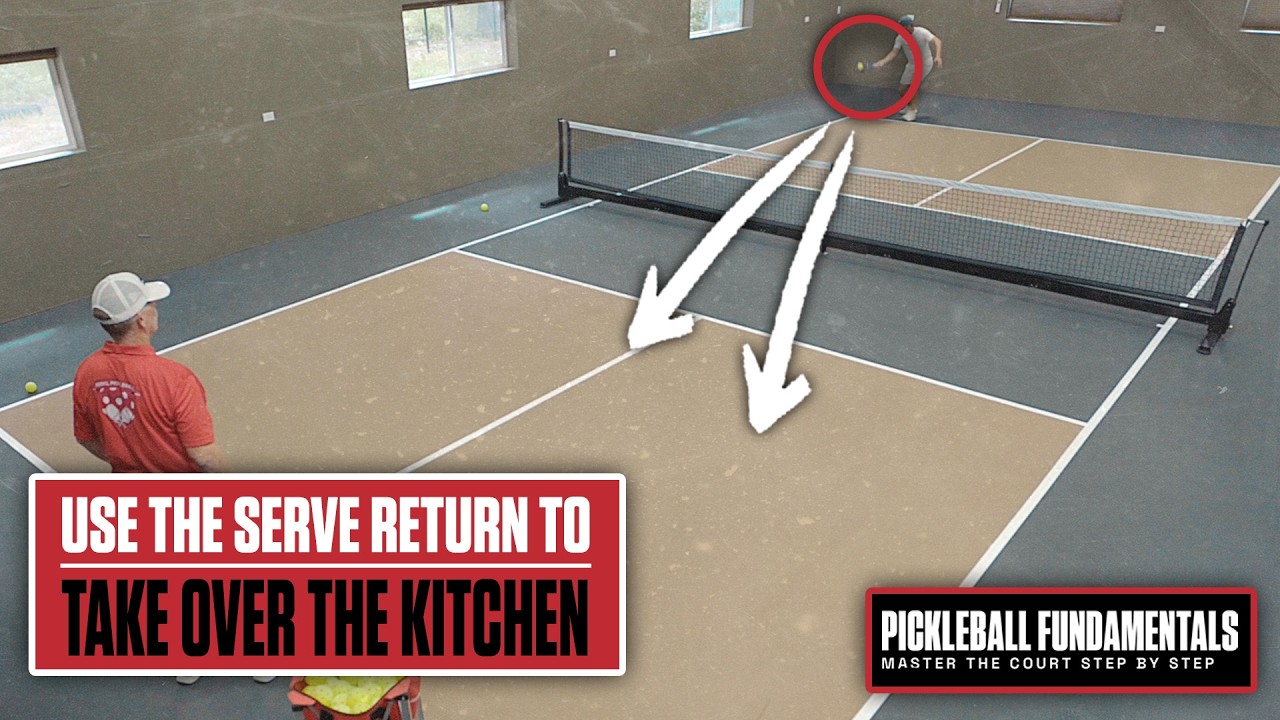
This crucial pattern determines who controls the net after the serve and return. Mastering this sequence is essential for consistent improvement.

The serving team's goal is reaching the non-volley zone safely, while the receiving team wants to maintain their net position. This creates a predictable sequence:
- Serve deep to push returners back
- Hit a controlled third shot (drop or drive)
- Move forward while the ball is in flight
- Be prepared for the fifth shot based on your third shot selection
Understanding this pattern helps you make better third shot decisions and positions you for the critical fifth shot opportunity.
Implementing Patterns in Your Game
Start by focusing on one pattern per practice session. Watch for the setup conditions that trigger each pattern, then practice your positioning and shot selection responses.
Remember, patterns aren't rigid formulas—they're frameworks for making better decisions under pressure. The more you practice recognizing these situations, the more natural your responses become.
Frequently Asked Questions
How long does it take to master these pickleball patterns?
Most players begin recognizing patterns within 2-3 weeks of focused practice. However, mastering the positioning and shot selection responses typically takes 2-3 months of consistent play.
Should I focus on all four patterns simultaneously?
No, concentrate on one pattern per week. Start with the cross-court reset sequence since it's the most common, then progress through the others as each becomes natural.
Do these patterns work in recreational play?
Absolutely. These patterns are fundamental to pickleball at every level. Even in casual games, understanding these sequences will improve your positioning and decision-making significantly.