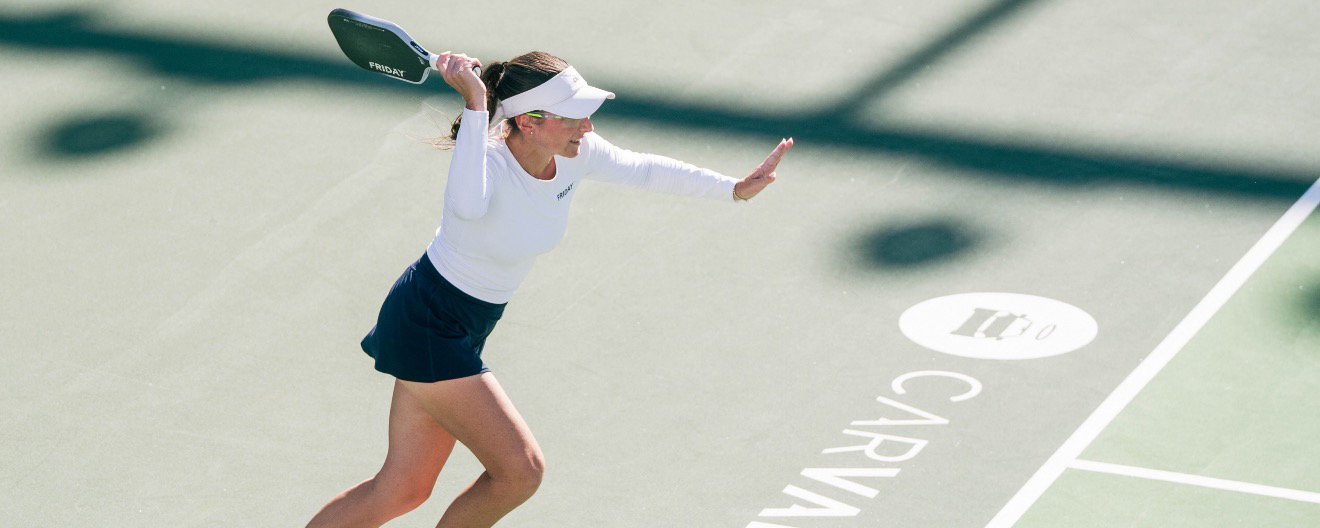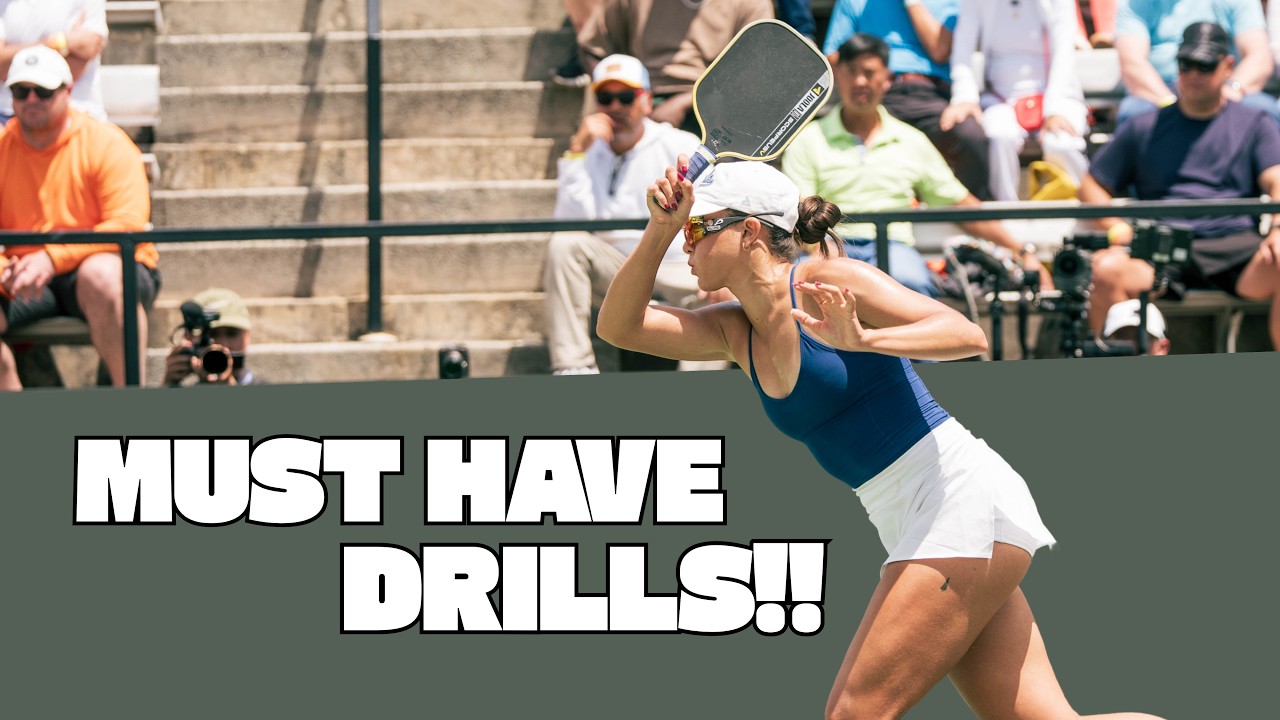
When your fourth player cancels at the last minute, most pickleball enthusiasts see it as a setback. But Anna Bright, currently ranked as the world's second-best professional pickleball player, views it as the perfect training opportunity.
Bright has revolutionized how players approach practice sessions by demonstrating that three-person drilling isn't just a backup plan—it's actually a more effective training method than traditional four-player formats.
Why Three-Person Drills Outperform Traditional Practice
The pickleball community has long operated under the assumption that four players create the ideal practice environment. Bright challenges this conventional wisdom with compelling evidence from her professional training regimen.
Three-person configurations offer unique advantages that standard doubles practice cannot replicate. Players face constantly changing scenarios that mirror the unpredictable nature of competitive matches, forcing rapid adaptation and decision-making under pressure.
"The beauty of three-person drilling lies in its ability to simulate real match conditions while maintaining focused skill development," explains Bright. This format creates natural imbalances that require players to think strategically rather than relying on repetitive patterns.
Essential Three-Person Drill Variations
No-Speedup Dinking Drills
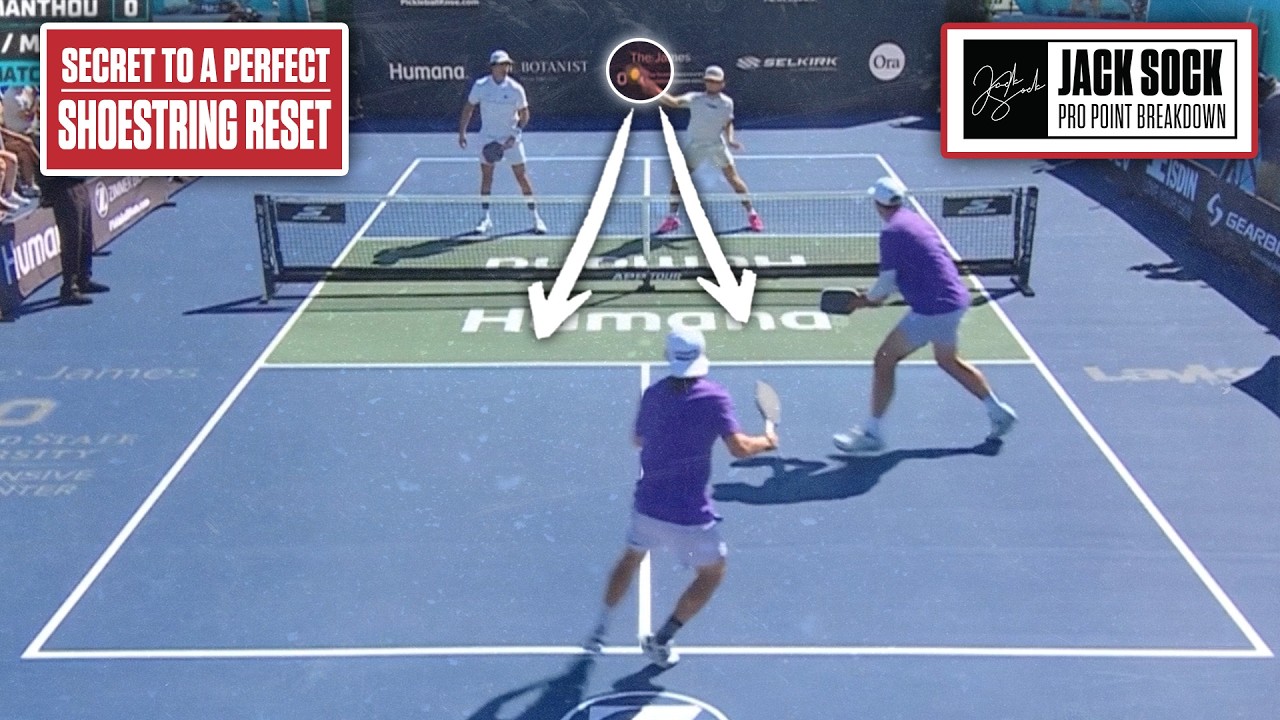
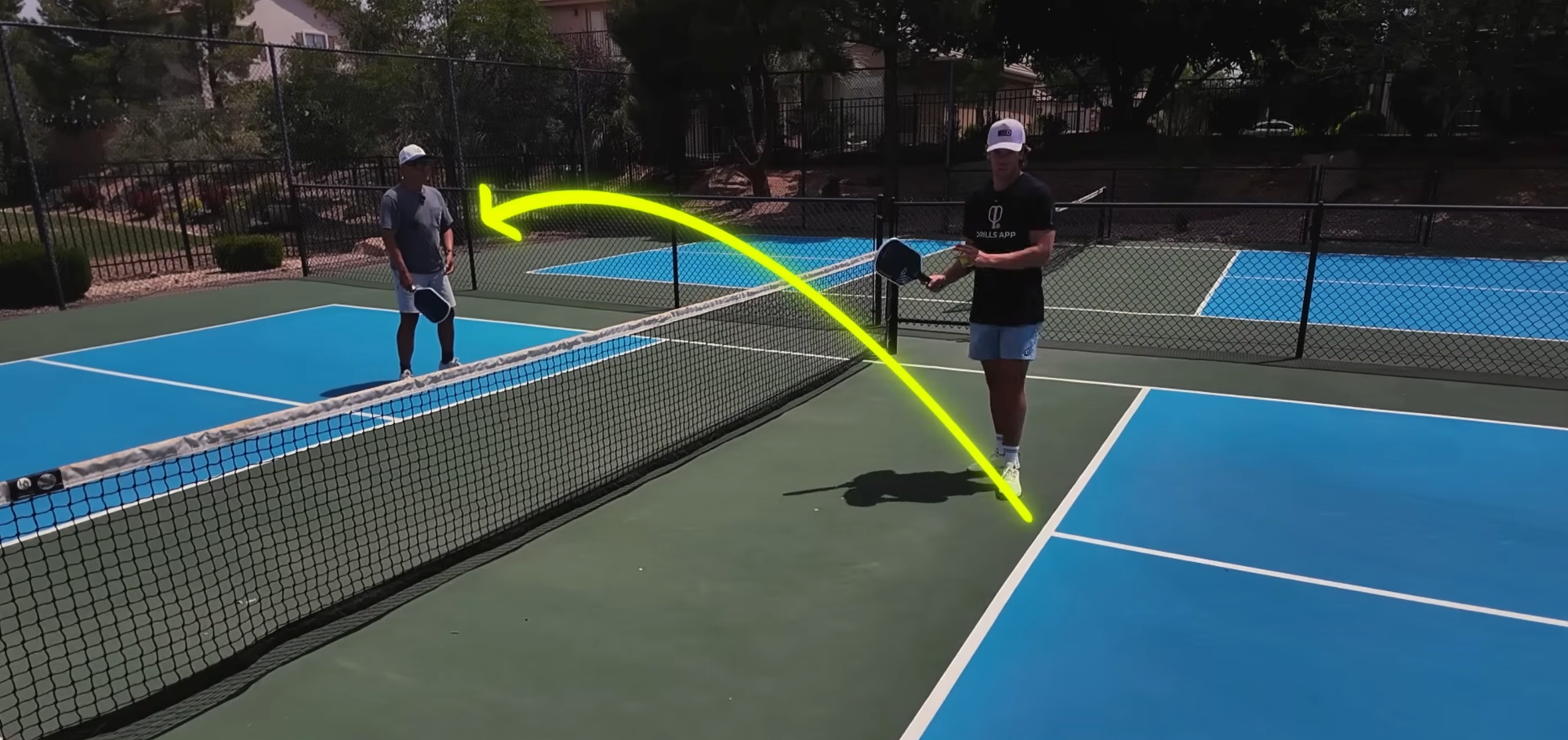
Bright's first variation focuses on controlled dinking with one player positioned against two opponents. The "no-speedup" rule forces participants to maintain patience and precision, developing the soft game that's crucial for advanced play.
This drill emphasizes placement over power, teaching players to construct points methodically rather than attempting winner shots prematurely. The 2-vs-1 dynamic creates natural pressure that improves decision-making under stress.
Anything-Goes Rally Practice
The second variation removes all restrictions, allowing players to employ any shot at any time. This format most closely resembles actual match conditions, where opponents can change tactics without warning.
Players rotate positions every few minutes, ensuring everyone experiences both numerical advantage and disadvantage situations. This rotation develops adaptability and strategic thinking that transfers directly to competitive play.
Targeted Skill Development
Bright's third approach involves position-specific drilling where players focus on particular aspects of their game. One player might work exclusively on third shot drops while the other two practice their return positioning and counterattacks.
This method allows for intensive skill refinement while maintaining the dynamic, reactive elements that make three-person drills so effective for overall game improvement.
Maximum Training Benefits
The three-person format delivers several key advantages over traditional practice methods. First, it increases court time per player, as there's no waiting for rotation that often occurs in four-person sessions.
Second, the numerical imbalance forces creative problem-solving that develops court awareness and strategic thinking. Players must constantly adjust their positioning and shot selection based on changing circumstances.
Third, these drills improve cardiovascular conditioning more effectively than standard doubles practice. The continuous movement and quick transitions required in three-person scenarios elevate heart rate and build match-specific endurance.
Implementation Strategies
To maximize effectiveness, Bright recommends starting sessions with structured drills before progressing to open play scenarios. Begin with specific constraints like "dinks only" or "no overhead shots" to isolate particular skills.
Gradually remove restrictions as players become comfortable with the format. The goal is building comfort with asymmetrical situations that frequently arise during competitive matches.
Time management becomes crucial in three-person drilling. Rotate positions every 5-7 minutes to ensure balanced development and prevent fatigue from compromising technique.
Professional Insights
Bright's advocacy for three-person drilling stems from her professional training experience. Top players regularly use these methods to sharpen their tactical awareness and improve their ability to handle unconventional situations.
The format's effectiveness lies in its ability to combine technical skill development with strategic training. Players simultaneously work on shot execution and game management, creating more comprehensive improvement than isolated skill practice.
Frequently Asked Questions
How long should three-person drill sessions last?
Anna Bright recommends 60-90 minute sessions with frequent position rotations every 5-7 minutes. This duration allows for comprehensive skill development without causing fatigue that could compromise technique.
Can beginners benefit from three-person pickleball drills?
Absolutely. While Bright's methods are used at the professional level, beginners can adapt these drills with modified rules and slower pace. The strategic thinking and court awareness benefits apply to all skill levels.
What's the biggest mistake players make in three-person drilling?
The most common error is focusing too heavily on winning rather than skill development. These drills are designed for improvement, not competition, so players should prioritize technique and decision-making over point scoring.