While most pickleball players focus intensely on shot-making and power, the real secret to winning more points lies in what you do when the ball isn't coming to you. Elite players understand that off-ball positioning is the foundation of successful firefight exchanges at the net.
The harsh reality is that many recreational players lose rallies before they even touch the ball. They're caught off-guard, poorly positioned, or simply not ready when their turn comes. By mastering off-ball fundamentals, you can dramatically improve your success rate in high-speed exchanges.
The Three Pillars of Elite Off-Ball Play
Paddle Readiness and Positioning
Your paddle position when you're not actively hitting determines how quickly you can react when the ball comes your way. Elite players maintain their paddle in the "ready zone" - approximately chest height with a slightly forward angle.
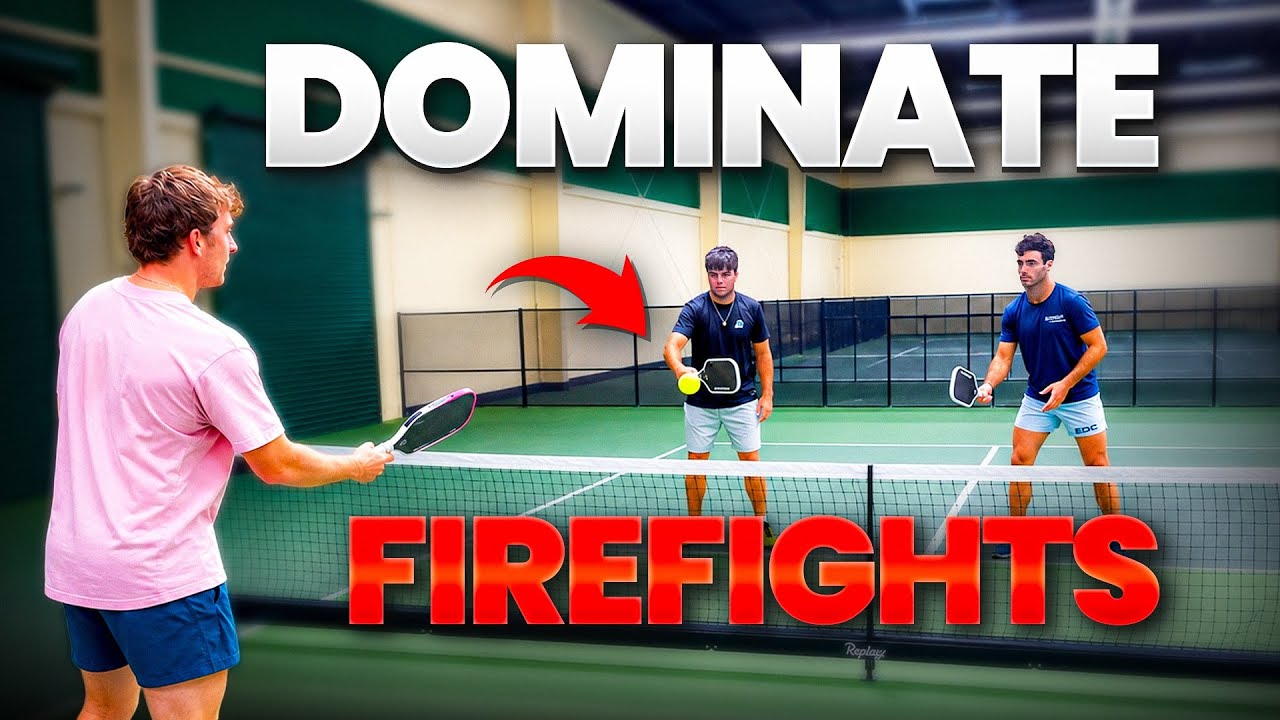
This positioning allows for both offensive and defensive responses without telegraphing your intentions. Keep your paddle face slightly open and your grip relaxed but firm. Avoid dropping your paddle below waist level or holding it too high above your shoulders.
Court Awareness and Spatial Intelligence
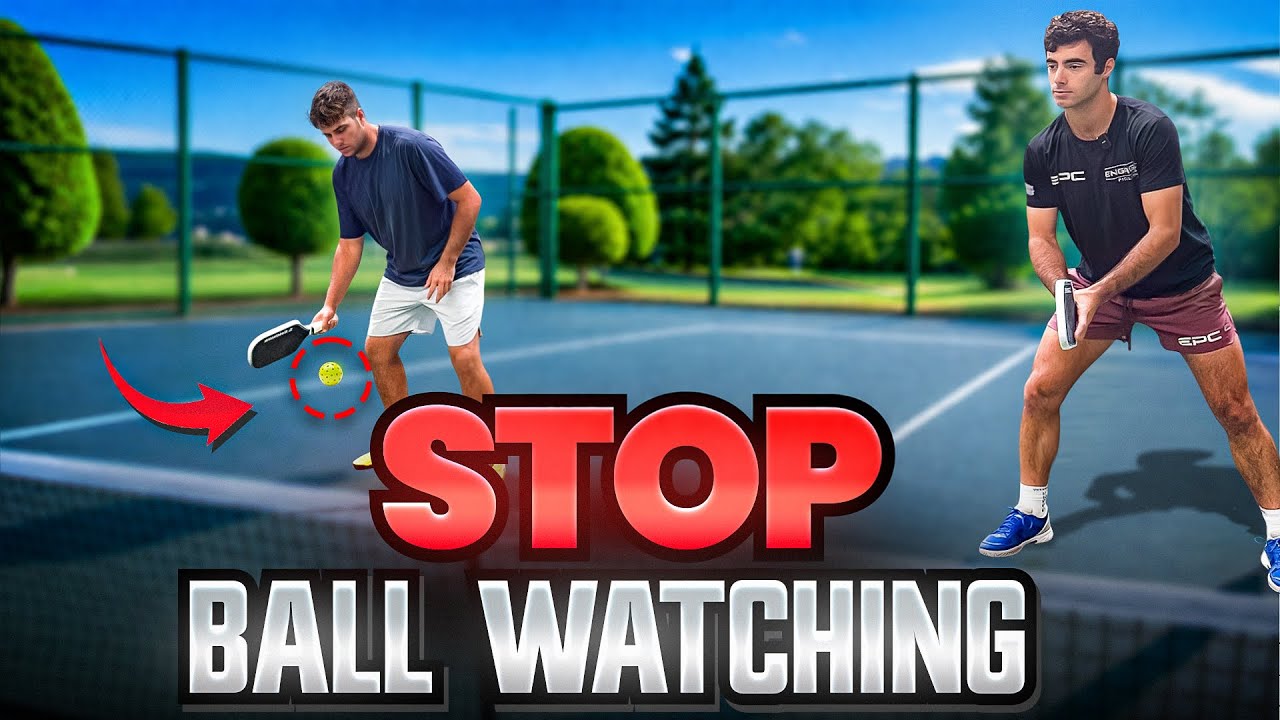
Understanding where you are in relation to your partner, opponents, and court boundaries is crucial for off-ball success. Many players make the mistake of ball-watching instead of maintaining awareness of the entire court situation.
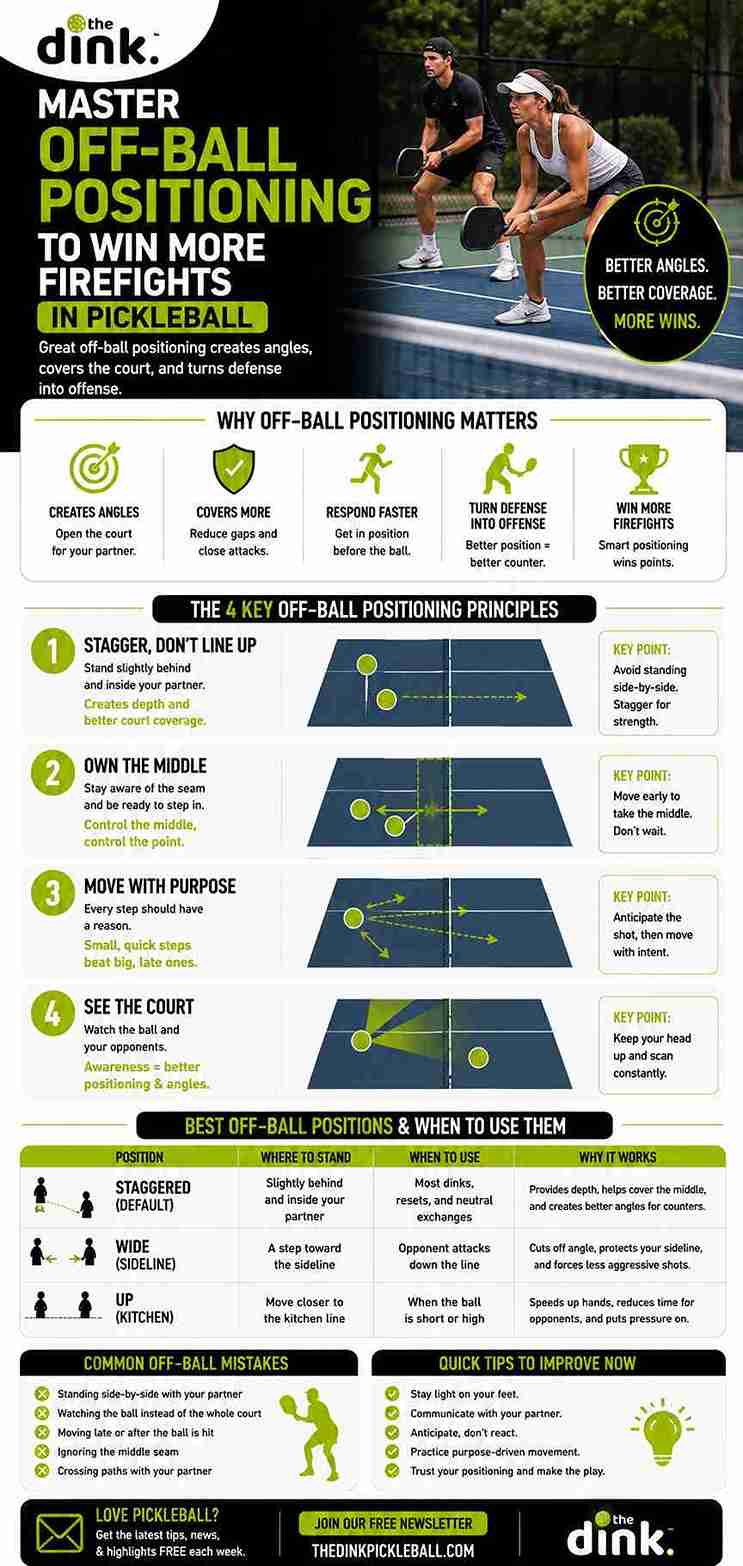
Focus on maintaining proper spacing with your partner while staying balanced and ready to move in any direction. Your feet should be shoulder-width apart with weight slightly forward on the balls of your feet.
Anticipation and Pattern Recognition
The best off-ball players develop an intuitive sense of where the ball is likely to go next. This comes from understanding common shot patterns and reading your opponents' body language and paddle positions.
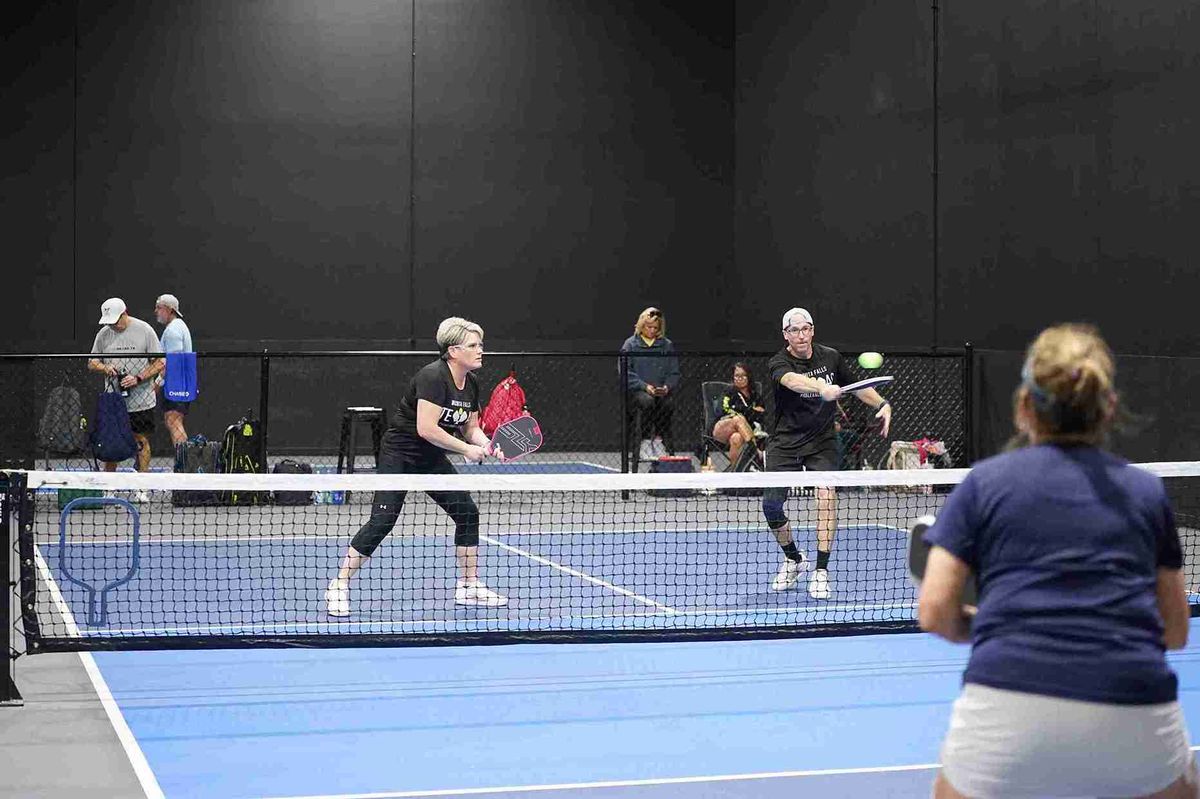
Watch for telegraphed shots - most recreational players give away their intentions through their setup and paddle angle. Use this information to pre-position yourself for the most likely scenarios.
Common Off-Ball Mistakes That Cost Points
Even experienced players fall into predictable traps when they're not actively engaged in the rally. Here are the most costly errors:
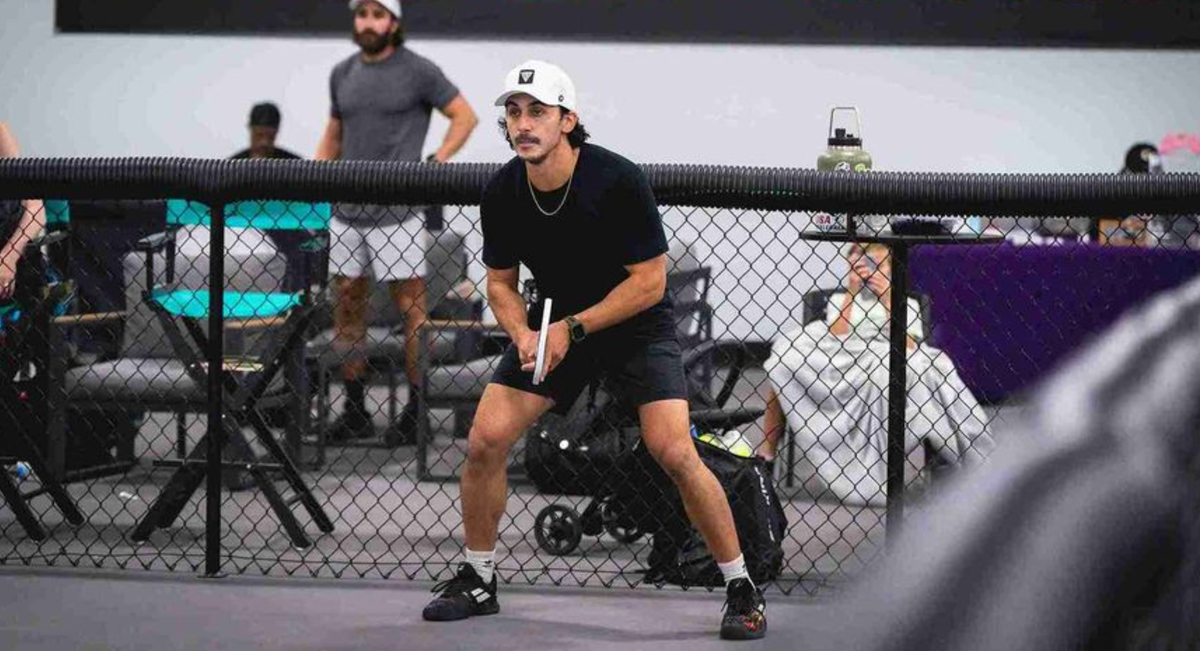
Standing Too Static: Many players plant their feet and wait passively for the ball to come to them. Instead, maintain active feet with small adjustment steps to optimize your position throughout the rally.
Poor Communication: Failing to communicate with your partner about who takes which balls leads to confusion and missed opportunities. Develop clear signals and verbal cues for seamless coordination.
Relaxing Too Early: Don't assume a rally is over until the ball hits the ground or goes out. Stay engaged and ready even when it seems like your partner has everything under control.
Drills to Improve Your Off-Ball Game
Practice these specific drills to develop better off-ball instincts:
Shadow Positioning: Have your partner rally with two opponents while you focus solely on positioning and paddle readiness without hitting any balls. This builds court awareness and anticipation skills.
Quick Switch: During firefight practice, randomly call out "switch" so partners must immediately exchange positions. This improves reaction time and spatial awareness.
Blind Positioning: Practice maintaining proper ready position with eyes closed while your partner describes different game scenarios. This builds muscle memory for correct positioning.
Advanced Off-Ball Strategies
Once you've mastered the basics, incorporate these advanced concepts:
Controlled Crowding: Strategically position yourself to put subtle pressure on opponents while maintaining legal court position. This can force hurried or poor shot selection.
Pattern Disruption: Occasionally break from optimal positioning to disrupt opponents' rhythm and force them to hit to different targets than they initially planned.
Recovery Positioning: Always consider where you'll be after your partner hits their shot. Position yourself not just for the current ball, but for the most likely return scenarios.
Frequently Asked Questions
How close should I stand to my partner during firefights?
Maintain approximately 6-8 feet between you and your partner during net exchanges. This provides adequate court coverage while avoiding collisions and allowing both players room to move and swing effectively.
Should I move during my partner's backswing?
Avoid major position changes during your partner's backswing as this can be distracting. Make your positioning adjustments between shots or during the opponent's preparation time to maintain court awareness without disrupting your partner's concentration.
How do I know if I'm positioned correctly when I'm not hitting?
Check that you can comfortably reach any ball hit to your side of the court, you're not blocking your partner's movement or shot angles, and you can see both opponents' paddle positions. If you can accomplish all three, you're likely in good position.