Why the Crosscourt Dink Dominates Modern Pickleball
The crosscourt dink has become the cornerstone of elite pickleball strategy, separating recreational players from serious competitors. This finesse shot demands precision over power, requiring players to master subtle paddle angles and deliberate placement rather than aggressive swings.
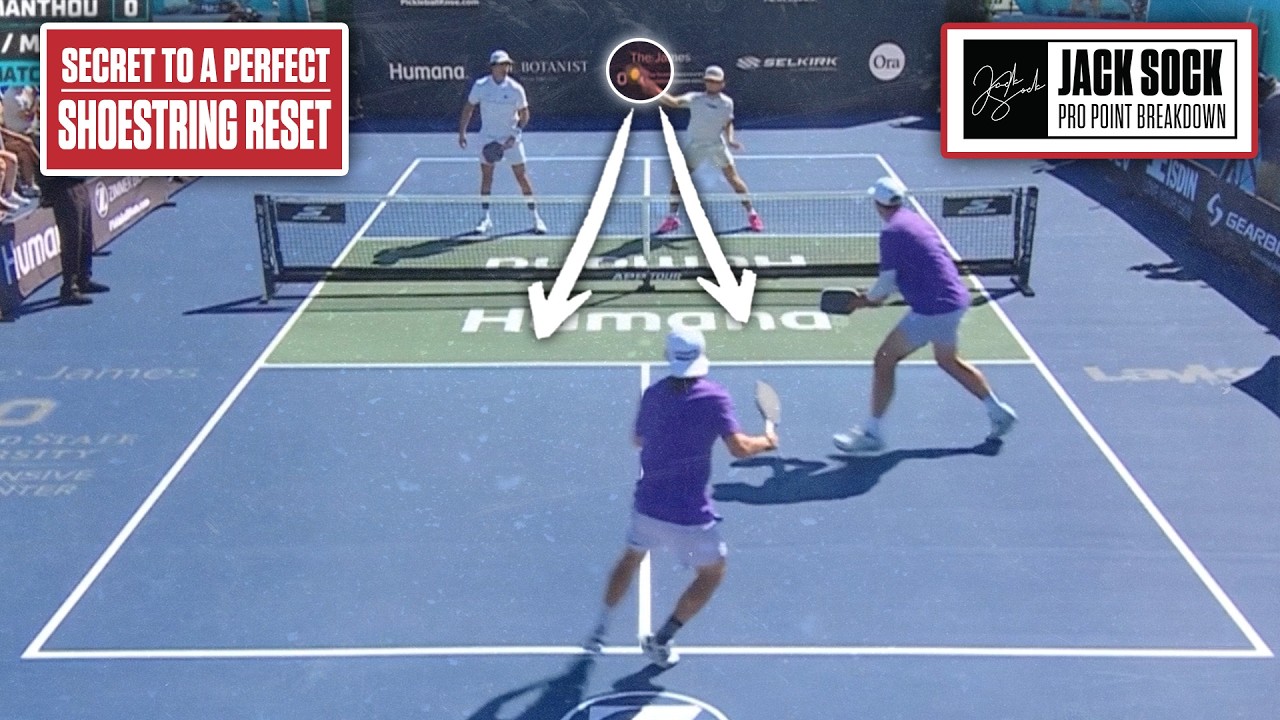
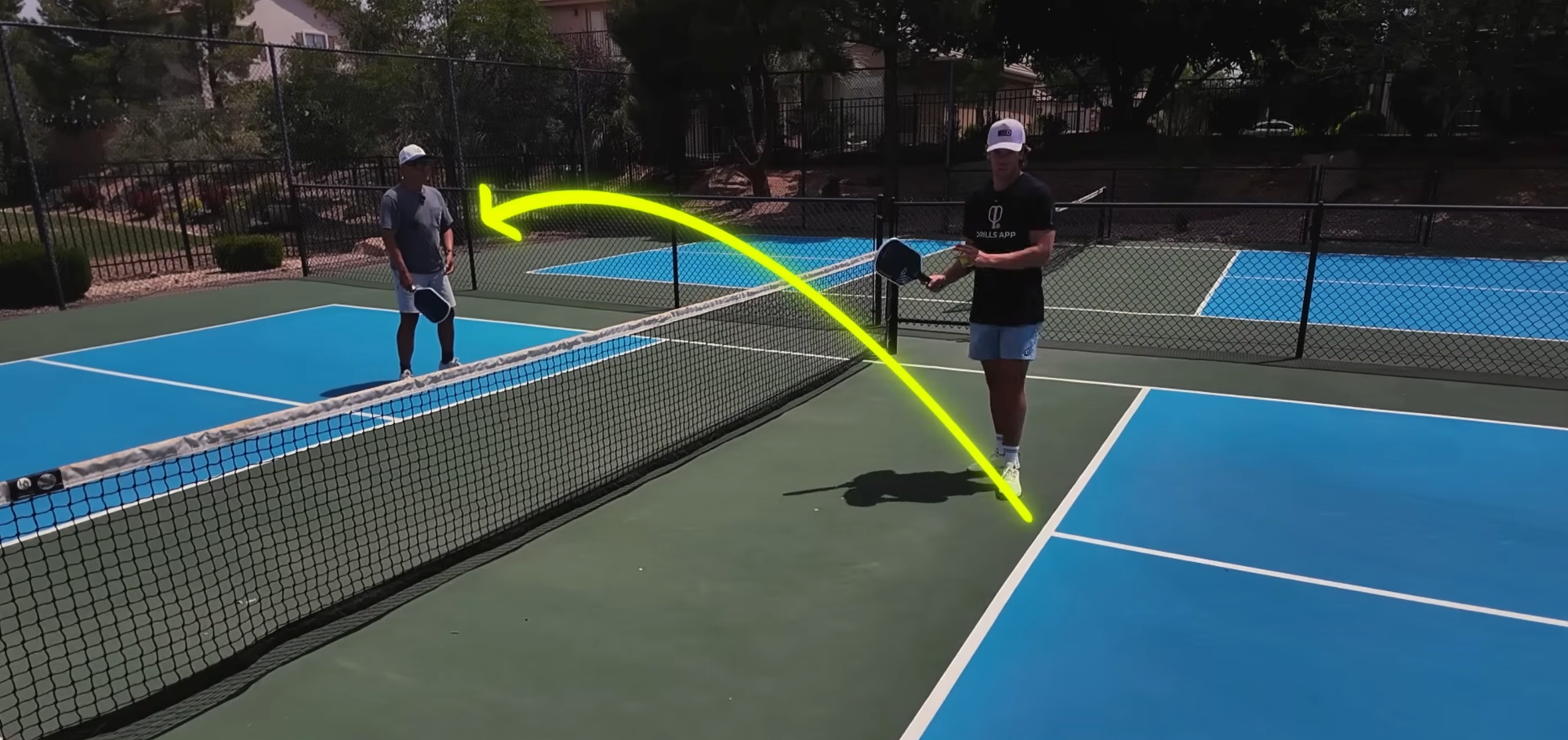
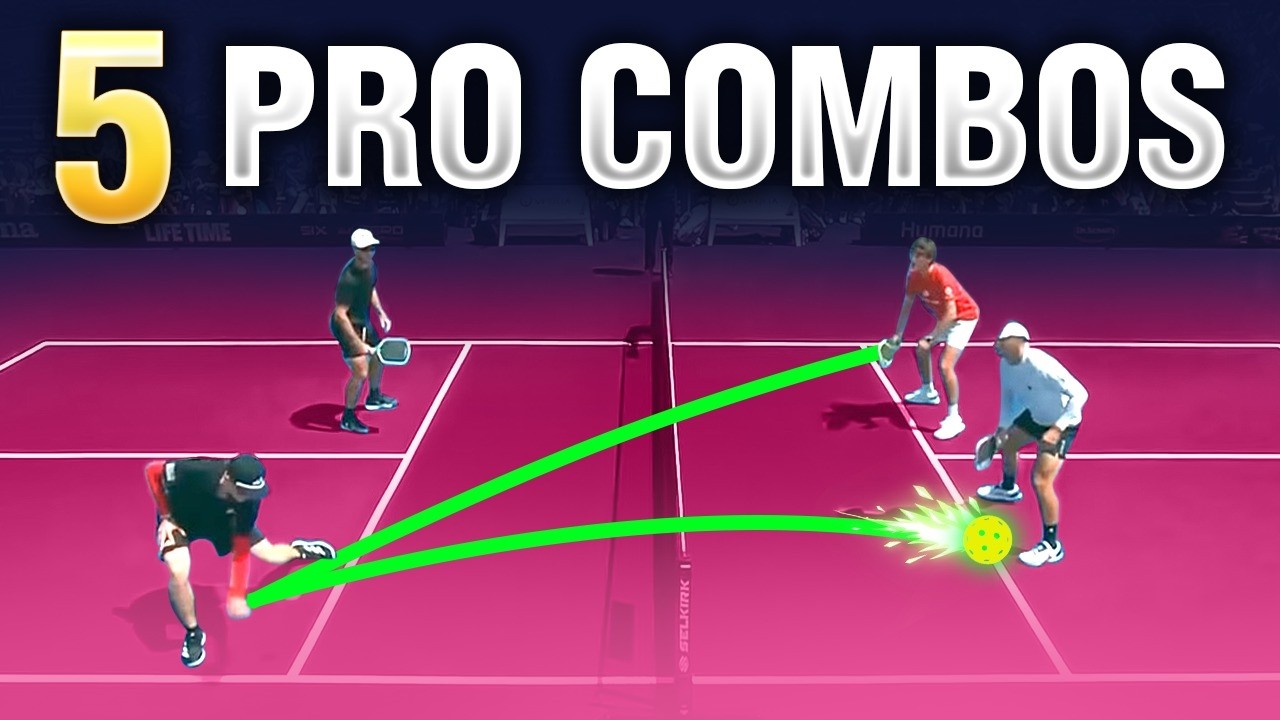
Professional players rely on crosscourt dinks because they offer maximum court coverage while maintaining optimal positioning. Unlike straight-ahead dinks that can leave you vulnerable, crosscourt shots create wider angles and force opponents into difficult return positions.
Essential Paddle Positioning for Crosscourt Success
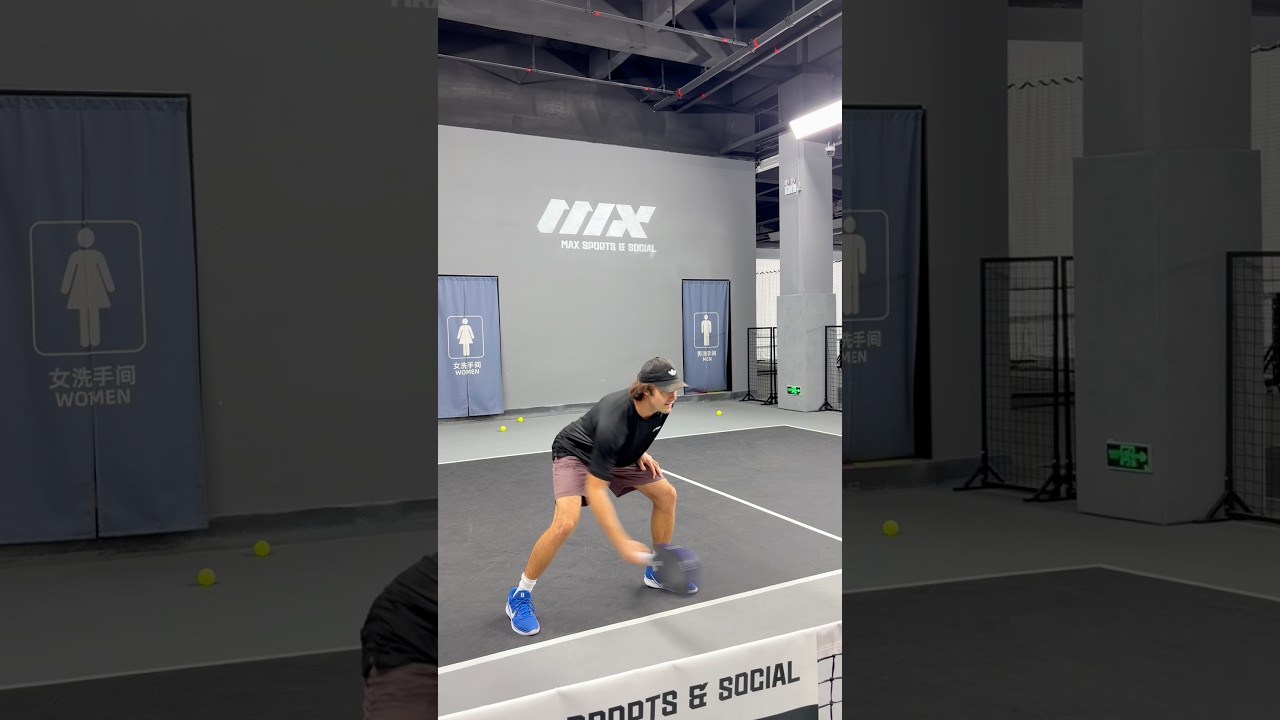
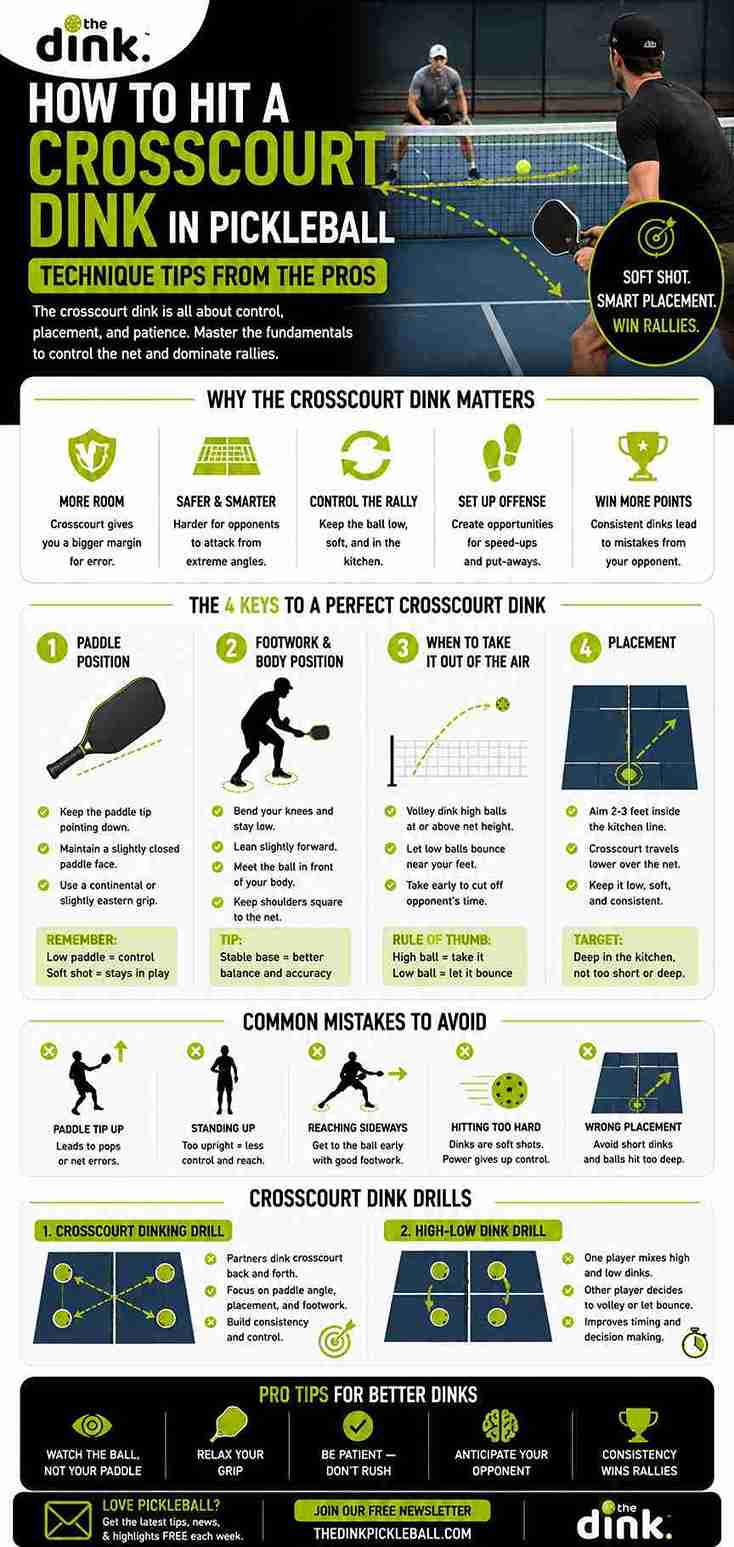
Proper paddle positioning forms the foundation of effective crosscourt dinking. Your paddle face should remain slightly open, angled approximately 15-20 degrees upward to ensure the ball clears the net with minimal height.
Grip and Hand Placement
Maintain a continental grip with your paddle hand positioned slightly forward of your body. This grip allows for maximum control and enables quick adjustments during rapid exchanges. Your non-paddle hand should point toward your target, creating natural body alignment.
Contact Point Optimization
Make contact with the ball when it's positioned slightly in front of your body and at knee height or lower. This contact point provides the best combination of control and angle creation for crosscourt placement.
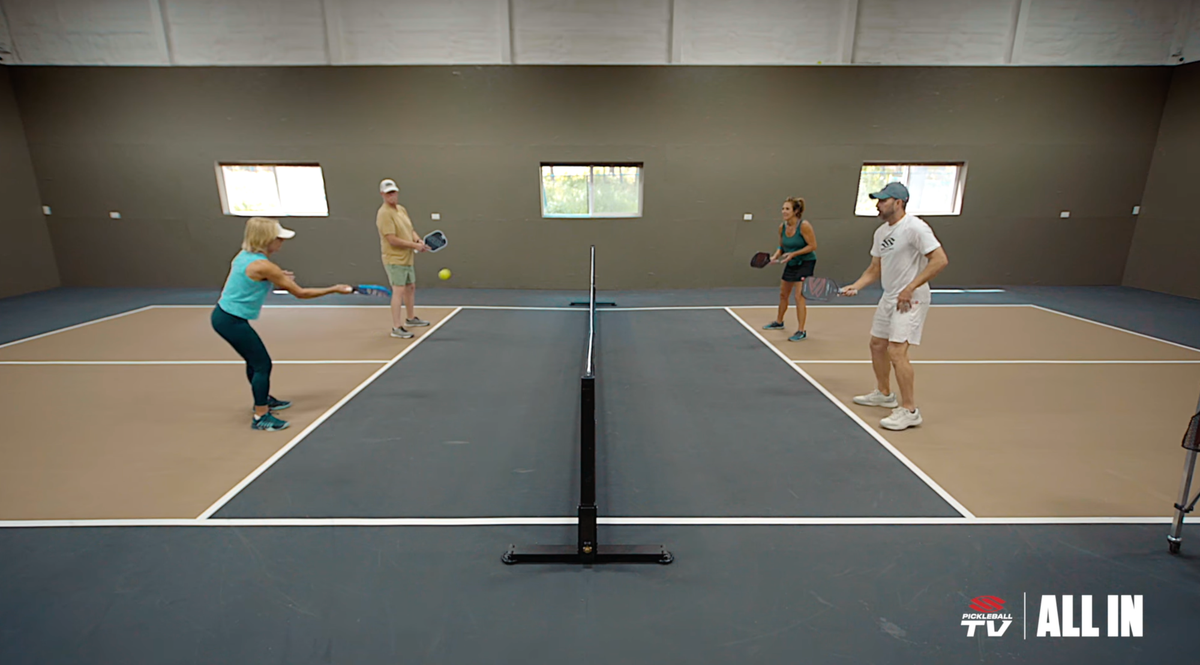
Footwork Fundamentals That Pros Swear By
Championship-level crosscourt dinking relies heavily on proper footwork patterns that many recreational players overlook. Your feet should remain active and positioned to support quick directional changes.
Step into your crosscourt dinks with your opposite foot – if you're hitting from your forehand side, step forward with your left foot. This creates better weight transfer and improves shot consistency.
The Split-Step Advantage
Between each dink exchange, execute a small split-step to maintain balance and readiness. This micro-movement keeps you prepared for your opponent's return and enables faster reaction times during extended rallies.
Strategic Placement and Court Positioning
The most effective crosscourt dinks target specific zones that maximize your tactical advantage. Aim for areas that force your opponent to move laterally while maintaining your own central court position.
Target Zones for Maximum Impact
Focus your crosscourt dinks toward the intersection of the sideline and kitchen line. This placement creates the most challenging return angle for your opponent while keeping the ball safely over the net.
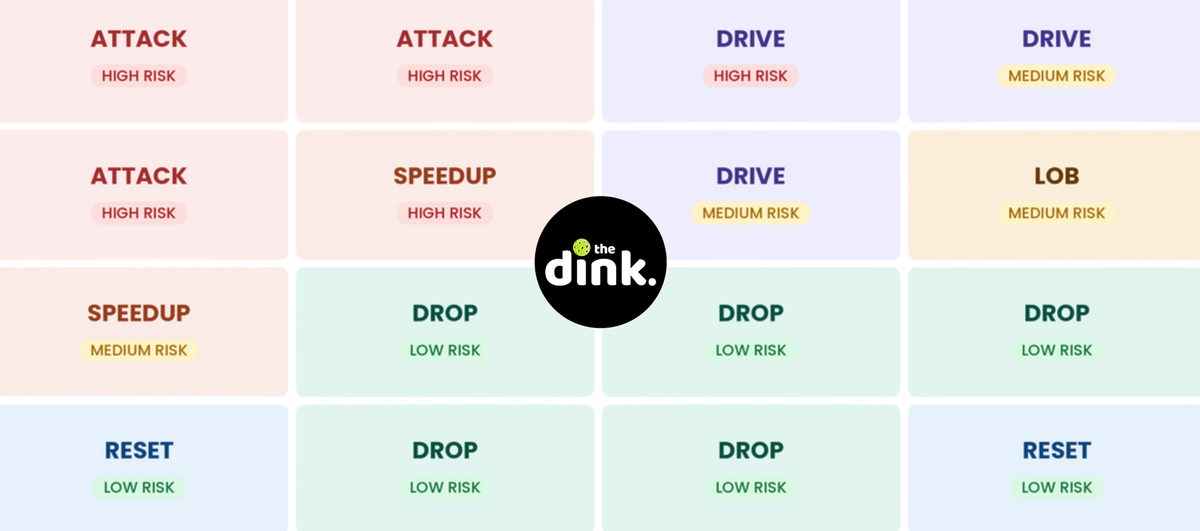
Vary your dink placement between sharp crosscourt angles and more moderate crossovers to prevent predictability. Professional players constantly adjust their targeting to keep opponents guessing.
Common Mistakes That Kill Your Crosscourt Game
Even experienced players make critical errors that undermine their crosscourt dinking effectiveness. Avoid lifting the ball too high over the net, which gives opponents easy attacking opportunities.
Rushing your dinks is another game-killer. The crosscourt dink requires patience and rhythm – trying to speed up the pace often leads to unforced errors and lost points.
Timing and Rhythm Development
Develop consistent timing by practicing with a metronome or counting cadence during drill sessions. This builds the internal rhythm necessary for sustained dinking exchanges during competitive play.
Practice Drills for Crosscourt Mastery
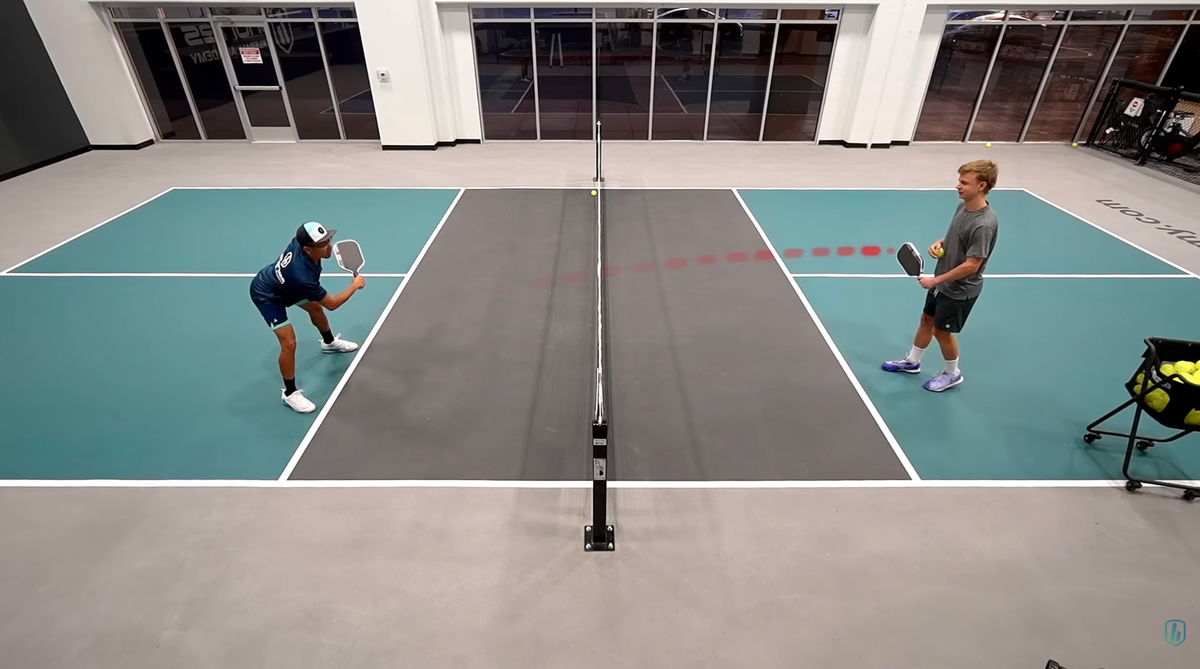
Implement specific training routines that isolate crosscourt dinking skills. Start with stationary crosscourt exchanges, focusing on consistency before adding movement and variation.
Progress to dynamic drills that incorporate lateral movement and mixed dink patterns. This progression mirrors actual game situations where you'll need to execute crosscourt dinks while moving and under pressure.
Frequently Asked Questions
How high should my crosscourt dinks clear the net?
Aim for 6-12 inches of net clearance on crosscourt dinks. This height provides sufficient margin for error while preventing easy attacks from your opponents. Lower clearance increases precision but raises the risk of net errors.
When should I use crosscourt dinks versus straight-ahead dinks?
Use crosscourt dinks when you want to create wider angles, move opponents laterally, or when positioned near the center of the court. Straight-ahead dinks work better when you're pulled wide and need to reset to a neutral position.
What's the biggest difference between recreational and professional crosscourt dinking?
Professional players maintain much more consistent paddle positioning and follow through with their body rotation. They also vary their pace and placement more systematically, using crosscourt dinks as part of larger strategic patterns rather than isolated shots.