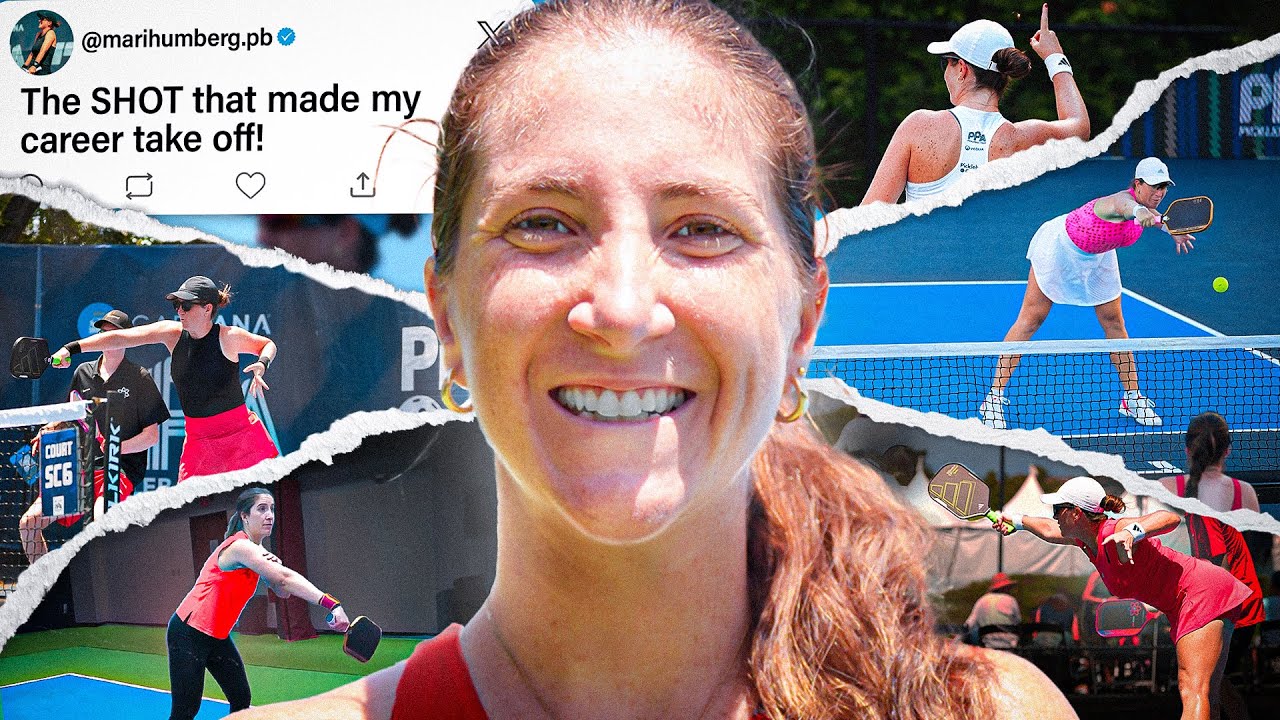
Professional pickleball player Mari Humberg has released an in-depth tutorial on one of the sport's most coveted shots: the backhand flick. This finesse attack has become increasingly popular among players seeking to add deception and aggressive angles to their game.
The backhand flick represents a sophisticated blend of technique and timing that can transform defensive positions into offensive opportunities. When mastered, this shot creates uncomfortable angles for opponents and can end rallies decisively.
Understanding the Backhand Flick Fundamentals
Humberg emphasizes that the backhand flick isn't just about power—it's about precision and placement. The shot requires specific grip adjustments and body positioning that differ significantly from standard backhand drives.
Grip and Hand Position
The foundation of an effective backhand flick starts with proper grip mechanics. Humberg demonstrates how subtle grip modifications can dramatically impact shot control and spin generation. The key lies in finding the balance between firmness and flexibility.
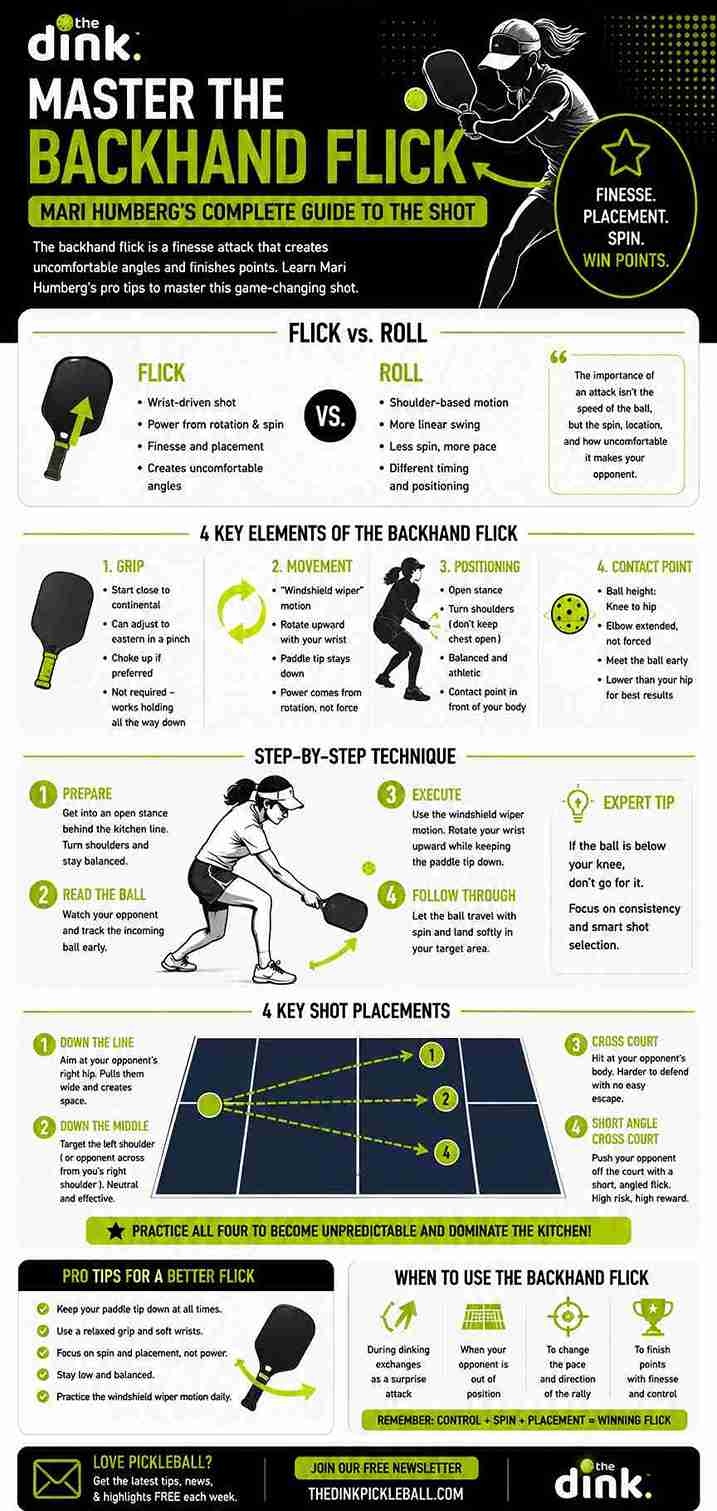
Players must adjust their grip pressure throughout the swing motion, starting loose during preparation and tightening at contact. This technique allows for better wrist snap and generates the deceptive pace that makes the backhand flick so effective.
Body Mechanics and Movement
Proper footwork and body rotation form the backbone of successful backhand flick execution. Humberg breaks down the sequential movement patterns that create optimal power transfer from the ground up.
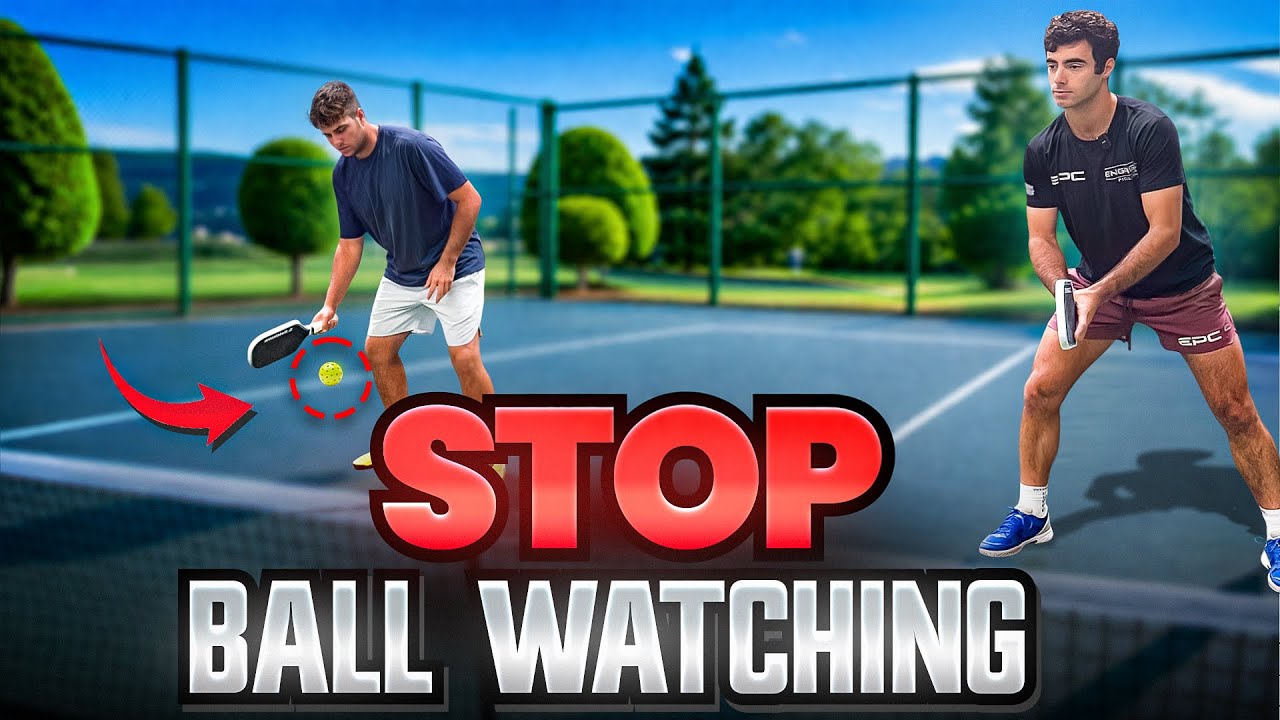
The shot requires coordinated movement between the lower body, core, and upper extremities. Players must learn to initiate the motion with their legs while maintaining proper shoulder alignment throughout the swing.
Four Essential Shot Placements
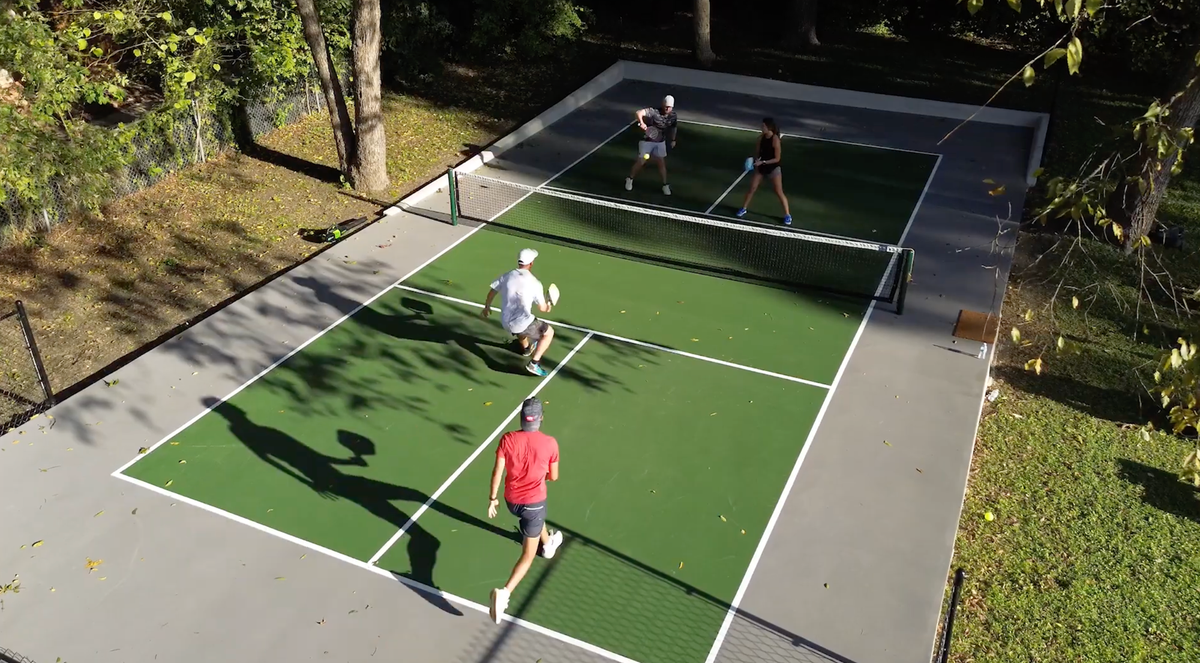
Humberg's tutorial covers four distinct target areas that maximize the backhand flick's effectiveness. Each placement serves different tactical purposes and requires slight technique modifications.
Cross-Court Attack
The cross-court backhand flick exploits the court's longest diagonal distance, giving players maximum margin for error while creating sharp angles. This placement works particularly well when opponents are positioned defensively.
Down-the-Line Precision
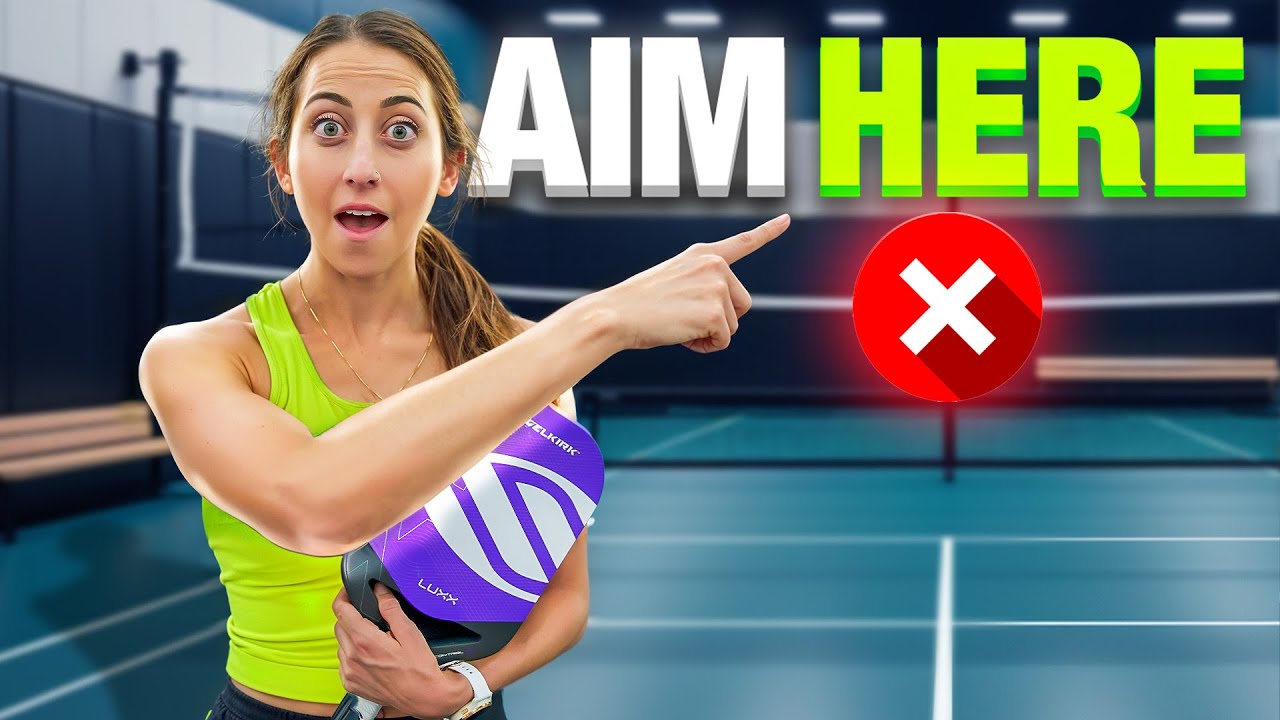
Hitting down the line with the backhand flick catches opponents off guard, especially when they anticipate cross-court shots. This placement requires exceptional accuracy but offers tremendous tactical advantages.
Middle Attack
Targeting the middle area between opponents creates confusion and forces communication issues. The backhand flick's pace makes it difficult for players to decide who should take the shot.
Short Angle Finish
The most advanced placement involves creating extreme angles that pull opponents off the court. This shot requires perfect timing and exceptional touch to execute consistently.
Common Mistakes and Corrections
Humberg addresses frequent errors that prevent players from developing consistent backhand flicks. Understanding these pitfalls helps accelerate the learning process and prevents bad habits from forming.
Many players attempt to generate too much power initially, sacrificing control and accuracy. The backhand flick's effectiveness comes from placement and timing rather than pure force.
Practice Progression and Development
Developing a reliable backhand flick requires structured practice and gradual progression. Humberg recommends starting with stationary drills before advancing to dynamic movement patterns.
Players should focus on consistency before attempting to add pace or extreme angles. Building muscle memory through repetition creates the foundation for advanced shot execution under pressure.
Integration into Match Play
Successfully incorporating the backhand flick into competitive play requires understanding when and how to deploy the shot strategically. Timing and court positioning significantly impact shot selection decisions.
The backhand flick works best when opponents expect defensive shots, creating the element of surprise that makes this technique so valuable in high-level play.
Frequently Asked Questions
How long does it typically take to master the backhand flick?
Most players need several months of consistent practice to develop reliable backhand flick technique. Advanced players may see results faster, while beginners should focus on fundamental mechanics first.
Should recreational players attempt the backhand flick?
While challenging, recreational players can benefit from learning the backhand flick. Start with basic technique and gradually add complexity as skills improve. Focus on consistency over power initially.
What's the most common mistake when learning this shot?
Trying to hit too hard too soon is the biggest error. The backhand flick relies on technique and placement rather than power. Develop proper form before increasing pace.