Choosing your first pickleball paddle is one of the most crucial decisions you'll make as a beginner. The wrong paddle can significantly hinder your progress, cause unnecessary fatigue, and even lead to injury. Understanding these common beginner pickleball paddle mistakes will help you make an informed choice and accelerate your journey from novice to confident player on the court.
Choosing Based on Price Alone
Many beginners make the mistake of either going for the cheapest option or assuming the most expensive paddle is automatically the best. Both approaches can lead to poor choices that don't match your playing style or skill level.
The Budget Trap
While you don't need to break the bank, extremely cheap paddles often have significant drawbacks:
- Poor construction that affects ball control
- Uncomfortable grips that cause blisters
- Heavy weight that leads to arm fatigue
- Short lifespan requiring frequent replacement
The Premium Pitfall
Conversely, expensive paddles designed for advanced players may not suit beginners. These paddles often prioritize power and spin over forgiveness and control, making them harder to master. Check out our paddle reviews to understand how different price points perform for beginners.
Ignoring Weight and Balance
Paddle weight significantly impacts your game, yet many beginners overlook this crucial factor. The wrong weight can cause fatigue, reduce accuracy, and slow your reaction time at the net.
Understanding Weight Categories
Pickleball paddles typically fall into three weight categories:
- Lightweight (6-7.2 oz): Better control and maneuverability
- Mid-weight (7.3-8.4 oz): Balanced power and control
- Heavyweight (8.5+ oz): More power but less control
Most beginners benefit from lightweight to mid-weight paddles that allow for better shot placement and reduce arm strain during longer playing sessions.
Balance Point Matters
The balance point affects how the paddle feels in your hand. Head-heavy paddles provide more power but can be harder to control, while handle-heavy paddles offer better maneuverability for quick exchanges at the net.
Selecting the Wrong Grip Size
Grip size is often an afterthought for beginners, but it's essential for comfort, control, and injury prevention. An incorrect grip size can lead to tennis elbow, reduced shot accuracy, and general discomfort.
How to Measure Your Grip
To find your ideal grip size:
- Measure from the tip of your ring finger to the middle crease of your palm
- Most adults need a 4⅛" to 4½" grip circumference
- When in doubt, choose the smaller size and add overgrip tape
Signs of Wrong Grip Size
Watch for these indicators that your grip size isn't right:
- Hand fatigue or cramping during play
- Paddle twisting in your hand on impact
- Difficulty controlling shot direction
- Blisters or hot spots on your palm
Overlooking Paddle Shape and Surface
The paddle's shape and surface texture significantly influence your playing experience. Beginners often focus solely on appearance rather than how these features affect ball control and spin generation.
Shape Considerations
Paddle shapes offer different advantages:
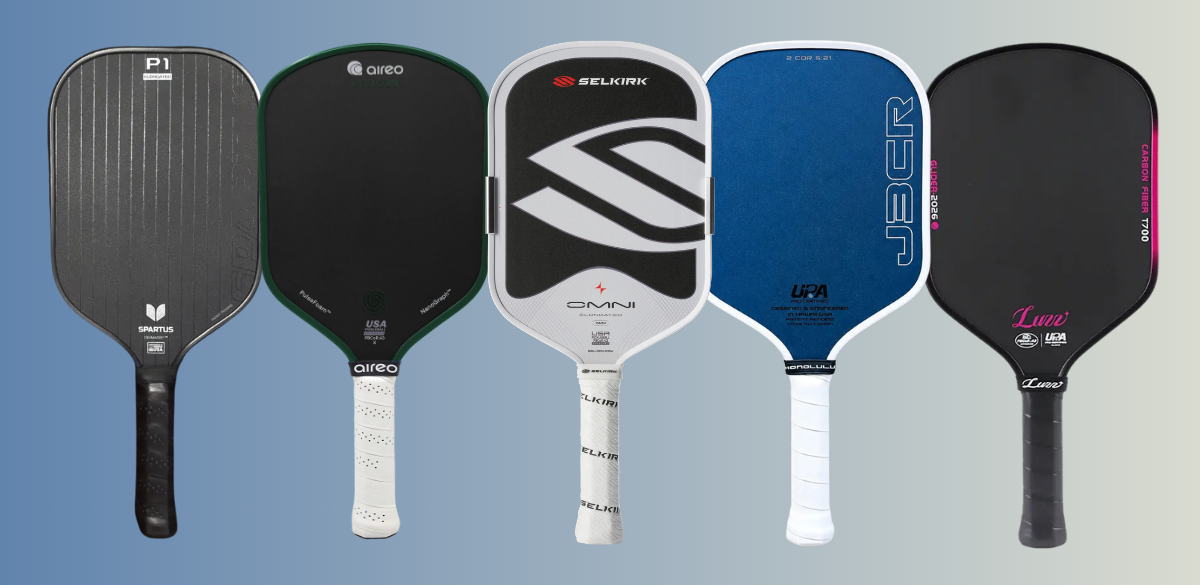
- Wide-body paddles: Larger sweet spot, more forgiving for beginners
- Elongated paddles: More reach and power but smaller sweet spot
- Traditional shape: Good balance of reach and forgiveness
Surface Texture Impact
Surface texture affects spin and control. Textured surfaces help generate spin but may be harder to control for beginners. Smooth surfaces offer more predictable ball response, making them ideal for learning proper technique.
For a well-rounded beginner option that balances these factors, consider the Sypik Triton 5 Pro review, which offers excellent control and forgiveness for developing players.
Not Testing Before Buying
Perhaps the biggest mistake is purchasing a paddle without testing it first. Every player has unique preferences, and what works for others might not work for you.
Ways to Test Paddles
- Borrow from friends or club members
- Attend demo days at local pro shops
- Look for retailers with trial periods
- Join beginner clinics that provide equipment
Use our drill planner to practice with different paddles and see how they perform across various shots and techniques.
What to Evaluate During Testing
When testing paddles, pay attention to:
- Comfort during extended play
- Control on soft shots and dinks
- Power on drives and serves
- Overall feel and confidence level
Frequently Asked Questions
How much should a beginner spend on their first paddle?
Beginners should expect to spend $50-$120 on their first paddle. This range offers quality construction and materials without paying for advanced features you won't utilize initially. Avoid paddles under $40, as they often lack the quality needed for proper skill development.
When should I upgrade from my beginner paddle?
Consider upgrading when you've been playing regularly for 3-6 months and can consistently hit basic shots. Signs you're ready include wanting more power, seeking better spin control, or feeling limited by your current paddle's performance. Check our rankings to see top options for intermediate players.
Can the wrong paddle cause injuries?
Yes, an inappropriate paddle can contribute to overuse injuries. Heavy paddles strain your arm and shoulder, while incorrect grip sizes can lead to tennis elbow or wrist problems. Poor paddle balance can also cause you to overcompensate with your swing, leading to muscle strain and joint stress over time.