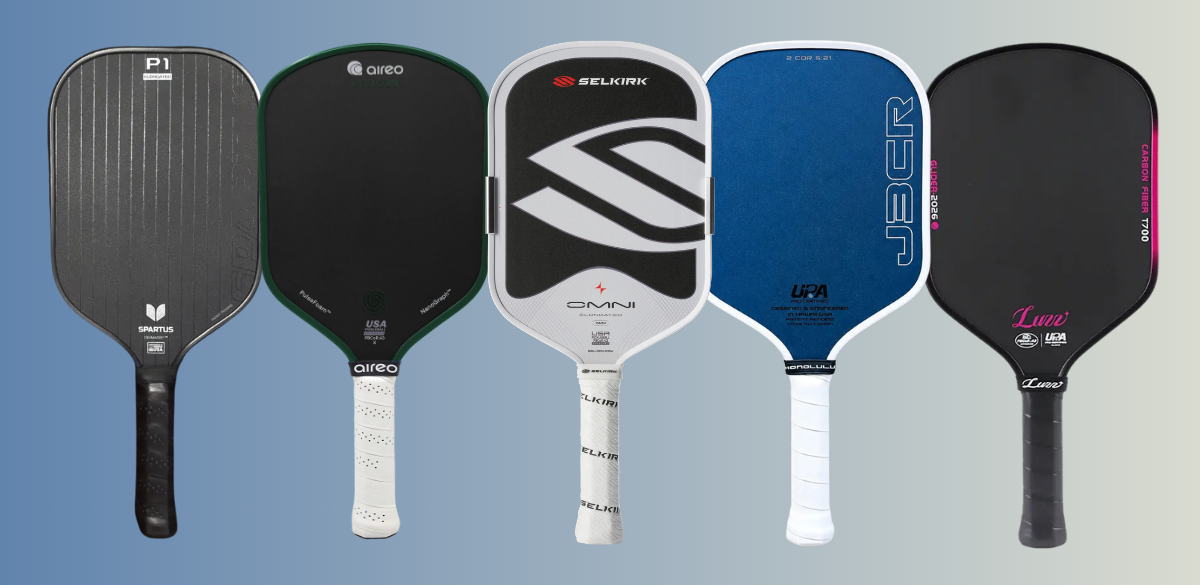
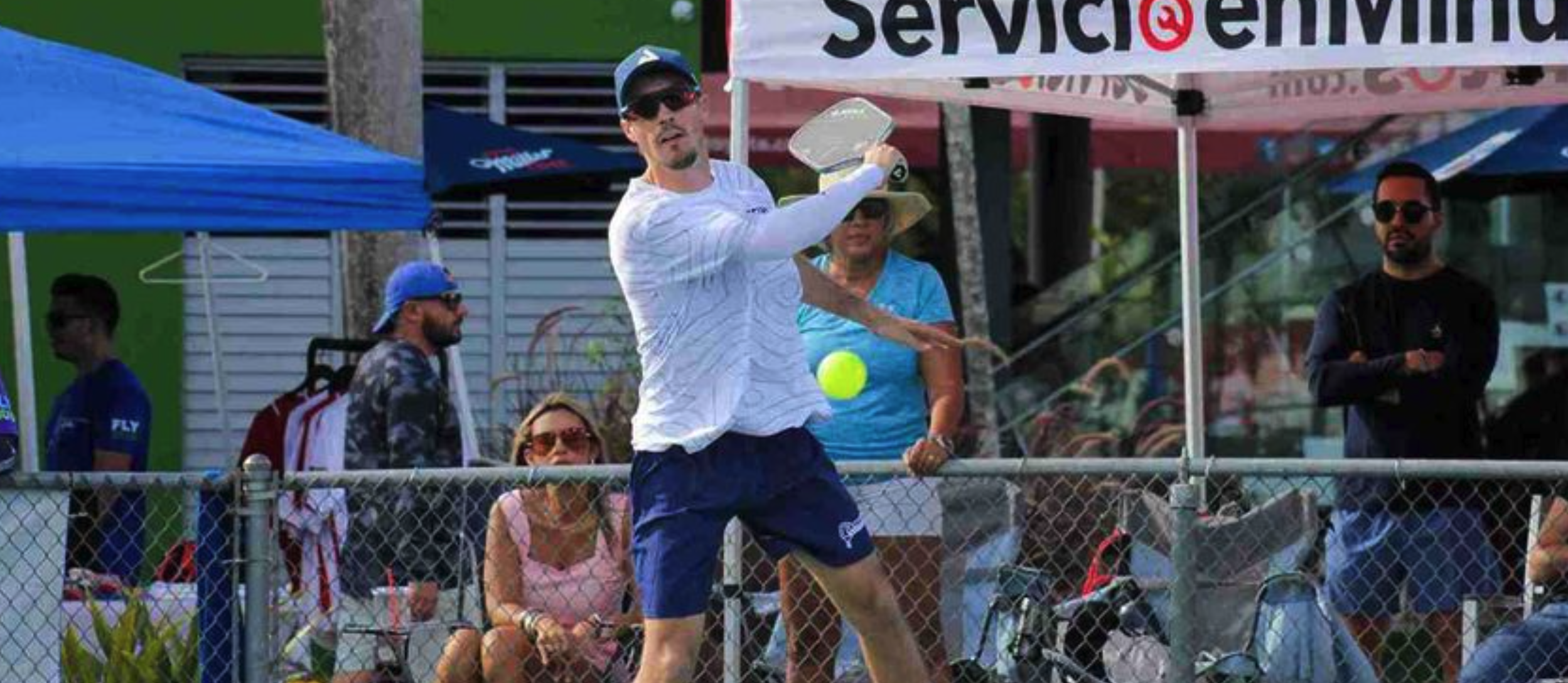
Choosing the best paddle surface texture for maximum spin can dramatically transform your pickleball game. The right surface texture allows you to generate devastating topspin serves, wicked drop shots, and deceptive third shot drops that leave opponents scrambling. Understanding how different textures interact with the ball is crucial for players looking to add another dimension to their arsenal and gain a competitive edge on the court.
Understanding Paddle Surface Texture and Spin Generation
Surface texture directly impacts how much spin you can impart on the ball. The microscopic peaks and valleys on your paddle face create friction against the ball's surface, allowing you to "grab" it momentarily during contact.
Key factors that determine spin potential:
- Grit level and roughness
- Material composition
- Surface pattern design
- Durability and wear resistance
Higher friction surfaces excel at generating spin but may sacrifice some power. The sweet spot lies in finding the optimal balance between grip and speed that matches your playing style. Professional players often prefer textured surfaces because they provide better ball control during fast-paced rallies.
Types of High-Spin Paddle Surface Textures
Raw Carbon Fiber
Raw carbon fiber offers exceptional spin potential due to its naturally rough, unfinished surface. This texture provides maximum grip on the ball, making it ideal for players who prioritize spin over pure power.
Benefits:
- Highest spin generation capability
- Excellent feel and touch
- Superior control on soft shots
Textured Fiberglass
Textured fiberglass surfaces feature manufactured patterns that create consistent friction across the paddle face. These surfaces offer a good balance of spin and durability.
Grit-Enhanced Coatings
Some manufacturers apply specialized grit coatings to create optimal texture. The Sypik Triton 5 Pro review highlights how their textured surface excels in spin generation while maintaining excellent durability.
Grit Levels: Finding Your Spin Sweet Spot
Understanding grit measurements helps you select the perfect surface roughness for your game. Higher grit numbers indicate smoother surfaces, while lower numbers mean rougher textures.
Low Grit (80-120)
Best for: Maximum spin generation, advanced players
- Exceptional ball grip
- Superior spin potential
- Requires proper technique
- May wear faster
Medium Grit (150-220)
Best for: Balanced performance, intermediate players
- Good spin with decent power
- More forgiving on mishits
- Better durability
- Versatile for all shots
For detailed comparisons of different paddle options, check our comprehensive paddle reviews section where we test spin generation across various surface types.
Top Surface Materials for Spin Enhancement
Carbon Fiber Composites
Carbon fiber surfaces provide the ultimate spin potential when left unfinished or lightly textured. The natural weave pattern creates micro-pockets that grab the ball effectively.
Advantages:
- Lightweight yet strong
- Consistent texture wear
- Premium feel and response
Fiberglass with Texture Treatments
Treated fiberglass offers excellent value while delivering impressive spin capabilities. Modern manufacturing techniques create precise surface patterns for optimal performance.
Hybrid Composite Materials
Some manufacturers blend materials to achieve specific texture characteristics. These innovative approaches often result in unique spin properties that can give players a tactical advantage.
Visit our rankings page to see how different textured paddles perform in real-world testing scenarios.
Maximizing Spin with Proper Technique
Even the best textured paddle won't generate spin without proper technique. Your stroke mechanics must complement the paddle's surface characteristics.
Essential spin technique tips:
- Brush up through contact for topspin
- Accelerate through the hitting zone
- Maintain consistent paddle angle
- Follow through in spin direction
Practice Drills for Spin Development
Regular practice with your textured paddle helps you understand its spin capabilities. Focus on consistency before adding power to your shots.
Use our drill planner to create structured practice sessions that help you master spin techniques with your newly textured paddle.
Frequently Asked Questions
How long does paddle surface texture last?
Surface texture durability depends on usage frequency and ball type. Raw carbon fiber may show wear after 6-12 months of regular play, while treated surfaces can last 12-18 months. Playing with softer balls extends texture life compared to harder tournament balls.
Can I add texture to my existing smooth paddle?
While aftermarket texture treatments exist, they're not recommended as they may violate tournament regulations and could damage your paddle. It's better to invest in a paddle designed with optimal surface texture from the manufacturer.
Do textured paddles work for all skill levels?
Highly textured paddles work best for intermediate to advanced players who can control the added spin. Beginners might find smoother surfaces more forgiving while learning fundamental techniques. As your skills develop, transitioning to textured surfaces will enhance your spin game significantly.