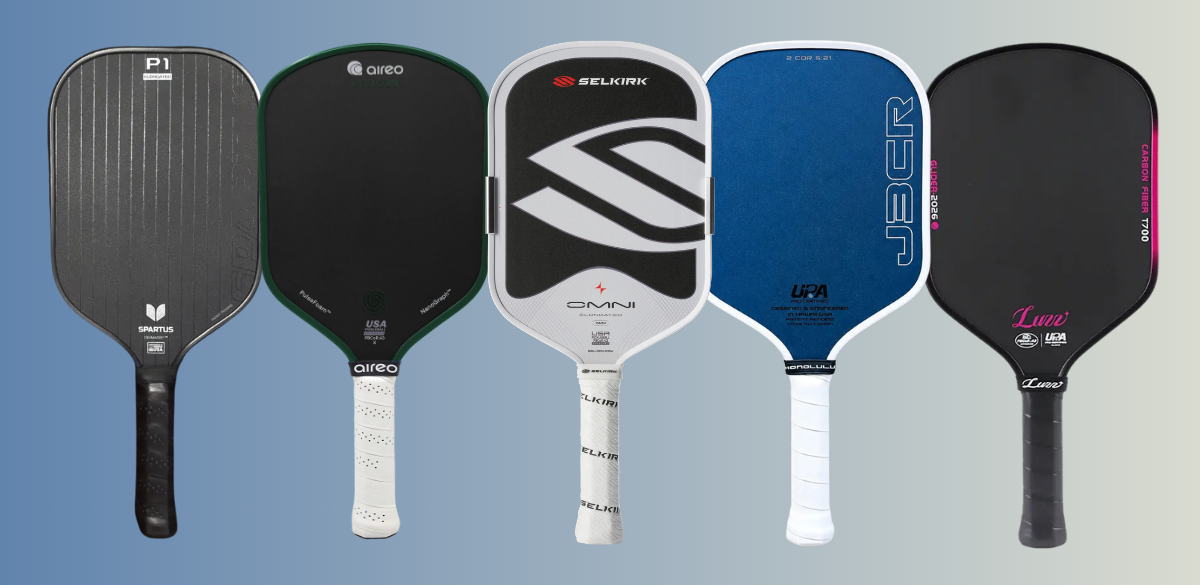
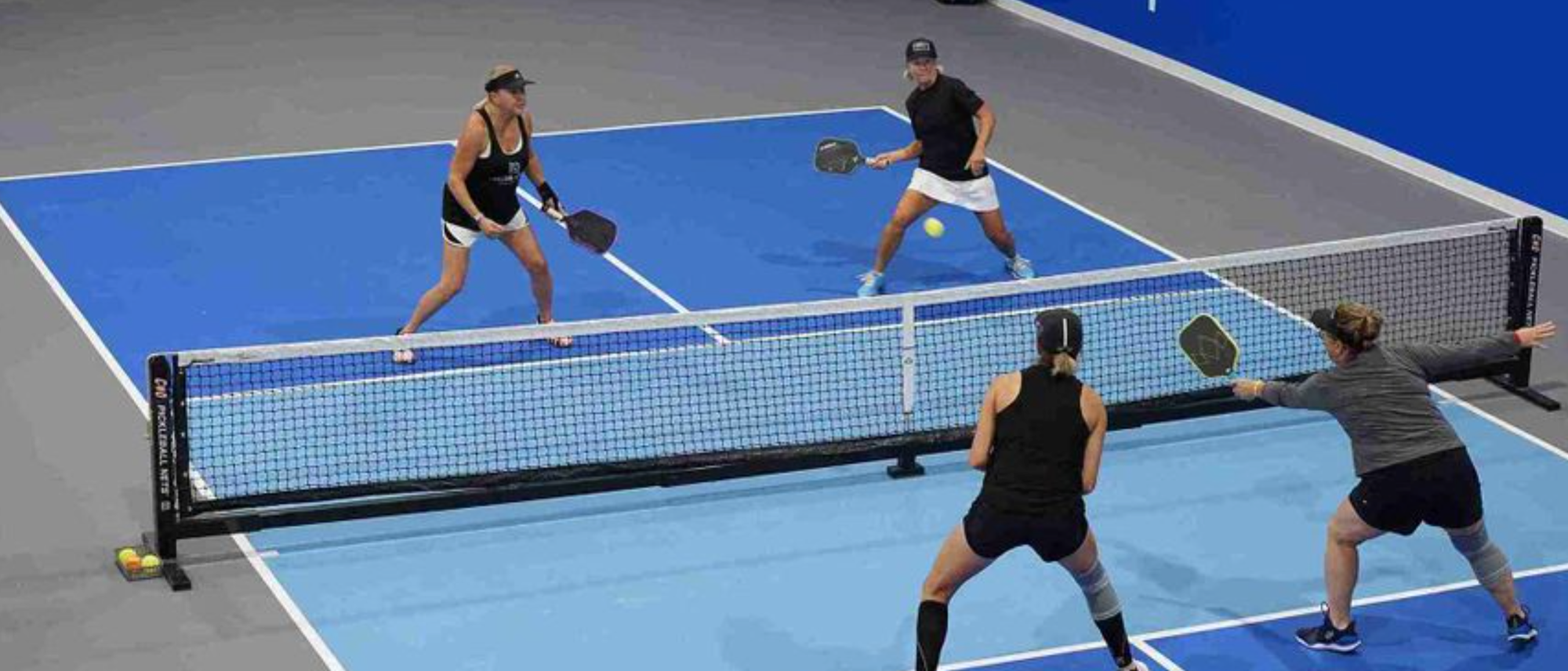
The Overwhelming World of Pickleball Paddle Selection
Shopping for a new pickleball paddle has become increasingly complex. With manufacturers releasing new models monthly and technology advancing rapidly, players face an endless array of choices that can make your head spin.
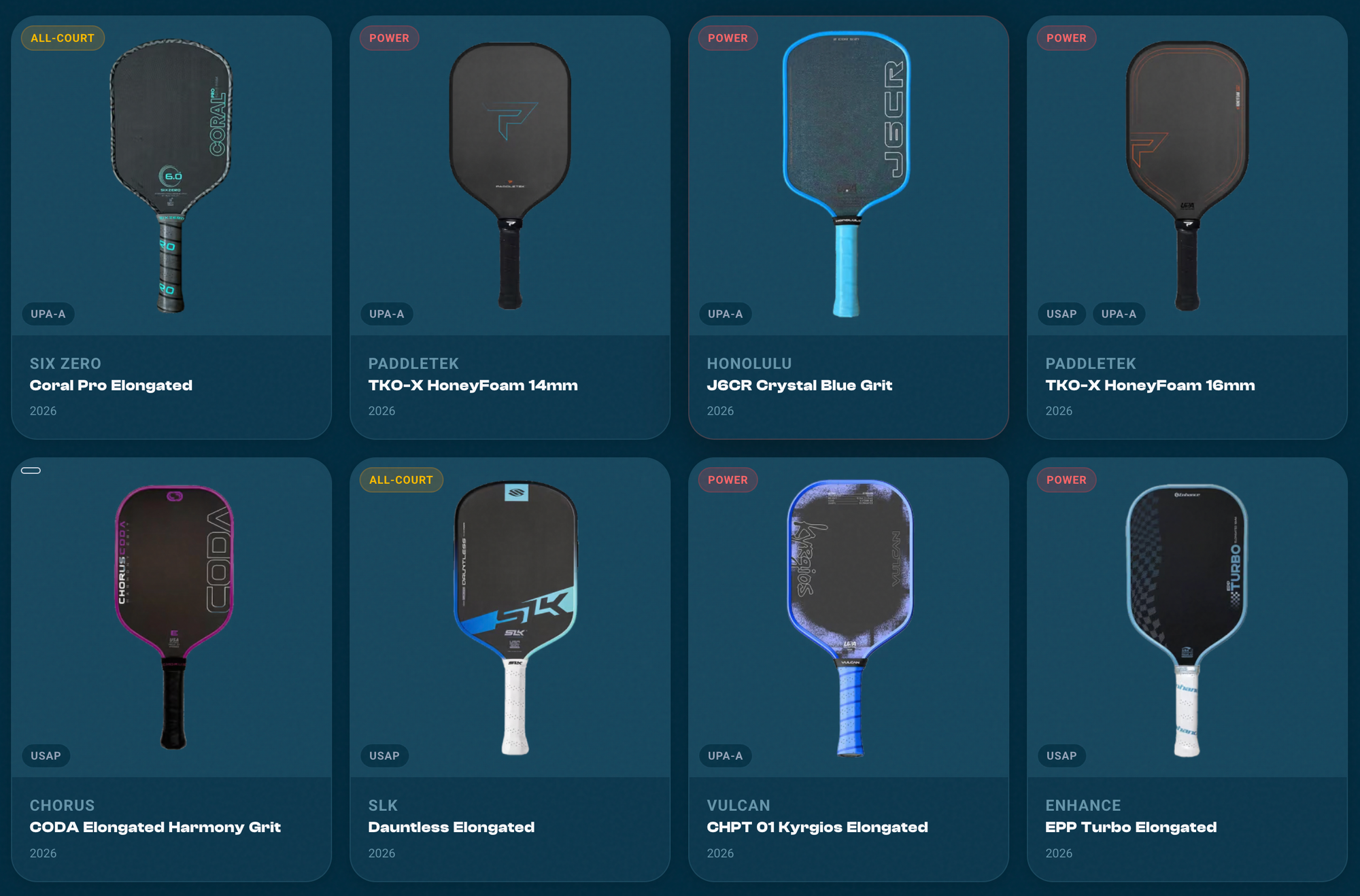
Consider the decision matrix facing today's paddle shoppers:
- Generation 3 versus Generation 4 technology
- Power-focused, control-oriented, or all-court versatility
- Elongated designs, hybrid shapes, or traditional widebody construction
- Handle lengths ranging from 5.3 inches to 5.5 inches and beyond
- Raw carbon fiber surfaces or newer composite materials
- Aerodynamic curved tops versus classic square edges
- Price points spanning from $100 budget options to $300+ premium models
- Core technologies like EPP, MPP, EVA, or innovative floating-core designs
The good news? This complexity signals that we're living in the golden age of paddle innovation. Never before have players had access to such diverse, high-quality equipment options.
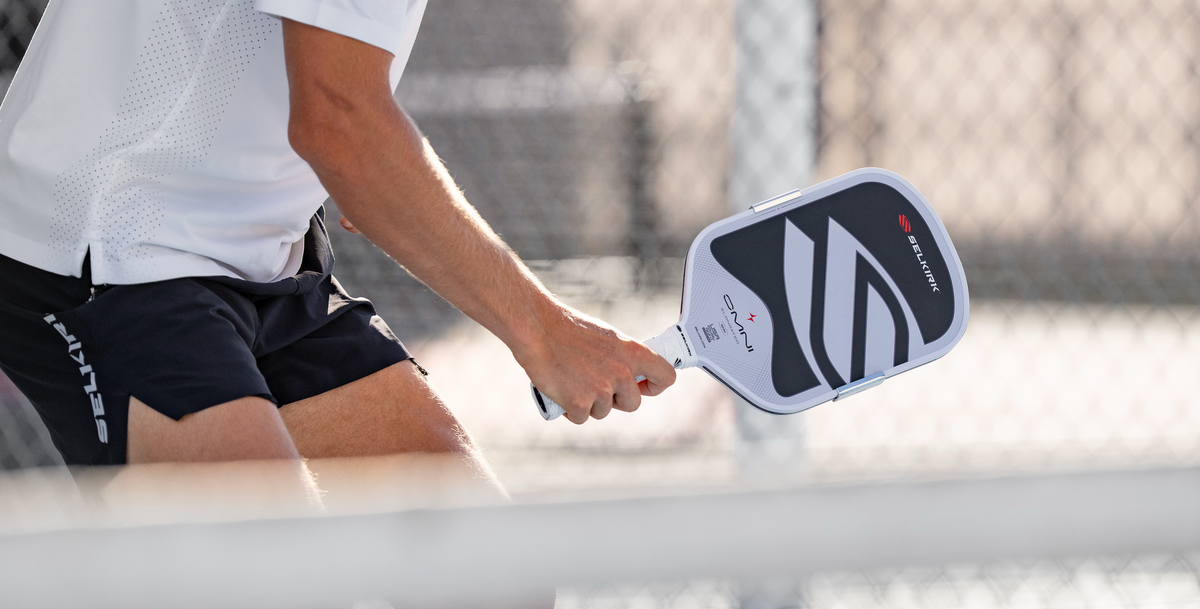
Why Paddle Databases Matter for Your Game
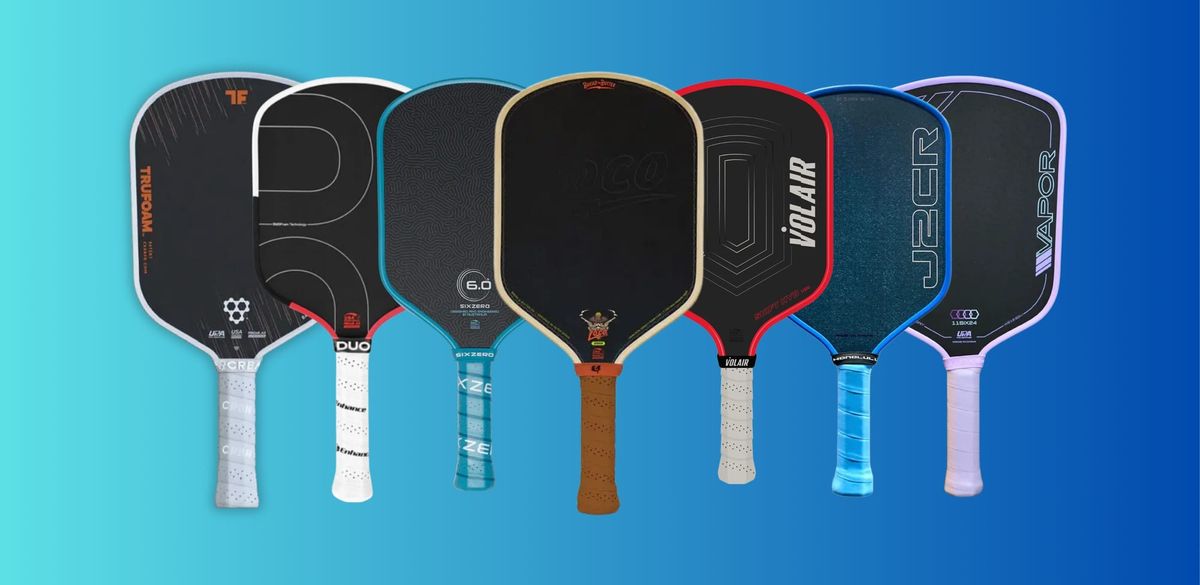
Rather than relying on marketing claims or random recommendations, smart players are turning to comprehensive paddle databases. These platforms aggregate technical specifications, user reviews, and professional testing data to help you make informed decisions.
The benefits of using paddle databases include:
- Objective comparisons: Side-by-side spec analysis removes marketing bias
- User feedback: Real player experiences provide practical insights
- Technical details: Access to weight, balance, and performance metrics
- Price tracking: Historical pricing data helps identify deals
Essential Features to Look for in Paddle Databases
The most valuable paddle databases share several key characteristics that make them indispensable research tools:
Comprehensive filtering systems allow you to narrow down options based on your specific requirements. Whether you prioritize weight, price range, or playing style, robust filters save time and eliminate unsuitable options.
Detailed specifications go beyond basic measurements to include core materials, surface textures, and construction methods. This technical information directly impacts on-court performance.
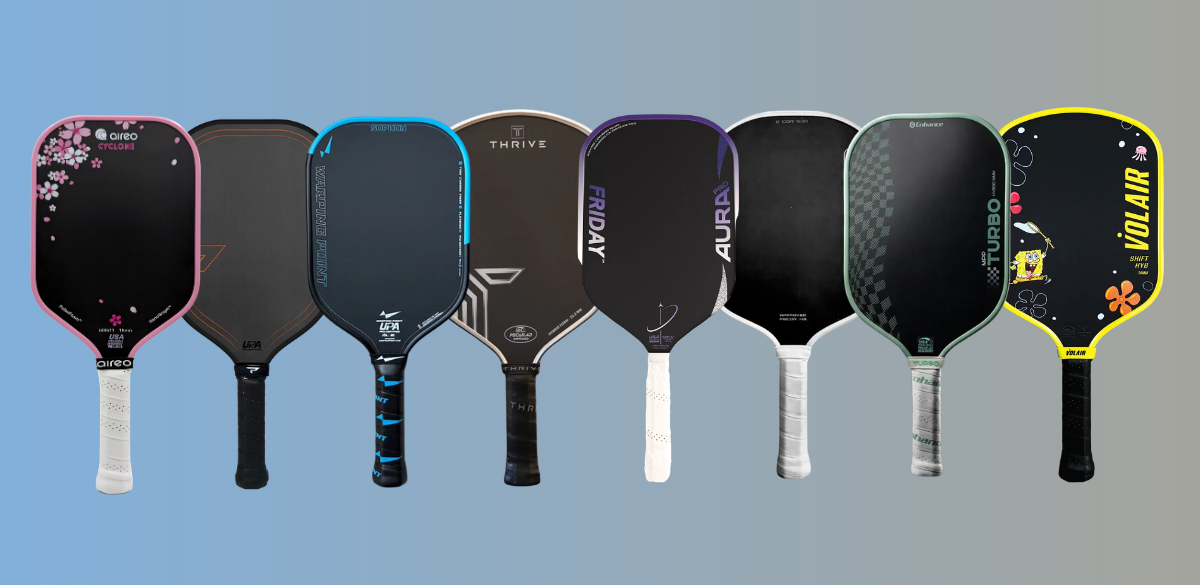
User review integration provides real-world feedback from players at various skill levels. These testimonials often reveal long-term durability issues or performance characteristics that aren't apparent in initial testing.
Regular updates ensure you're seeing the latest releases and current pricing information. The paddle market moves quickly, and outdated databases provide limited value.
Making the Most of Your Database Research
To maximize the effectiveness of your paddle database research, approach the process systematically:
Start with Self-Assessment
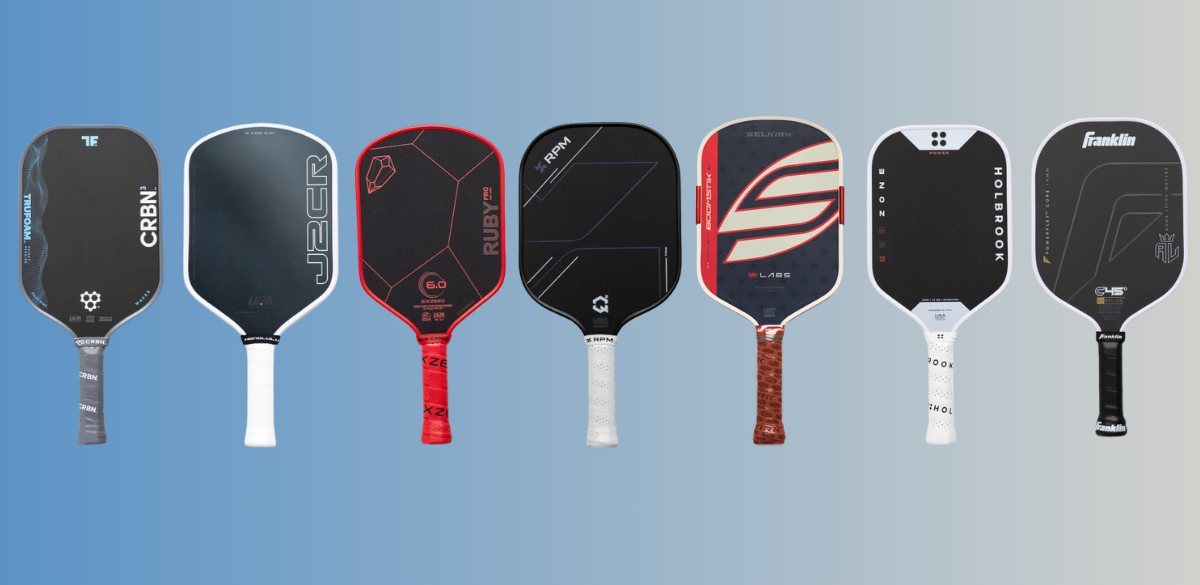
Before diving into specifications, honestly evaluate your current game. Are you a power player who needs control, or a finesse player seeking more pop? Do you prefer net play or baseline rallies? Understanding your style guides better database filtering.
Prioritize Your Must-Haves
Create a hierarchy of important features. Maybe weight is non-negotiable, but you're flexible on handle length. Perhaps budget is your primary constraint, with performance being secondary. Clear priorities help navigate overwhelming options.
Read Between the Lines
Marketing descriptions can be misleading. Focus on quantifiable metrics like weight distribution, surface roughness ratings, and verified user feedback rather than subjective claims about "explosive power" or "laser precision."
Beyond the Database: Additional Considerations
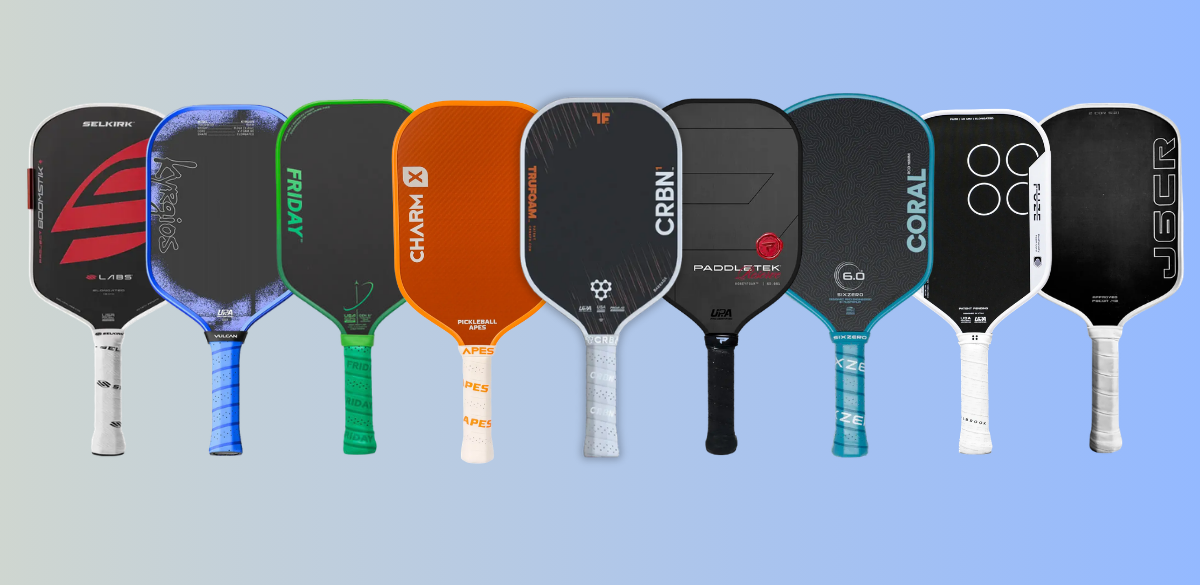
While databases provide excellent foundational research, remember that paddle selection involves personal factors that data can't capture:
Demo programs offered by manufacturers or local pro shops let you test paddles before purchasing. No amount of database research replaces actual on-court experience.
Playing partner feedback can provide valuable insights, especially from players whose games you respect and whose style resembles yours.
Professional guidance from certified instructors or experienced shop staff adds another layer of expertise to your decision-making process.
The Future of Paddle Selection
As the pickleball equipment market continues evolving, expect paddle databases to become even more sophisticated. Advanced filtering algorithms, AI-powered recommendations, and integration with wearable technology may soon revolutionize how players select equipment.
For now, leveraging existing databases represents your best strategy for cutting through marketing noise and finding a paddle that truly enhances your game.
Frequently Asked Questions
How often should I research new paddles if I'm happy with my current one?
Most players benefit from researching new options every 12-18 months, even if not actively shopping. Technology advances rapidly, and understanding current options helps you recognize when it's time to upgrade or what to look for when your current paddle needs replacement.
Can database research replace trying paddles in person?
Database research should complement, not replace, hands-on testing. Use databases to create a shortlist of 3-5 paddles that match your specifications, then demo those finalists whenever possible. The combination of data-driven research and personal experience yields the best results.
Are expensive paddles always better according to database metrics?
Price doesn't always correlate with performance or suitability for your game. Database research often reveals mid-priced paddles that outperform premium options in specific categories. Focus on specs that matter for your playing style rather than assuming higher price equals better performance.