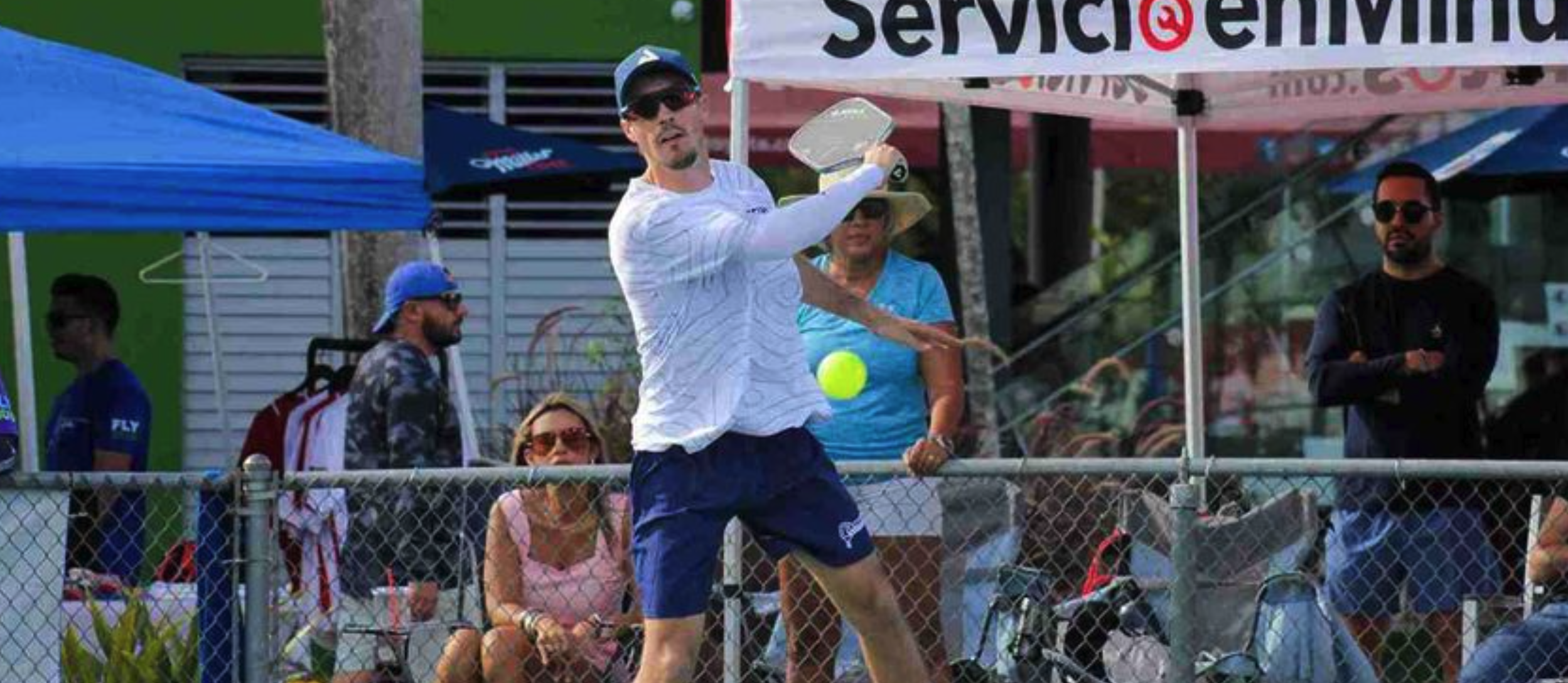
Arm pain and tennis elbow can sideline even the most passionate pickleball players. However, choosing the right paddle can make the difference between painful games and comfortable play. The best pickleball paddles for arm pain feature specific technologies and materials designed to minimize vibration and reduce strain on your elbow and forearm. Let's explore how the right equipment can keep you playing pain-free.
Understanding Arm Pain in Pickleball
Tennis elbow (lateral epicondylitis) affects up to 15% of recreational racquet sport players. In pickleball, repetitive swinging motions and paddle vibrations can aggravate this condition or create new arm pain issues.
The primary causes include:
- Paddle vibration: Harsh vibrations travel up your arm with each ball contact
- Improper weight distribution: Head-heavy paddles strain your elbow during swings
- Poor shock absorption: Stiff paddles transfer more impact to your arm
- Grip issues: Wrong grip size forces you to squeeze harder, increasing tension
Understanding these factors helps you select paddles that minimize strain. Our paddle reviews consistently evaluate these comfort features alongside performance metrics.
Key Features to Look for in Arm-Friendly Paddles
When shopping for paddles to reduce arm pain, prioritize these essential characteristics:
Vibration Dampening Technology
Look for paddles with built-in vibration dampening systems. These may include foam cores, specialized polymer materials, or integrated dampening layers that absorb shock before it reaches your arm.
Optimal Weight and Balance
Lighter paddles (7.0-7.8 oz) reduce overall strain, while proper balance prevents your arm from working overtime. Avoid extremely head-heavy paddles that can torque your wrist and elbow.
- Light weight: 7.0-7.8 ounces
- Even balance: Balanced or slightly head-light
- Comfortable swing weight: Easy maneuverability
Proper Grip Sizing
The correct grip circumference (typically 4⅛" to 4½") allows relaxed holding without excessive squeezing. Too small forces overgripping; too large strains your forearm muscles.
Top Paddle Recommendations for Arm Pain Relief
Based on extensive testing and player feedback, these paddles excel at reducing arm strain while maintaining competitive performance:
Premium Comfort Options
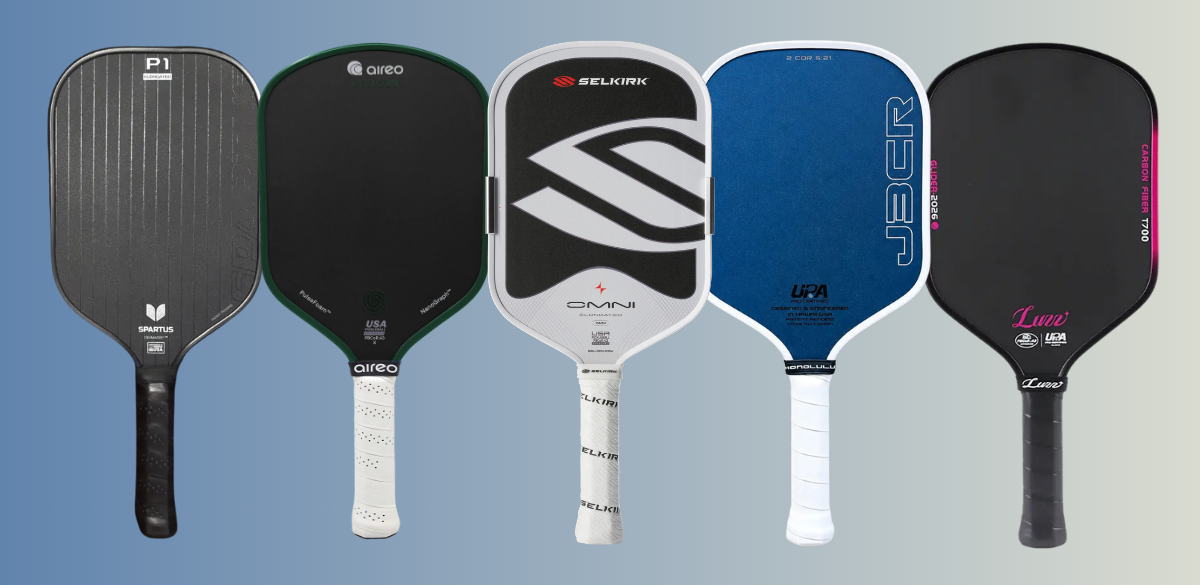
High-end paddles often feature the most advanced vibration dampening technologies. The Sypik Triton 5 Pro stands out with its excellent shock absorption and comfortable feel, making it a top choice for players dealing with arm issues.
Other excellent premium options include:
- JOOLA Ben Johns Hyperion: Advanced polymer core with vibration control
- Selkirk Vanguard Power Air: Lightweight with excellent dampening
- Paddletek Tempest Wave Pro: Superior comfort technology
Mid-Range Comfort Paddles
You don't need to break the bank for arm-friendly features. These mid-range options provide excellent comfort:
- ONIX Graphite Z5: Classic comfort with proven dampening
- HEAD Extreme Elite: Comfortable polymer core construction
- Wilson Energy Pro: Balanced weight with good vibration control
Check our comprehensive rankings for detailed comparisons of comfort features across all price ranges.
Additional Strategies to Reduce Arm Pain
While the right paddle is crucial, combining equipment changes with proper technique and conditioning maximizes your comfort on the court.
Technique Improvements
Poor technique amplifies arm strain regardless of your paddle choice. Focus on:
- Relaxed grip: Hold firmly but don't death-grip your paddle
- Smooth swings: Avoid jerky, aggressive motions
- Proper form: Use your whole body, not just your arm
- Follow through: Complete your swings naturally
Practice these fundamentals using our drill planner to develop muscle memory for arm-friendly techniques.
Physical Preparation
Strengthen and stretch your arm muscles to prevent future issues:
- Forearm stretches: Before and after play
- Strengthening exercises: Build supporting muscle groups
- Proper warm-up: Gradually prepare your arms for play
- Ice after play: Reduce inflammation if pain occurs
When to Seek Professional Help
While equipment changes help significantly, persistent arm pain requires professional attention. Consider consulting a sports medicine doctor or physical therapist if:
- Pain persists despite equipment and technique changes
- Symptoms worsen or interfere with daily activities
- You experience numbness or tingling
- Pain occurs even when not playing pickleball
Early intervention prevents minor issues from becoming chronic problems that could sideline you permanently.
Frequently Asked Questions
What paddle weight is best for tennis elbow?
Paddles weighing 7.0-7.8 ounces typically work best for tennis elbow sufferers. Lighter paddles reduce overall strain on your arm muscles and joints. However, extremely light paddles (under 7.0 oz) may require more effort to generate power, potentially increasing strain. Find the sweet spot where the paddle feels substantial but not heavy.
Do polymer core paddles reduce vibration better than honeycomb cores?
Generally yes, polymer cores provide superior vibration dampening compared to honeycomb cores. Polymer materials naturally absorb more shock and create a softer feel at ball contact. However, modern honeycomb cores with dampening treatments can also provide excellent comfort. The specific construction and materials matter more than the core type alone.
Can changing my grip size help with arm pain?
Absolutely. An incorrectly sized grip forces you to squeeze harder, increasing forearm tension and potentially worsening arm pain. Measure your grip size properly: hold the paddle naturally and ensure you can fit your opposite index finger between your fingertips and palm. Most players need grips between 4⅛" and 4½" circumference.