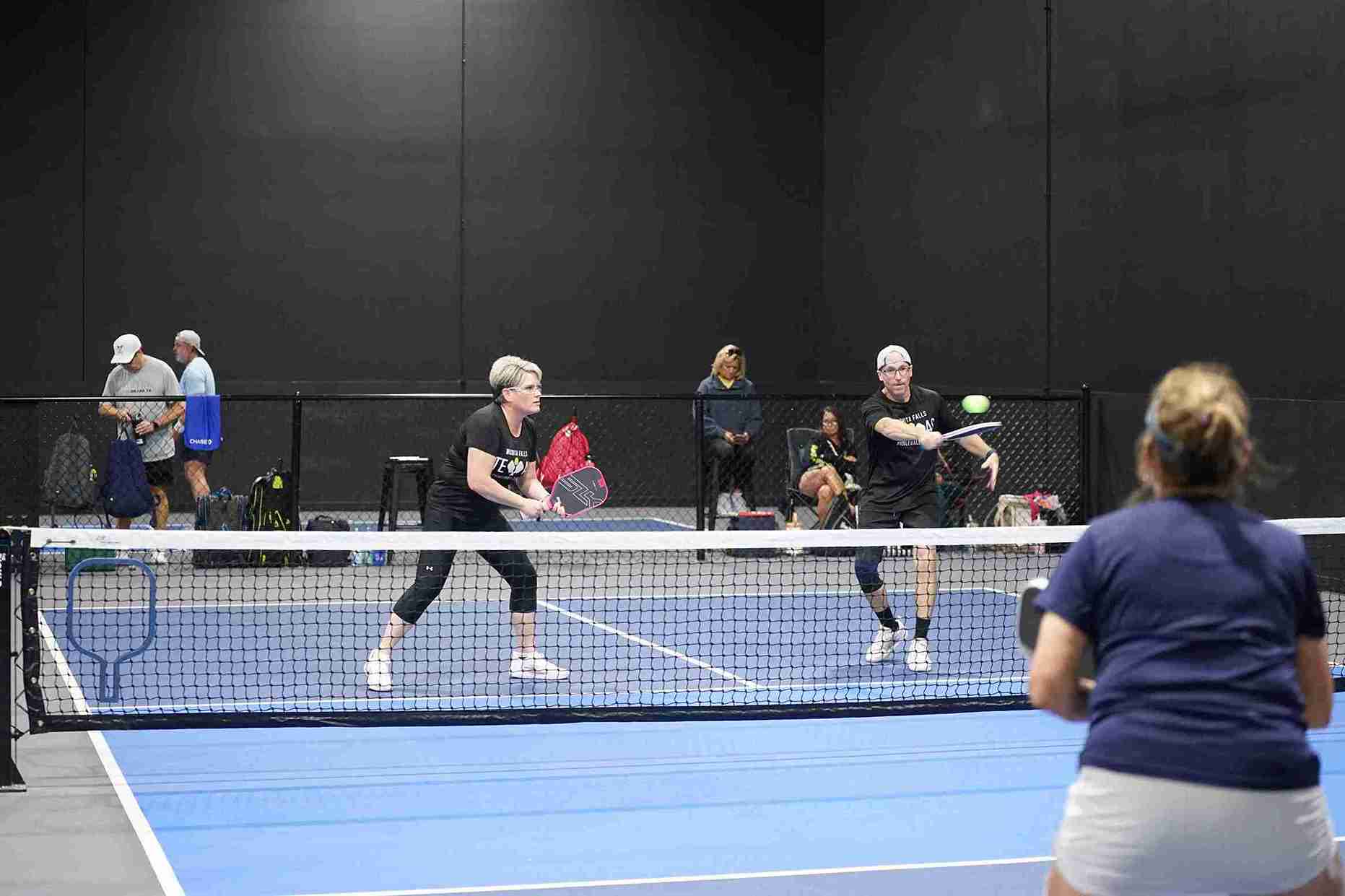
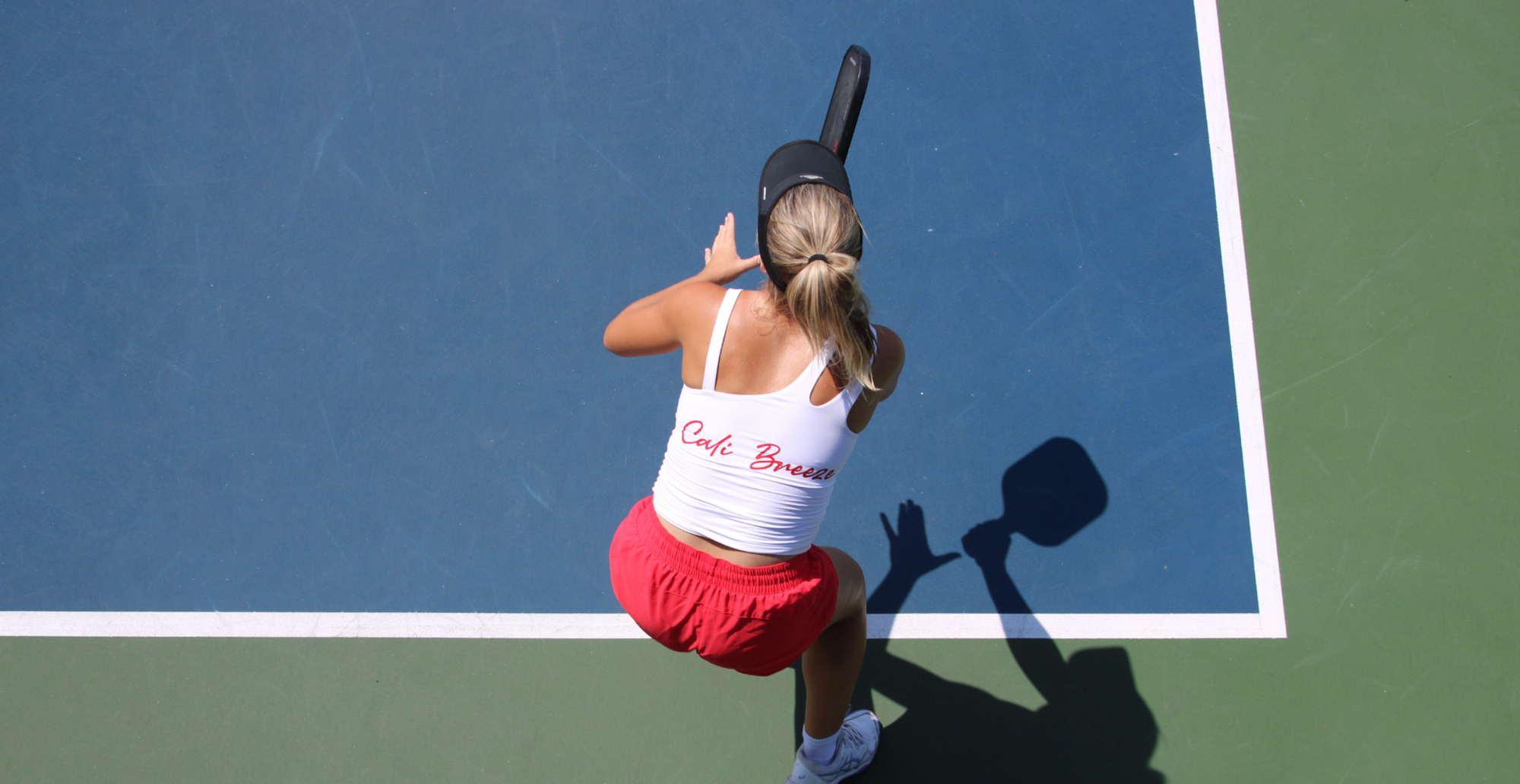
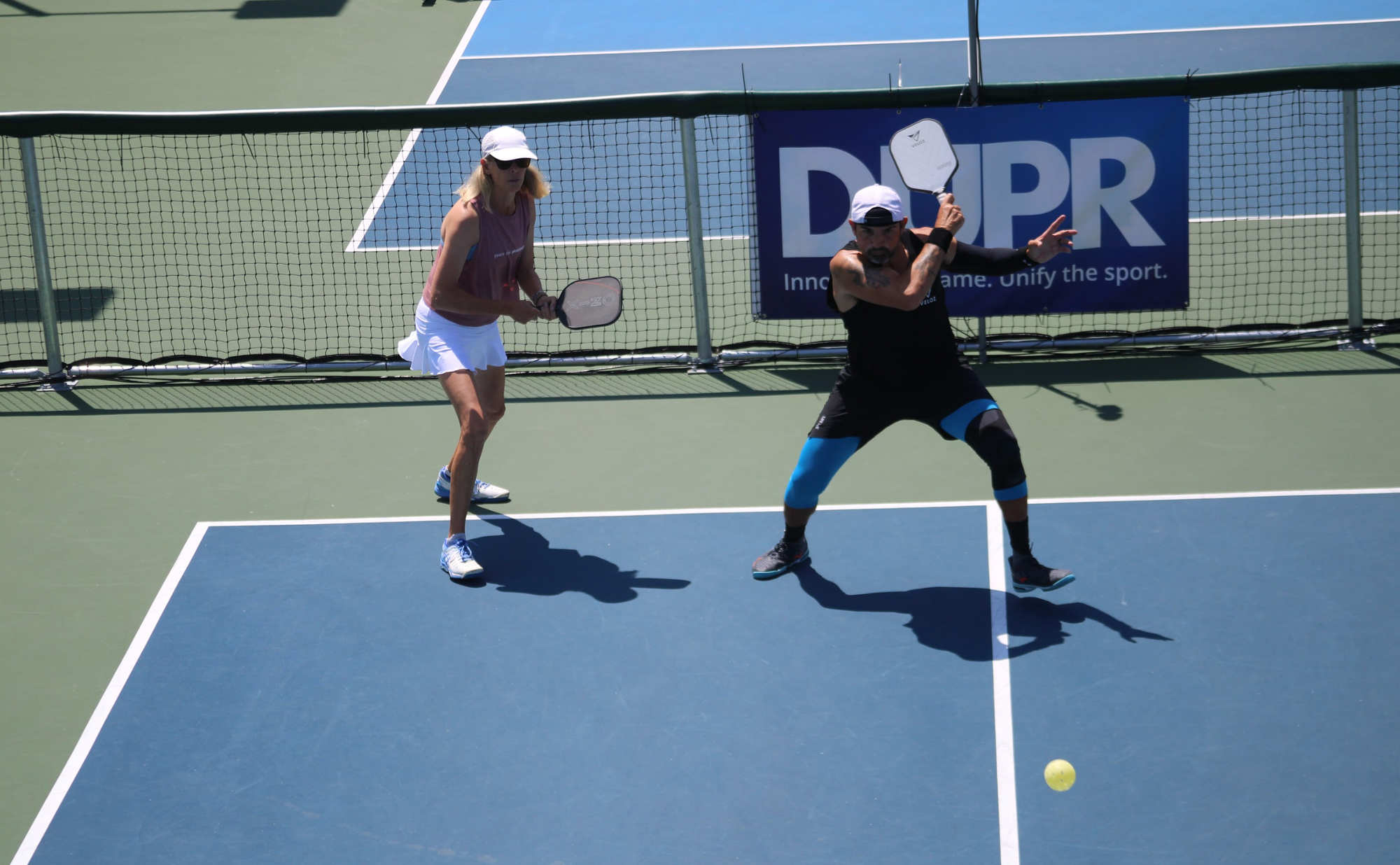
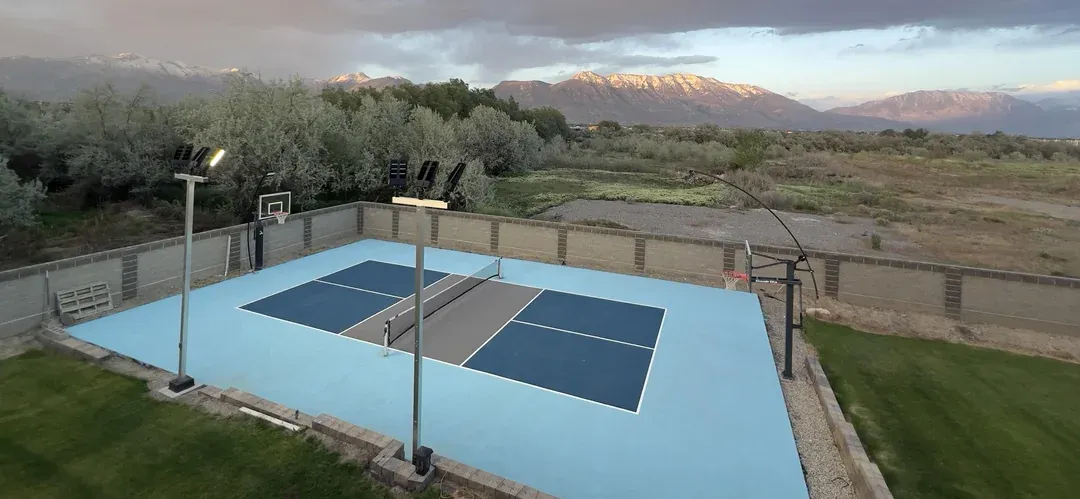
The dreaded 4.0 ceiling in pickleball claims more players than any other skill plateau in the sport. You've mastered the basics, your shots look solid, yet something invisible keeps you from that next level breakthrough.
Here's the truth most coaches won't tell you: your technique probably isn't the problem. The barrier between 3.5 grinding and true 4.0 play lies in your tactical brain, not your stroke mechanics.
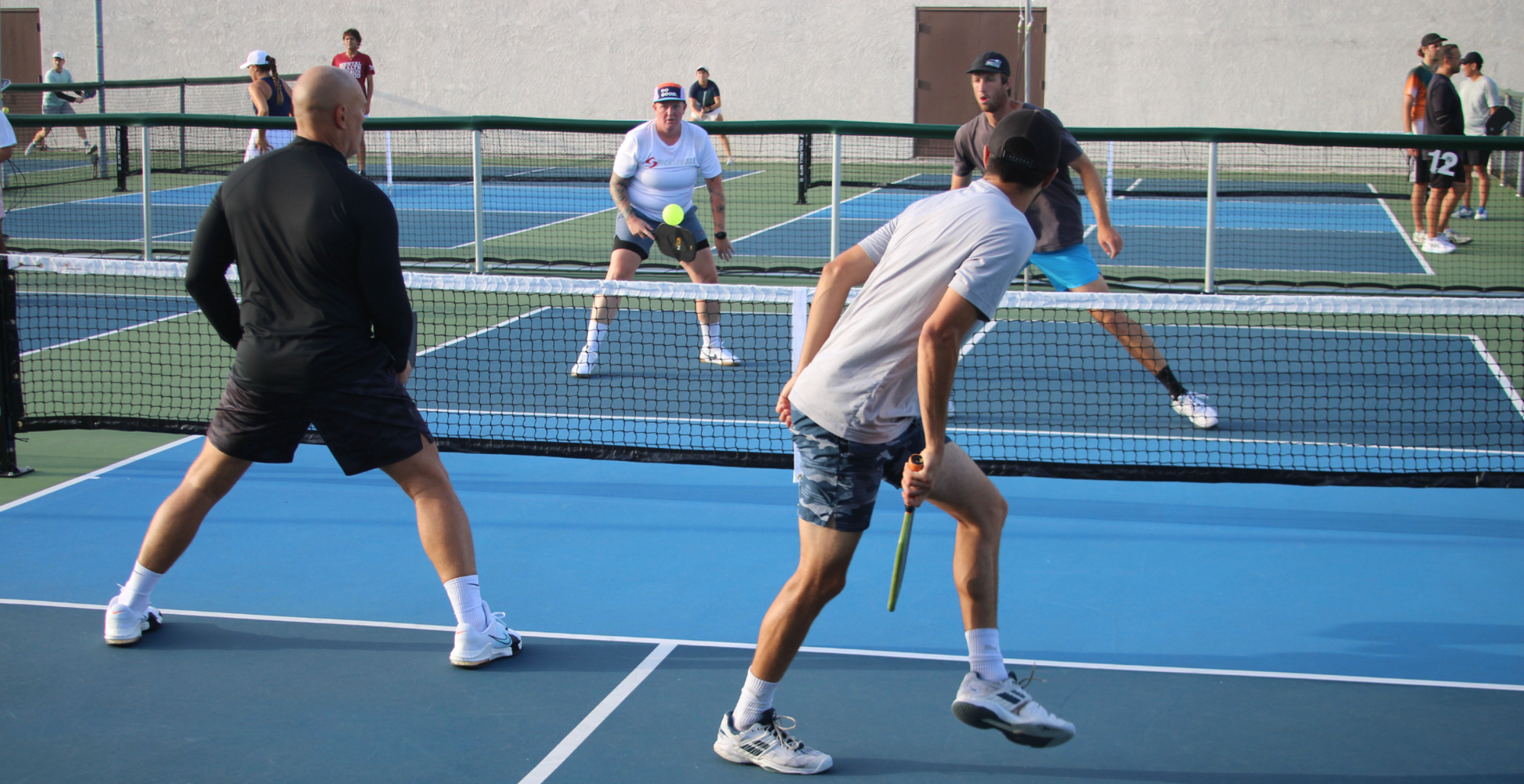
Why Technical Skills Aren't Enough
By the time you reach solid 3.5 level, you've developed reliable groundstrokes, a decent serve, and can execute third shot drops under pressure. Your muscle memory works. Your fundamentals are sound.
Yet you're still losing to players whose shots don't look any better than yours. Why? Because they're playing chess while you're playing checkers.

The leap to 4.0 requires three critical mental upgrades that most players never develop:
- Pattern recognition - Reading opponent tendencies and court positioning
- Decision-making speed - Choosing the right shot for each situation instantly
- Tactical patience - Building points instead of hunting for winners
The Decision-Making Gap
Watch a 3.5 player during a rally. They're focused on executing their next shot correctly. Watch a 4.0 player in the same situation - they're already thinking two shots ahead while simultaneously reading their opponent's body language.

This decision-making gap shows up most clearly in these common scenarios:
The Third Shot Trap
Everyone tells 3.5 players to work on their third shot drop. But the real question isn't whether you can hit the shot - it's knowing when NOT to hit it. Advanced players recognize when a drive or lob is the better tactical choice.

Kitchen Line Positioning
Most plateau players think kitchen play is about better dinks. Actually, it's about understanding spacing, angles, and when to create or defend different court positions. The shot selection flows from tactical understanding, not the other way around.
Building Pattern Recognition
True 4.0 players don't just react to what's happening - they anticipate what's coming next based on patterns they've internalized through thousands of points.
Start developing this tactical awareness by studying these key patterns:
- Opponent tendencies - Where do they go under pressure?
- Court geometry - Which angles create the most problems?
- Momentum shifts - What causes rallies to change direction?
During practice, spend less time drilling perfect shots and more time playing situational games that force quick tactical decisions.
The Patience Problem
Perhaps the biggest difference between levels is tactical patience. Intermediate players often have good shots but terrible shot selection. They rush for winners instead of building winning positions.
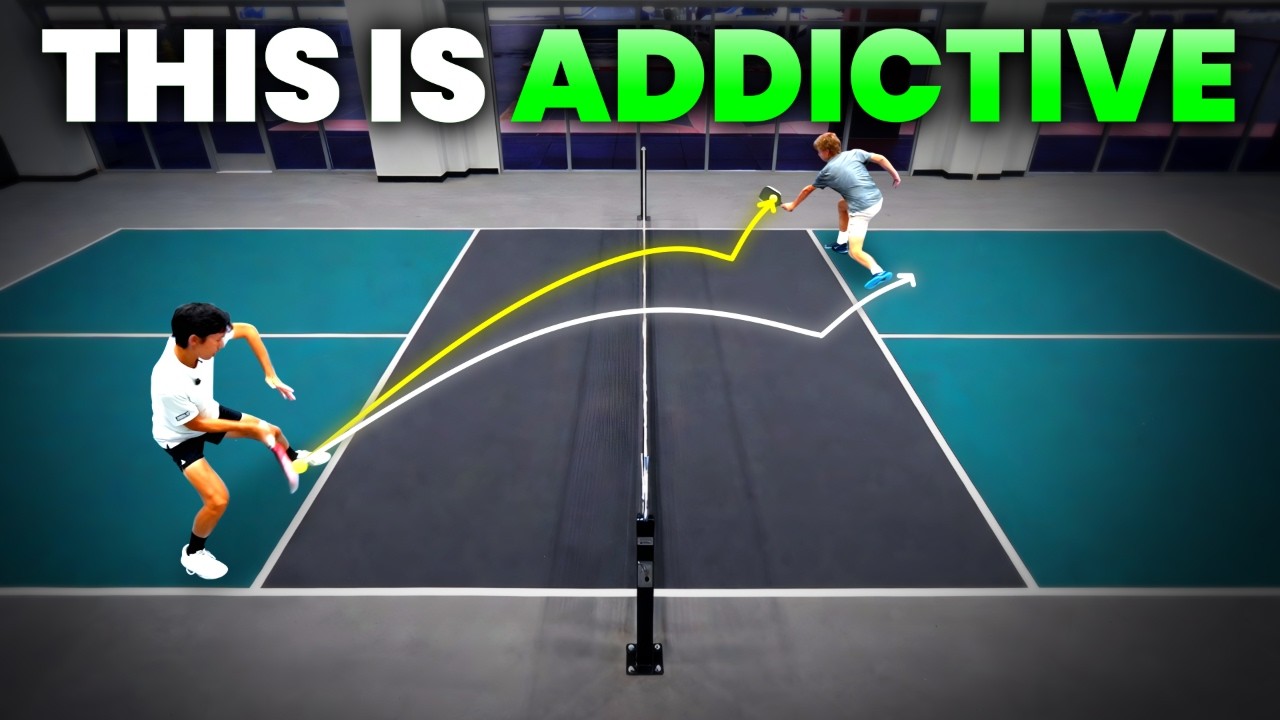
Advanced players understand that most points are won through opponent errors, not spectacular winners. They're comfortable hitting five, six, seven setup shots to create one genuine opportunity.
This patience extends to the mental game as well. They don't panic when down 8-3. They stick to their tactical plan even when shots aren't falling perfectly.
Practical Steps to Level Up
Ready to break through that ceiling? Focus your training on these tactical elements:
- Study your losses - Identify patterns in when and why you lose points
- Practice decision drills - Work scenarios with multiple correct shot options
- Watch higher-level play - Focus on shot selection, not shot execution
- Play up whenever possible - Your tactical IQ grows faster against better competition
Remember, the jump to 4.0 isn't about hitting harder or more accurately. It's about thinking faster, recognizing patterns quicker, and making smarter decisions under pressure.
Your strokes will continue improving naturally through play. But your tactical brain needs intentional development to break through that stubborn ceiling once and for all.
Frequently Asked Questions
How long does it typically take to break the 4.0 plateau?
With focused tactical training, most players see breakthrough within 3-6 months. However, those who only work on technique often remain stuck for years without addressing the mental game aspects.
Should I still work on my technique while developing tactical skills?
Absolutely, but shift your ratio. Spend 70% of practice time on tactical situations and decision-making, with 30% on stroke refinement. Most plateau players do the opposite.
What's the best way to practice pattern recognition?
Play situational games and drills that force quick decisions. Also, watch video of your matches to identify patterns in your opponents' tendencies and your own decision-making mistakes.