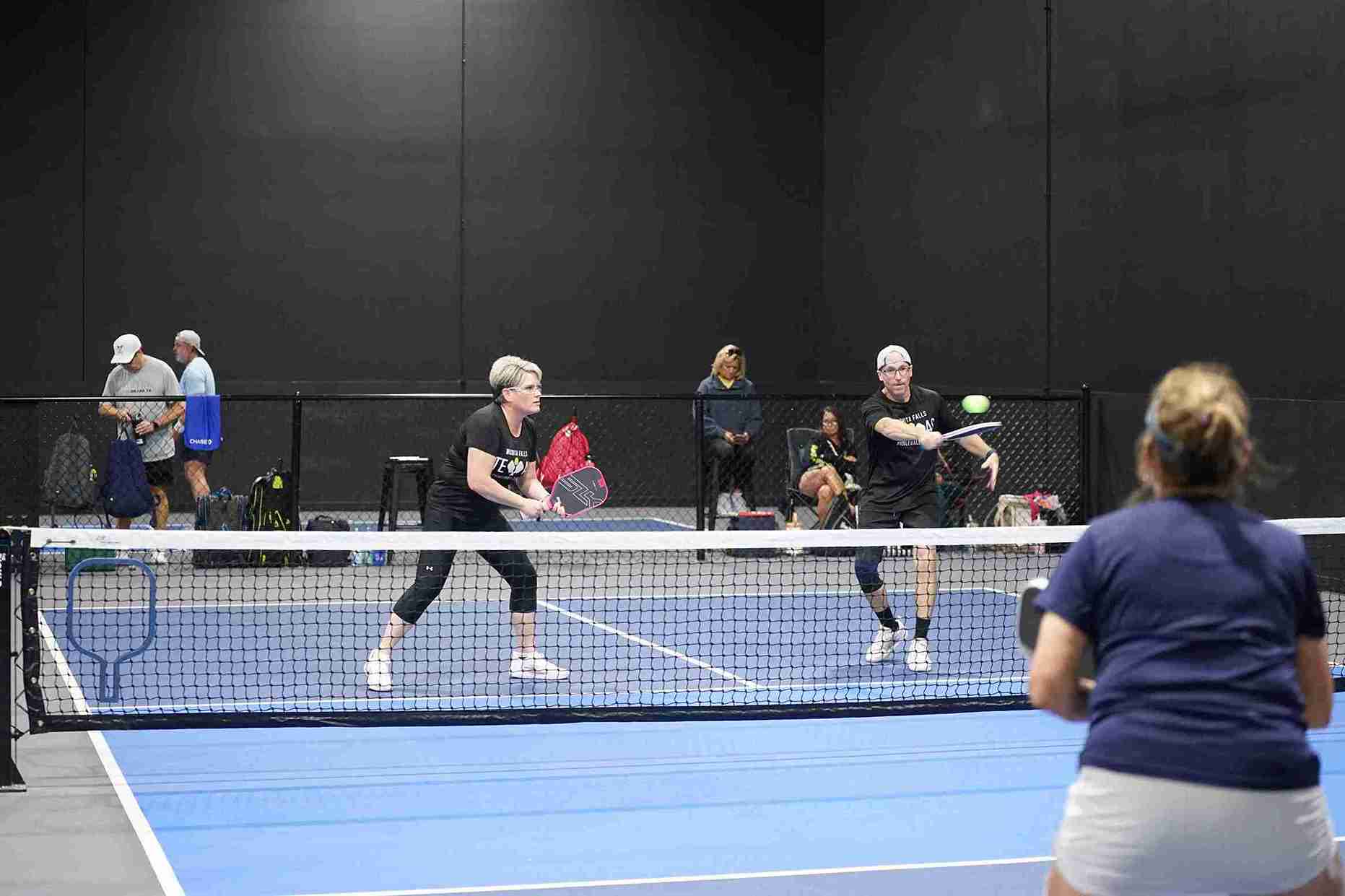
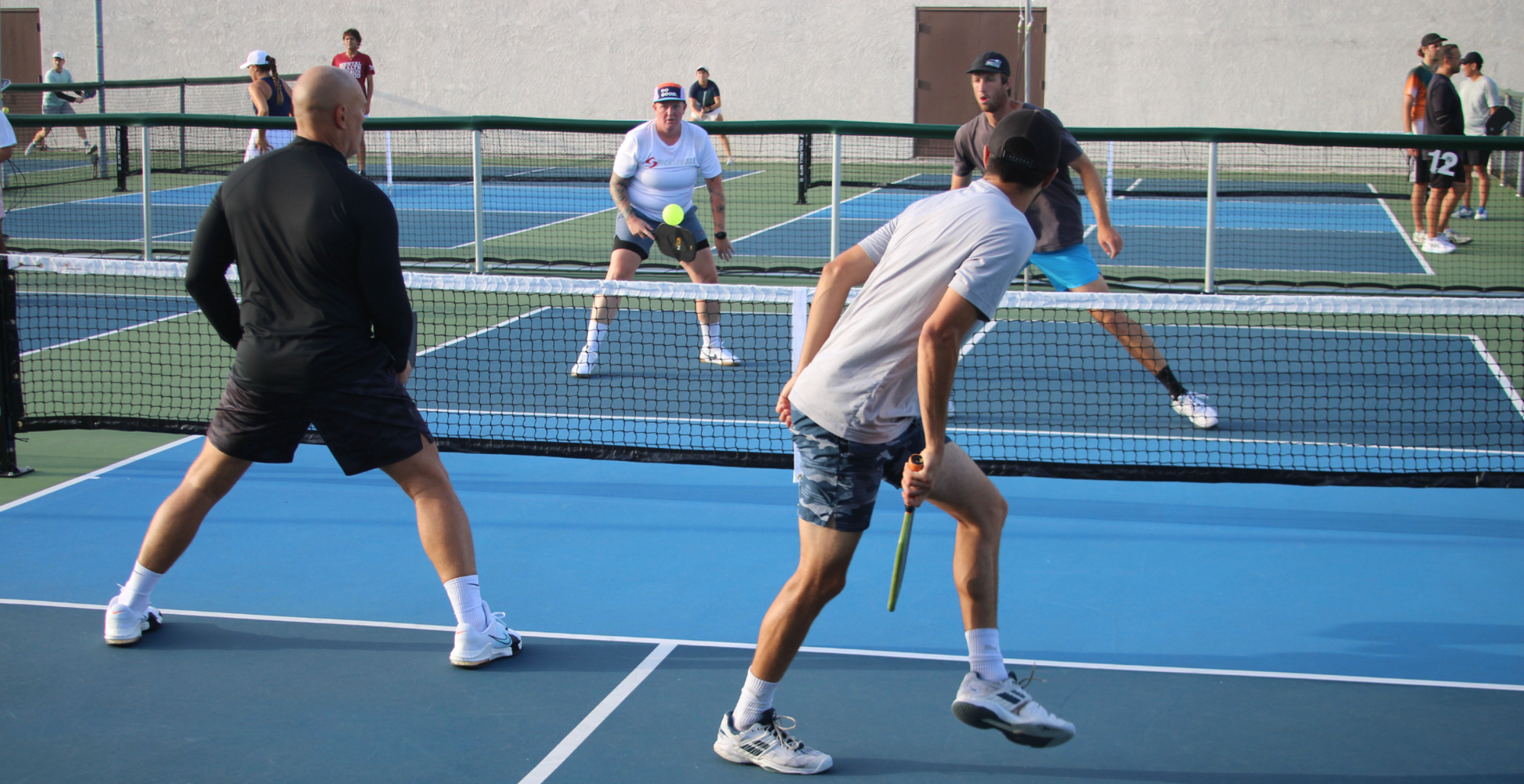
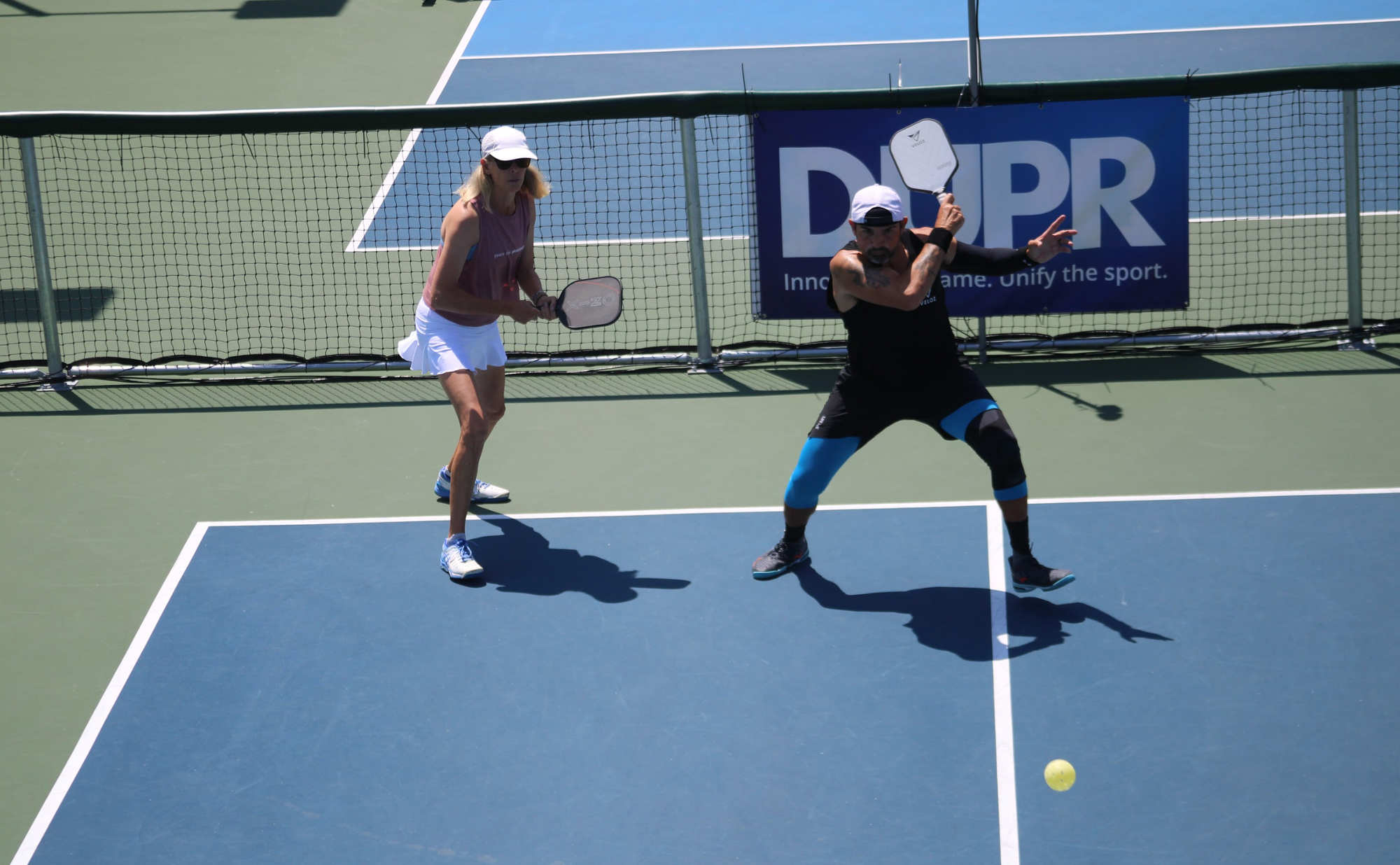
The third shot drop might get all the attention, but what happens next determines whether you win or lose the point. Moving to the kitchen line after executing your drop shot is where champions separate themselves from recreational players.
Too many players hit a perfect third shot drop and then stand frozen at the baseline, watching their advantage evaporate. The real magic happens when you combine that drop shot with smart forward movement that puts pressure on your opponents.
Why Kitchen Line Movement Matters
Staying at the baseline after your third shot drop is like throwing a punch and then dropping your guard. You've created an opportunity, but you're not capitalizing on it. Players who master the transition to the kitchen line control rallies, force errors, and dictate the pace of play.
The kitchen line offers several tactical advantages: shorter reaction times for your opponents, better angles for winning shots, and the ability to apply constant forward pressure. When you're camped at the baseline, you're playing defense even when you should be attacking.
Reading Your Third Shot Drop
Not every third shot drop creates the same opportunity for advancement. The quality of your drop determines your movement strategy, and reading this correctly is crucial for successful transitions.
Perfect Drop Execution
When your third shot drop lands soft and low in the kitchen, you can begin moving forward immediately. This forces your opponents into a difficult up-shot, giving you time to advance while they're focused on ball contact.
Mediocre Drop Recovery
If your drop shot sits up slightly or lands mid-court, take 2-3 steps forward but prepare for a more aggressive return. You're still improving your position without overcommitting to a vulnerable advance.
Poor Drop Damage Control
When your third shot drop fails completely, stay put or even back up slightly. A high, attackable ball means your opponents will likely drive aggressively, and you need court space to defend.
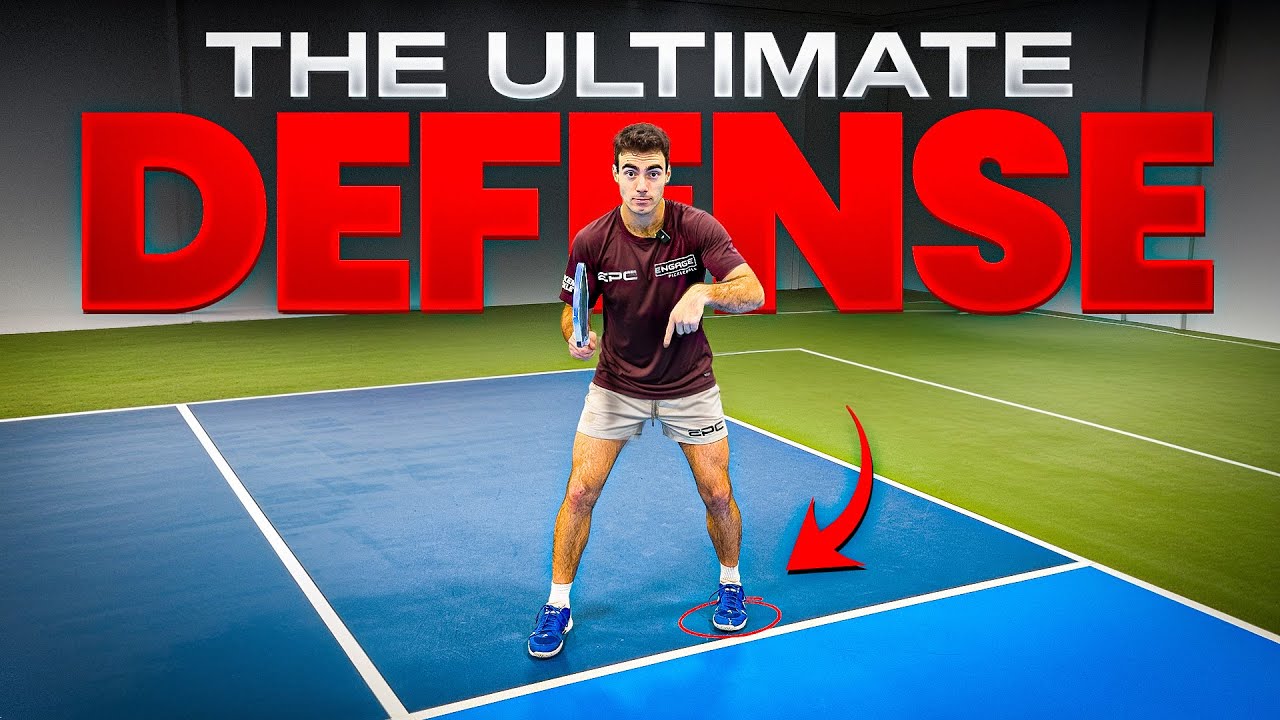
Footwork Fundamentals for Forward Movement
Proper footwork during your kitchen line transition can mean the difference between reaching your destination safely and getting caught in no-man's land.
The Split-Step Timing
Execute a small split-step as your opponents make contact with your drop shot. This athletic position allows you to react quickly whether you need to continue forward, move laterally, or defend against an aggressive return.
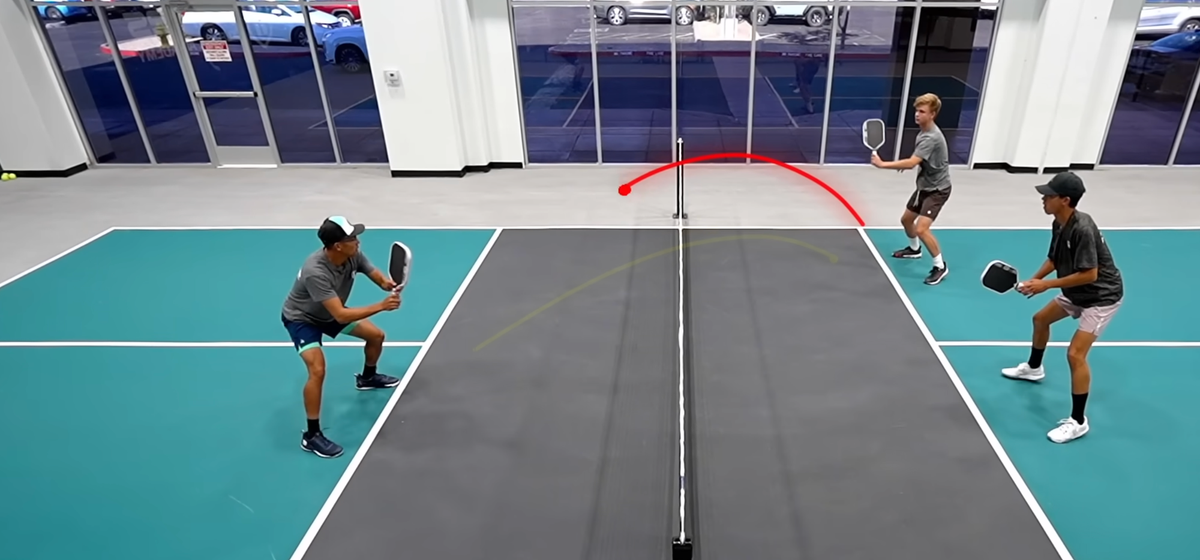
Controlled Advancement
Move forward in measured steps rather than sprinting toward the kitchen line. Keep your paddle up and ready, maintaining balance throughout your approach. Quick, shuffling steps allow for better reaction time than long strides.
Positioning at the Kitchen Line
Reaching the kitchen line is only the beginning. Your positioning and preparation once you arrive determine whether you can capitalize on your improved court position.
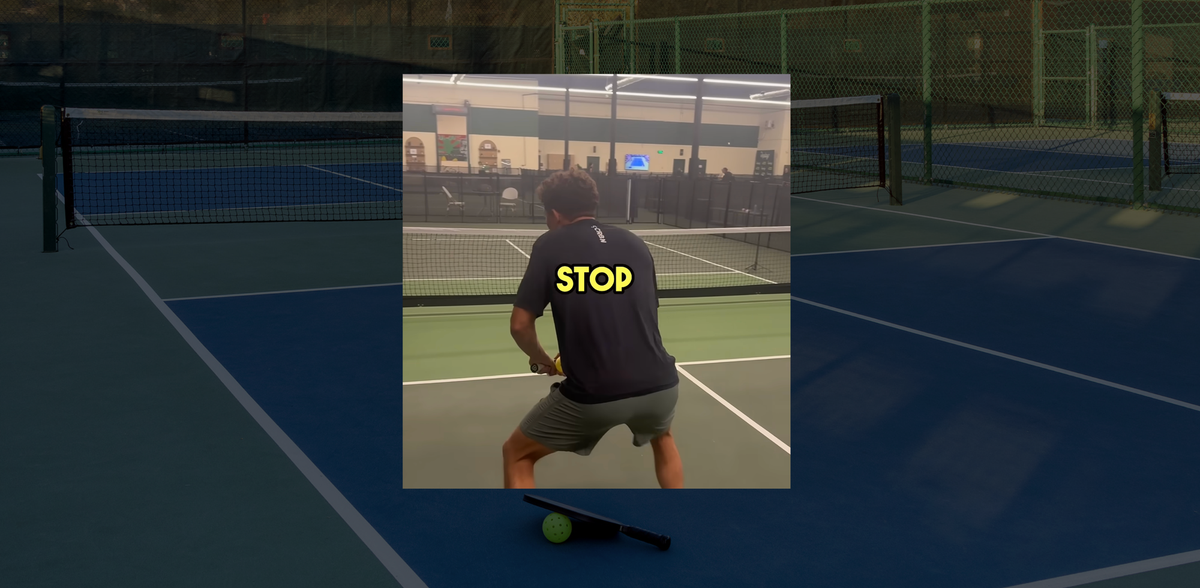
Optimal Spacing
Position yourself approximately 12-18 inches behind the kitchen line, not right on top of it. This gives you room to step forward for aggressive volleys while avoiding foot fault violations on your more defensive shots.
Paddle Positioning
Keep your paddle at chest height with the face slightly angled upward. This ready position allows for quick reactions to both low dinks and higher attacking shots from your opponents.
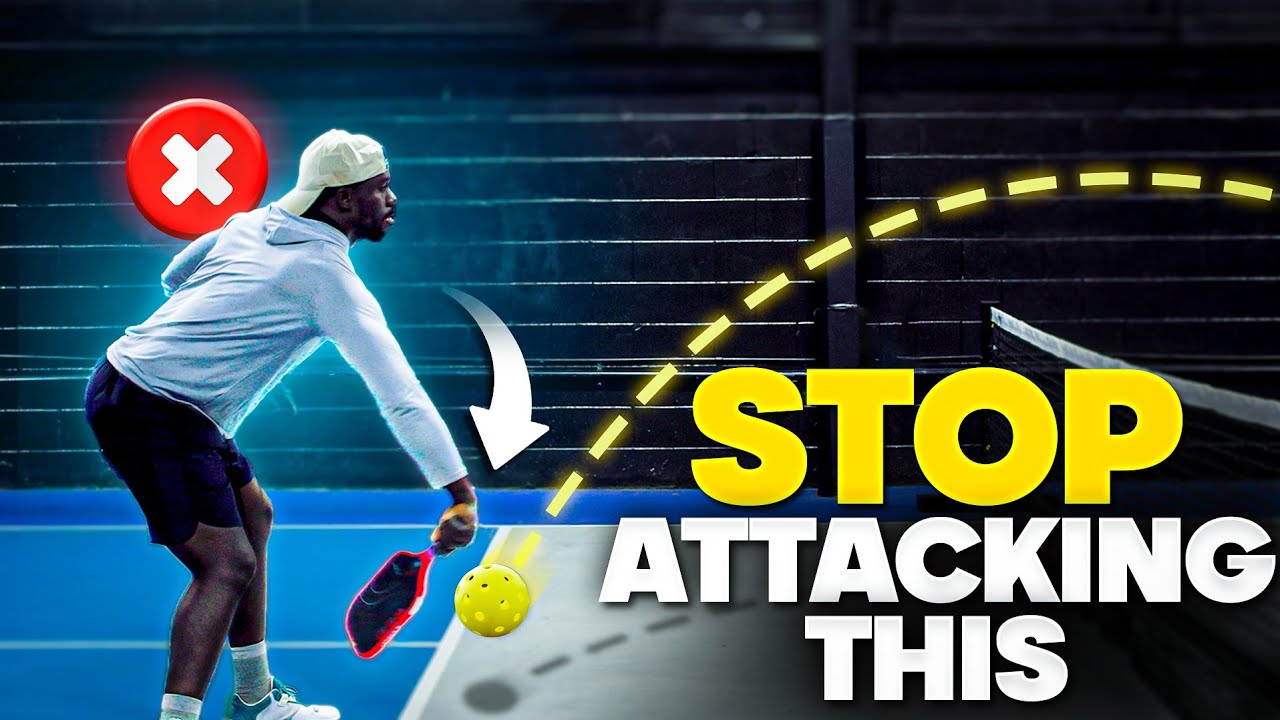
Common Transition Mistakes
Even experienced players make critical errors during their kitchen line transitions. Avoiding these mistakes will immediately improve your success rate.
Moving too early exposes you to aggressive drives before you can react. Moving too late allows your opponents to establish their own kitchen line dominance. The key is reading your drop shot quality and timing your movement accordingly.
Another frequent error is moving with your head down, focused on your feet instead of tracking the ball and your opponents' positioning. Keep your eyes up and maintain awareness throughout your transition.
Practice Drills for Better Transitions
Mastering kitchen line movement requires specific practice beyond just hitting third shot drops. Work on combination drills that include the drop shot, forward movement, and first volley as one fluid sequence.
Practice with a partner who varies their return quality, forcing you to make real-time decisions about your advancement. This develops the court sense needed for match situations.
FAQ
How quickly should I move to the kitchen line after my third shot drop?
Begin your forward movement immediately after hitting a quality drop shot, but control your speed based on the shot's effectiveness. Take 2-3 steps initially, then adjust based on your opponents' response.
What if my opponent hits an aggressive return while I'm moving forward?
Stop your forward progress and prepare to defend. Use your split-step to react quickly, and don't be afraid to back up if necessary. A tactical retreat is better than getting caught off-guard in transition.
Should both players move to the kitchen line simultaneously?
Generally yes, but maintain proper spacing between partners. The player who hit the third shot drop often leads the advance, with their partner following based on the quality of the opponents' return.