Starting your pickleball journey can feel intimidating when you're faced with a rulebook full of unique terms and regulations. But here's the truth: pickleball rules are built around just a few key principles that become second nature once you understand them.
The biggest mistake new players make is trying to memorize every single rule instead of focusing on the core concepts that actually matter during play. Let's break down the essential rules that will get you playing confidently right away.
The Court Layout and Zones
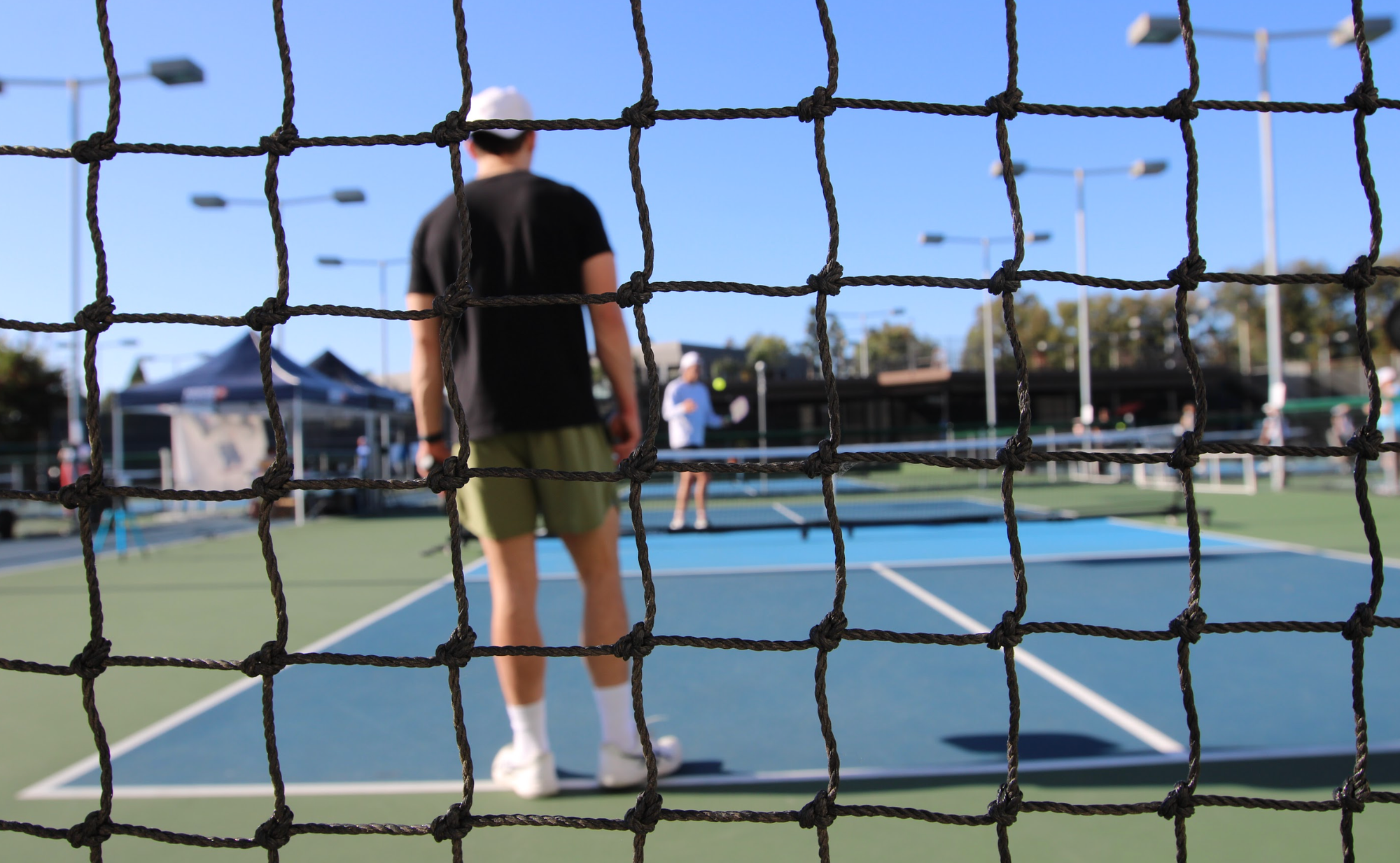
Understanding the pickleball court is your foundation. The court measures 20 by 44 feet, identical to a badminton court. The most critical area to know is the non-volley zone, commonly called "the kitchen."
This 7-foot zone extends from the net on both sides. You cannot hit the ball in the air (volley) while standing in this area or on its lines. This single rule shapes almost every strategic decision in pickleball.

Serving Rules That Actually Matter
Pickleball serving rules are where most beginners stumble. Here are the non-negotiables:
The underhand requirement: Your paddle must contact the ball below your waist level with an upward arc. No tennis-style overhead serves allowed.
Diagonal service: Always serve cross-court to the opposite diagonal service box, just like tennis.
Behind the baseline: Both feet must be behind the baseline when you serve, and you cannot step on or over the line during your serve motion.
The Drop Serve Alternative
New for many players is the drop serve option. You can drop the ball and let it bounce once before hitting it. This eliminates the "below the waist" requirement, making it easier for beginners to develop consistent serves.
The Two-Bounce Rule Explained
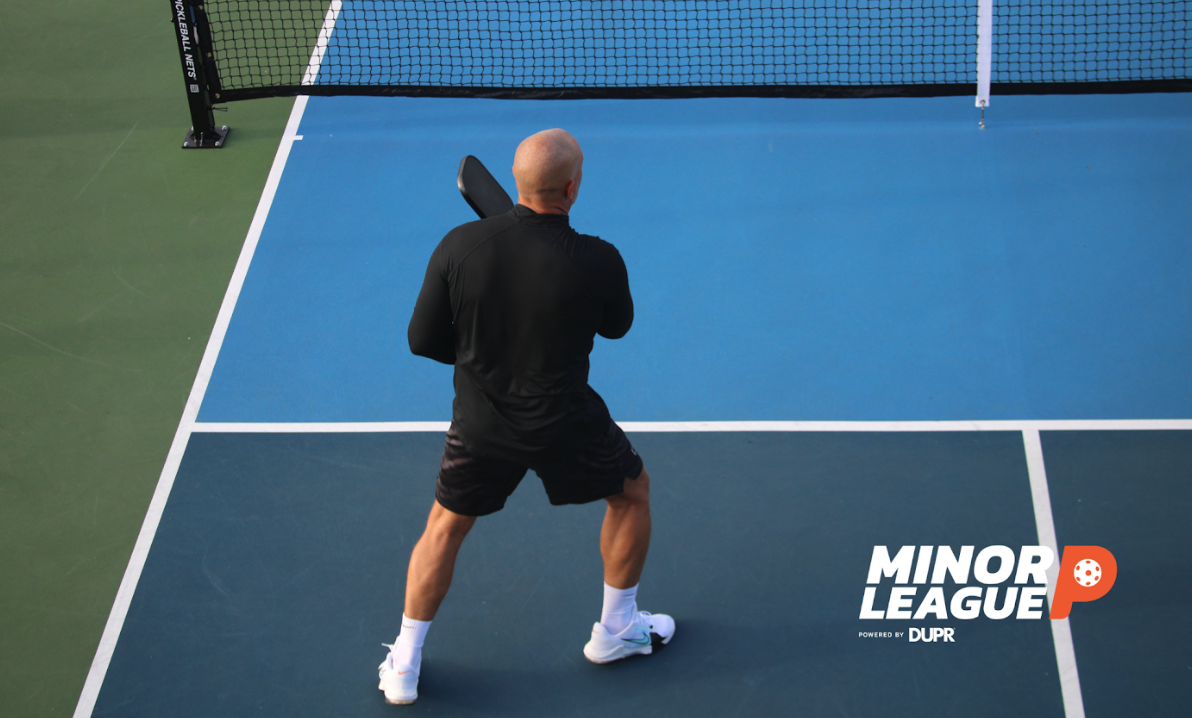
This rule prevents pickleball from becoming a pure power game. After the serve, the ball must bounce once on each side before players can hit volleys (shots hit in the air).
Here's how it works: The serving team serves, the ball bounces in the receiver's service box, the receiver returns it, and it must bounce once more on the serving team's side. Only after these two bounces can players start volleying.

Pickleball Scoring System
Pickleball uses a unique scoring system that confuses newcomers but makes perfect sense once explained. Games are typically played to 11 points, and you must win by 2.
Only the serving team can score points. When you're receiving, you're playing defense – trying to get the serve back to start scoring.
Score is called as three numbers: your score, opponent's score, and which server you are (1 or 2). For example, "5-3-1" means you have 5 points, opponents have 3, and you're the first server.

Common Faults That Trip Up Beginners
Avoid these frequent violations that can cost you points:
Kitchen violations: Stepping into the non-volley zone while hitting a volley, or letting your momentum carry you in after a volley.
Net violations: Touching the net with your paddle, body, or clothing during play.
Wrong court serving: Serving to the wrong service box or from the wrong side of your court.
Double bounces: Letting the ball bounce twice on your side before returning it.

Strategy Tips for New Players
Focus on consistency over power. Pickleball rewards placement and patience more than aggressive shots. Keep the ball low over the net, aim for the opponent's feet, and work your way to the kitchen line for better court position.
Remember that pickleball is as much mental as physical. Understanding when to be aggressive and when to reset the point separates good players from great ones.
Frequently Asked Questions
Can the ball hit the kitchen line during play?
Yes, the ball can land on any line during regular play. Lines are considered "in." The kitchen line restriction only applies to where players stand when volleying.
What happens if I accidentally volley in the kitchen?
It's an immediate fault, and you lose the point. Even if your momentum carries you into the kitchen after a volley hit outside the zone, it's still a fault.
Do both players on a doubles team get to serve?
Yes, except at the start of the game when only one player from the first serving team serves. After that, both teammates serve before the serve switches to the opposing team.