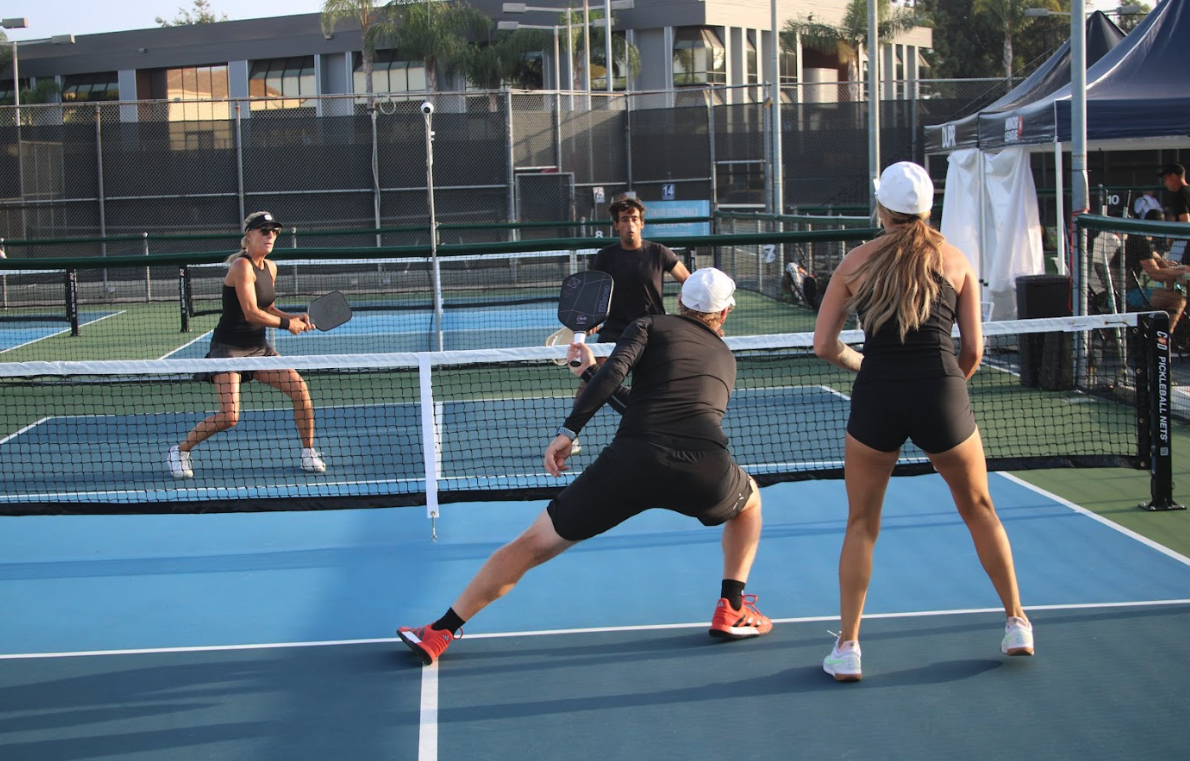
The surge in pickleball popularity among seniors isn't just a social trend—it's backed by compelling scientific evidence. Recent research demonstrates that this fast-growing sport delivers measurable health improvements that extend far beyond basic physical activity, making it an increasingly prescribed therapy for healthy aging.
Cardiovascular Health Improvements
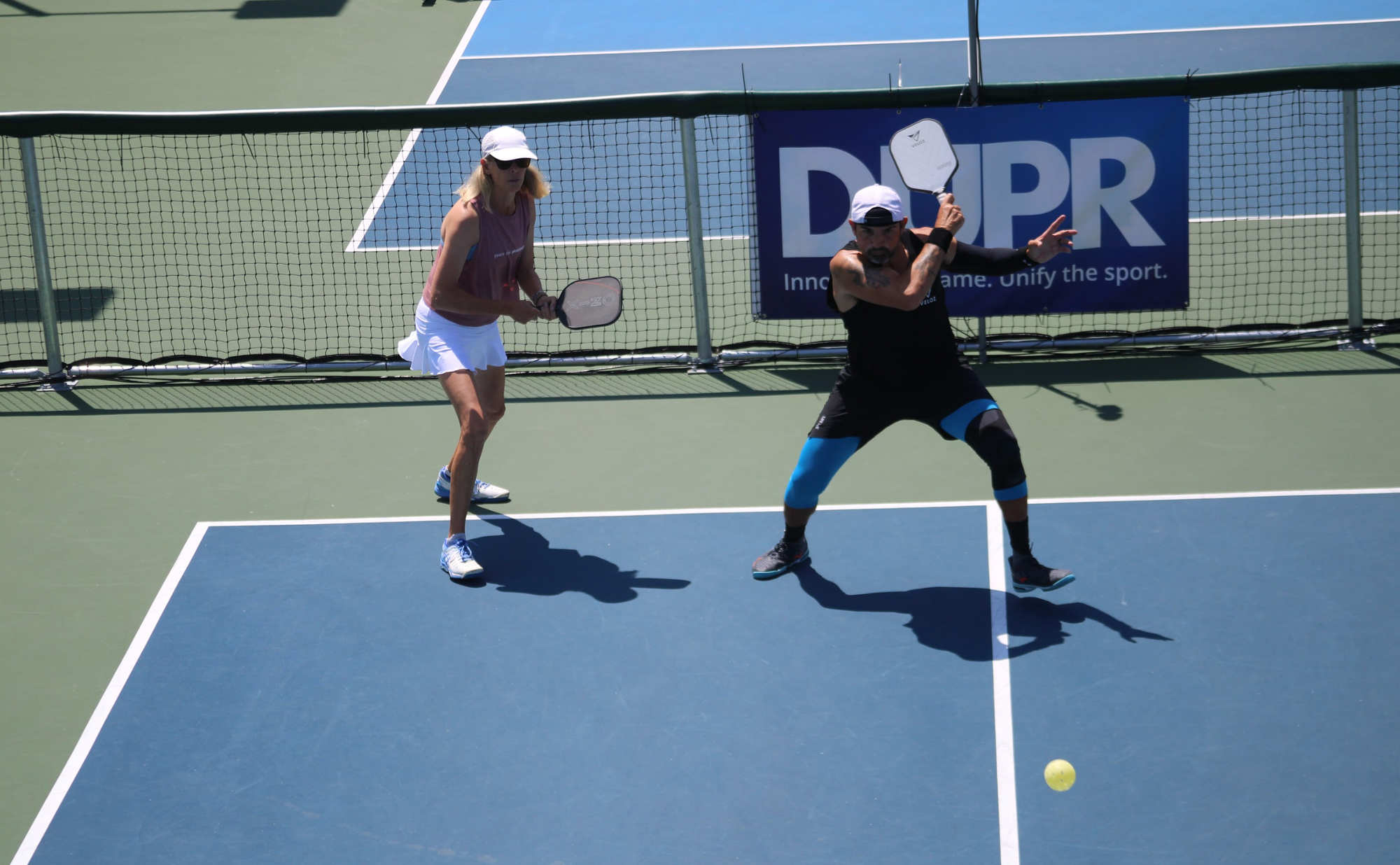
Multiple studies have documented significant cardiovascular benefits for senior pickleball players. The sport's unique combination of aerobic activity and interval-style play creates an ideal cardiovascular workout without excessive strain. Research shows regular pickleball participation can improve heart rate variability, lower resting blood pressure, and enhance overall cardiovascular endurance in players over 65.
Unlike high-impact sports that may stress aging joints, pickleball's moderate intensity allows seniors to achieve target heart rates while maintaining sustainable exercise routines. The sport's stop-and-go nature mimics high-intensity interval training (HIIT), which has proven particularly effective for cardiovascular health in older adults.
Balance and Fall Prevention
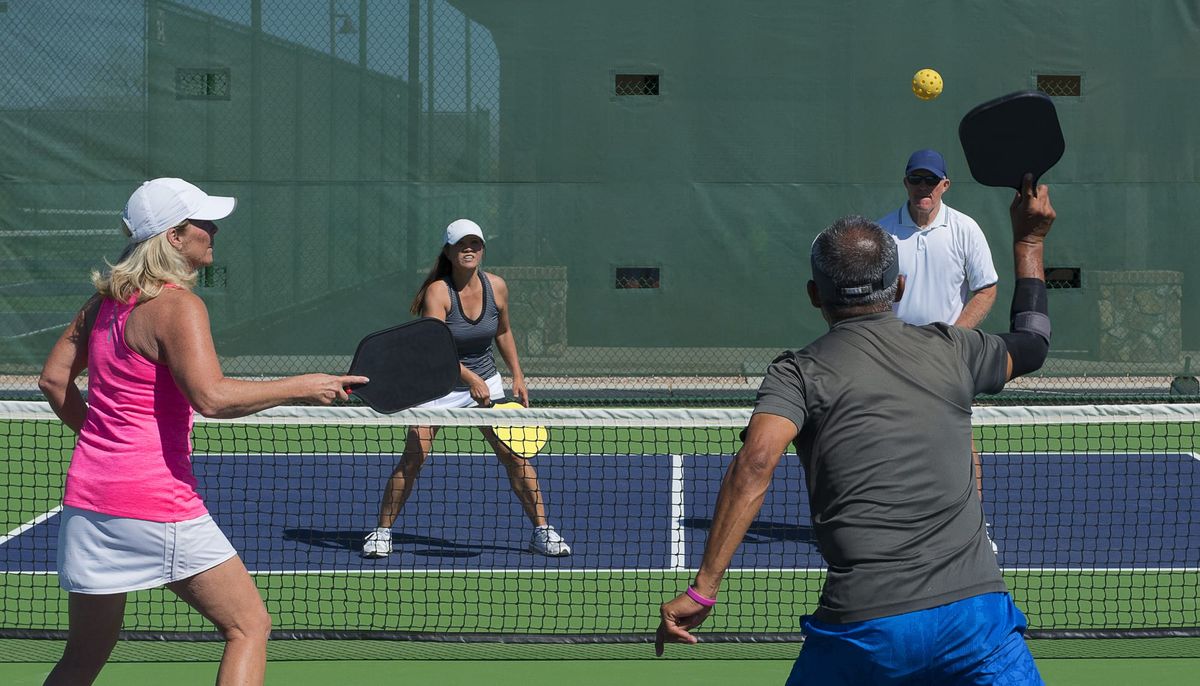
Perhaps one of the most significant findings involves balance improvement and fall prevention. A 2023 study published in the Journal of Aging and Physical Activity found that seniors who played pickleball regularly showed marked improvements in dynamic balance, reaction time, and proprioception—all critical factors in preventing dangerous falls.
The multidirectional movements required in pickleball naturally challenge balance systems, helping players develop better spatial awareness and stability. This translates directly to improved confidence and safety in daily activities, from navigating stairs to walking on uneven surfaces.
Cognitive and Mental Health Benefits
Research increasingly highlights pickleball's impact on cognitive function. The sport demands rapid decision-making, strategic thinking, and hand-eye coordination—all of which stimulate neural pathways and may help maintain cognitive sharpness as players age.

Studies have documented improvements in executive function, processing speed, and working memory among regular pickleball players. The social interaction inherent in the sport provides additional cognitive stimulation, creating a powerful combination for brain health maintenance.
Social Wellness and Community Connection
The social benefits of pickleball extend beyond casual friendships. Research shows that the regular social interaction fostered by pickleball communities can significantly impact mental health, reducing rates of depression and anxiety commonly experienced by seniors.
Many healthcare systems now recognize these benefits, with hospitals and wellness centers establishing pickleball programs as part of comprehensive senior health initiatives. The sport's inclusive nature and lower barrier to entry make it particularly effective for building lasting social connections.

Medical Community Recognition
Healthcare providers increasingly view pickleball as legitimate preventive medicine. Physical therapists use modified pickleball exercises in rehabilitation programs, while physicians recommend the sport for patients seeking sustainable exercise options.
The combination of cardiovascular exercise, balance training, cognitive stimulation, and social interaction addresses multiple health concerns simultaneously, making pickleball an efficient and enjoyable health intervention for aging populations.
Getting Started Safely
While the health benefits are compelling, experts recommend proper preparation for seniors beginning pickleball. This includes consultation with healthcare providers, appropriate equipment selection, and gradual skill development to maximize benefits while minimizing injury risk.
Many communities now offer senior-specific pickleball programs with modified rules and coaching tailored to older adults' needs, ensuring safe participation while maintaining the sport's health benefits.
Frequently Asked Questions
How often should seniors play pickleball to see health benefits?
Research suggests playing 2-3 times per week for 45-60 minutes provides optimal health benefits. This frequency allows for adequate recovery while maintaining consistent cardiovascular and balance improvements. Beginners should start with shorter sessions and gradually increase duration and frequency.
Is pickleball safe for seniors with joint problems?
Pickleball is generally considered joint-friendly due to its lower impact nature compared to tennis or running. However, seniors with existing joint issues should consult their healthcare provider before starting. Many find that proper warm-up, appropriate footwear, and modified playing techniques allow safe participation even with mild arthritis.
What equipment modifications help seniors play pickleball safely?
Seniors benefit from lightweight paddles, supportive court shoes with good traction, and appropriate eyewear. Some players use paddles with larger grip sizes for better control, and many communities offer lower-compression balls that move slightly slower, allowing more reaction time for older players.