Are you tired of colliding with your partner or watching easy shots sail past while you both hesitate? You're experiencing one of pickleball's most challenging yet crucial skills: proper court coverage in doubles play.
The Walker Sisters, renowned pickleball coaches Angie and Alex Walker, have identified the core issue plaguing recreational players everywhere. It's not a lack of effort or athletic ability—it's the absence of systematic positioning knowledge that separates championship teams from weekend warriors.
The Three-Zone Court Coverage System
Understanding court coverage begins with recognizing that the pickleball court operates in distinct zones, each requiring different partnership dynamics and responsibilities.
Baseline Zone Coverage
When both players are positioned at the baseline, the fundamental rule is simple: cover your side of the court while maintaining communication. The player with the stronger forehand should position themselves slightly toward the center, creating natural shot selection advantages.
Key positioning principles include maintaining a 6-8 foot separation from your partner and staying alert for cross-court opportunities. This spacing prevents overcrowding while ensuring no gaps appear in your defensive coverage.
Transition Zone Dynamics
The area between the baseline and kitchen line presents the greatest positioning challenges. During transitions, partners must coordinate their forward movement while maintaining court coverage integrity.
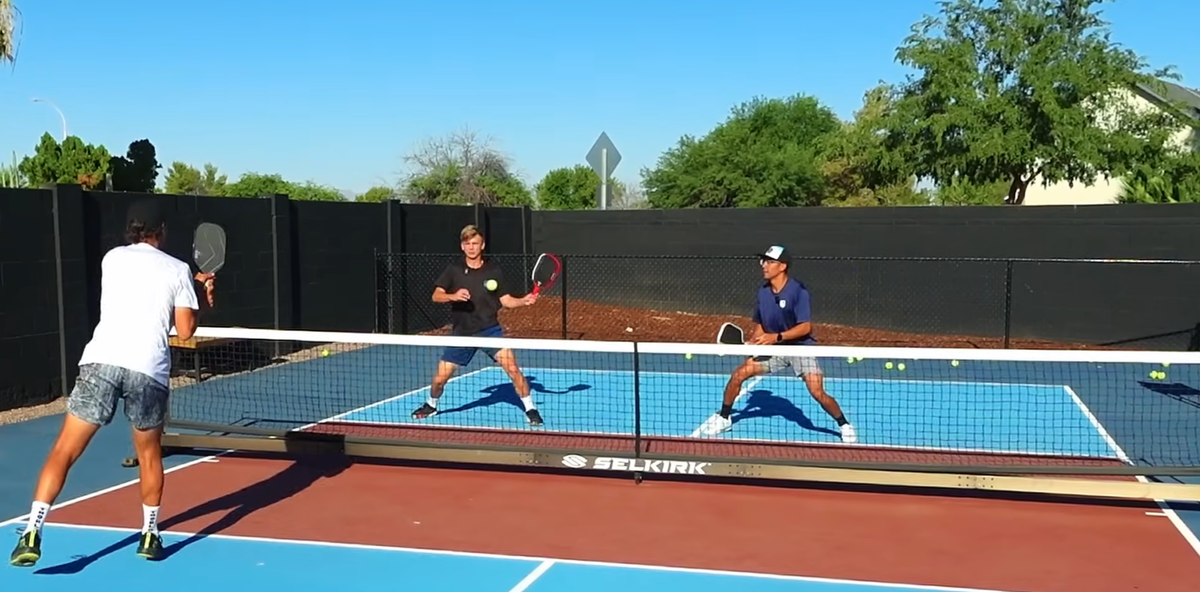
The Walker Sisters emphasize that successful transition zone coverage requires constant adjustment based on ball placement and opponent positioning. The key is moving together as a unit rather than as independent players pursuing individual shots.
Kitchen Line Mastery
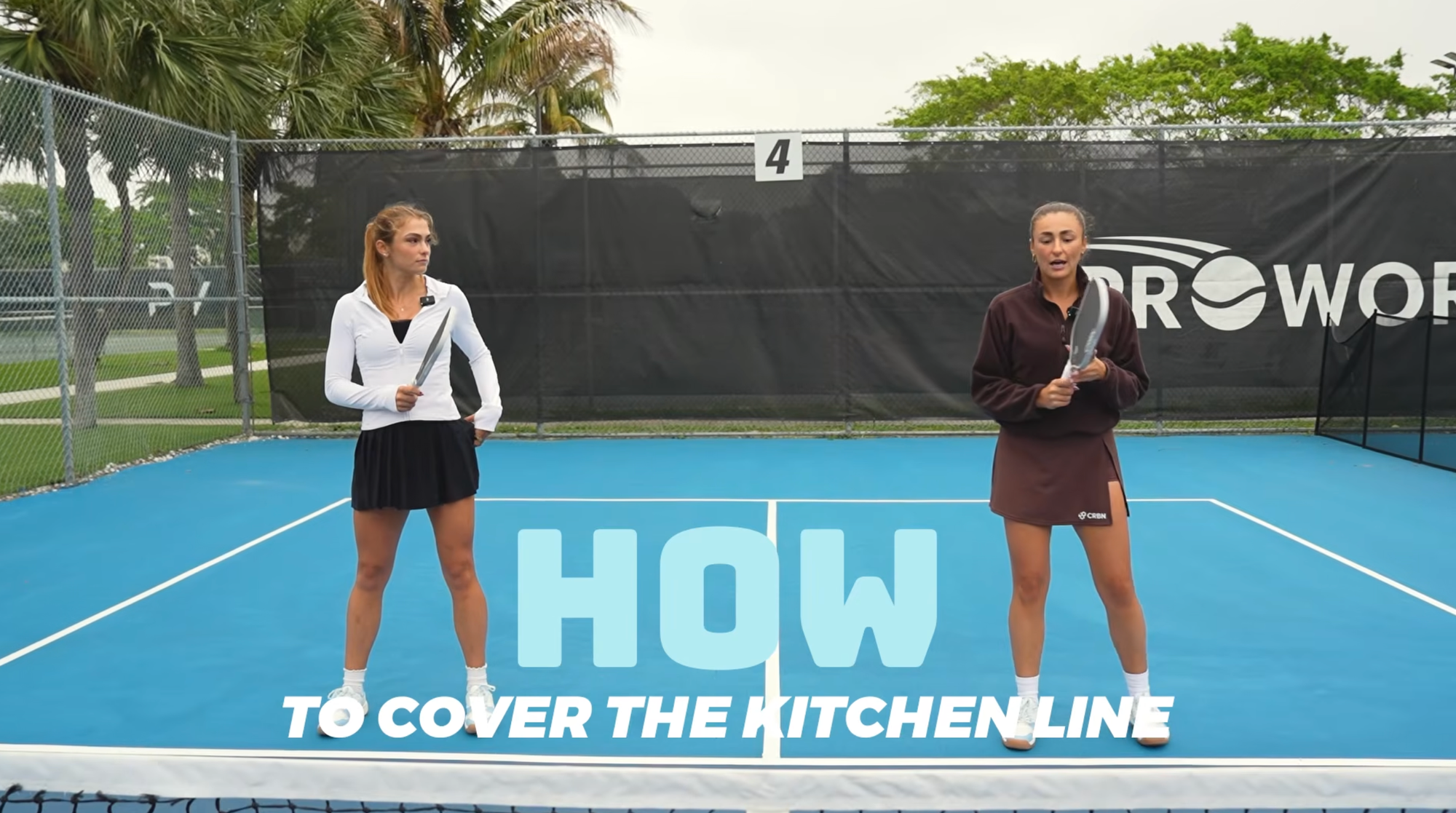
At the non-volley zone, court coverage transforms from reactive positioning to proactive shot creation. Partners should maintain approximately 4-6 feet of separation, allowing for quick lateral movement while preventing easy shots down the middle.
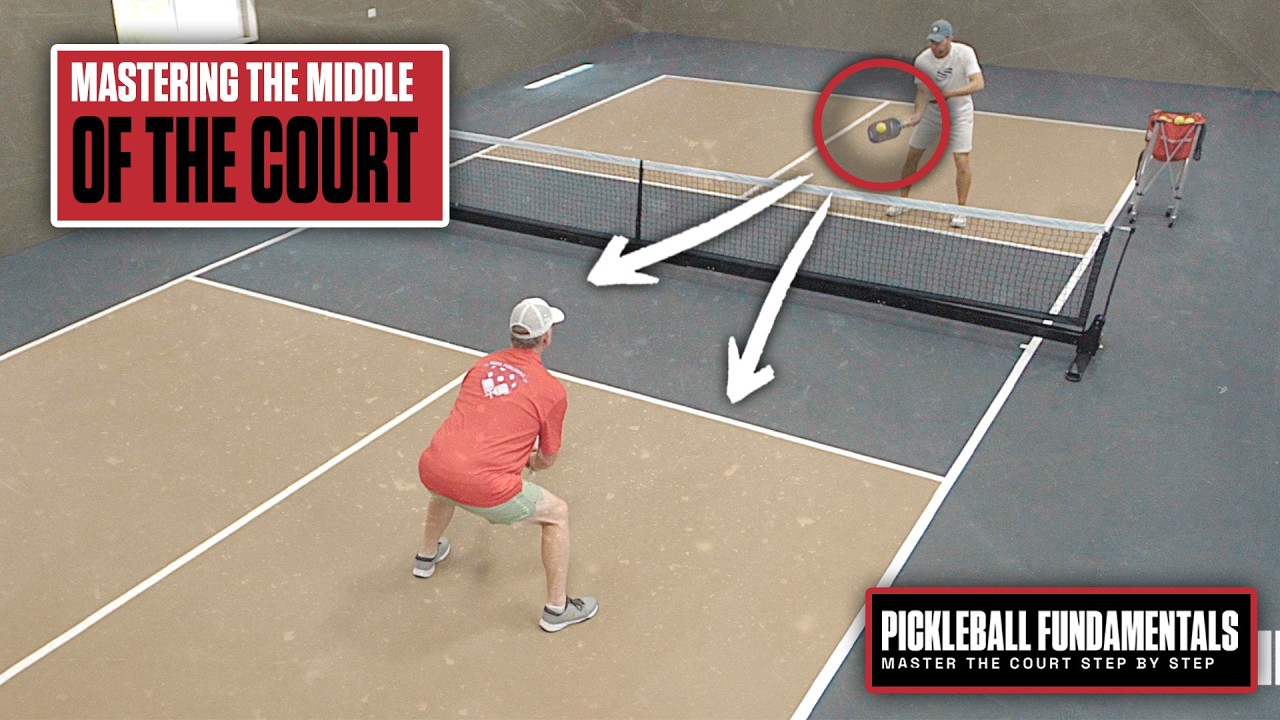
The Middle Ball Dilemma
Perhaps no aspect of doubles coverage creates more confusion than determining who takes shots hit between partners. The Walker Sisters provide clear guidelines:
- The player with the forehand shot typically takes center balls
- Communication must happen before the point, not during
- Establish predetermined signals for quick decision-making
Advanced Positioning Strategies
Elite doubles teams understand that court coverage extends beyond simple positioning. They create intentional vulnerabilities to bait opponents into predictable shots, then capitalize with superior positioning and teamwork.
Stacking for Strategic Advantage
Strategic stacking allows teams to optimize their strongest shots while minimizing weaknesses. By positioning players based on shot preferences rather than traditional court sides, teams can maintain better coverage while maximizing offensive opportunities.
This advanced technique requires extensive practice and communication, but the results speak for themselves in competitive play.
Common Coverage Mistakes to Avoid
The most frequent positioning errors stem from players focusing on individual performance rather than team coordination. These include:
Overcrowding the center: Both players gravitating toward middle shots creates massive side vulnerabilities that experienced opponents will exploit ruthlessly.
Static positioning: Maintaining rigid court positions regardless of ball placement limits your team's ability to apply pressure and create winning opportunities.
Poor transition timing: Moving forward or backward at different speeds creates gaps in coverage that lead to easy opponent winners.
Practice Drills for Better Coverage
Implementing proper court coverage requires deliberate practice beyond casual play. Focus on shadow movements without balls, emphasizing synchronized partner movement and communication patterns.
Partner shadowing drills, where one player moves and the other mirrors appropriate positioning adjustments, build the muscle memory necessary for instinctive court coverage during competitive play.
Frequently Asked Questions
How do I know if my court coverage is improving?
Track how often you and your partner collide or leave easy shots uncovered. Improved coverage results in fewer communication breakdowns and more consistent shot opportunities for both players.
Should court coverage change based on opponent skill level?
Absolutely. Against aggressive opponents, tighter coverage near the kitchen line prevents easy putaways. Against defensive players, wider spacing allows for better angle coverage and transition opportunities.
What's the biggest mistake recreational players make with positioning?
Most recreational players focus too much on individual shot-making rather than team positioning. Great doubles coverage requires sacrificing some personal shot opportunities to create better overall team advantages.