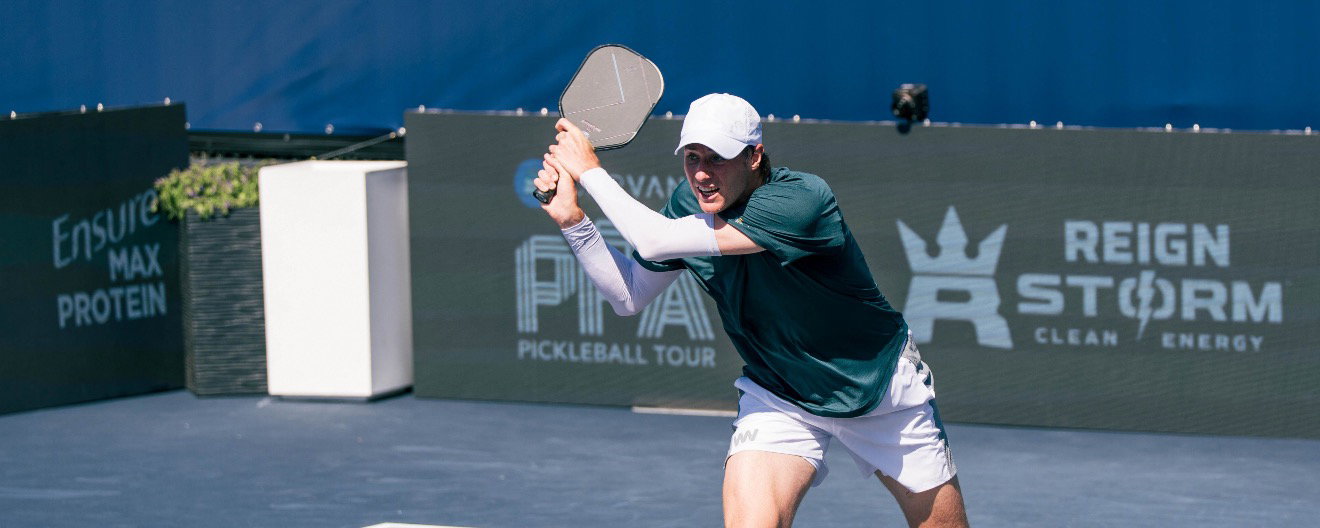
What separates weekend warriors from world-class professionals? According to PPA Tour standout Roscoe Bellamy, currently sitting at World No. 6 in men's singles, the gap isn't as wide as you might think. The rising star recently shared five transformative strategies that propelled him from dominating local courts to competing with pickleball's elite.
These aren't just theoretical concepts—they're battle-tested principles that Bellamy credits with reshaping his entire approach to competitive play. Whether you're eyeing tournament success or simply want to elevate your recreational game, these insights offer a roadmap to serious improvement.
Embrace Defeat as Your Greatest Teacher
Bellamy's first revelation might surprise recreational players: learning to lose effectively became the cornerstone of his winning formula. "Once I stopped taking defeats personally and started treating them as feedback, everything changed," explains the Tour veteran.
This mental shift requires systematic post-match analysis. Bellamy recommends asking four critical questions after every loss: What tactical decisions backfired? Which opponent strategies proved most effective? Where did momentum shifts occur? What would you execute differently given another opportunity?
"These answers become your development database," Bellamy emphasizes. "Instead of avoiding uncomfortable truths about your game, embrace them. Every defeat contains lessons that victories simply can't provide."
Master Kitchen Line Positioning
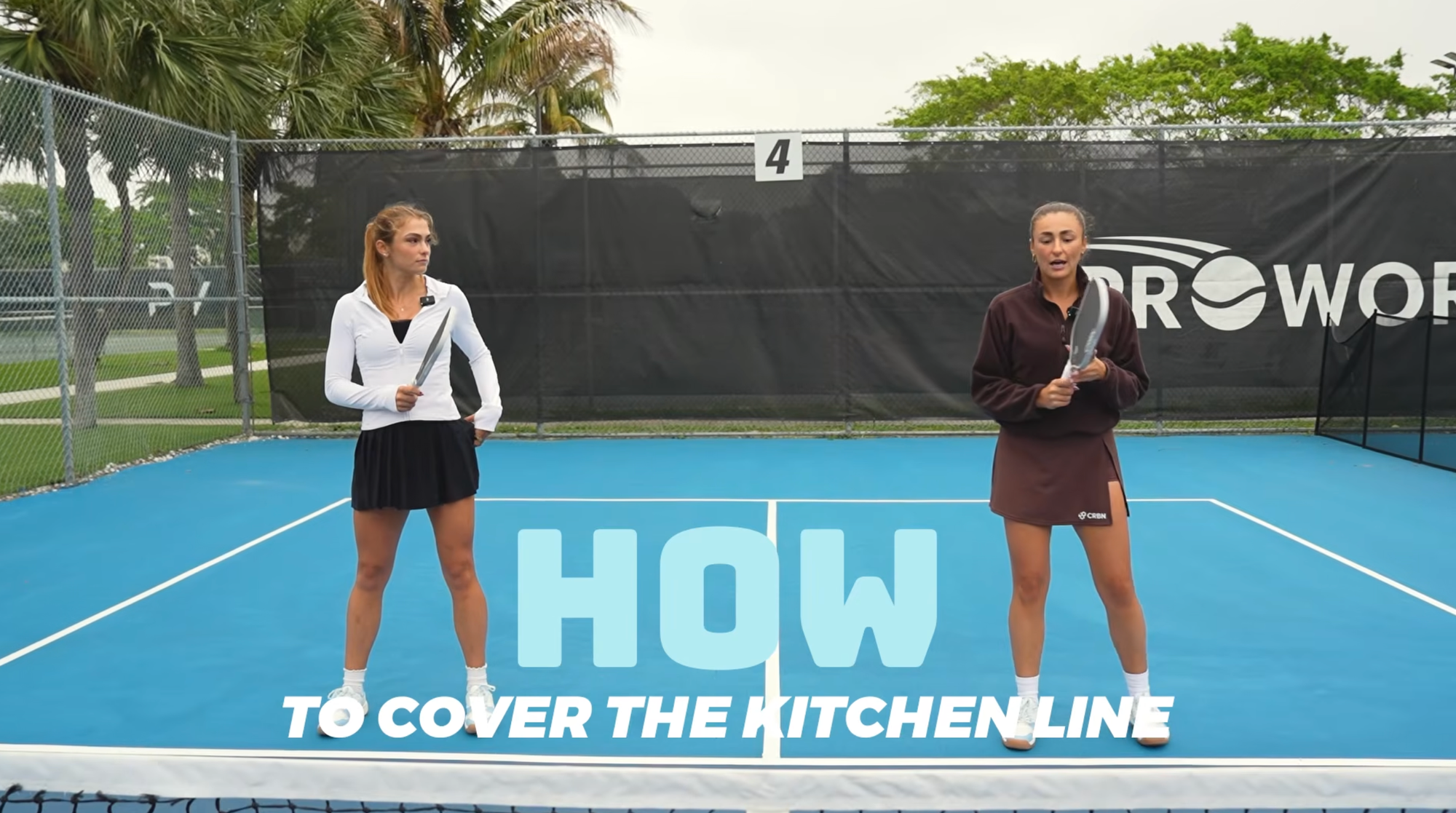
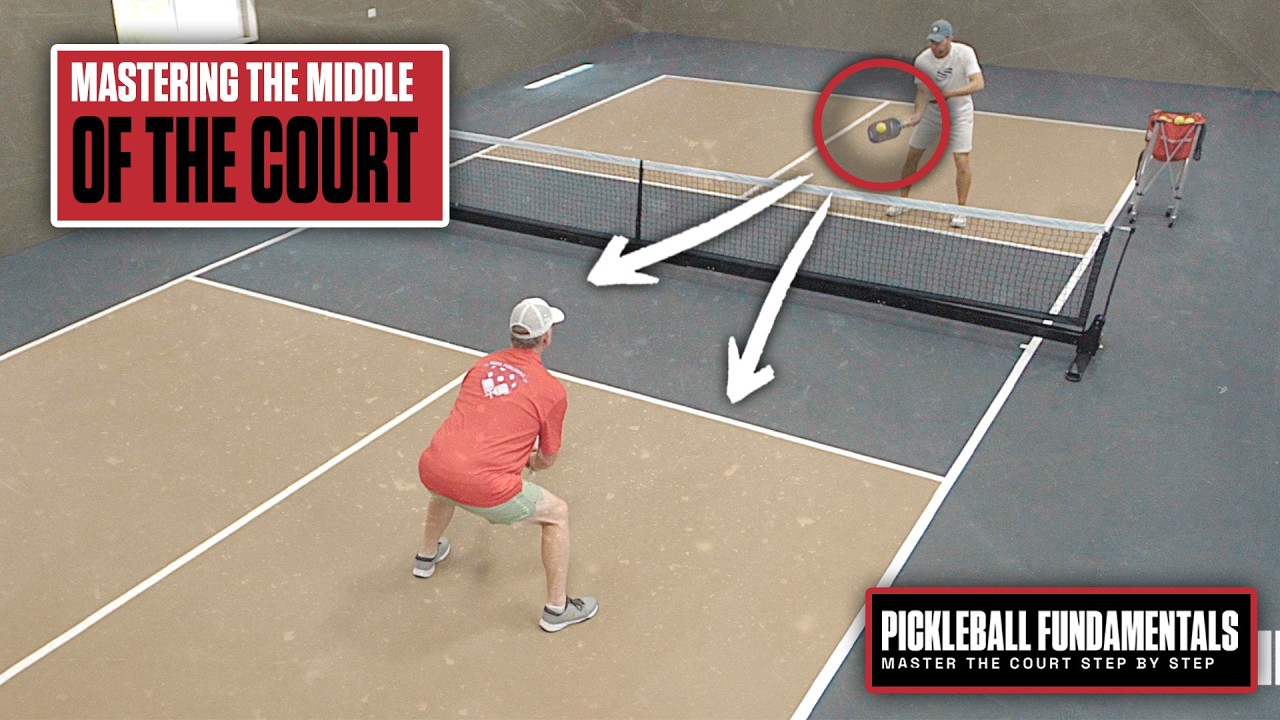
The second breakthrough involved Bellamy's relationship with the non-volley zone. He describes reaching the kitchen line as non-negotiable—the single most important positional priority in modern pickleball strategy.
"Court positioning determines everything else," Bellamy notes. "You can possess incredible shot-making ability, but if you're consistently caught in no-man's land or trapped at baseline, those skills become irrelevant against quality opponents."
Professional players understand that kitchen line control dictates rally flow, shot selection, and ultimately match outcomes. Bellamy suggests dedicating specific practice sessions entirely to transition footwork and establishing optimal net position under pressure.
Develop Unshakeable Mental Resilience
Bellamy's third principle focuses on psychological fortitude—the often-overlooked element that separates good players from great ones. Tournament pressure, momentum swings, and high-stakes moments demand mental preparation beyond physical skill development.
"Your technical abilities mean nothing if you crumble during crucial points," he observes. "Developing emotional control and maintaining focus throughout extended matches becomes increasingly vital as competition levels rise."
This involves practicing pressure scenarios, developing pre-point routines, and building confidence through deliberate mental training alongside physical preparation.
Prioritize Strategic Shot Selection
The fourth element involves evolving beyond power-based tactics toward strategic precision. Bellamy learned that professional success requires understanding when to attack, when to neutralize, and when to reset rally tempo.
"Recreational players often focus on hitting harder rather than hitting smarter," he explains. "Tour-level competition demands shot selection based on court positioning, opponent weaknesses, and match situation rather than simply trying to overpower every exchange."
This tactical maturity develops through studying professional matches, analyzing opponent tendencies, and practicing situation-specific scenarios during training sessions.
Commit to Systematic Improvement
Bellamy's final recommendation emphasizes structured development over random practice. Professional advancement requires identifying specific weaknesses, creating targeted improvement plans, and measuring progress objectively.
"Casual hitting sessions won't bridge the gap between recreational and competitive play," he warns. "Serious improvement demands purposeful practice with clear objectives and measurable outcomes."
This systematic approach involves working with qualified coaches, analyzing match footage, and dedicating time to both technical refinement and tactical understanding.
Frequently Asked Questions
How long does it typically take to implement these professional strategies?
According to Bellamy, mental shifts can begin immediately, but incorporating new positioning and tactical concepts into match play usually requires 3-6 months of consistent practice and competition.
Can recreational players benefit from these pro-level strategies?
Absolutely. While the execution level differs, these fundamental principles—learning from losses, prioritizing kitchen line positioning, and strategic shot selection—apply to players at every competitive level.
What's the most common mistake players make when trying to elevate their game?
Bellamy identifies focusing solely on power development while neglecting positioning, mental toughness, and tactical understanding as the primary barrier preventing recreational players from reaching their potential.