The Evolution of Body Shot Defense in Modern Pickleball
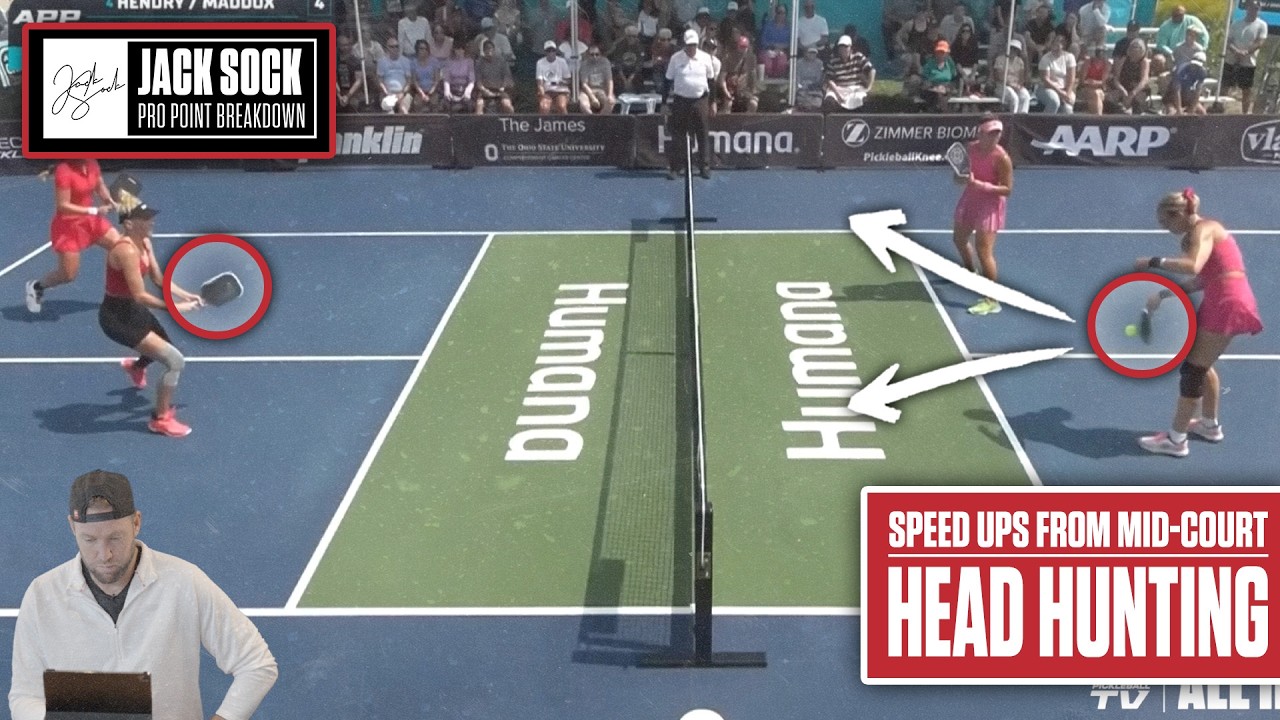
High-speed body shots have transformed from rare aggressive tactics to standard weapons in today's competitive pickleball landscape. As players become more skilled and games intensify, the ability to defend against targeted body attacks has become absolutely crucial for survival on the court.
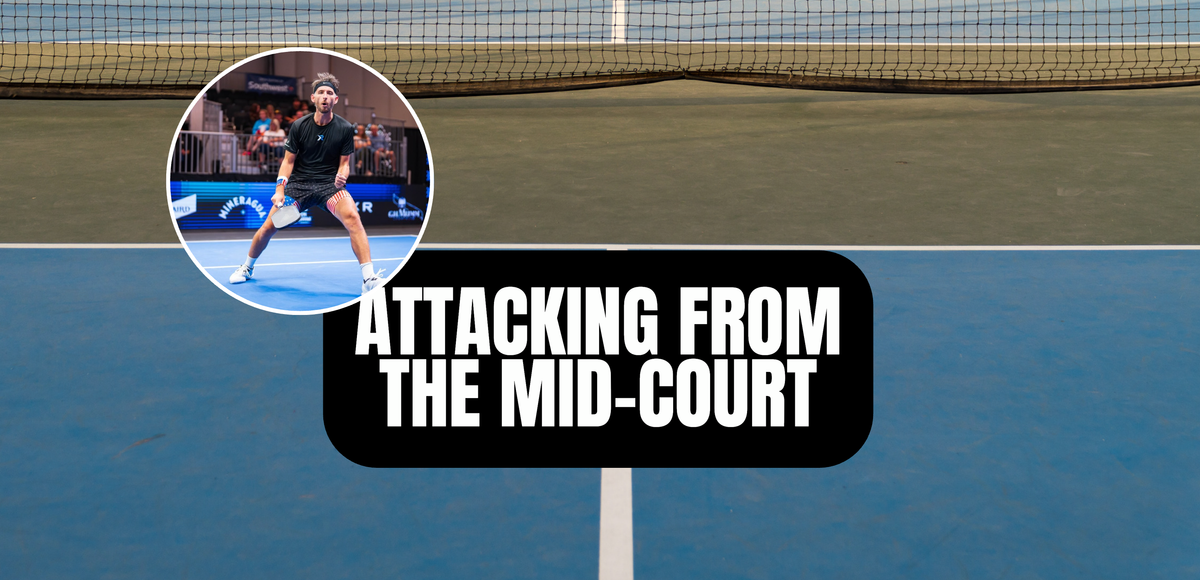
The modern pickleball game demands quick reflexes, smart positioning, and most importantly, the technical knowledge to handle aggressive shots aimed directly at your torso. Understanding these defensive principles can mean the difference between winning points and finding yourself constantly under pressure.

Mastering the Art of Power Redirection
The fundamental principle of defending body shots lies in energy redirection rather than power generation. When a high-speed ball comes directly at you, your natural instinct might be to swing hard and create your own pace. This approach typically leads to errors and missed opportunities.
The Block and Redirect Technique
Professional players understand that the incoming ball already carries significant energy. Your job is to harness this existing power and redirect it strategically back toward your opponent. This technique requires:
- A firm, controlled grip on your paddle
- Minimal backswing to reduce timing complications
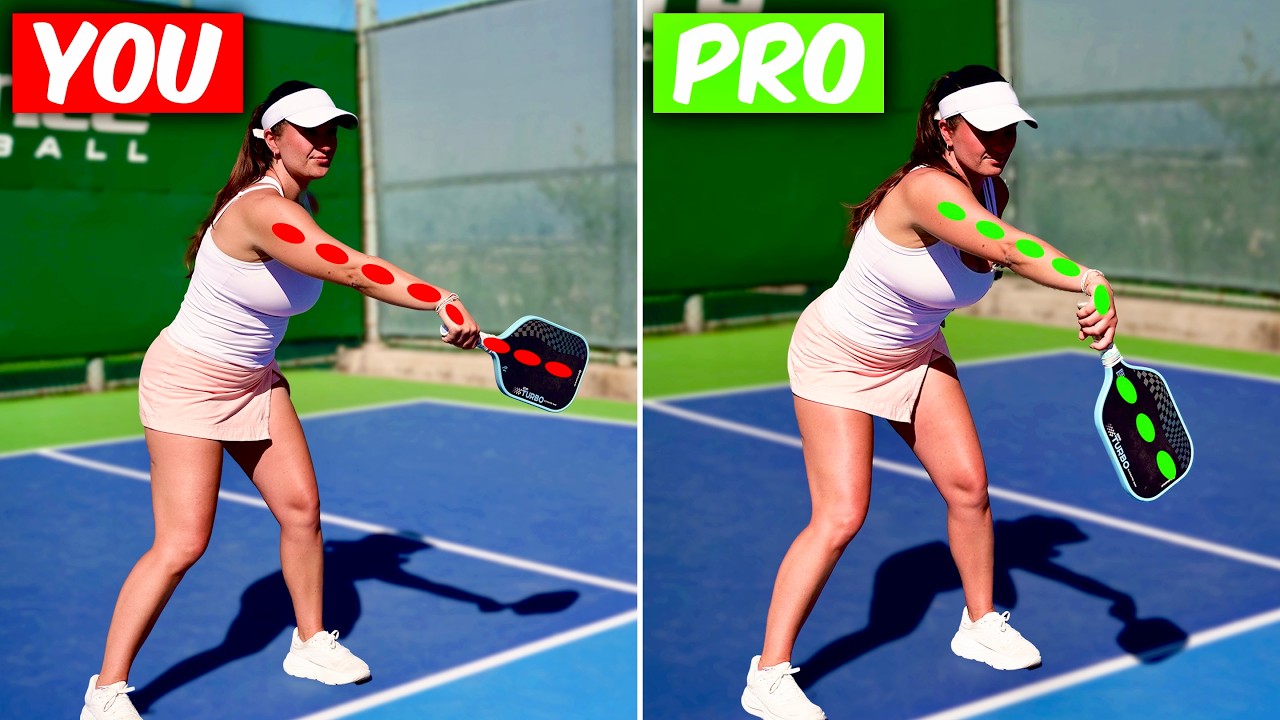
- Focus on paddle face angle rather than swing speed
- Core stability to maintain balance during contact
By allowing the ball's momentum to work for you, you can execute clean returns even under intense pressure while maintaining better court position for the next shot.
Positioning and Footwork Fundamentals
Effective body shot defense begins long before the ball reaches you. Smart court positioning can minimize your vulnerability and create better defensive angles when aggressive shots come your way.
The Ready Position
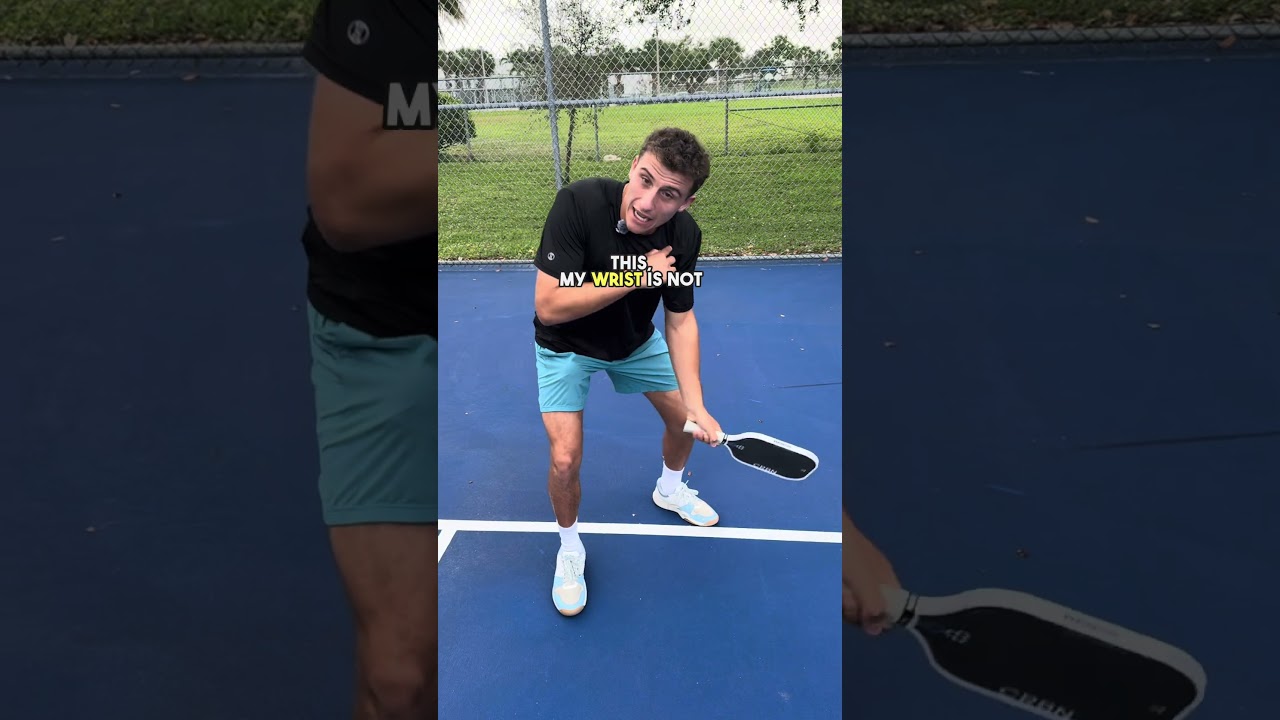
Maintain a balanced athletic stance with your paddle held in front of your body at chest level. This central position allows you to react quickly to shots aimed at either side of your torso while keeping your paddle face perpendicular to the net.

Keep your feet shoulder-width apart with knees slightly bent. This stable base enables quick lateral movements and helps absorb the impact of high-speed shots without losing balance.
Creating Defensive Space
When you recognize an aggressive body shot developing, take a small step back if time permits. This additional space provides crucial milliseconds to read the ball's trajectory and prepare your defensive response.
Advanced Defensive Strategies
Elite players don't just survive body shots – they transform defensive situations into offensive opportunities. This mental shift requires understanding several key concepts.
Target Selection During Defense
While defending a body shot, resist the urge to simply get the ball back over the net. Instead, aim for specific court areas that put your opponents at a disadvantage:
- Deep crosscourt returns that move opponents away from the net
- Sharp angles that force awkward positioning
- Low returns that challenge opponents' volleying abilities
Mental Preparation and Anticipation
Successful body shot defense often begins with proper anticipation. Learn to recognize setup patterns that typically precede aggressive attacks. Common scenarios include:
- Opponent positioning for a forehand drive
- High balls that create attacking opportunities
- Situations where you're pulled out of position
By reading these patterns early, you can prepare mentally and physically for the incoming aggressive shot.

Practice Drills for Body Shot Defense
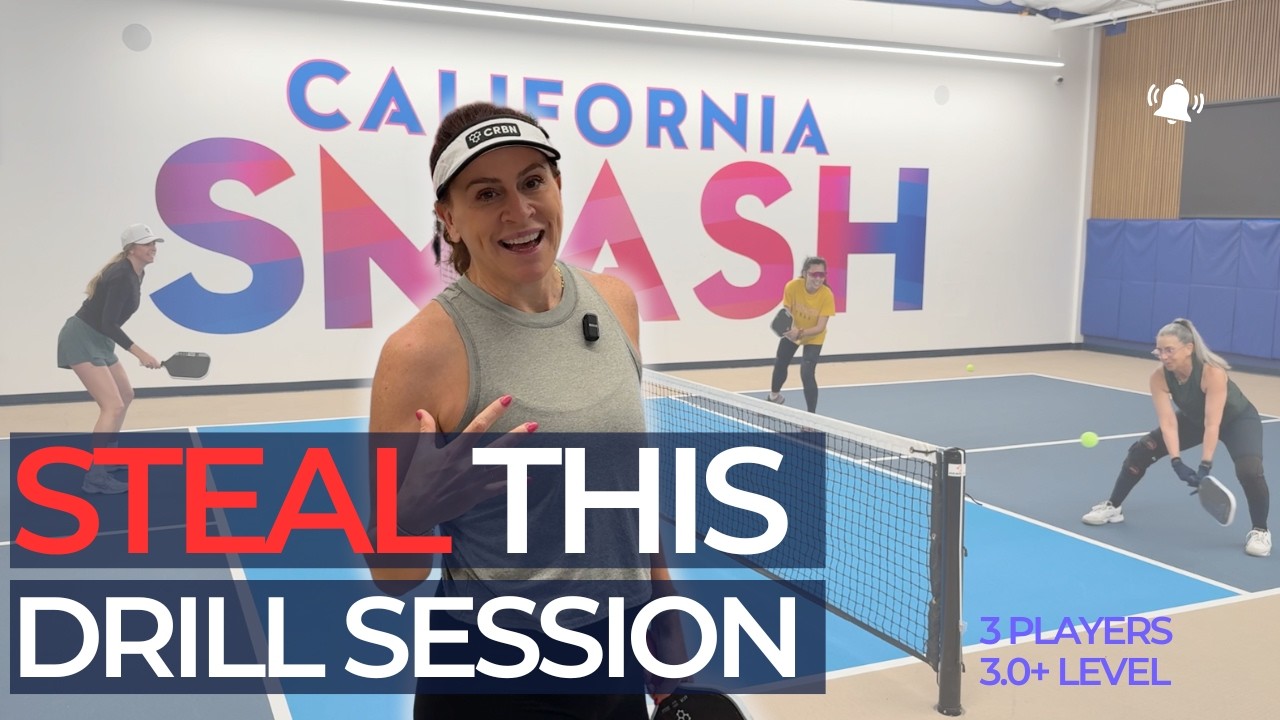
Developing reliable body shot defense requires specific practice routines that simulate game conditions. Partner with another player for these essential drills:
Start with controlled body shots at moderate pace, focusing on clean contact and directional control. Gradually increase the speed and vary the angles to build confidence and muscle memory.
Practice the block-and-redirect technique from different court positions, ensuring you can execute the defense whether you're at the net, in transition, or positioned deeper in the court.
Frequently Asked Questions
Should I use a backhand or forehand grip when defending body shots?
Maintain your ready position with a neutral grip that allows quick adjustment to either forehand or backhand. The key is recognizing the shot direction early and committing to one side rather than getting caught between grips.
How can I avoid getting intimidated by aggressive body shots?
Focus on the technical aspects of defense rather than the shot's speed or aggression. Remember that body shots often present opportunities for strong defensive returns when handled properly. Regular practice builds confidence and reduces anxiety during actual game situations.
What's the most common mistake players make when defending body shots?
Over-swinging is the primary error. Players often try to generate their own power instead of redirecting the incoming energy. Keep your swing compact and focus on paddle face control for more consistent defensive returns.