Your DUPR rating represents the most objective measurement of your pickleball abilities. Unlike self-assessments or casual observations, this numerical system provides an unbiased evaluation of your true skill level on the court.
The Dynamic Universal Pickleball Rating system has become the gold standard for player evaluation, with over 1.5 million participants across 60+ countries relying on its accuracy for competitive play and skill tracking.
Understanding the DUPR System

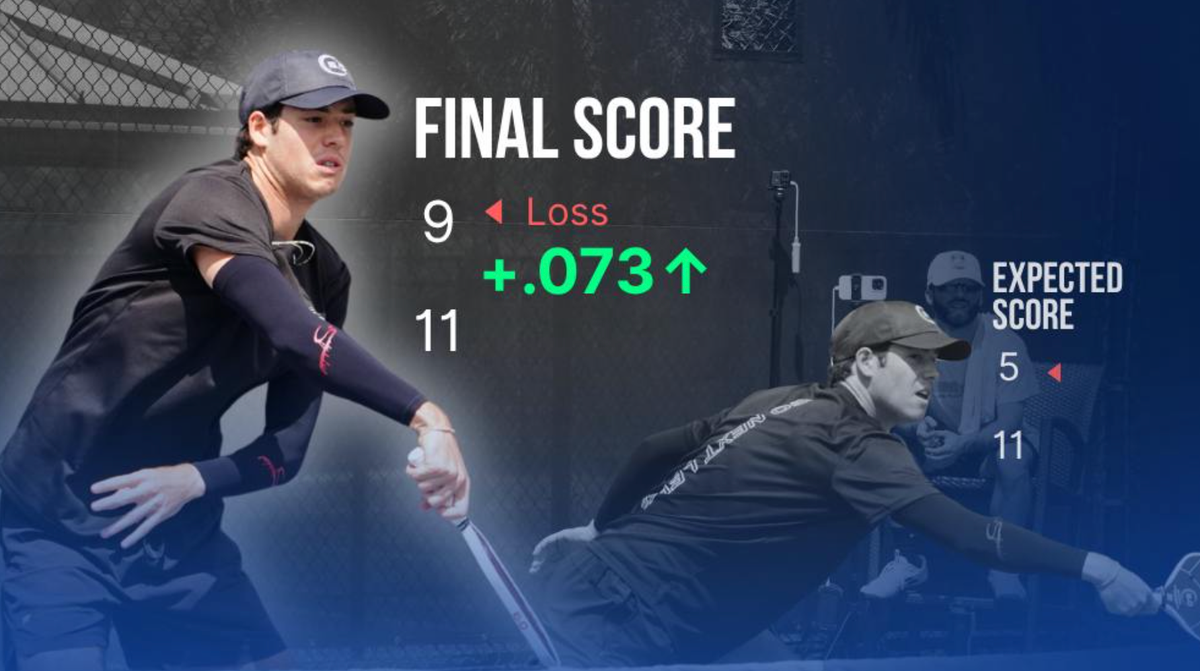
DUPR operates as a comprehensive rating platform that analyzes your match results against opponents of varying skill levels. The system considers not just wins and losses, but the quality of competition and margin of victory to generate your precise rating.
Professional tours including the PPA Tour and Major League Pickleball have adopted DUPR as their official rating system, cementing its credibility in the pickleball community. Tournament directors increasingly require DUPR ratings for event registration, making it essential for competitive players.
How DUPR Calculates Your Rating

The calculation process involves several sophisticated factors:
- Match Results: Your wins and losses form the foundation of the rating
- Opponent Strength: Beating higher-rated players boosts your rating more significantly
- Score Differentials: Close matches have different impacts than blowout victories
- Recent Performance: More weight is given to your latest matches
- Match Reliability: Tournament and league play carries more weight than casual games
What Your DUPR Number Actually Means
DUPR ratings typically range from 2.0 to 8.0+, with most recreational players falling between 3.0 and 5.5. Here's how to interpret the scale:
2.0-3.0: Beginning players learning basic rules and techniques
3.0-4.0: Recreational players with fundamental skills
4.0-5.0: Intermediate players with consistent technique
5.0-6.0: Advanced players competing regularly
6.0+: Elite and professional level players

The Accuracy Advantage
Unlike traditional rating systems that rely on self-reporting or single-event assessments, DUPR continuously updates based on actual match data. This dynamic approach ensures your rating reflects your current skill level rather than past performance or subjective opinions.
Getting Your DUPR Rating Started

Creating your DUPR profile involves several straightforward steps:
Initial Setup: Visit the DUPR website and create your player profile with basic information including your location and estimated skill level.
Match Logging: Begin recording match results against other DUPR-rated players. You can log both tournament matches and recreational games, though competitive play carries more algorithmic weight.
Verification Process: Your opponents must confirm match results, ensuring data accuracy and preventing rating manipulation.
Building Rating Reliability
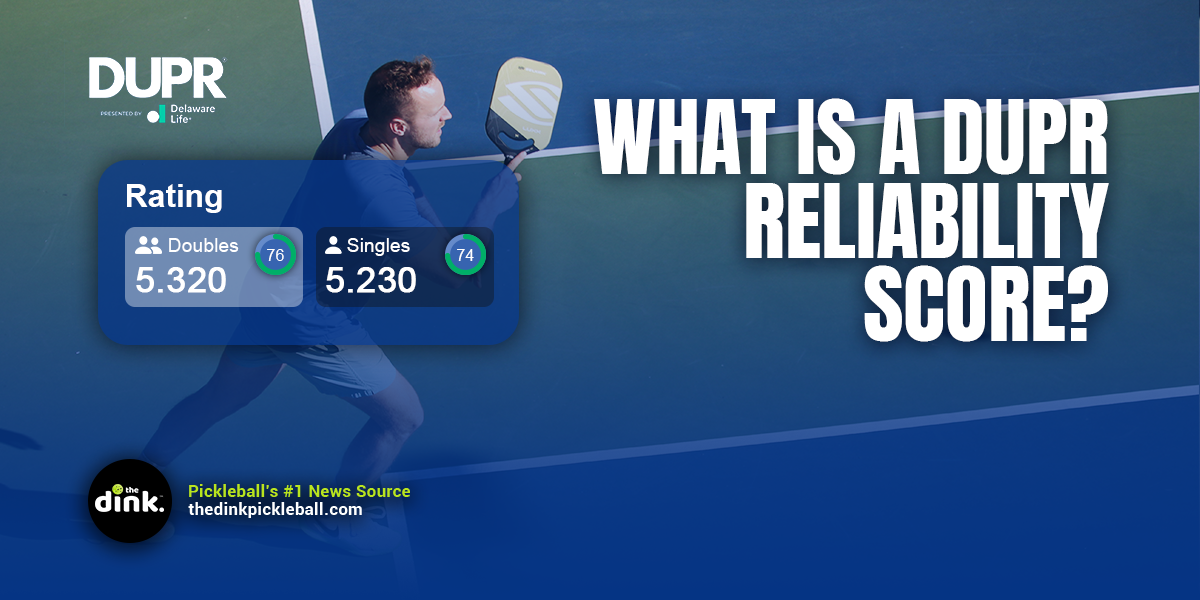
New players start with a provisional rating that becomes more accurate with additional matches. The system requires a minimum number of verified matches against different opponents to establish rating reliability.
Tournament participation significantly accelerates the rating process, as these matches are automatically verified and carry high algorithmic weight. League play and organized events also contribute valuable data to your rating calculation.
Maximizing Your DUPR Experience
To get the most accurate rating possible, focus on playing against diverse opponents across different skill levels. Seek out tournaments, leagues, and organized play opportunities where matches are automatically tracked.
Regular play against DUPR-rated opponents ensures your rating stays current and reflects your improving skills. The system rewards consistent play and accurate match reporting with more precise ratings.
FAQ
How many matches do I need for an accurate DUPR rating?
You need at least 15 verified matches against different opponents for your rating to become reliable. Tournament and league matches count more heavily than recreational games in the calculation.
Can I lose my DUPR rating if I don't play regularly?
Your DUPR rating remains active indefinitely, but it becomes less reliable without recent match data. The system emphasizes recent performance, so extended inactivity may affect rating accuracy when you return to play.
Do recreational matches count toward my DUPR rating?
Yes, casual matches against DUPR-rated players contribute to your rating, though they carry less weight than tournament or league play. Both players must verify the results for matches to count toward ratings.