The Erne shot stands as one of pickleball's most intimidating and effective offensive weapons. This aggressive net play allows you to attack balls outside the kitchen while catching opponents completely off guard. When executed properly, it's nearly impossible to defend against.
What Makes the Erne Shot So Devastating
The Erne shot's power lies in its ability to create impossible angles for your opponents. By jumping around the kitchen and volleying the ball from outside the non-volley zone, you're attacking from a position your opponent never expected. This element of surprise, combined with the sharp angles you can create, makes it one of the most feared shots in competitive pickleball.

Unlike traditional net shots that opponents can anticipate, the Erne forces players to defend against attacks coming from well outside their peripheral vision. The psychological impact is just as important as the tactical advantage.
Setting Up the Perfect Erne Opportunity
Reading the Ball Flight
Success with the Erne begins long before you jump. You need to identify balls that will travel wide of the court, typically from cross-court dinks or drives that pull toward the sidelines. The ideal Erne opportunity comes from balls hit with medium pace that give you time to position and execute.
Positioning and Timing
Start from your ready position at the kitchen line. As soon as you identify a ball heading wide, begin your movement toward the sideline. The key is starting your movement early enough to get around the kitchen legally while the ball is still in flight.
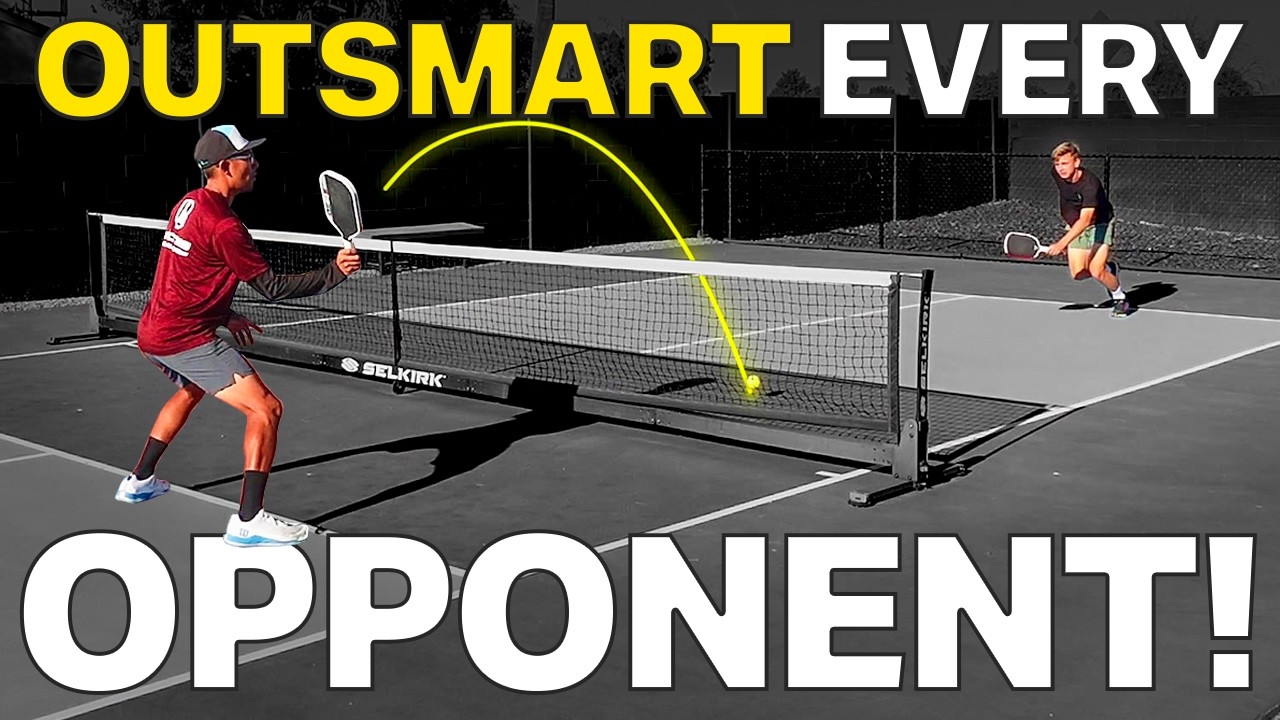
Your timing must be precise - too early and you'll arrive before the ball, too late and you'll miss the opportunity entirely. Practice reading ball trajectories to develop this crucial timing sense.
Executing the Jump and Shot
The Approach
Move quickly but under control toward the sideline. Your path should take you around the kitchen, not through it. Keep your paddle up and ready as you approach the jumping point.
The Jump
Launch yourself from outside the kitchen area, timing your jump so you'll meet the ball at its highest comfortable point. Your jump should be more forward than upward, propelling you toward the optimal contact point.
Contact Point
Strike the ball while airborne, focusing on creating sharp downward angles back into the court. The beauty of the Erne is that you can hit shots that would be impossible from a traditional net position. Aim for the areas your opponents can't reach - typically the opposite side of the court from where you jumped.
Legal Landing: Avoiding Faults
The most critical aspect of the Erne is landing legally. You must land outside the kitchen area - either beyond the baseline, in the playing area outside the kitchen, or even off the court entirely. Landing in the kitchen after an Erne results in an immediate fault.
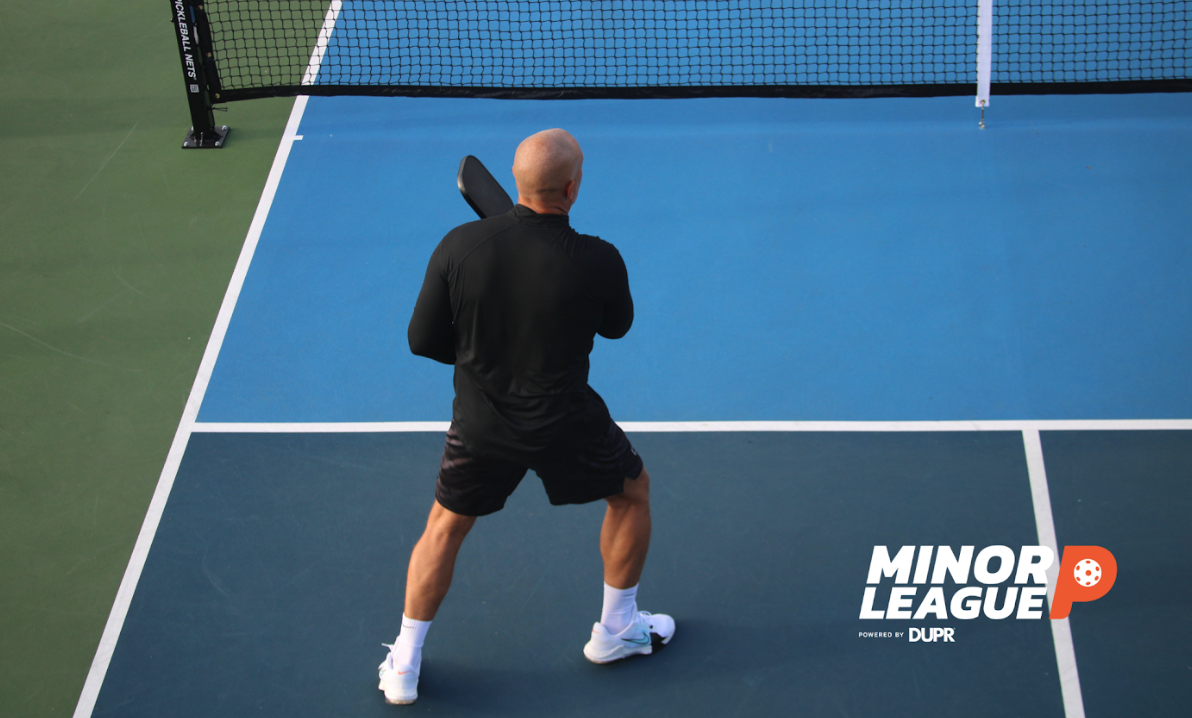
Plan your landing before you jump. Visualize where you'll come down and ensure it's in a legal area. Many players execute perfect Ernes only to fault on the landing, so this aspect requires careful attention and practice.
Common Erne Mistakes to Avoid
The biggest error is attempting Ernes on inappropriate balls. Not every wide ball is an Erne opportunity. Avoid trying this shot on balls that are too low, too fast, or don't provide enough time for proper setup.
Another common mistake is poor timing on the jump. Jumping too early leaves you hanging in the air waiting for the ball, while jumping too late means missing the opportunity entirely.
Practice Drills for Erne Mastery
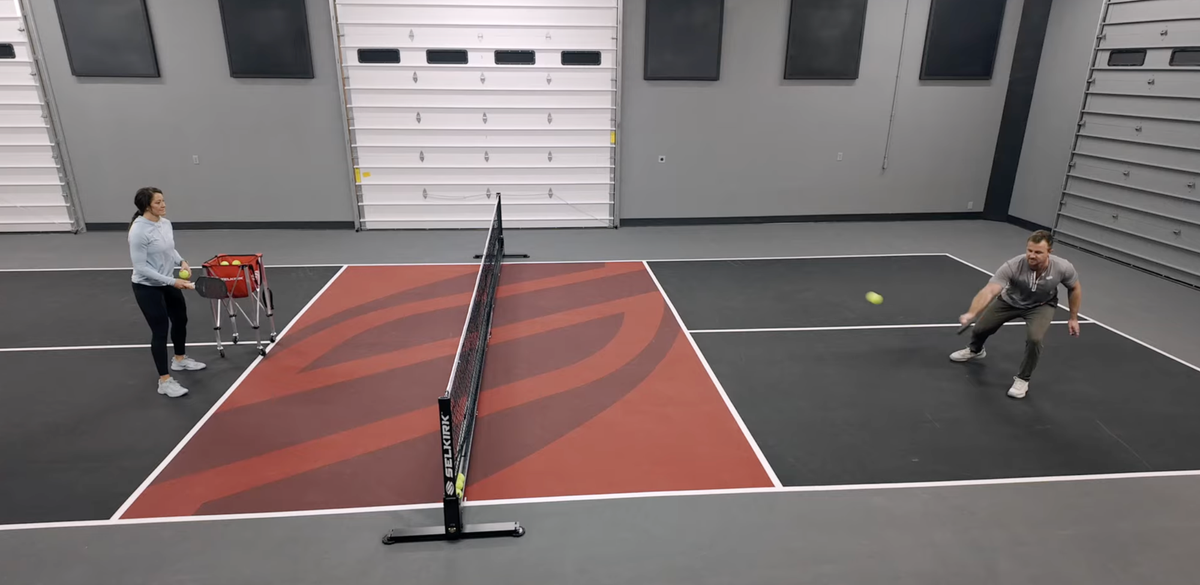
Start by practicing the movement pattern without a ball. Work on quickly moving around the kitchen and jumping with proper form. Once comfortable with the movement, add ball feeds from a partner, starting with easy setups and gradually increasing difficulty.
Practice landing in different legal areas to become comfortable with various scenarios you'll encounter in games.
FAQ
Can I step in the kitchen before jumping for an Erne?
No, you cannot step in the kitchen before jumping. You must go around the kitchen entirely. Any contact with the kitchen before or during your Erne attempt results in a fault.
Is there a height limit for the ball when attempting an Erne?
There's no official height limit, but practically speaking, the ball needs to be high enough for you to contact it while airborne. Very low balls are extremely difficult to Erne successfully and safely.
What happens if I land on the sideline or baseline after an Erne?
Landing on the sideline or baseline is legal as long as you don't land in the kitchen. The lines outside the kitchen are considered part of the legal landing area for Erne shots.