Flick vs Roll Shots: Master Both Pickleball Techniques
Understanding Flick vs Roll: Two Essential Pickleball Shots
In modern pickleball, mastering both the flick and roll shots can dramatically elevate your kitchen line game. While these techniques might seem similar at first glance, they serve distinct tactical purposes and require different execution methods. Understanding when and how to deploy each shot will give you a significant competitive advantage.
The Flick Shot: Quick and Aggressive
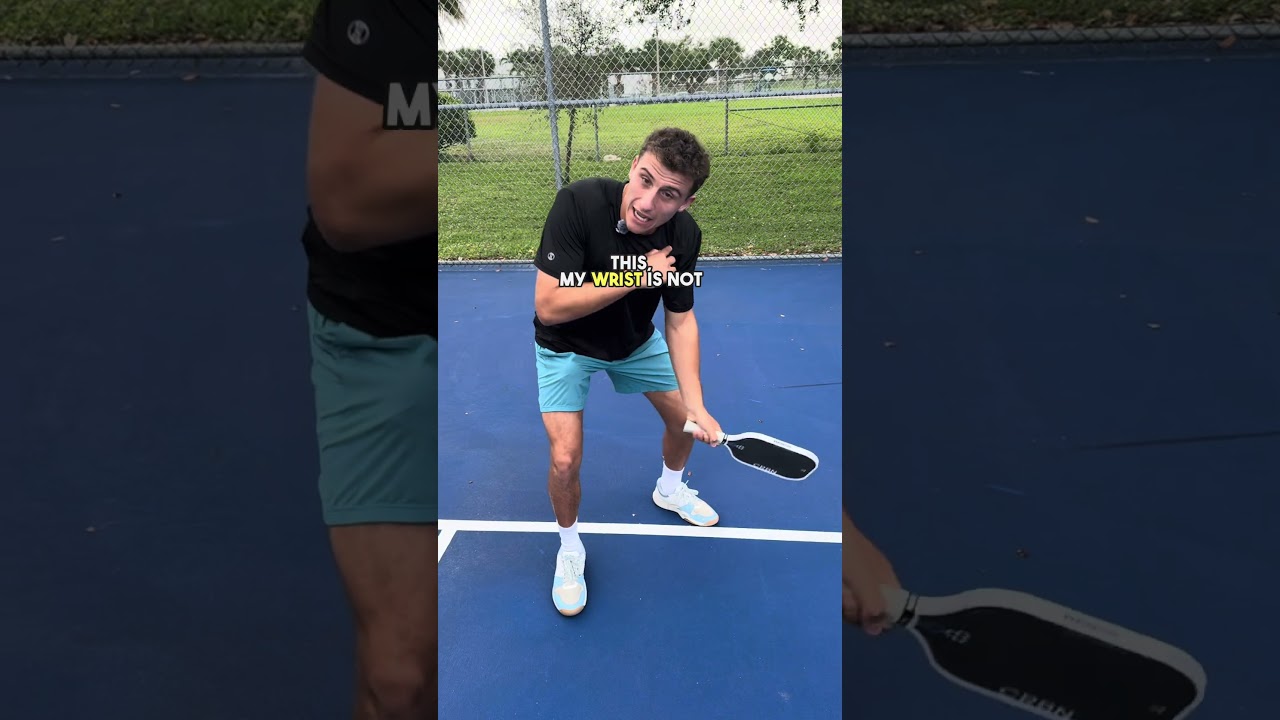
The flick shot is characterized by its rapid, wrist-driven motion that generates immediate pace and spin. This offensive weapon excels when you need to catch opponents off-guard or exploit short balls at the net.
Flick Shot Technique
Proper flick execution begins with a compact backswing and emphasizes wrist snap at contact. Keep your paddle face slightly open and focus on hitting through the ball with an upward trajectory. The motion should feel quick and decisive, similar to flicking water off your paddle.
When to Use the Flick
- When opponents are positioned deep in their court
- Against high, attackable balls at the kitchen line
- To create sharp angles that pull opponents wide
- When you need to finish points quickly
The Roll Shot: Controlled and Deceptive
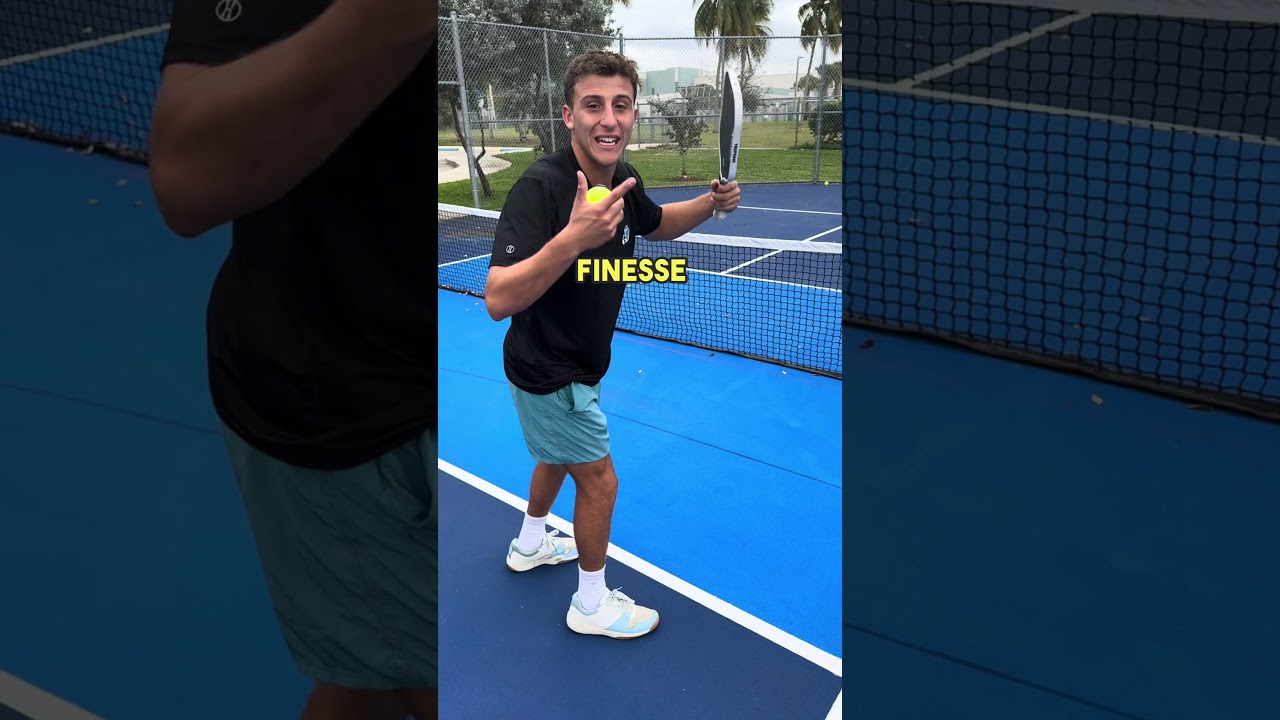
The roll shot represents finesse over power, utilizing topspin to create a diving ball flight that lands short and bounces low. This technique proves invaluable for maintaining pressure while minimizing risk.
Roll Shot Mechanics
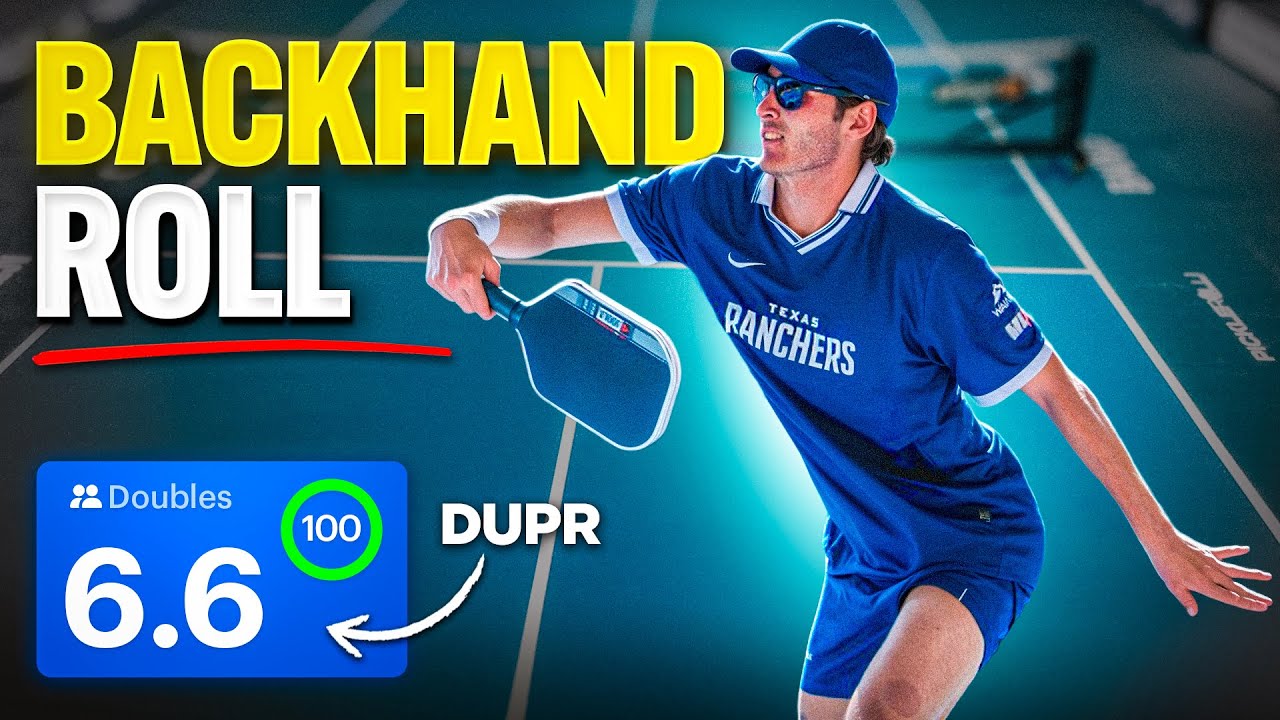
Execute the roll with a longer, smoother stroke that brushes up the back of the ball. Start with your paddle low and finish high, creating significant topspin. The key is maintaining a consistent arc while varying pace to keep opponents guessing.
Optimal Roll Shot Situations
- When opponents are crowding the kitchen line
- Against well-positioned defensive players
- To set up follow-up attacks
- When court positioning favors patience over aggression
Technical Differences That Matter
Contact Point Variations
Flick shots typically require contact at or slightly above net height, allowing for aggressive downward angles. Roll shots work effectively from various contact points, including below net level, due to their topspin trajectory.
Paddle Face Positioning
The flick demands precise paddle face control, often with a slightly closed angle to create the desired ball flight. Roll shots utilize a more vertical paddle face throughout the stroke, emphasizing the upward brushing motion that generates topspin.
Strategic Applications in Match Play
Reading Your Opponent
Successful shot selection depends heavily on opponent positioning and court geometry. Against aggressive net players, roll shots provide safer penetration into the kitchen. When facing defensive-minded opponents who stay back, flicks can exploit the extra space.
Creating Winning Combinations
Advanced players often combine both techniques within the same rally. Start with roll shots to establish position and rhythm, then transition to flicks when high-percentage opportunities arise. This varied approach prevents opponents from settling into defensive patterns.
Common Mistakes to Avoid
Many players struggle with timing and shot selection when learning these techniques. Avoid using flicks against well-positioned opponents, as the aggressive nature increases error rates. Similarly, don't rely solely on roll shots when clear put-away opportunities present themselves.
Practice both shots extensively in controlled environments before implementing them in competitive play. Focus on developing consistent mechanics first, then work on tactical applications and deceptive variations.
Frequently Asked Questions
Which shot is better for beginners to learn first?
Beginners should prioritize the roll shot initially, as it offers more margin for error and helps develop fundamental topspin mechanics. The controlled nature of roll shots builds confidence while teaching proper net play positioning.
Can you use both techniques with forehand and backhand strokes?
Yes, both flick and roll shots work effectively from either side. However, many players find the backhand roll particularly effective due to the natural upward motion, while forehand flicks often feel more intuitive for generating quick pace.
How do I practice these shots effectively?
Set up feeding drills with a partner positioned at the baseline while you practice from the kitchen line. Start with stationary targets, then progress to moving targets and reactive scenarios. Focus on 20-30 repetitions of each technique per practice session.