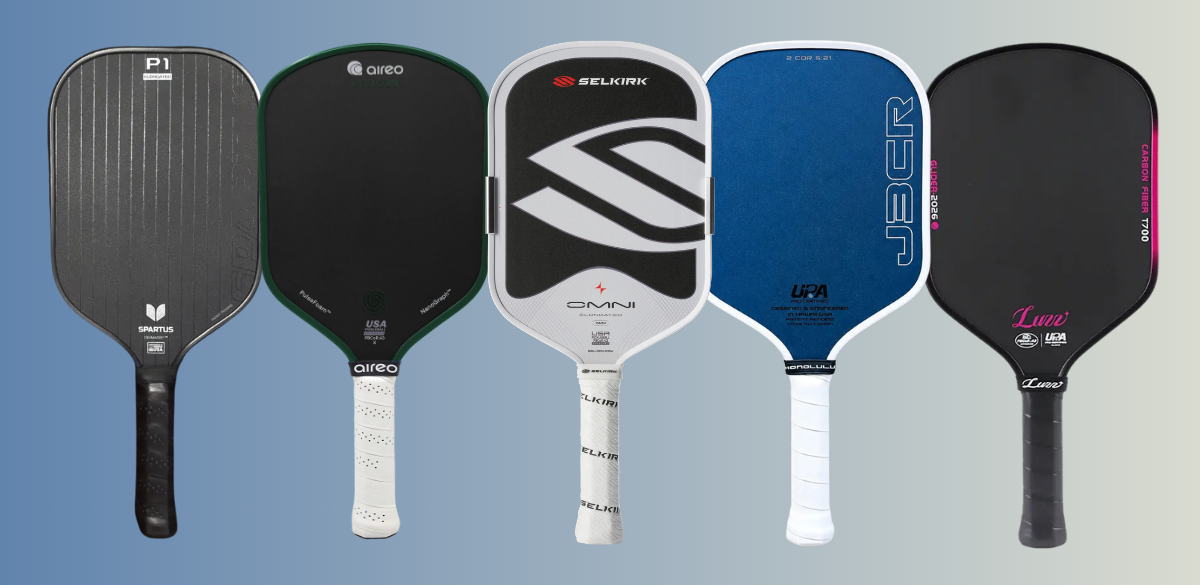
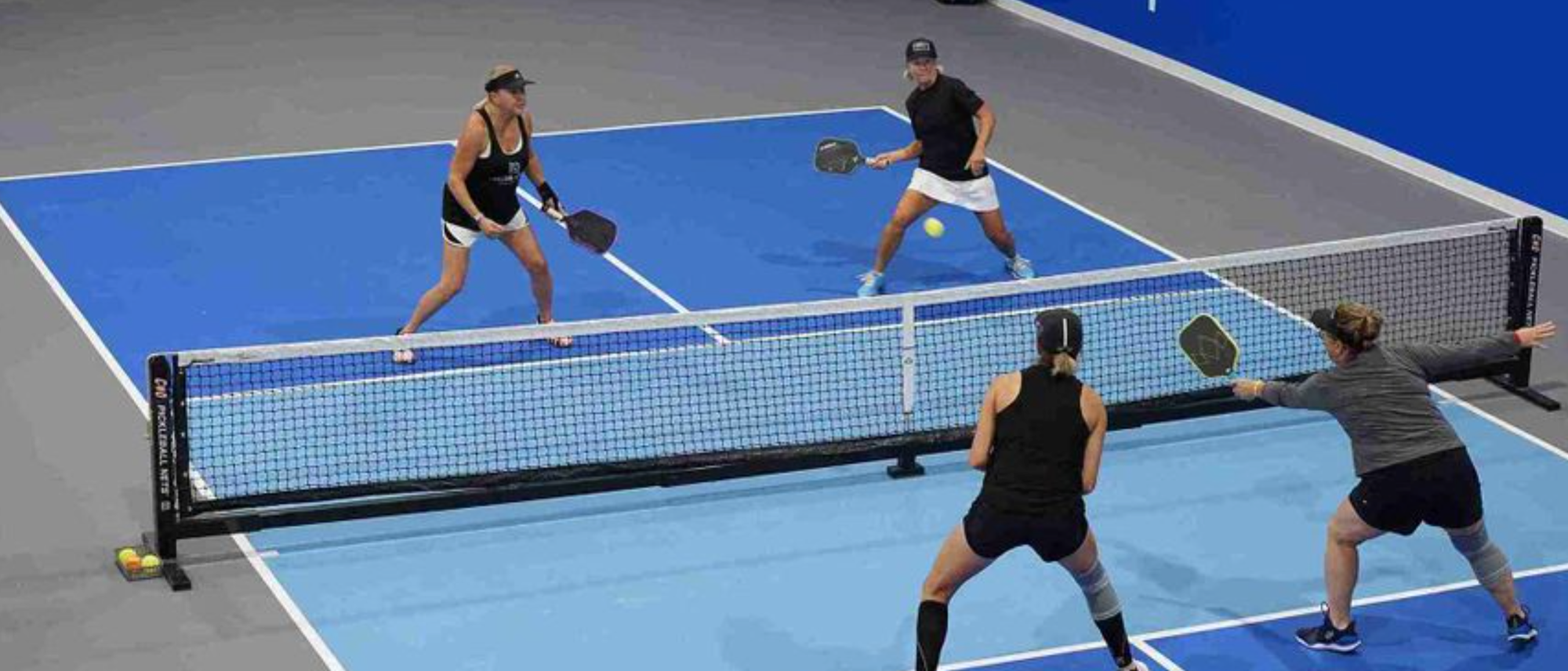
Learning how to customize your pickleball paddle can dramatically improve your game performance and comfort on the court. While many players rely solely on stock paddles, strategic customizations allow you to fine-tune your equipment to match your unique playing style, physical attributes, and skill level.
The right paddle modifications can enhance control, power, spin, and overall feel during gameplay. Whether you're looking to adjust grip size, modify weight distribution, or improve surface texture, understanding customization techniques will give you a competitive edge.
Understanding Your Paddle's Base Characteristics
Before making any modifications, you need to understand your current paddle's specifications and how they affect your play. This foundation knowledge helps you make informed customization decisions.
Core Paddle Specifications
- Weight: Typically ranges from 7.0 to 8.5 ounces
- Grip circumference: Usually between 4 to 4.5 inches
- Face material: Graphite, fiberglass, or composite surfaces
- Core construction: Polymer, aluminum, or Nomex honeycomb
- Balance point: Head-heavy, handle-heavy, or evenly balanced
Understanding these elements helps you identify which aspects need adjustment. For example, the Sypik Triton 5 Pro review shows how manufacturers balance these characteristics, providing a good baseline for comparison with your current paddle.
Grip Size and Handle Modifications
Proper grip size is crucial for comfort, control, and injury prevention. An incorrectly sized grip can cause tennis elbow, reduce shot accuracy, and limit your ability to generate spin.
Measuring Your Ideal Grip Size
To find your perfect grip size, measure from the middle crease of your palm to the tip of your ring finger. This measurement in inches corresponds to your ideal grip circumference. Most players need grips between 4.0 to 4.5 inches.
Grip Customization Options
- Overwraps: Add thin tape layers to increase circumference by 1/16 to 1/8 inch
- Replacement grips: Install thicker or thinner base grips for major size changes
- Cushioned grips: Improve comfort and reduce vibration
- Tacky grips: Enhance hold in humid conditions
When applying overwraps, start at the bottom of the handle and work upward with slight overlap. This ensures consistent thickness and prevents unwinding during play.
Weight and Balance Adjustments
Modifying your paddle's weight and balance point can significantly impact your swing speed, power, and maneuverability. These changes require careful consideration of your playing style and physical capabilities.
Adding Weight for Power
Adding weight to the paddle head increases power but reduces maneuverability. Use lead tape strategically placed around the paddle's perimeter. Start with small amounts (0.1-0.3 ounces) and test thoroughly before adding more.
- Top edge: Increases power and stability on overhead shots
- Sides: Improves twist resistance on off-center hits
- Corners: Maximizes moment of inertia for power
Handle Weight for Balance
Adding weight to the handle makes the paddle more head-light, improving maneuverability for quick exchanges at the net. Insert weighted tape inside the handle or add weight to the butt cap area.
Surface Texture and Spin Enhancement
Surface modifications can dramatically improve your ability to generate spin, which is increasingly important in modern pickleball strategy. However, be mindful of tournament regulations regarding surface modifications.
Legal Surface Modifications
Tournament play requires smooth surfaces, but recreational modifications can include:
- Light sanding: Creates subtle texture for enhanced grip on the ball
- Paddle tape: Specialized tapes designed for racquet sports
- Surface cleaners: Remove buildup that reduces natural texture
Always check with your local tournament director about surface modification rules. Many recreational players find that simply maintaining their paddle's original texture through proper cleaning significantly improves spin generation.
Testing and Fine-Tuning Your Modifications
Proper testing ensures your modifications actually improve your game rather than hindering it. Make changes gradually and test thoroughly before making additional adjustments.
Testing Protocol
- Baseline testing: Record your performance metrics before modifications
- Single changes: Modify one element at a time
- Practice sessions: Test modifications during actual gameplay
- Progressive adjustments: Make small incremental changes
Use structured practice sessions with our drill planner to objectively evaluate how modifications affect different aspects of your game. Focus on consistency, power, and comfort during extended play.
Consider consulting our paddle reviews and rankings to understand how modified characteristics compare to different paddle models. This comparison helps determine if your modifications are achieving desired results.
Frequently Asked Questions
Can paddle modifications affect tournament legality?
Yes, certain modifications may violate tournament rules. Weight additions are generally allowed, but surface modifications that create texture or roughness are typically prohibited in sanctioned tournaments. Always check current USAPA rules and tournament-specific regulations before competing.
How much weight can I safely add to my paddle?
Most players can comfortably add 0.2 to 0.5 ounces without significantly impacting their swing mechanics. Start with 0.1-ounce increments and monitor for any signs of arm fatigue or reduced control. Adding more than 0.5 ounces typically requires adjustment to your playing technique.
Will grip modifications void my paddle warranty?
Grip changes like overwraps or replacement grips typically don't void warranties since they don't alter the paddle's core structure. However, modifications involving drilling, sanding, or adhesive weight additions may void warranty coverage. Check with your paddle manufacturer before making permanent modifications.