Why You Keep Getting Targeted in Pickleball
Every pickleball player faces that uncomfortable reality: opponents keep hitting balls directly at you. Whether it's your positioning, perceived weaknesses, or simply strategic targeting, being the focus of attacks can quickly derail your game and confidence.
The key isn't just surviving these attacks—it's transforming from a defensive target into an offensive threat. Smart players use specific tactical strategies to flip the script and regain control of rallies.
Master the Inside Foot Attack Strategy
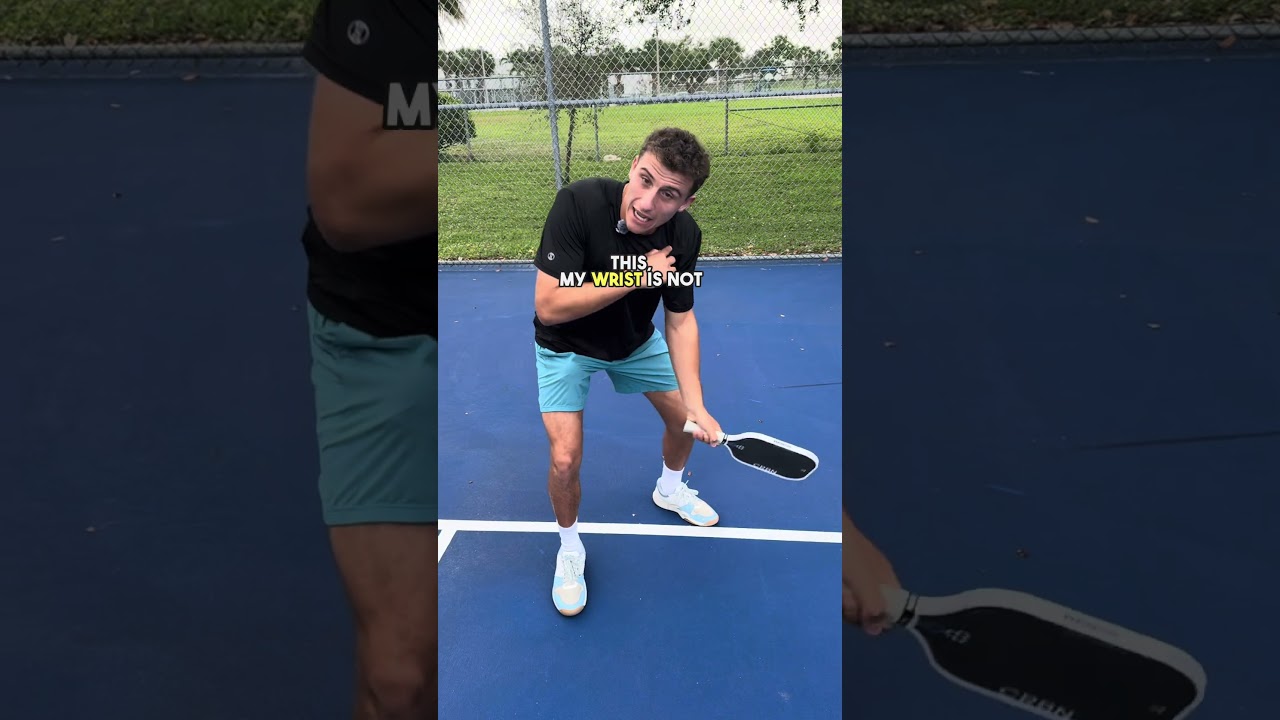
One of the most effective counters when being targeted is attacking your opponent's inside foot. This tactical approach exploits a fundamental weakness in most players' positioning and movement patterns.
Why the Inside Foot Target Works
When players are positioned at the non-volley zone line, their inside foot (the foot closest to the center of the court) represents their most vulnerable target. Hitting to this spot forces awkward movement and often results in weak returns or outright errors.
The inside foot attack is particularly effective because it:
- Forces players to move their paddle across their body
- Creates uncomfortable backhand angles for most players
- Disrupts their ready position and balance
- Often results in pop-up returns you can attack
Executing the Inside Foot Attack
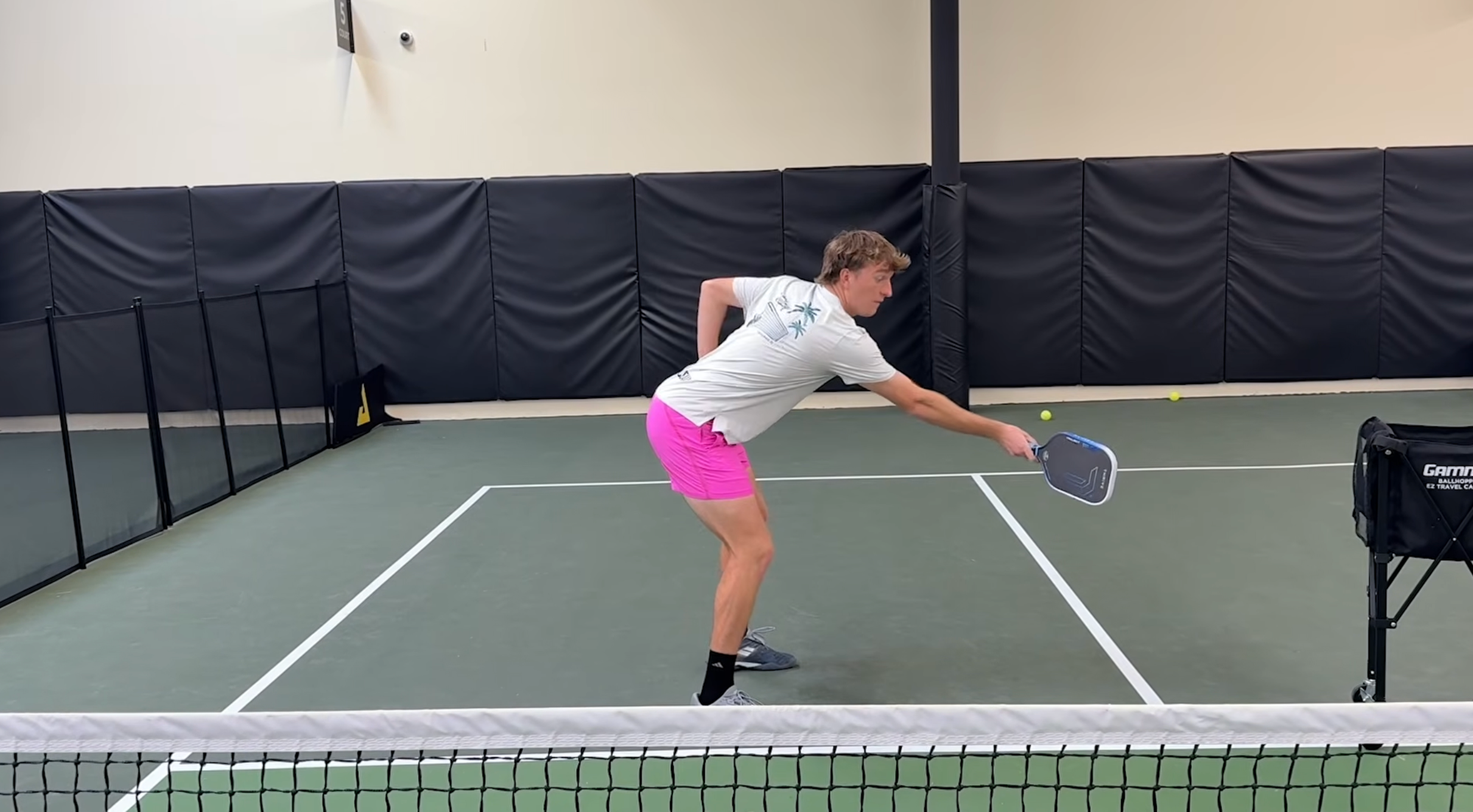
To execute this strategy effectively, focus on placement over power. Aim for the area just behind their inside foot, forcing them to reach back while maintaining balance. This technique works best when your opponents are leaning forward or crowding the net.
Exploit Forward Weight with Strategic Lobs
When opponents are aggressively targeting you, they often position themselves with forward momentum and weight distribution. This creates the perfect opportunity for a well-timed lob that can completely shift rally control.
Reading Forward Weight Positioning
Watch for these telltale signs that indicate your opponents are vulnerable to lobs:
- Excessive forward lean at the non-volley zone
- Crowding the net after aggressive shots
- Quick forward steps during exchanges
- Both players positioned very close to the net
Timing Your Lob Counter
The most effective lobs come when opponents least expect them. After being targeted repeatedly, they often anticipate continued aggressive play at net level. A sudden lob catches them off-guard and forces a complete repositioning of their strategy.
Aim your lobs deep to the baseline, preferably over the player who's been most aggressive in targeting you. This forces them into a defensive retreat and often results in a weak return you can attack.
Additional Tactical Responses to Targeting
The Cross-Court Redirect
Instead of trying to hit through aggressive opponents, redirect their power cross-court. This uses their momentum against them while moving the ball away from your position, creating better angles for your next shot.
Drop Shot Reset
When facing rapid-fire targeting, a well-placed drop shot can completely change the rally's pace and rhythm. This forces opponents to adjust from aggressive attacking to careful positioning, giving you time to reset and regain control.
Communication and Positioning
If playing doubles, communicate with your partner about switching positions or creating strategic switches that can confuse opponents who have been successfully targeting specific areas.
Maintaining Mental Composure Under Pressure
Being targeted can be mentally challenging, but maintaining composure is crucial for executing these tactical responses. Focus on:
- Staying calm and patient between points
- Recognizing targeting as a compliment to your court position
- Using targeting as information about opponents' strategies
- Celebrating successful counters to build confidence
Frequently Asked Questions
How do I know when I'm being specifically targeted versus normal gameplay?
You're being targeted when 70% or more of your opponents' shots come directly at you, especially when better court positioning suggests they should be hitting elsewhere. Look for patterns where opponents consistently choose you over your partner or avoid open court areas to attack your position.
What if my lobs keep getting smashed back at me?
If your lobs are being attacked consistently, you're likely not getting enough height or depth. Aim for at least 10-12 feet of clearance over your opponents' heads and target within 3 feet of the baseline. Practice lobs during warm-up to gauge court depth and develop consistent placement.
Should I tell my partner when I notice targeting patterns?
Absolutely. Communication about targeting patterns helps your partner understand rally dynamics and positioning needs. Use timeouts or between-point moments to discuss observations and coordinate tactical responses, such as switches or specific shot selections.