Mari Humberg's Backhand Flick Mastery Guide
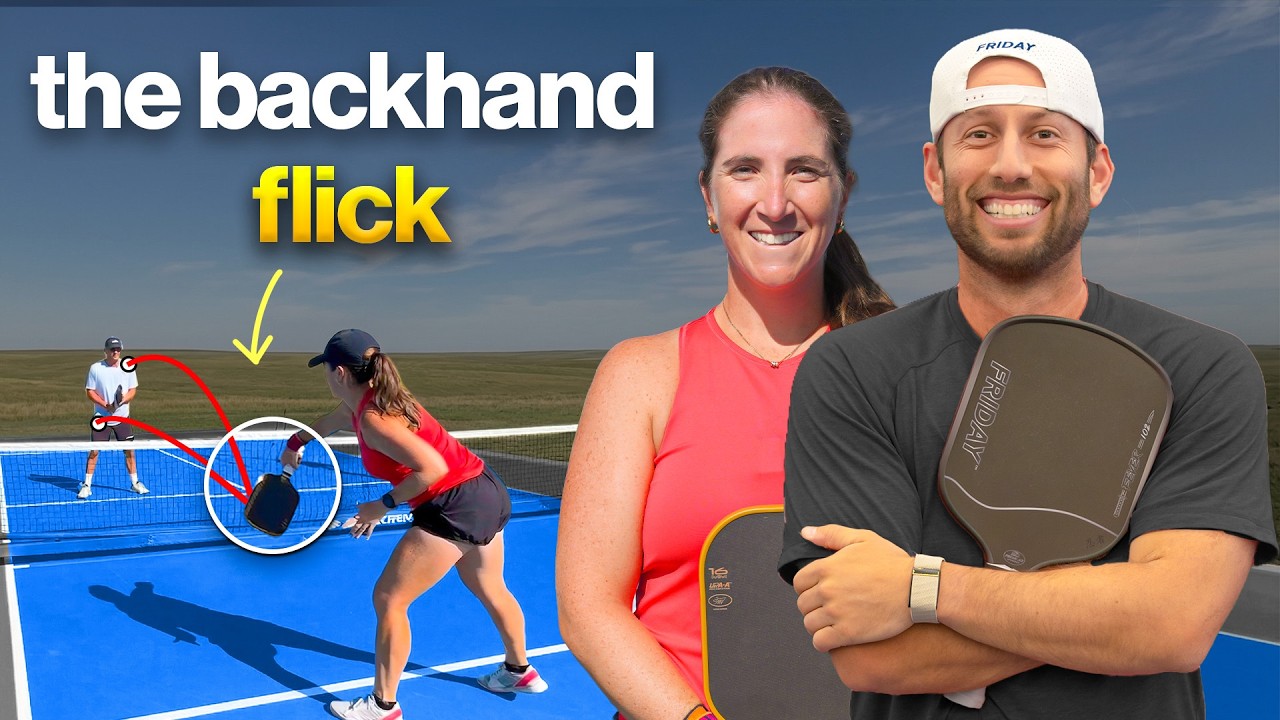
Why the Backhand Flick is Pickleball's Ultimate Weapon
The backhand flick stands as one of pickleball's most devastating offensive shots, yet it remains elusive for most recreational players. This explosive shot can turn defense into instant offense, catching opponents completely off-guard and creating winning opportunities from seemingly impossible positions.
Professional player Mari Humberg has perfected this technique and generously shares her insights on mastering what many consider the most challenging shot in pickleball. Her systematic approach breaks down this complex movement into manageable components that players can practice and implement.
Understanding the Backhand Flick Fundamentals
The backhand flick differs significantly from traditional backhand drives. While a drive focuses on power and depth, the flick emphasizes quick wrist action, precise placement, and deceptive timing. This shot typically occurs at the non-volley zone line when players receive a slightly higher ball that presents an attacking opportunity.
Essential Grip Selection
Mari emphasizes that grip selection forms the foundation of successful backhand flicks. Most players should utilize a continental grip or a slight eastern backhand grip. The continental grip offers maximum versatility and wrist mobility, crucial for generating the snap action required for effective flicks.
Players using an extreme western grip will struggle with this shot due to limited wrist flexibility and awkward racket face positioning. The grip should feel comfortable yet allow for quick wrist rotation without tension in the forearm.
Proper Body Positioning and Footwork
Positioning determines whether you'll execute a successful flick or miss entirely. Mari stresses the importance of getting your body into the optimal position before attempting the shot. Your feet should be positioned with your non-dominant foot slightly forward, creating a stable base for the explosive movement.
The key lies in maintaining balance while preparing to generate maximum racket head speed. Players often make the mistake of leaning too far forward or backward, compromising their ability to control the shot direction and power.
Technical Execution Breakdown
The Preparation Phase
Recognition and early preparation separate successful flicks from failed attempts. Mari teaches players to identify flick opportunities quickly - typically when the ball bounces higher than the net but lower than shoulder height. The racket preparation should be compact, with the racket head positioned below the intended contact point.
Contact Point and Follow-Through
The magic happens at contact. Mari demonstrates how the wrist action creates the flick's characteristic snap, generating topspin that brings the ball down into the court despite its initial upward trajectory. The contact point should occur slightly in front of your body, allowing for maximum control and power transfer.
The follow-through is crucial for both power and accuracy. Rather than a long, extended follow-through like a drive, the flick requires a more controlled finish that maintains the shot's deceptive nature while ensuring proper ball placement.
Strategic Court Positioning
Mari emphasizes that successful flicks aren't just about technique - court positioning plays an equally important role. The ideal position for executing backhand flicks is typically from the left side of the court for right-handed players, allowing for cross-court angles that are difficult to defend.
Understanding when not to attempt a flick is equally important. Mari advises against flicking when opponents are well-positioned to counter-attack or when the ball height doesn't provide a clear advantage.
Common Mistakes to Avoid
Most players rush the preparation phase, resulting in poor contact and erratic shot placement. Mari identifies several critical errors: attempting flicks from awkward positions, using excessive arm motion instead of wrist action, and failing to commit fully to the shot execution.
Another frequent mistake involves poor target selection. Players often aim for spectacular winners rather than high-percentage placements that maintain offensive pressure while minimizing risk.
Practice Drills and Implementation
Mari recommends starting with stationary practice, focusing purely on the wrist action and contact feel. Progress to having a partner feed balls at the correct height and pace, gradually increasing the complexity as comfort develops.
Consistent practice builds muscle memory and confidence, essential elements for executing flicks during competitive play when decision-making happens in split seconds.
Frequently Asked Questions
When should I attempt a backhand flick instead of a regular backhand?
Attempt a backhand flick when the ball bounces between net height and shoulder height, your opponents are positioned defensively, and you have proper court position. Avoid flicks when opponents are ready to attack or when you're off-balance.
What's the most common mistake beginners make with backhand flicks?
The most common mistake is using too much arm motion instead of focusing on wrist snap. Beginners also tend to attempt flicks from poor positions rather than waiting for optimal opportunities when they have proper setup and balance.
How long does it typically take to master the backhand flick?
Mastering the backhand flick varies significantly among players, but most dedicated players see improvement within 2-3 months of focused practice. Consistent technique work and understanding when to use the shot are more important than immediate power or placement.