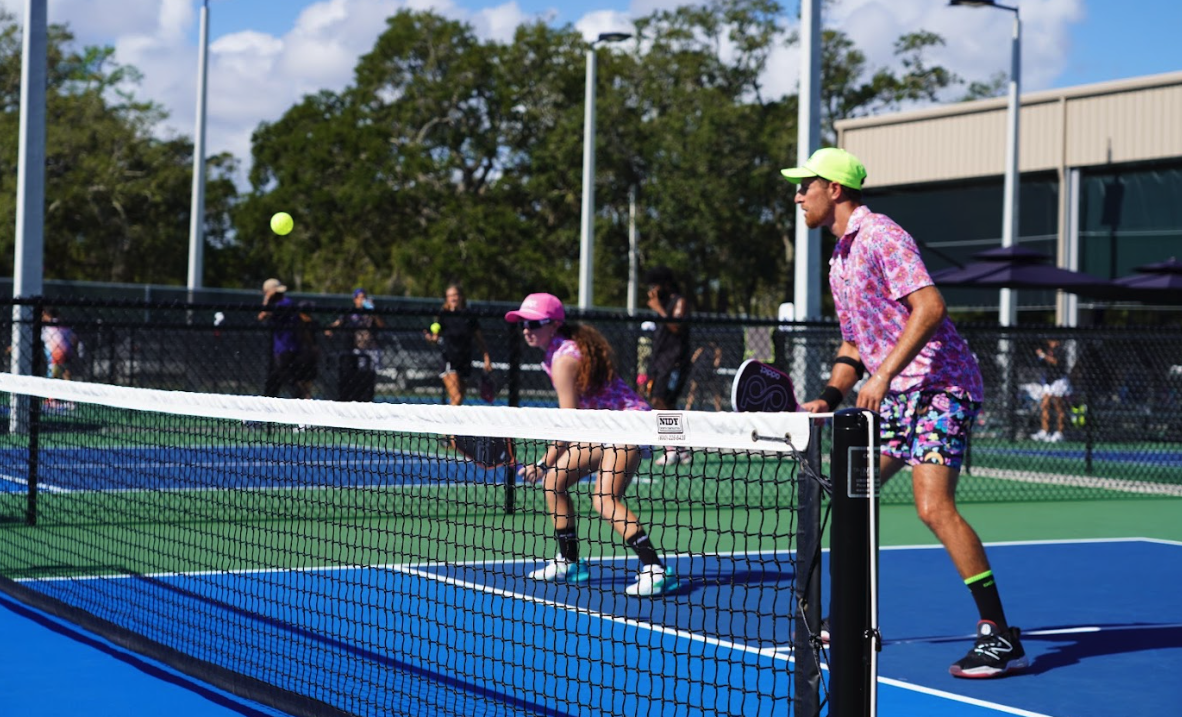
Getting caught off-guard by aggressive speed-ups at the kitchen line? You're not alone. This rapid-fire attack strategy has become the go-to weapon for players looking to end rallies quickly, but with the right defensive system, you can turn these attacks into opportunities.
The Block, Reset & Reload method is a three-phase defensive strategy that transforms chaotic net exchanges into controlled rallies. Instead of panicking when opponents unleash fast hands, you'll have a clear roadmap to neutralize their aggression and regain control.
Phase 1: The Block - Your First Line of Defense
The block is your immediate response to incoming speed-ups. This isn't about power—it's about positioning and paddle angle control.
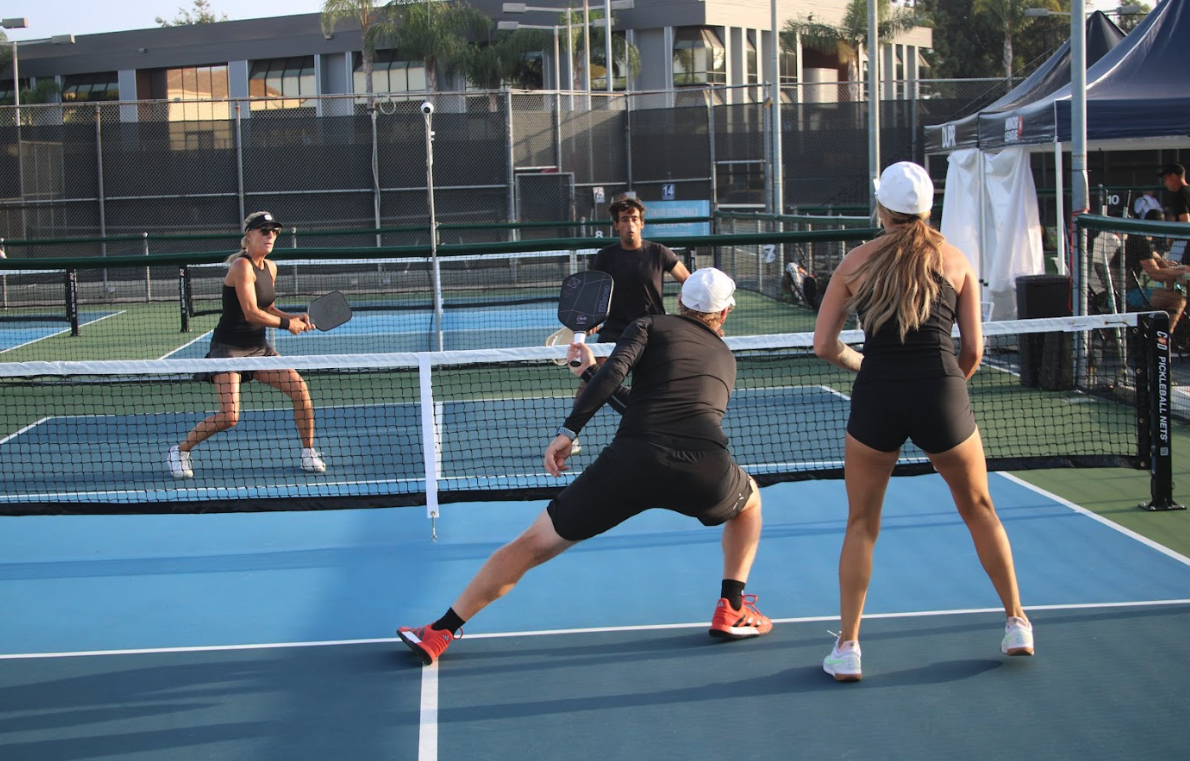
Key blocking fundamentals:
- Keep your paddle face slightly open (15-20 degrees)
- Position yourself with feet parallel to the net
- Maintain a compact swing with minimal backswing
- Focus on paddle stability rather than power
The goal isn't to win the point immediately—it's to absorb the pace and create time for your next move. Think of it as catching a fastball rather than swinging at it.
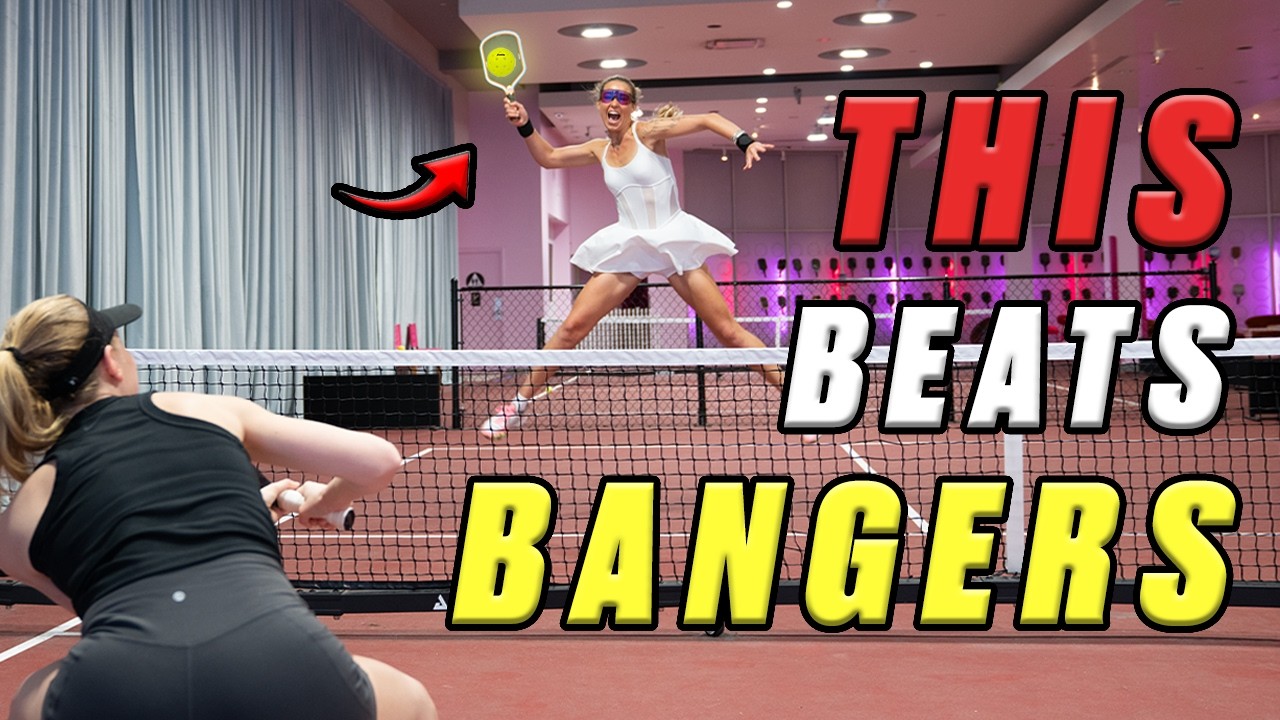
Common Blocking Mistakes to Avoid
Many players attempt to counter-attack immediately, leading to unforced errors. The block phase requires patience and precision. Resist the urge to swing hard and instead focus on controlled contact that gives you time to transition to phase two.
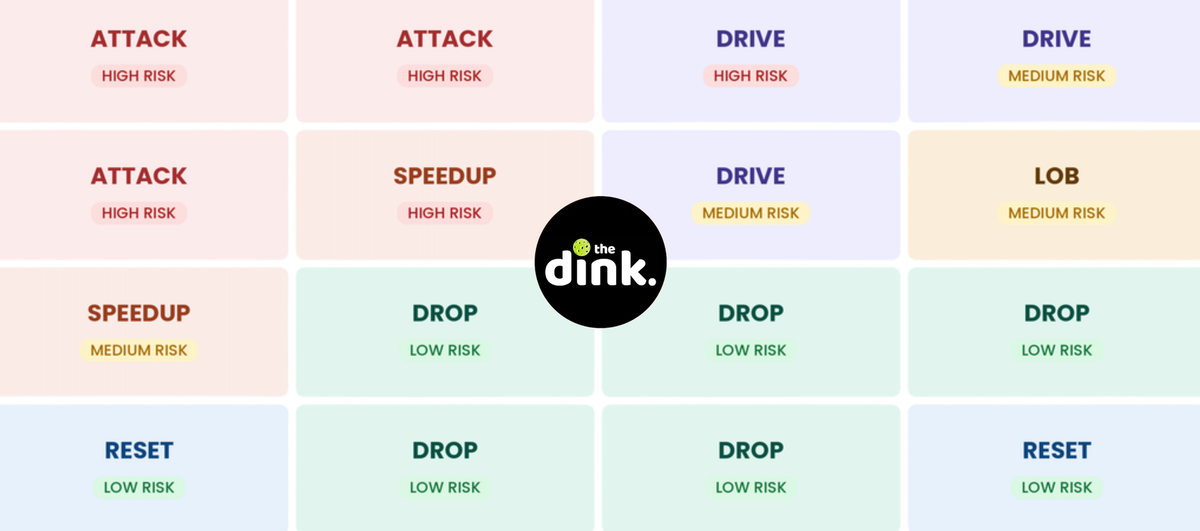
Phase 2: The Reset - Neutralizing the Attack
After successfully blocking the initial speed-up, the reset phase shifts momentum back in your favor. This is where you transform defense into neutrality.
Reset execution strategy:
- Aim for the opponent's feet or short in their court
- Use a soft, controlled touch to remove pace
- Target the middle of the court to create confusion
- Keep the ball low to force an upward shot
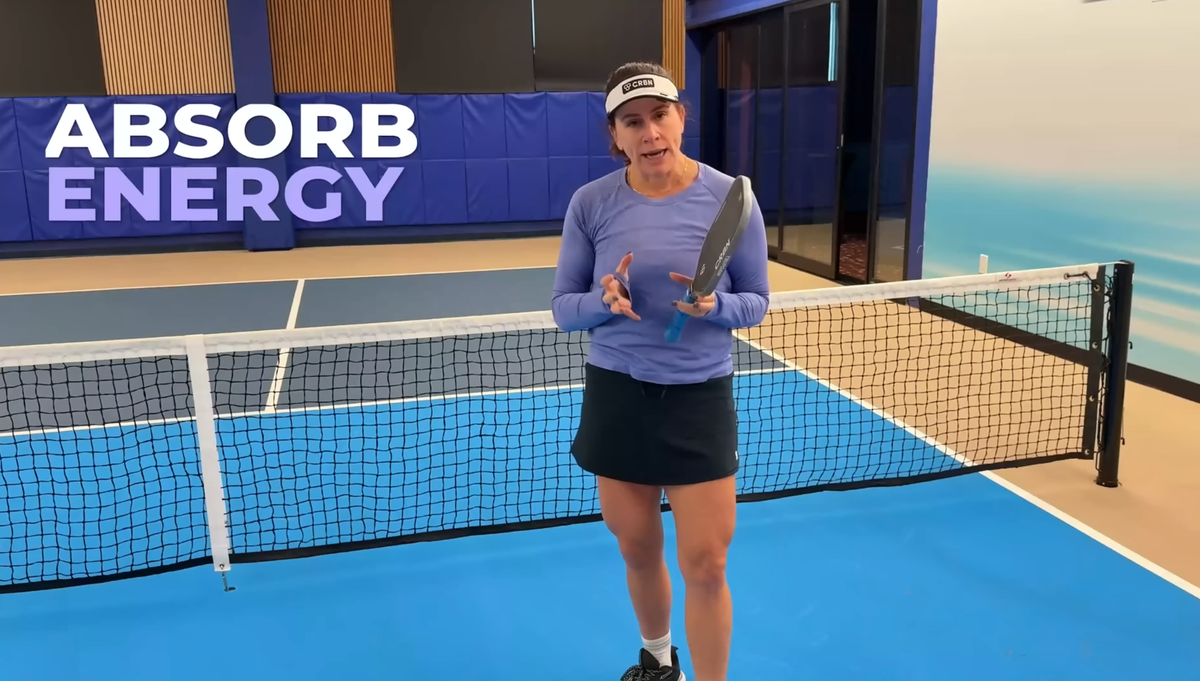
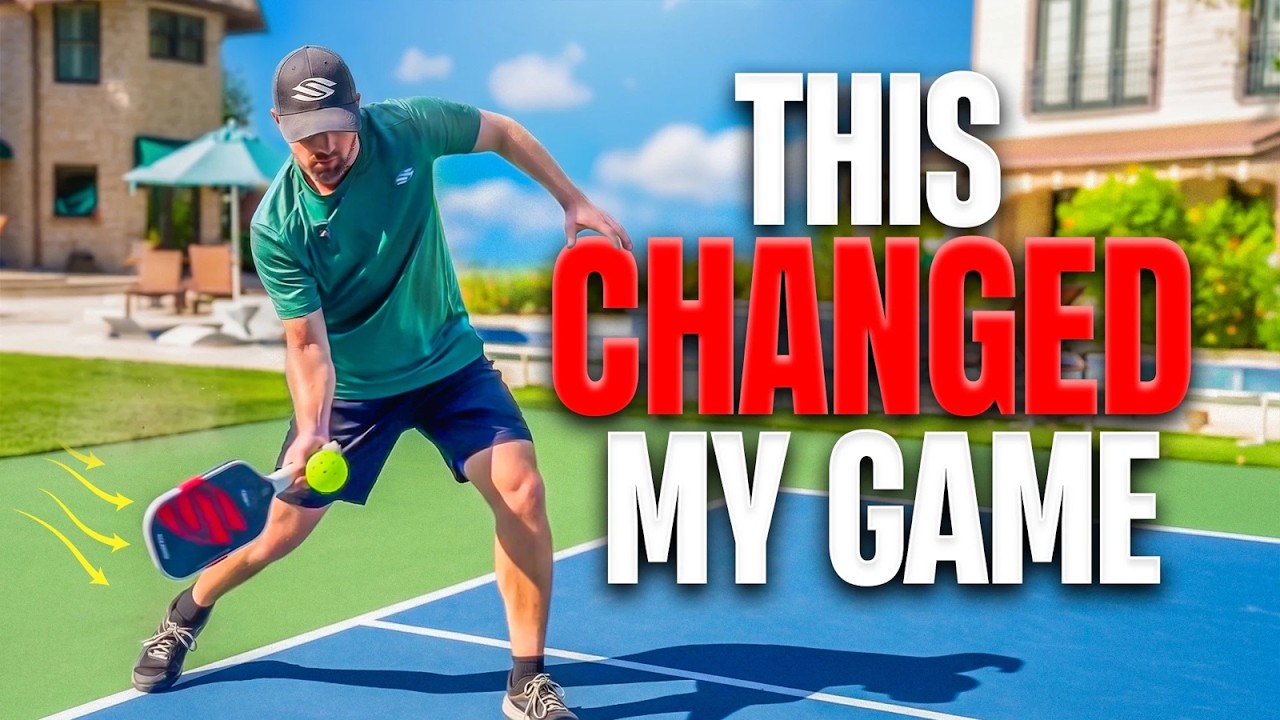
The reset shot should land softly, preferably in the transition zone or at your opponent's feet. This forces them to hit up, giving you the advantage for the final phase.
Reset Placement Strategies
Effective resets aren't just about soft shots—they're about strategic placement. Target areas where opponents struggle to maintain their aggressive positioning, particularly the deep corners of the kitchen or right at their shoe tops.
Phase 3: The Reload - Taking Control
The reload phase is where you transition from defense to offense. With your opponents now forced into a defensive position, you can dictate the rally's tempo.
Reload opportunities:
- Look for high balls to attack
- Move forward to compress the court
- Initiate your own controlled speed-up
- Target weak return positions
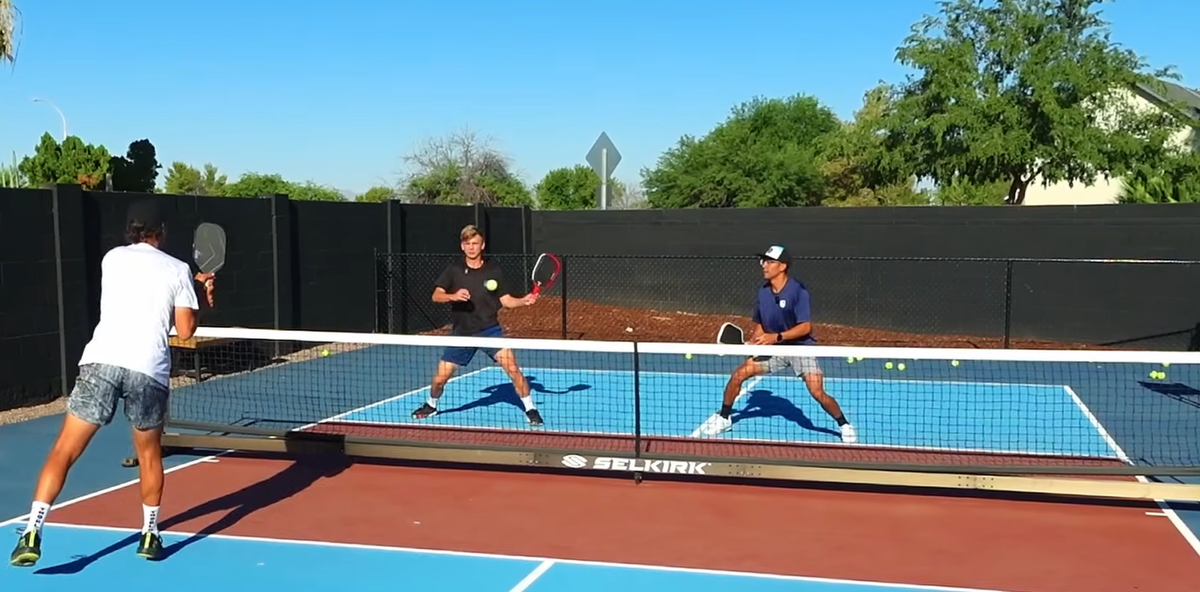
The reload isn't necessarily about power—it's about intelligent aggression. You've now created the opportunity to be the attacker while your opponents scramble to defend.
Practicing the System
This three-phase system requires muscle memory and quick decision-making. Start by practicing each phase separately before combining them into fluid sequences.
Recommended practice drills:
- Block practice against consistent feeds
- Reset accuracy targeting specific court zones
- Reload timing with partner feeding high balls
- Full system integration during live play
Mental Game and Court Positioning
Success with this system requires proper mental preparation. Instead of fearing speed-ups, view them as opportunities to showcase your defensive skills and strategic thinking.
Maintain optimal court position throughout each phase. Stay light on your feet, keep your paddle ready, and trust the process. The Block, Reset & Reload system works when executed with confidence and precision.
Frequently Asked Questions
How long does it take to master the Block, Reset & Reload system?
Most players see improvement within 2-3 weeks of focused practice, but mastering all three phases typically takes 1-2 months of consistent drilling and match play application.
What's the most common mistake when countering speed-ups?
The biggest error is trying to counter-attack immediately instead of following the three-phase progression. Players often skip the block and reset phases, leading to unforced errors and lost points.
Should I use this system against all types of aggressive shots?
While primarily designed for kitchen-line speed-ups, this system works effectively against most aggressive net play. Adjust the intensity of each phase based on the incoming shot's pace and placement.