Professional Paddle Testing Technology Reaches Amateur Players
The pickleball community has long grappled with equipment standardization issues, particularly as the sport experiences unprecedented growth. While professional tournaments have maintained strict paddle compliance protocols for years, recreational and amateur competitions have struggled with inconsistent equipment standards—until now.
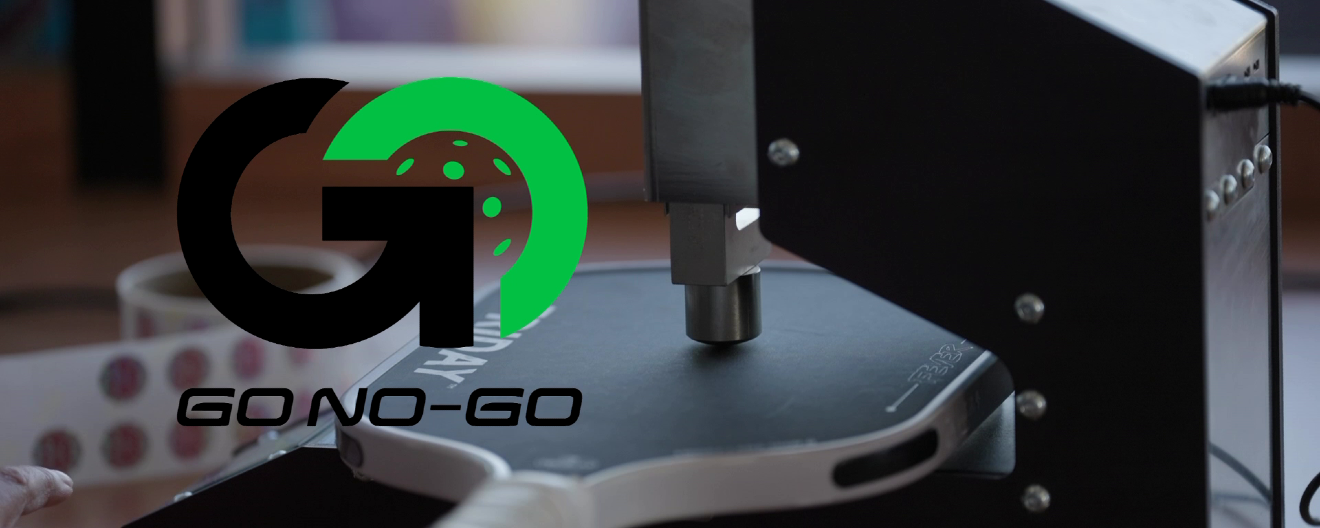
Automated Design Corp. (ADC) has developed a game-changing solution: the Go/No-Go (GNG) paddle testing machine. This revolutionary technology brings the same rigorous testing standards used in professional competition directly to local clubs, amateur tournaments, and recreational events across the country.
How the GNG Machine Works
The GNG testing system operates on sophisticated measurement principles that evaluate paddle compliance in real-time. Unlike traditional testing methods that required laboratory conditions and extensive time commitments, this portable machine delivers instant results on-site.
The device measures critical paddle specifications including surface roughness, deflection characteristics, and dimensional accuracy. Players simply present their paddle for testing, and within moments, receive a clear "go" or "no-go" determination regarding tournament legality.
Key Testing Parameters
The machine evaluates several crucial paddle attributes:
- Surface texture compliance: Ensures paddle surfaces meet official roughness standards
- Deflection limits: Measures paddle flexibility to prevent excessive power advantages
- Dimensional specifications: Verifies length, width, and thickness requirements
- Core integrity: Detects potential modifications or damage affecting performance
Bridging the Gap Between Pro and Amateur Standards
Previously, amateur players competed without the benefit of standardized equipment verification, creating potential fairness issues and inconsistent playing conditions. The GNG machine eliminates this disparity by providing the same level of equipment scrutiny found in professional tournaments.
Tournament directors can now confidently enforce equipment regulations without requiring expensive laboratory testing or lengthy verification processes. This accessibility ensures that all participants compete on truly level playing fields, regardless of tournament size or level.
Impact on Tournament Organization
The portable nature of the GNG system transforms tournament logistics. Event organizers can conduct paddle testing during registration or warm-up periods, eliminating delays and disputes that previously arose from equipment questions.
This streamlined process benefits players by providing immediate clarity about equipment legality, allowing them to address any issues before competition begins rather than facing disqualification mid-tournament.
Advancing Equipment Safety and Fair Play
Beyond competition fairness, the GNG machine addresses important safety considerations. By identifying paddles with structural compromises or modifications that could create unpredictable ball behavior, the system helps protect players from potential injuries caused by equipment failures.
The technology also supports manufacturers by providing consistent feedback about product compliance, encouraging innovation while maintaining sport integrity standards.
Widespread Adoption Potential
As the GNG machine becomes more prevalent, its impact extends beyond individual tournaments. Clubs and recreational facilities can integrate routine paddle testing into their operations, educating players about equipment standards and promoting fair play culture.
This grassroots approach to compliance testing helps establish consistent expectations across all levels of play, from casual recreation to competitive tournaments.
Future of Paddle Compliance
The introduction of portable, accessible testing technology represents a significant evolution in pickleball equipment management. As the sport continues growing, standardized compliance verification becomes increasingly important for maintaining competitive integrity.
The GNG machine's success could inspire similar innovations in other equipment categories, potentially expanding comprehensive testing protocols throughout the sport.
Frequently Asked Questions
How long does GNG paddle testing take?
The Go/No-Go machine provides results within minutes, making it practical for use during tournament registration or warm-up periods without causing significant delays.
Can the GNG machine detect all types of paddle modifications?
The system identifies most compliance issues including surface alterations, structural modifications, and dimensional irregularities, though it's designed to work alongside existing visual inspection protocols.
Will GNG testing become mandatory at all tournaments?
While adoption varies by organization and event level, the accessibility and speed of GNG testing make it increasingly attractive for tournament directors seeking to ensure fair competition.