Professional pickleball isn't just about power and precision—it's a psychological chess match where the smartest players exploit mental weaknesses. Anna Leigh Waters has mastered one of the most effective psychological tactics in sports: leveraging post-error slowing to dismantle her opponents' confidence and performance.
What Is Post-Error Slowing?
Post-error slowing is a well-documented neurological response where athletes become more cautious and slower in their decision-making immediately after making a mistake. This phenomenon occurs because the brain's anterior cingulate cortex detects the error and signals for increased cognitive control, leading to more deliberate but slower responses.
In pickleball terms, when a player hits a ball into the net or makes an unforced error, their brain automatically shifts into a more conservative mode. This results in:
- Slower reaction times on the next few points
- More tentative shot selection
- Reduced aggression at the net
- Overthinking simple decisions
How Anna Leigh Waters Exploits This Weakness
Waters has developed an intuitive understanding of when opponents are experiencing post-error slowing, and she capitalizes on these moments with surgical precision. Her strategy involves several key components:
Tempo Control Between Points
After forcing an opponent into an error, Waters strategically controls the pace between points. She either speeds up play to prevent recovery or slows it down to let the mistake marinate in her opponent's mind. This tempo manipulation keeps opponents off-balance and amplifies the post-error slowing effect.
Targeting the Affected Player
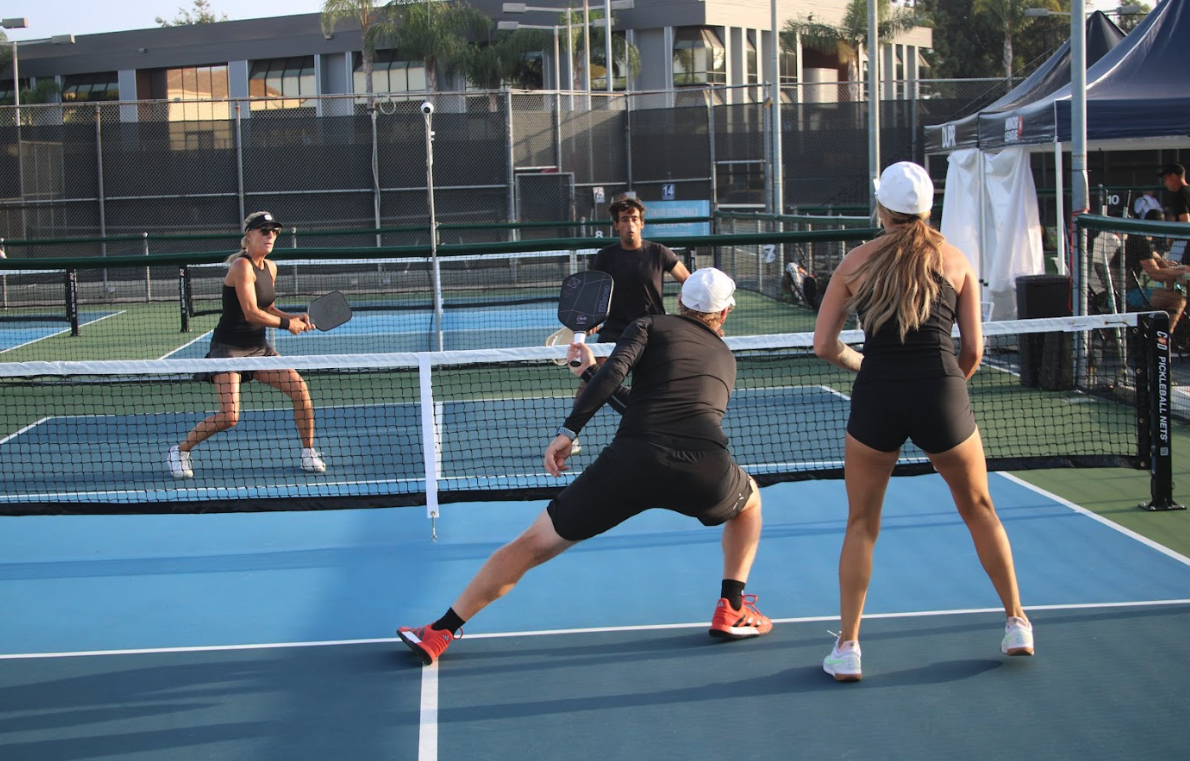
In doubles play, Waters identifies which opponent just made an error and immediately increases pressure on that player. She'll direct more shots toward them, knowing their reaction time and confidence are temporarily compromised.
The Neuroscience Behind the Strategy
Research in sports psychology shows that post-error slowing can last anywhere from one to five points, depending on the severity of the mistake and the player's mental resilience. During this window, players experience:
- Increased self-monitoring: The brain becomes hyperaware of potential mistakes
- Reduced automaticity: Previously automatic movements require conscious thought
- Confidence degradation: Doubt creeps into shot selection and execution
Waters intuitively recognizes these symptoms in her opponents and strikes when they're most vulnerable. Her ability to read body language, shot selection, and positioning allows her to identify when post-error slowing has taken hold.
Applying This Strategy to Your Game
Recreational players can incorporate elements of Waters' psychological approach into their own matches:
Recognize the Signs
Watch for opponents who become more tentative after errors—shorter swings, safer shot placement, or hesitation before serving. These are indicators that post-error slowing is affecting their performance.
Increase Pressure Strategically
When you notice an opponent struggling with post-error slowing, apply measured pressure. Hit to their location more frequently, but avoid overaggression that might snap them out of their funk with an easy put-away.
Control Your Own Response
Equally important is managing your own post-error slowing. Develop mental reset routines between points to minimize the phenomenon's impact on your game. Take deep breaths, focus on the next point rather than dwelling on mistakes, and maintain your normal pre-serve routine.
The Mental Game Advantage
Waters' success stems from understanding that pickleball victories are often won between the ears. By recognizing and exploiting post-error slowing, she gains a significant competitive advantage that goes beyond pure athletic ability.
This psychological insight explains why she can maintain dominance even when opponents match her technically. The mental game creates opportunities that wouldn't exist through shot-making alone.
Frequently Asked Questions
How long does post-error slowing typically last?
Post-error slowing usually affects players for 1-5 points after a mistake, depending on their mental resilience and the significance of the error. Professional players tend to recover faster than recreational players.
Can you train yourself to overcome post-error slowing?
Yes, mental training techniques like mindfulness, point-to-point reset routines, and cognitive behavioral approaches can help minimize post-error slowing effects. The key is developing awareness of the phenomenon and practicing recovery strategies.
Is it unsportsmanlike to exploit post-error slowing?
No, recognizing and capitalizing on opponents' mental states is a legitimate competitive strategy. It's part of the psychological aspect of sports, similar to maintaining composure under pressure or reading opponents' tendencies.