Starting your pickleball journey doesn't have to mean looking confused on the court. With over 13.6 million players nationwide, pickleball has become America's fastest-growing sport, but many beginners jump in without understanding the fundamentals.
These five essential concepts will give you the foundation you need to play confidently and avoid developing bad habits that are hard to break later.
1. Master the Double-Bounce Rule
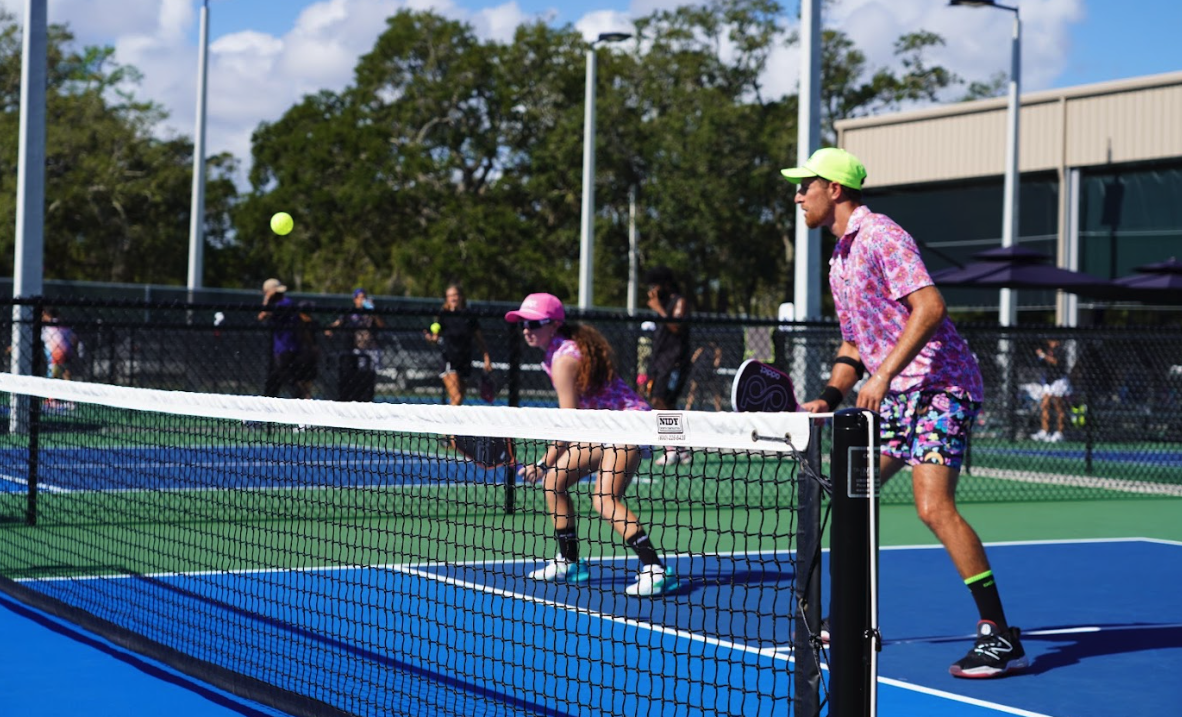
The double-bounce rule is pickleball's most unique feature and separates it from tennis or ping pong. After the serve, both the receiving team and serving team must let the ball bounce once on their side before hitting it.
This means the serve must bounce before the receiver hits it, and then the return must bounce before the serving team can hit it. Only after these two bounces can players hit the ball in the air (volley).
Why does this matter? The double-bounce rule prevents the serving team from rushing to the net immediately and creates longer rallies with more strategic play.
2. Understand the Non-Volley Zone (The Kitchen)
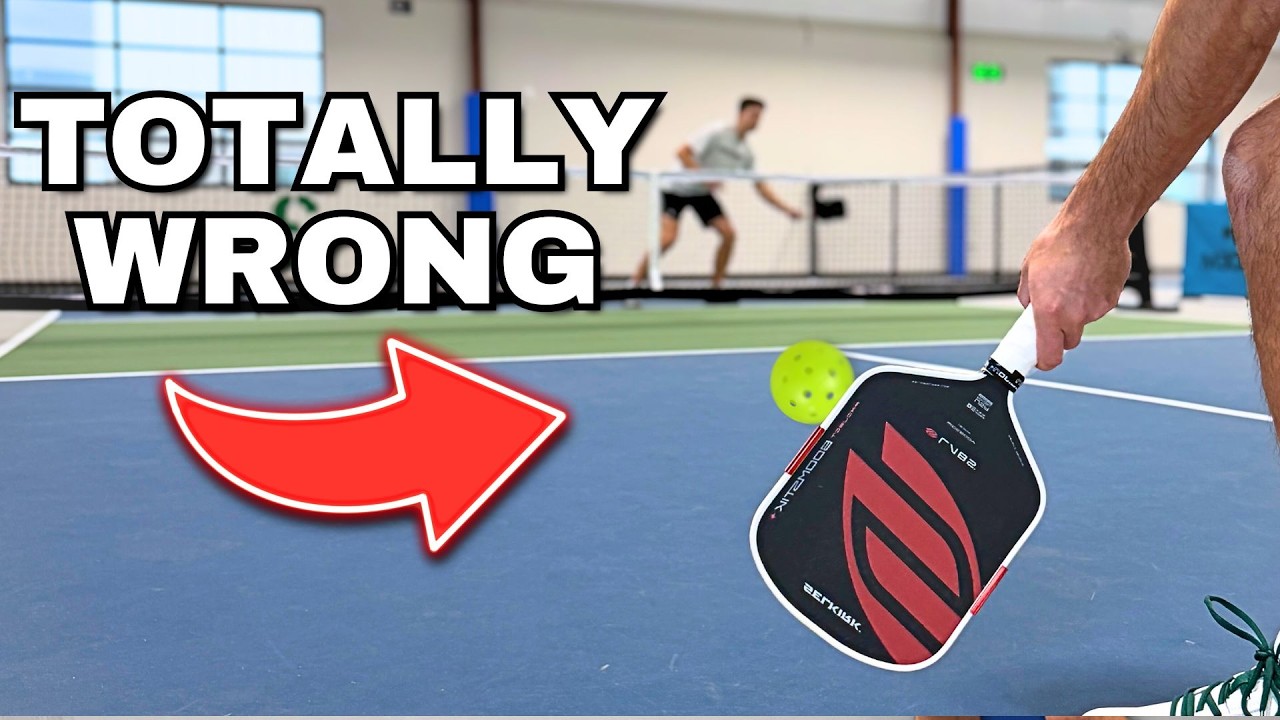
The seven-foot area on both sides of the net is called the non-volley zone, or "kitchen." You cannot hit the ball in the air while standing in this zone or while your momentum carries you into it.
However, you can step into the kitchen to hit a ball that has bounced. This rule prevents players from camping at the net and smashing every ball downward.
Common mistake: Many beginners think they can never enter the kitchen. You can—just not when hitting a volley.
3. Learn Proper Serving Fundamentals
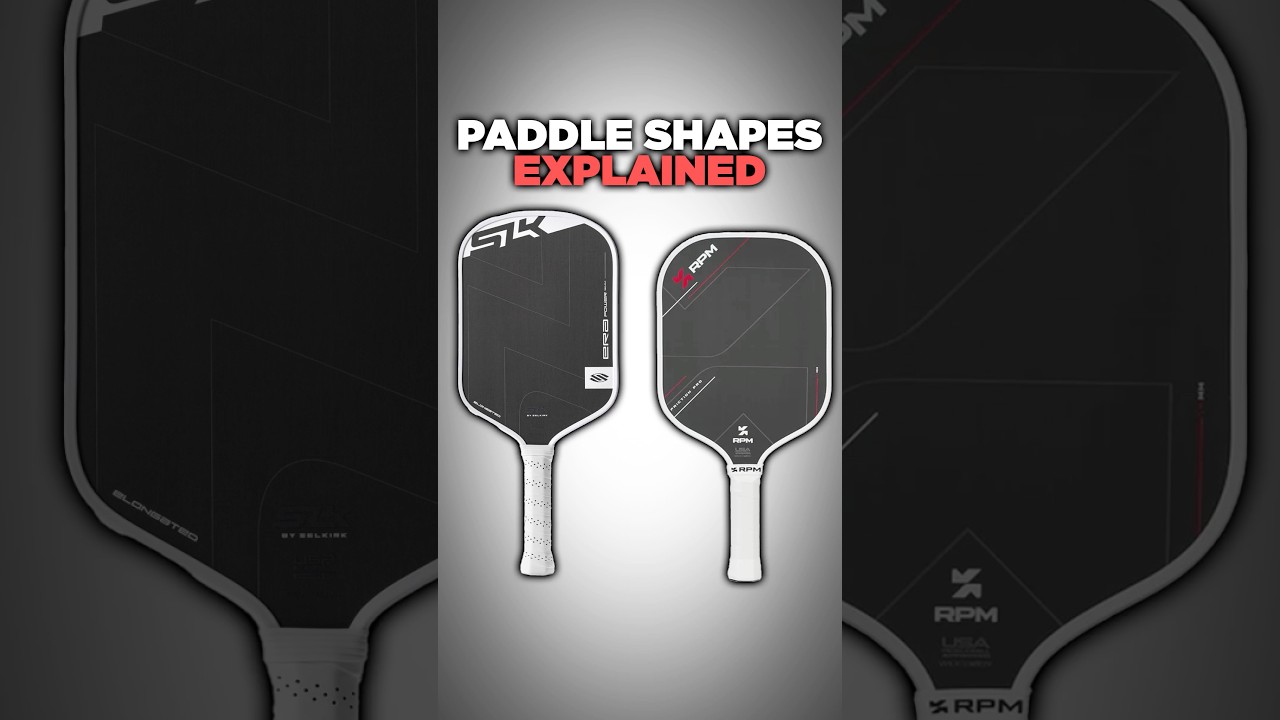
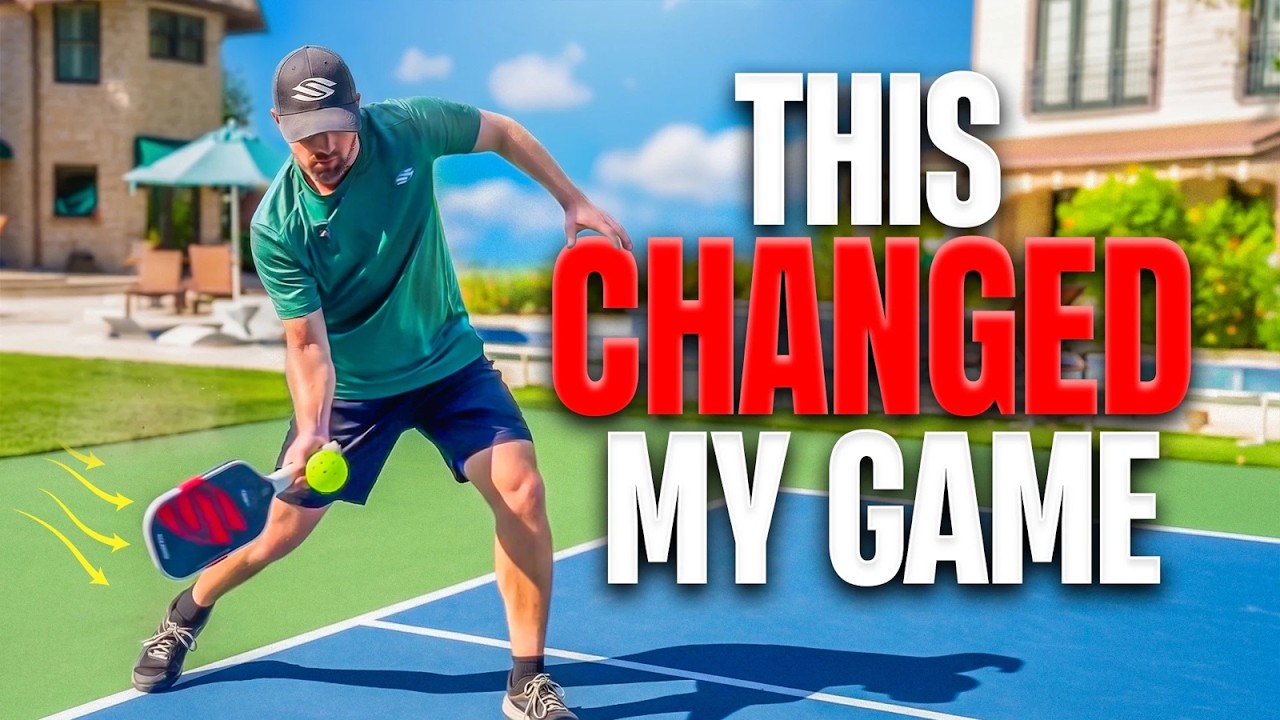
Pickleball serves must be hit underhand with the paddle below your wrist level. The ball must be struck below your waist, and you must serve diagonally cross-court, similar to tennis.
Key serving rules:
- Both feet must be behind the baseline
- The ball must bounce in the opponent's service box
- Serves cannot land in the kitchen
- You get only one serve attempt (no second serves like tennis)
Start with a simple, consistent serve rather than trying to hit winners. Placement beats power in pickleball.
4. Decode the Scoring System
Pickleball scoring can confuse newcomers, but it follows a logical pattern. Games are typically played to 11 points, and you must win by 2. Only the serving team can score points.
Scores are called as three numbers: your score, opponent's score, and server number (1 or 2). For example, "4-2-1" means your team has 4 points, opponents have 2, and you're the first server.
Both players on a team get to serve before the serve switches to the other team, except at the start of the game when only one player serves.
5. Adopt the Right Court Positioning Strategy
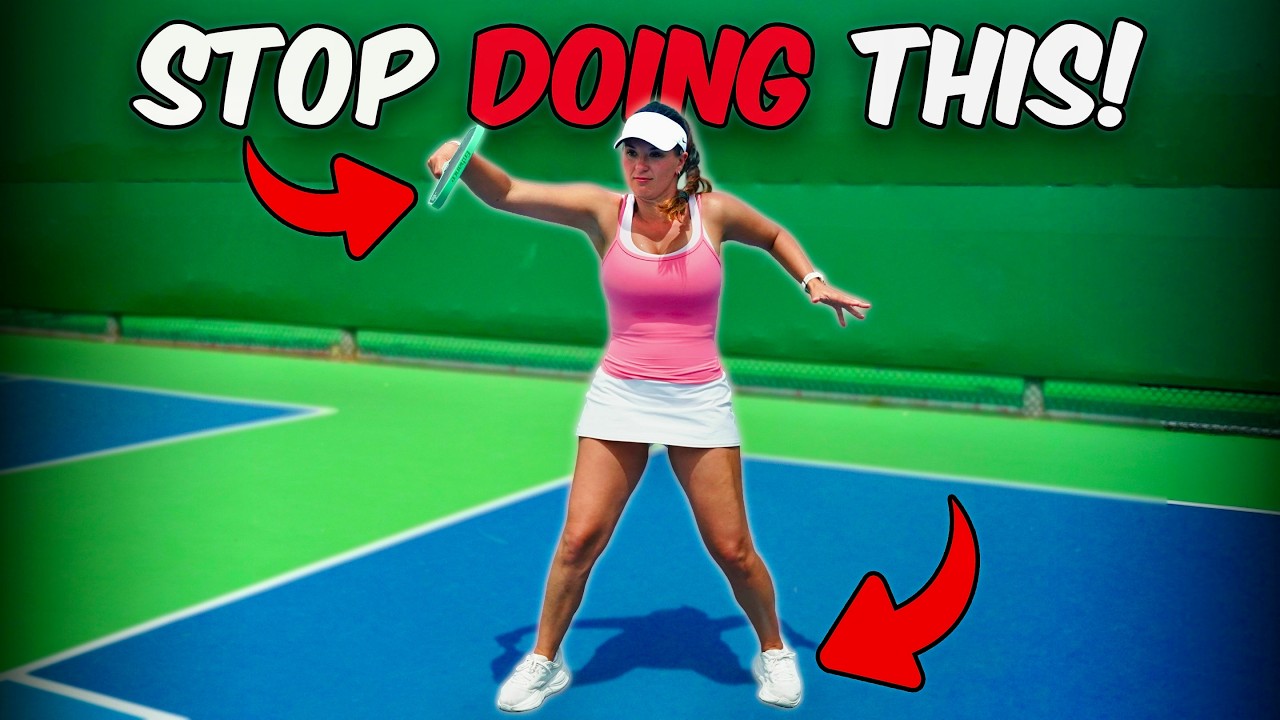
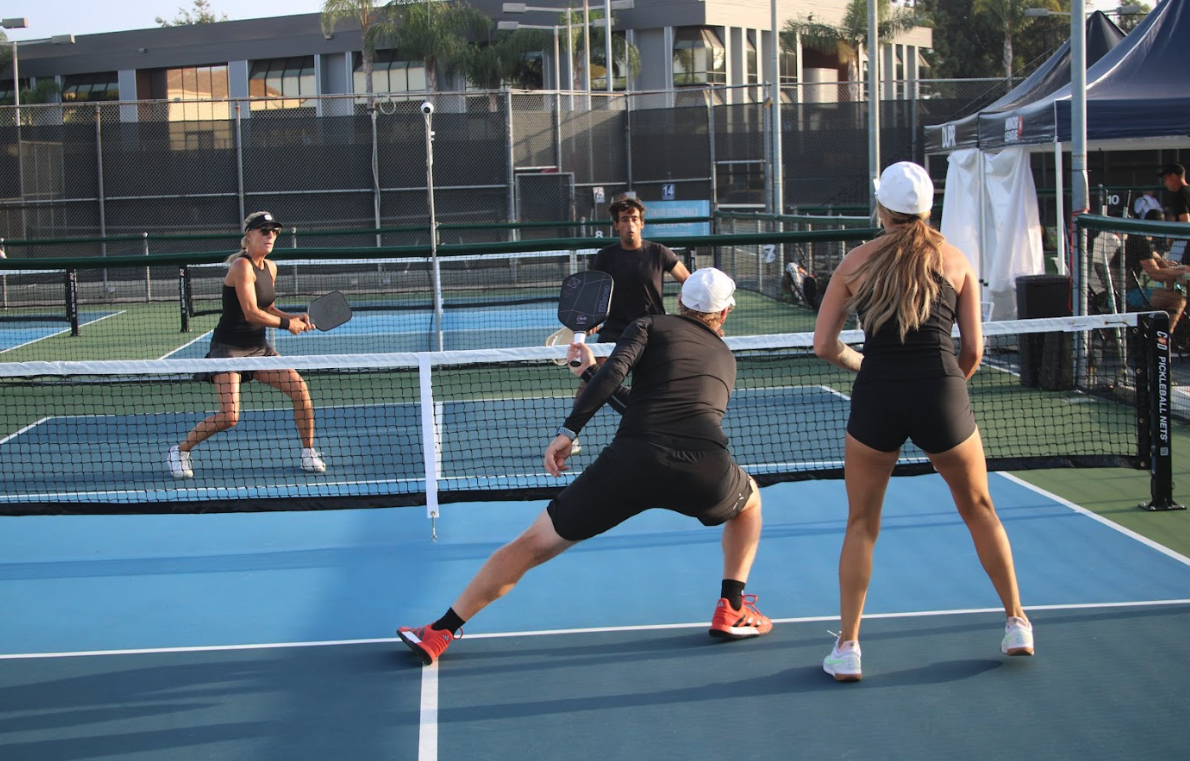
Successful pickleball is about positioning, not just shot-making. The general strategy is to work your way to the net, where you can control points and hit downward shots.
After serving, don't rush forward immediately. Wait for the return, hit your third shot, then move toward the net. This prevents you from being caught in "no man's land" in the middle of the court.
When both teams reach the net, the game becomes about patience, placement, and waiting for your opponent to hit the ball up so you can attack.
Start Smart, Play Better
Understanding these fundamentals before your first game will help you focus on having fun rather than figuring out the rules mid-point. Practice these concepts, and you'll develop good habits from the beginning.
Remember, pickleball rewards consistency and strategy over power. Focus on keeping the ball in play, work on your positioning, and the rest will come naturally.
Frequently Asked Questions
Do I need special equipment to start playing pickleball?
You'll need a pickleball paddle (lighter than a tennis racquet), pickleballs (plastic balls with holes), and court shoes with good lateral support. Many facilities rent or loan equipment to beginners.
How is pickleball different from tennis?
Pickleball uses a smaller court, lower net, lighter paddle, and plastic ball. The underhand serve, double-bounce rule, and non-volley zone create a different style of play focused more on strategy than power.
Can I play pickleball if I'm not athletic?
Absolutely! Pickleball is designed to be accessible to all ages and fitness levels. The smaller court size and emphasis on placement over power make it easier on the body than many racquet sports.