Why Most Singles Players Keep Making the Same Mistakes
If you've been playing pickleball singles for a while, you've probably experienced that sinking feeling of déjà vu. Your opponent hits a sharp angle, you scramble to reach it, and suddenly you're completely out of position for their next shot. Sound familiar?
The truth is, most recreational singles players fall into predictable patterns that cost them points over and over again. They rush to the net at the wrong time, get stuck at the baseline too long, or simply don't understand the strategic positioning that separates intermediate players from advanced competitors.
But here's what separates the players climbing from 3.5 to 4.5+ from those who plateau: it's not about hitting harder or moving faster. It's about understanding the tactical nuances that pros use to control points before they even begin.
Strategy #1: Master the Return Position Reset
Most players think a good return just needs to land deep. Pro players know that the return's primary job is to buy you time to establish optimal court position. Instead of immediately sprinting forward after your return, take a controlled step toward center court while reading your opponent's position.
This subtle adjustment gives you better angles for your third shot and prevents you from being caught off-guard by a quick attack. The key is patience – let the point develop rather than forcing early aggression.
Strategy #2: Use the 'Pressure Release' Technique
When you're under pressure and scrambling for a defensive shot, most players just try to keep the ball in play. Advanced players use what's called a 'pressure release' shot – a high, deep ball that gives them time to recover position while forcing their opponent to generate their own pace.
This technique is particularly effective when you're pulled wide. Instead of trying to hit a low, hard shot from a compromised position, lift the ball high and deep to the opposite corner. This buys you precious seconds to return to center court.
Strategy #3: The 'False Approach' Movement Pattern
Here's a movement pattern that confuses recreational players but is second nature to pros: the false approach. When you hit a shot that could potentially set up a net approach, take two steps forward, then read the quality of your opponent's reply.
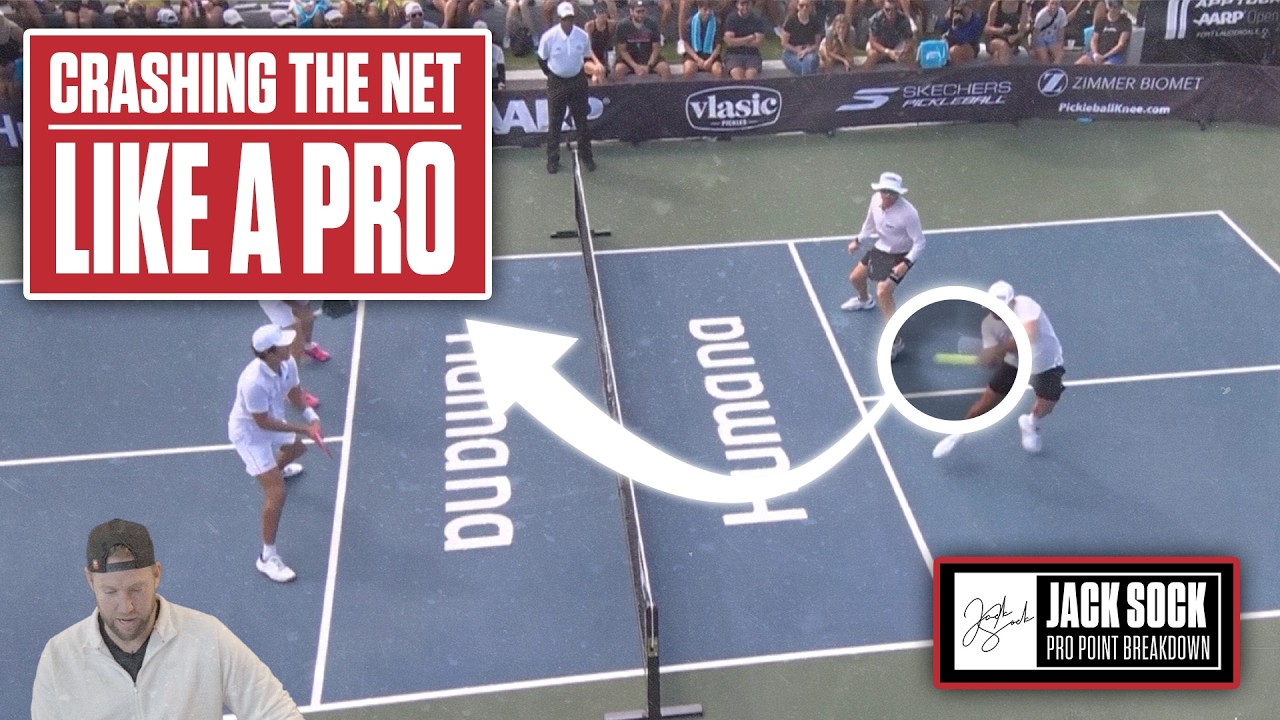
If their shot is weak, continue your approach. If it's strong, immediately backpedal to maintain baseline position. This keeps your opponent guessing about your intentions and prevents them from hitting passing shots into empty court space.
Strategy #4: Control the Diagonal Advantage
Singles court geometry creates natural advantages that most players ignore. When you pull your opponent wide to one side, the highest percentage next shot isn't always the opposite corner. Instead, target the area just inside the center line on the opposite side.
This diagonal pattern is harder for your opponent to reach and sets up better angles for your following shot. It's a subtle difference that creates compound advantages throughout the rally.
Strategy #5: The 'Patience Trap' Setup
Advanced players know that the best attacking opportunities come from making their opponents impatient. Instead of trying to create winners from neutral positions, focus on maintaining consistent depth and placement until your opponent attempts a risky shot.
This strategy requires discipline – you'll need to hit several solid shots in a row without trying to end the point. But when your opponent inevitably tries to force something, you'll be in perfect position to capitalize on their mistake.
Implementing These Strategies in Your Game
The beauty of these techniques is that they don't require perfect execution to be effective. Start by focusing on one strategy per practice session. Work on the movement patterns and decision-making processes until they become automatic.
Remember, singles pickleball is as much a mental game as it is physical. These strategies give you a tactical framework that will help you make better decisions under pressure and start winning those close matches that used to slip away.
Frequently Asked Questions
How long does it take to master these singles strategies?
Most players start seeing improvements within 2-3 weeks of focused practice. However, fully integrating these strategies into competitive play typically takes 1-2 months of consistent application.
Should I practice these strategies during recreational games?
Absolutely. Recreational games are perfect for experimenting with these techniques. Start with lower-stakes situations and gradually implement them in more competitive matches as you gain confidence.
Which strategy should beginners focus on first?
The 'pressure release' technique is most beginner-friendly because it's primarily about shot selection rather than complex movement patterns. Master this first, then progress to the positioning strategies.