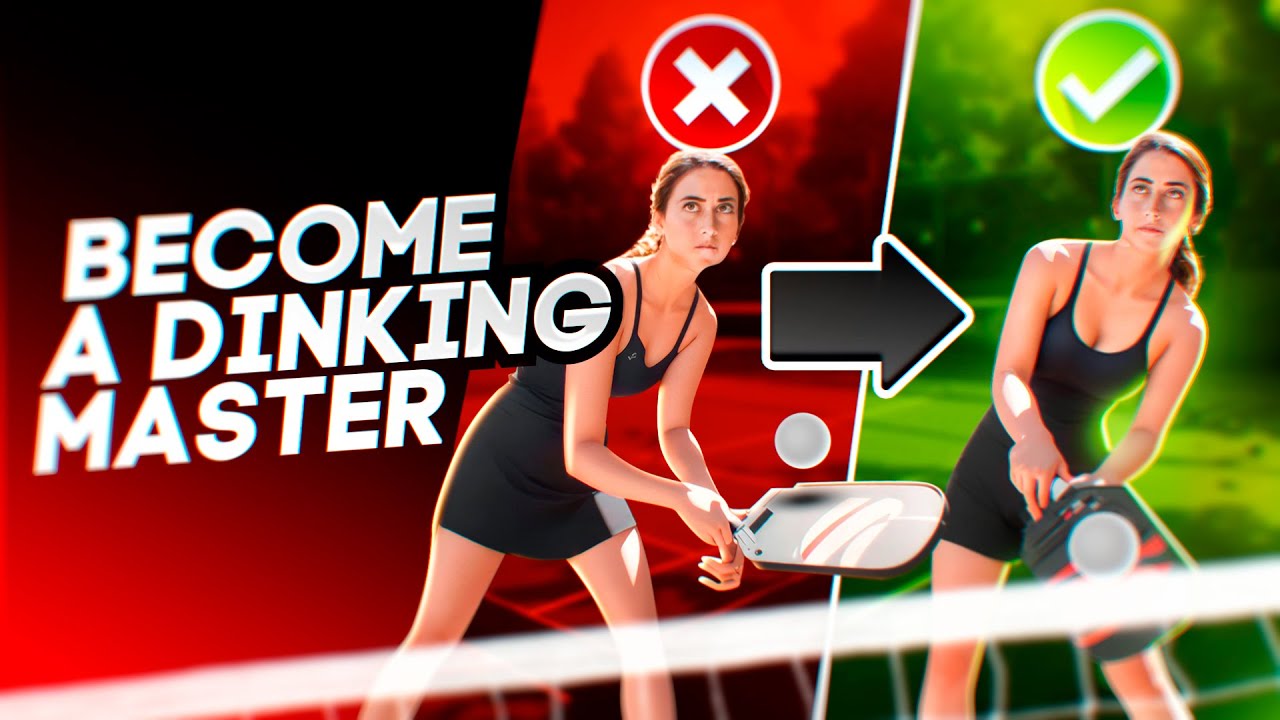
What is Dinking in Pickleball?
A dink is a soft, controlled shot hit from the non-volley zone (kitchen) that arcs gently over the net and lands in your opponent's kitchen. This fundamental technique is the cornerstone of advanced pickleball strategy, allowing players to control the pace of play and create winning opportunities.

Mastering the dink shot transforms beginners into formidable opponents at the kitchen line, where most pickleball points are won and lost.

Essential Dinking Fundamentals
Proper Grip Technique
The continental grip is your foundation for consistent dinking. Hold the paddle like you're shaking hands with it, with your knuckles aligned along the paddle's edge. This grip allows for quick transitions between forehand and backhand dinks without repositioning your hand.
Keep your grip pressure light – about 4 out of 10 in firmness. A death grip kills your touch and finesse, while too loose a grip reduces control.
Optimal Body Position and Stance
Position yourself 2-3 feet behind the kitchen line in an athletic stance. Keep your feet shoulder-width apart with knees slightly bent and weight on the balls of your feet. This ready position enables quick lateral movement and maintains balance during extended dinking rallies.
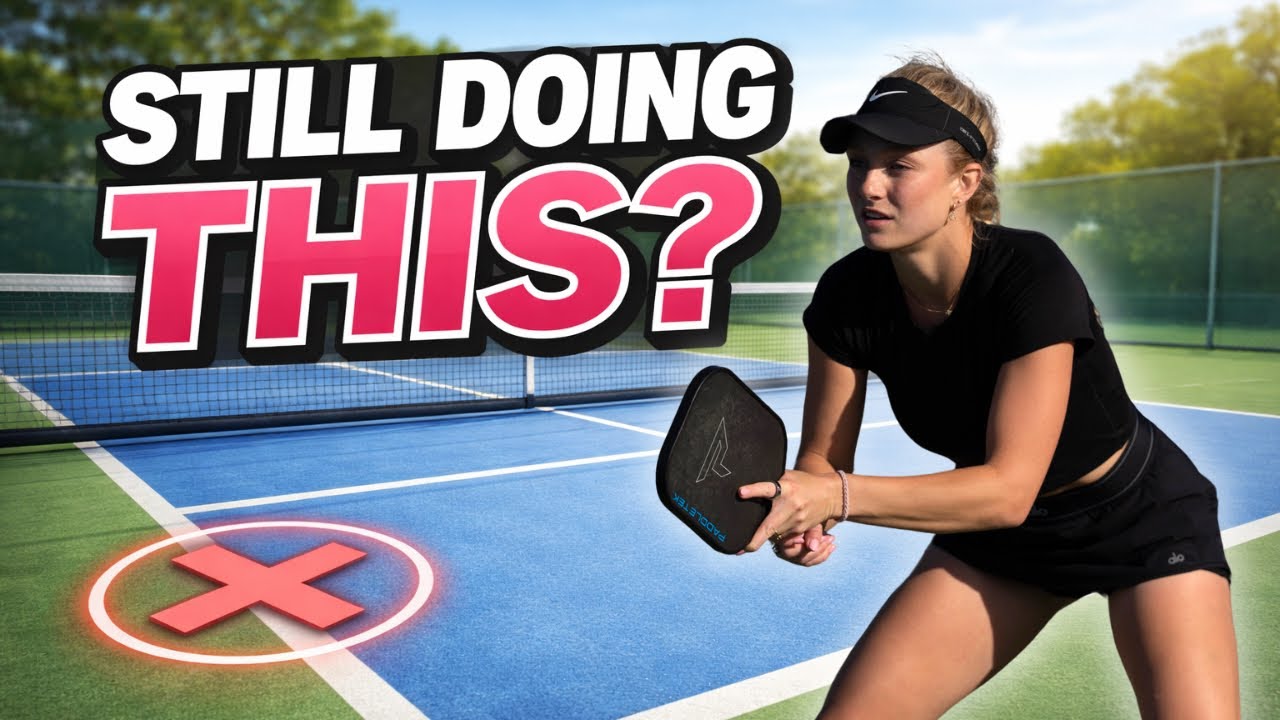
Your paddle should be held at chest height with the face slightly open, creating the perfect angle for lifting the ball over the net.
The Perfect Dinking Motion
Stroke Mechanics
The dinking motion is more of a "lift" than a "hit." Start with your paddle below the ball and use an upward motion to gently lift it over the net. Think of scooping ice cream rather than hitting a tennis shot.
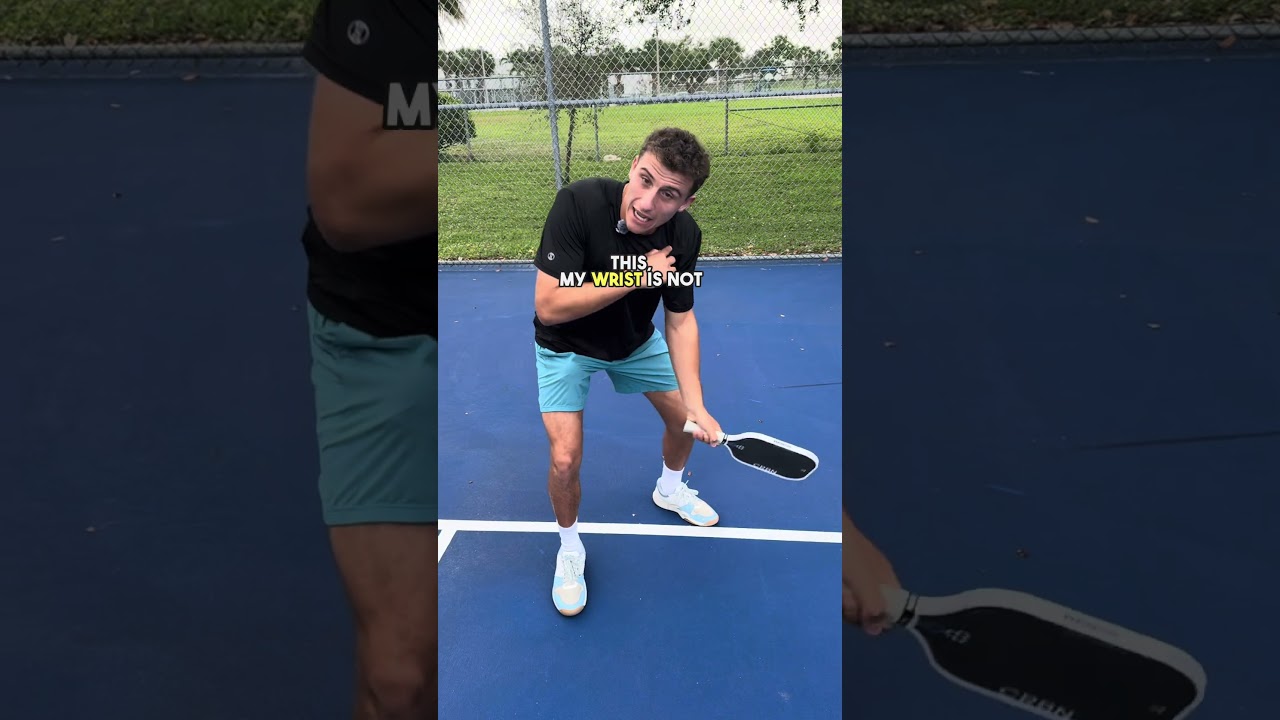
Keep your swing compact with minimal backswing. The power comes from your legs and core rotation, not your arm. Your paddle face should remain stable throughout the motion, with wrist movement kept to a minimum.

Contact Point and Follow-Through
Make contact with the ball at knee height or slightly below, out in front of your body. This contact point gives you maximum control and allows for consistent arc over the net.
Follow through in the direction of your target, finishing with your paddle pointing toward where you want the ball to land. This follow-through is crucial for accuracy and consistency.
Advanced Dinking Strategies
Placement and Angles
Effective dinking isn't just about getting the ball over the net – it's about strategic placement. Target your opponent's feet to force awkward returns, or aim for the sidelines to create angles that open up the court.
Mix up your dink placement: cross-court dinks are safer due to the longer court distance and lower net height, while down-the-line dinks can catch opponents off-guard.
Pace Variation
Vary your dinking pace to keep opponents guessing. Most dinks should be soft and controlled, but occasional slightly firmer dinks can disrupt your opponent's rhythm and timing.
Essential Dinking Drills
Wall Practice Drill
Practice against a wall to develop consistent contact and paddle control. Stand 10 feet from a wall and dink repeatedly, focusing on keeping the ball at a consistent height and developing muscle memory.
Cross-Court Dinking Drill
With a partner, practice sustained cross-court dinking rallies. Start with 10 consecutive dinks and gradually increase. This drill builds consistency and court awareness.
Target Practice
Place targets (cones or towels) in your opponent's kitchen and practice hitting them consistently. This improves accuracy and helps develop intentional shot placement rather than just keeping the ball in play.
Common Dinking Mistakes to Avoid
Avoid hitting dinks too high, which gives opponents easy attack opportunities. Keep your dinks low and force opponents to hit up on the ball. Don't rush your dinks – patience is key to winning dinking battles.
Never dink from too far back. Stay close to the kitchen line to maintain optimal court position and reduce the distance your dinks must travel.
Frequently Asked Questions
How low should my dinks be?
Aim for dinks that clear the net by 6-12 inches and land deep in your opponent's kitchen. Too low risks hitting the net; too high gives opponents attack opportunities.
When should I stop dinking and attack?
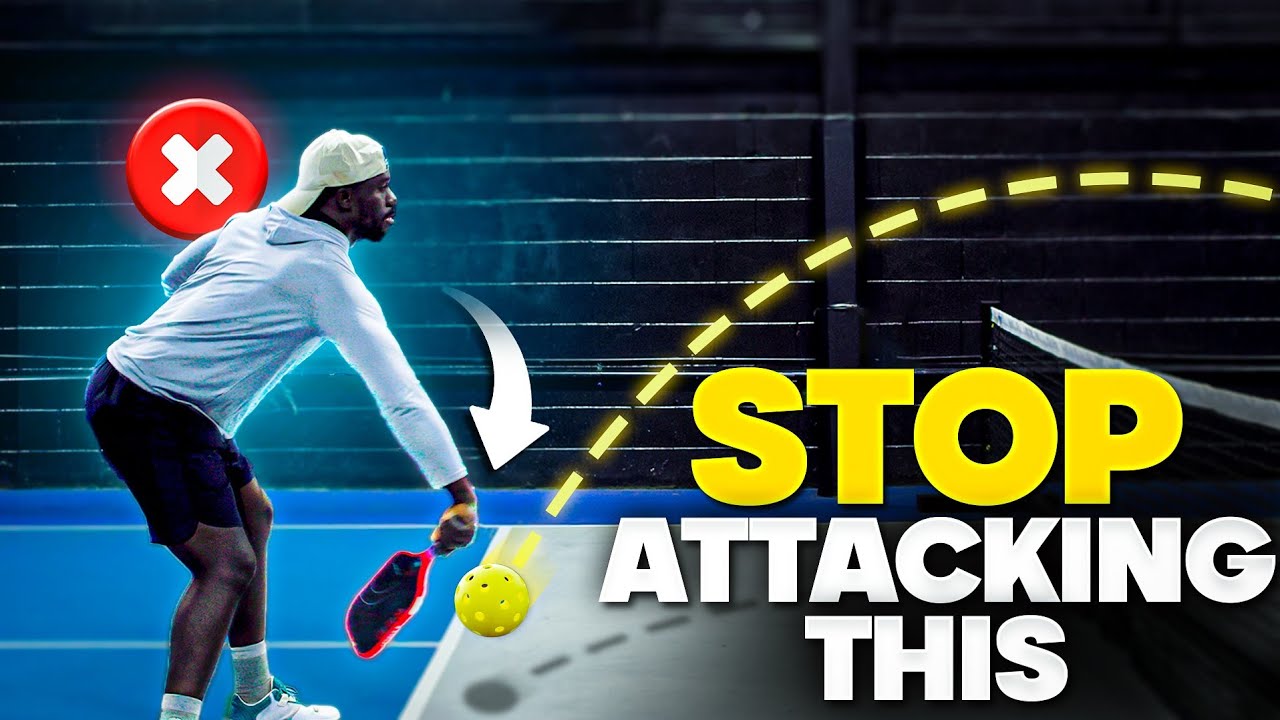
Attack when your opponent hits a dink that bounces above net height on your side. This is your cue to drive or put away the ball aggressively.
How long should I practice dinking daily?
Dedicate 15-20 minutes daily to dinking drills. Consistent practice is more valuable than long, infrequent sessions for developing this crucial skill.