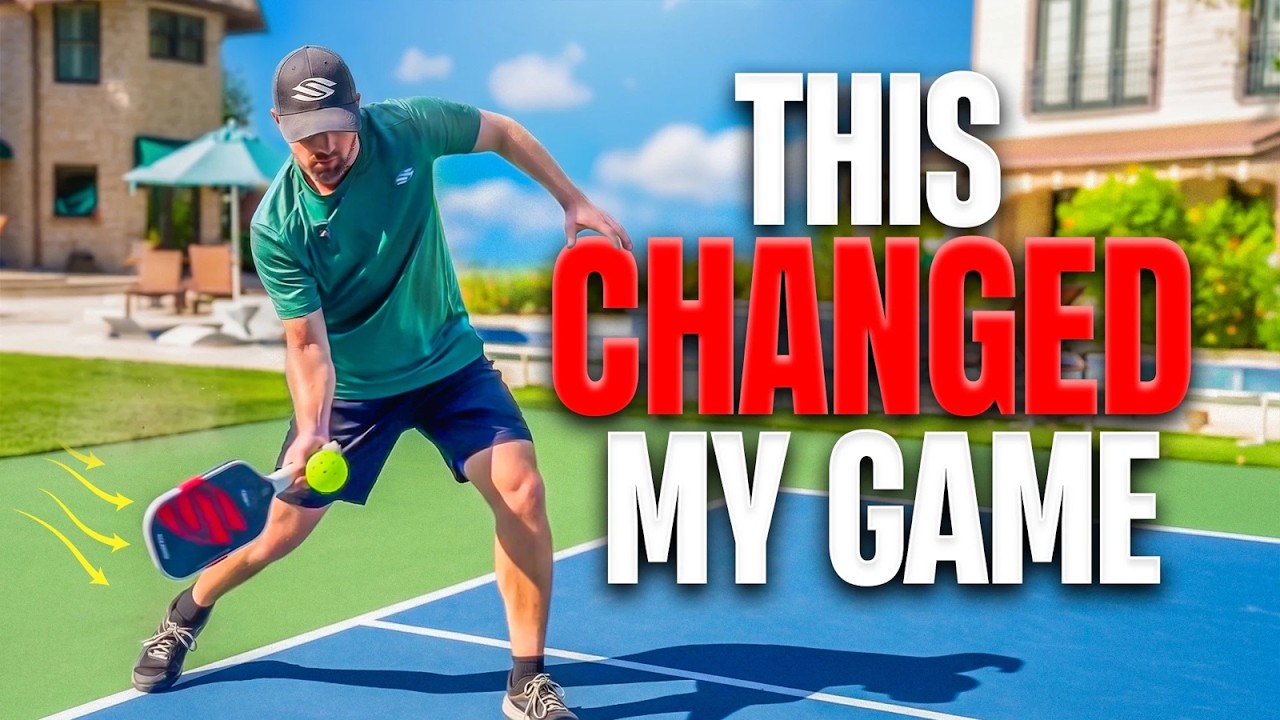
Every pickleball player knows the sinking feeling: you're locked in a kitchen battle, maintaining perfect positioning, when suddenly you send a floater right into your opponent's wheelhouse. They crush it past you for an easy winner.
The frustrating truth? Most players think popping up dinks is a swing problem. It's not. The issue begins long before your paddle touches the ball.
The Real Culprit Behind Pop-Up Dinks
When analyzing hundreds of kitchen line exchanges, a clear pattern emerges. Players who consistently pop up balls share specific pre-swing habits that doom their shots before they start.
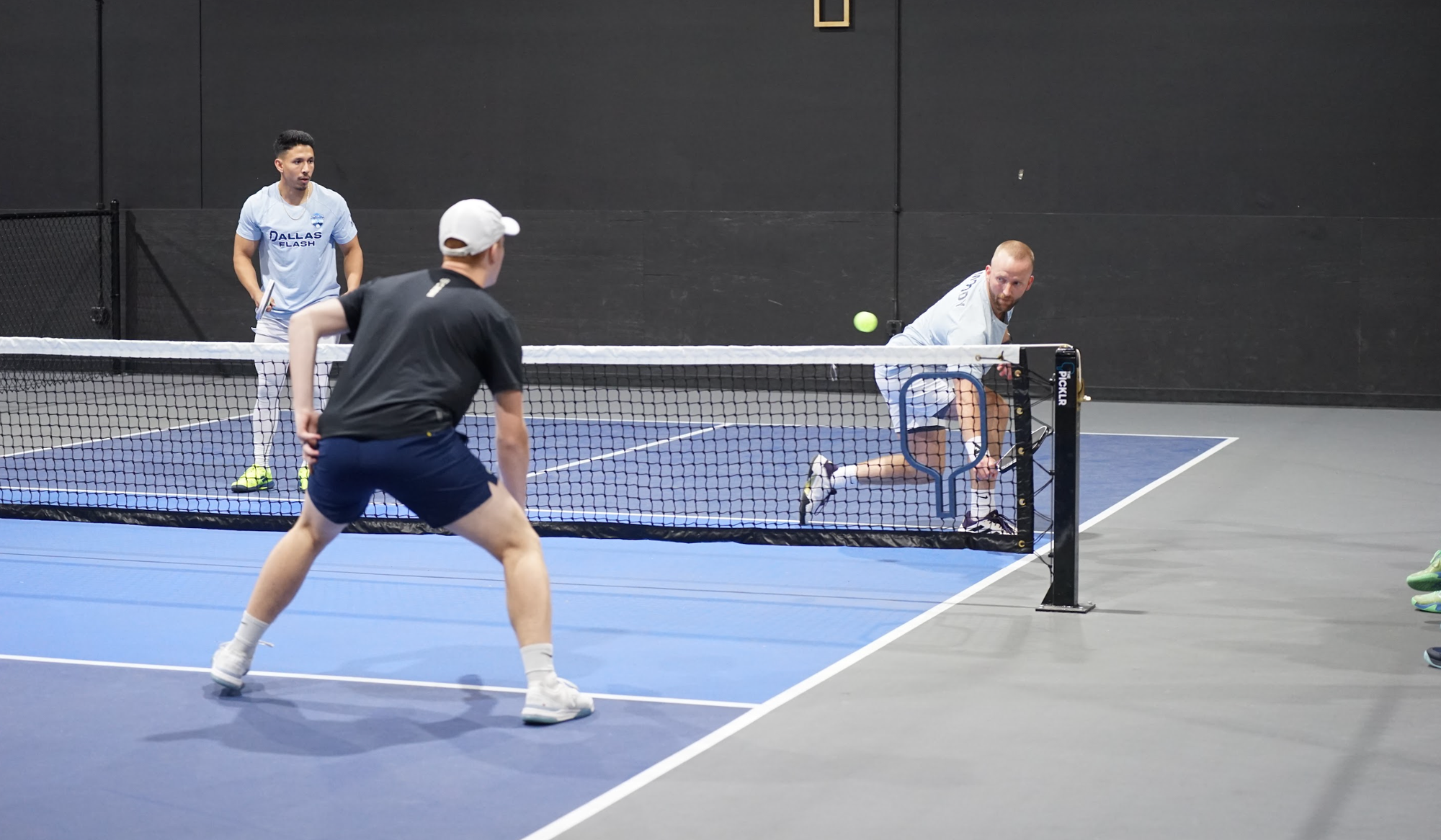
The most common mistake is paddle positioning. Many players hold their paddle face too open during the approach phase, creating an upward trajectory that's nearly impossible to correct mid-swing.
Body Position Sets Everything in Motion
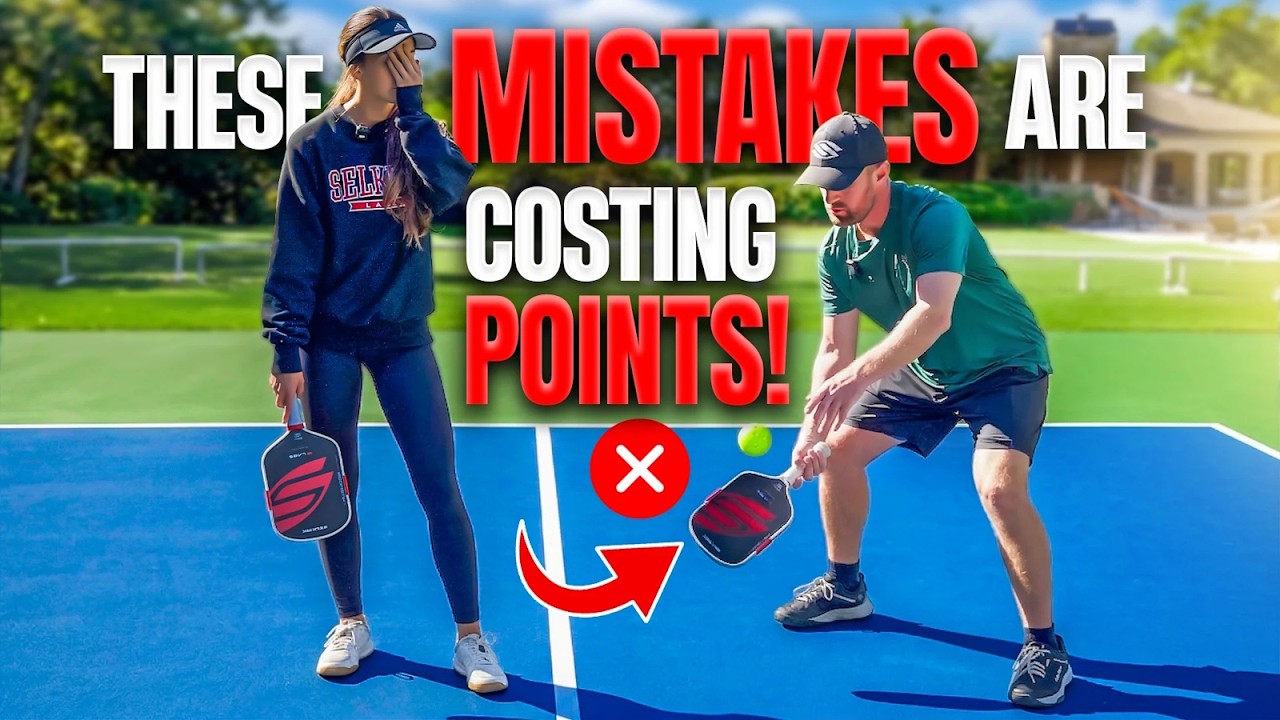
Your stance at the non-volley zone determines shot success more than paddle technique. Players who lean back or stand too upright create natural upward ball flight paths.
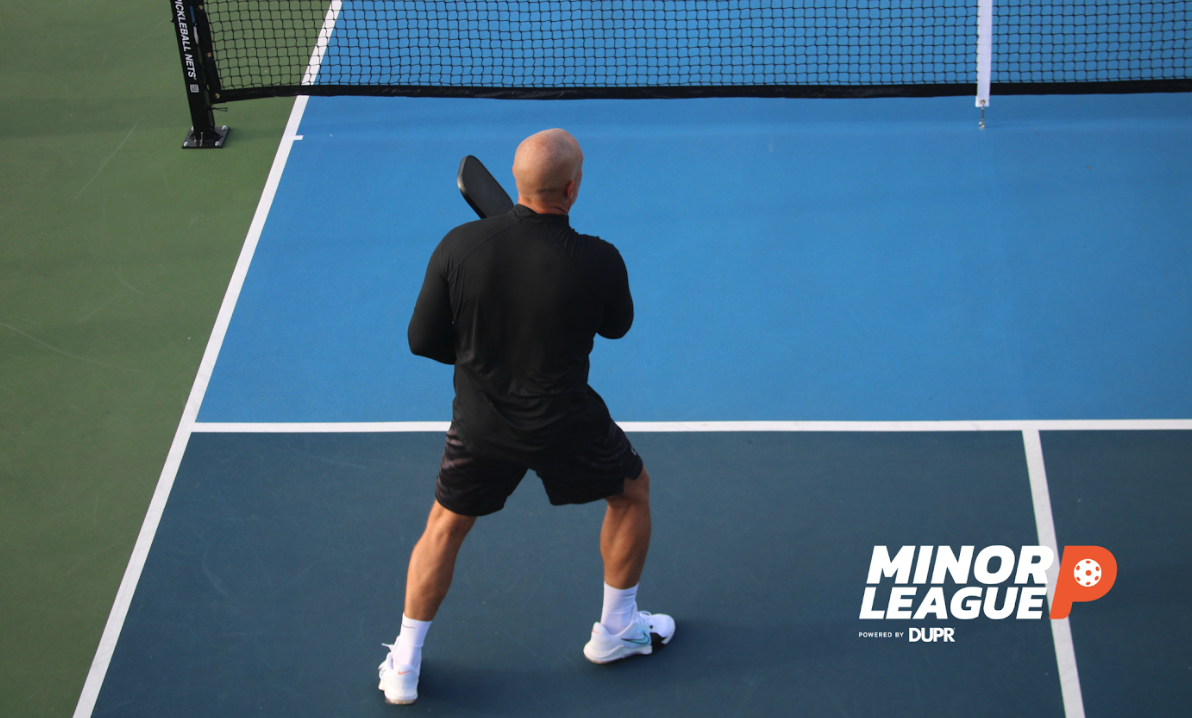
The fix starts with your feet. Position yourself with a slight forward lean, knees bent, and weight distributed on the balls of your feet. This athletic position naturally encourages downward paddle movement.
The Exact Mechanical Corrections
Here are the specific adjustments that eliminate pop-ups:
1. Paddle Face Control
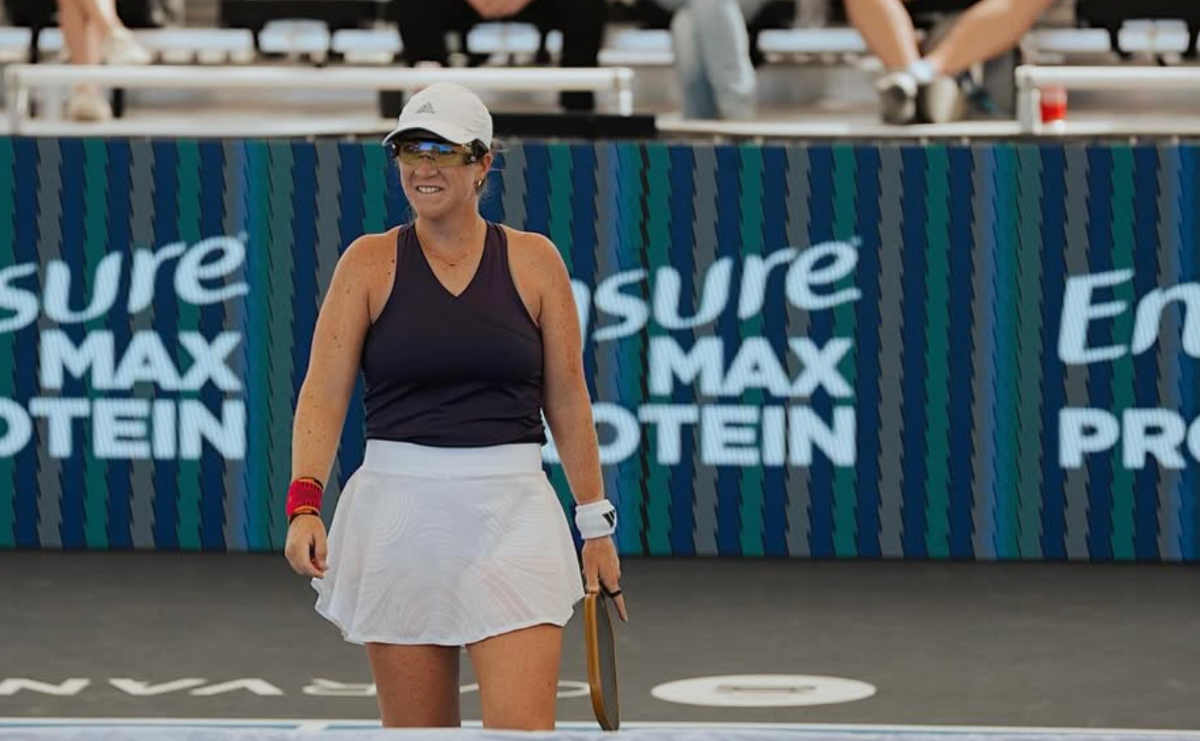
Before each dink, check your paddle angle. The face should be slightly closed (angled downward) during your ready position. This seemingly small adjustment prevents the upward trajectory that creates pop-ups.
2. Contact Point Positioning
Most pop-ups occur when players contact the ball too far forward or too high. The ideal contact point is slightly in front of your body at waist level or below.
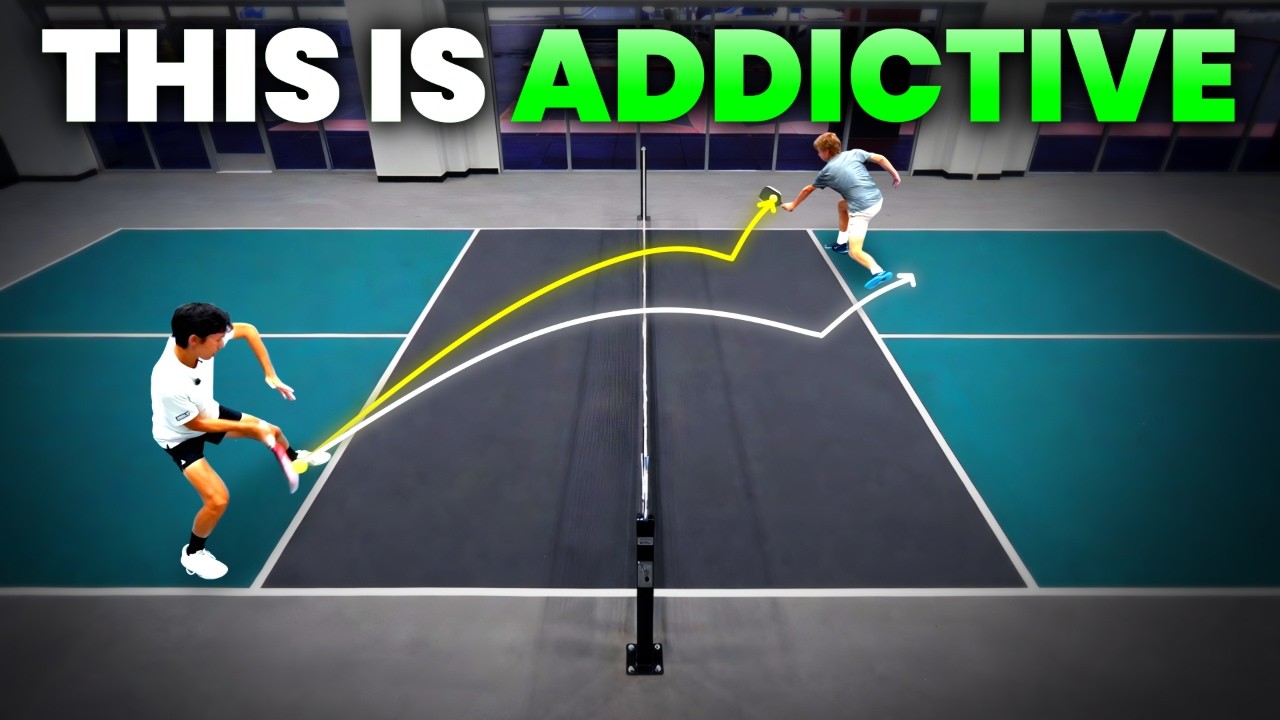
Practice this by placing a cone 6 inches in front of your lead foot. All ball contact should happen at or behind this marker.
3. The Follow-Through Fix
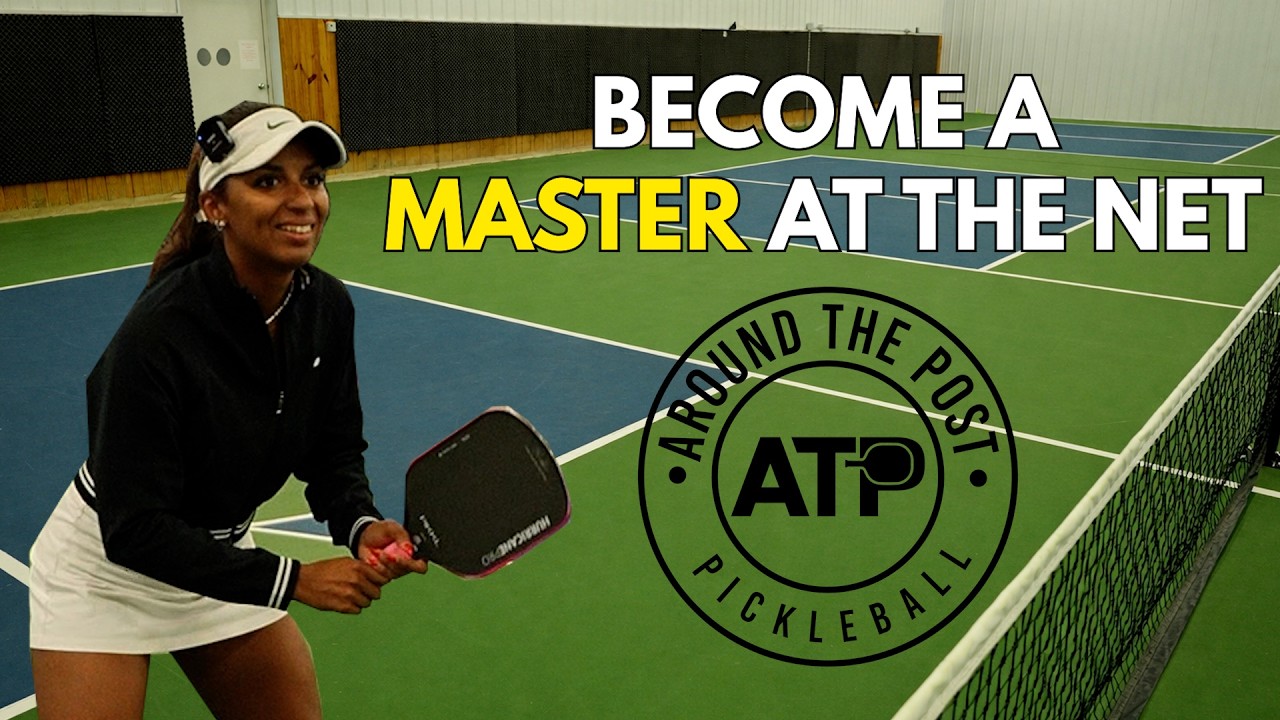
Your follow-through should mirror a gentle brushing motion downward and forward, not up and out. Think about painting a fence board from top to bottom.
Drill Progression for Permanent Results
Mechanical changes require deliberate practice. Start with these progressive exercises:
Wall Practice
Stand 3 feet from a wall and practice dinking against it. The ball should hit the wall below knee height and return to you at a manageable level. This forces proper paddle face control.
Partner Shadow Swings
Without a ball, practice your dinking motion with a partner calling out "contact" at random intervals. Focus on paddle position and body mechanics without worrying about ball placement.
Reading Your Opponent's Setup
Understanding when opponents are likely to pop up balls gives you offensive opportunities. Watch for these telltale signs:
- Backward weight shift during approach
- High paddle preparation
- Rushed positioning after movement
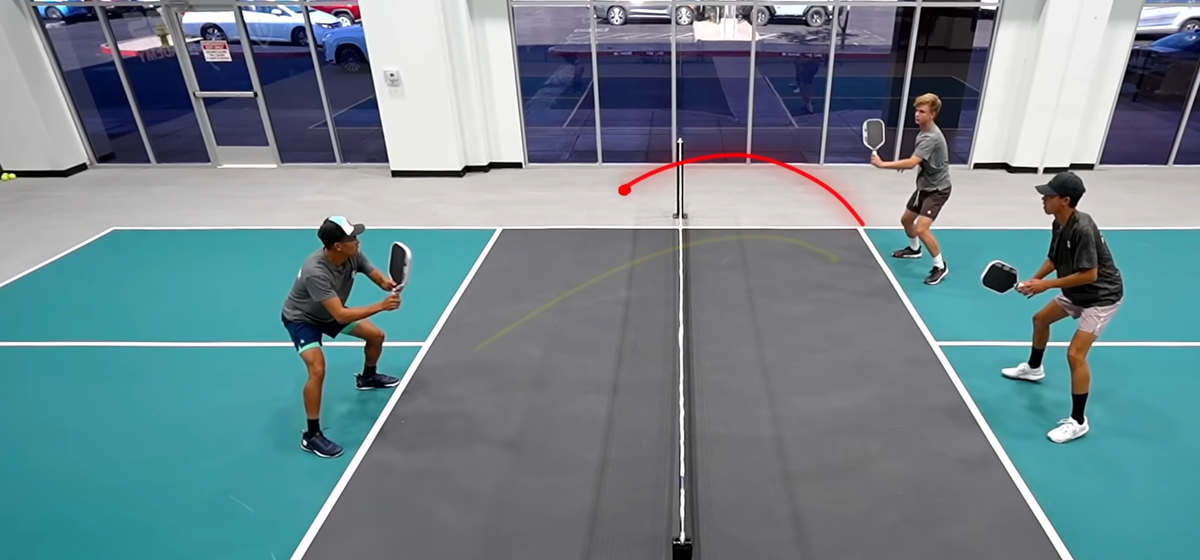
When you notice these indicators, position yourself for the attack shot that's coming.
Mental Game Adjustments
Mechanical fixes work best when paired with proper mindset. Many players rush their kitchen line shots due to pressure or impatience.
Remember: dinking is about patience and positioning, not power. Each shot should set up the next opportunity rather than trying to end the point immediately.
Building Consistent Habits
The key to permanent improvement is making these mechanical adjustments automatic. Spend 10 minutes before each playing session practicing these fundamentals without a partner.
Focus on one mechanical element per practice session rather than trying to fix everything simultaneously. This targeted approach creates lasting muscle memory.
Frequently Asked Questions
Why do I only pop up balls during competitive play?
Pressure changes your natural mechanics. During intense points, players tend to tense up and revert to old habits. Practice these corrections under simulated pressure by adding consequences to your drills or playing king-of-the-court games.
How long does it take to fix chronic pop-up problems?
Most players see improvement within 2-3 practice sessions when focusing specifically on these mechanical fixes. However, making the changes automatic under game pressure typically takes 2-3 weeks of consistent practice.
Should I change my grip to fix pop-ups?
Grip changes are rarely necessary for fixing pop-ups. The continental grip works well for most players. Focus on paddle face angle and contact point before making grip adjustments, as these are more likely culprits.