Pickleball has exploded in popularity, becoming America's fastest-growing sport with over 13 million players nationwide. If you're wondering how to get started, you're in the right place. This comprehensive guide will teach you everything you need to know to step onto the court with confidence.
Understanding the Pickleball Court
Before diving into gameplay, let's familiarize ourselves with the court layout. A pickleball court measures 20 feet wide by 44 feet long, with a net height of 36 inches at the ends and 34 inches in the center.
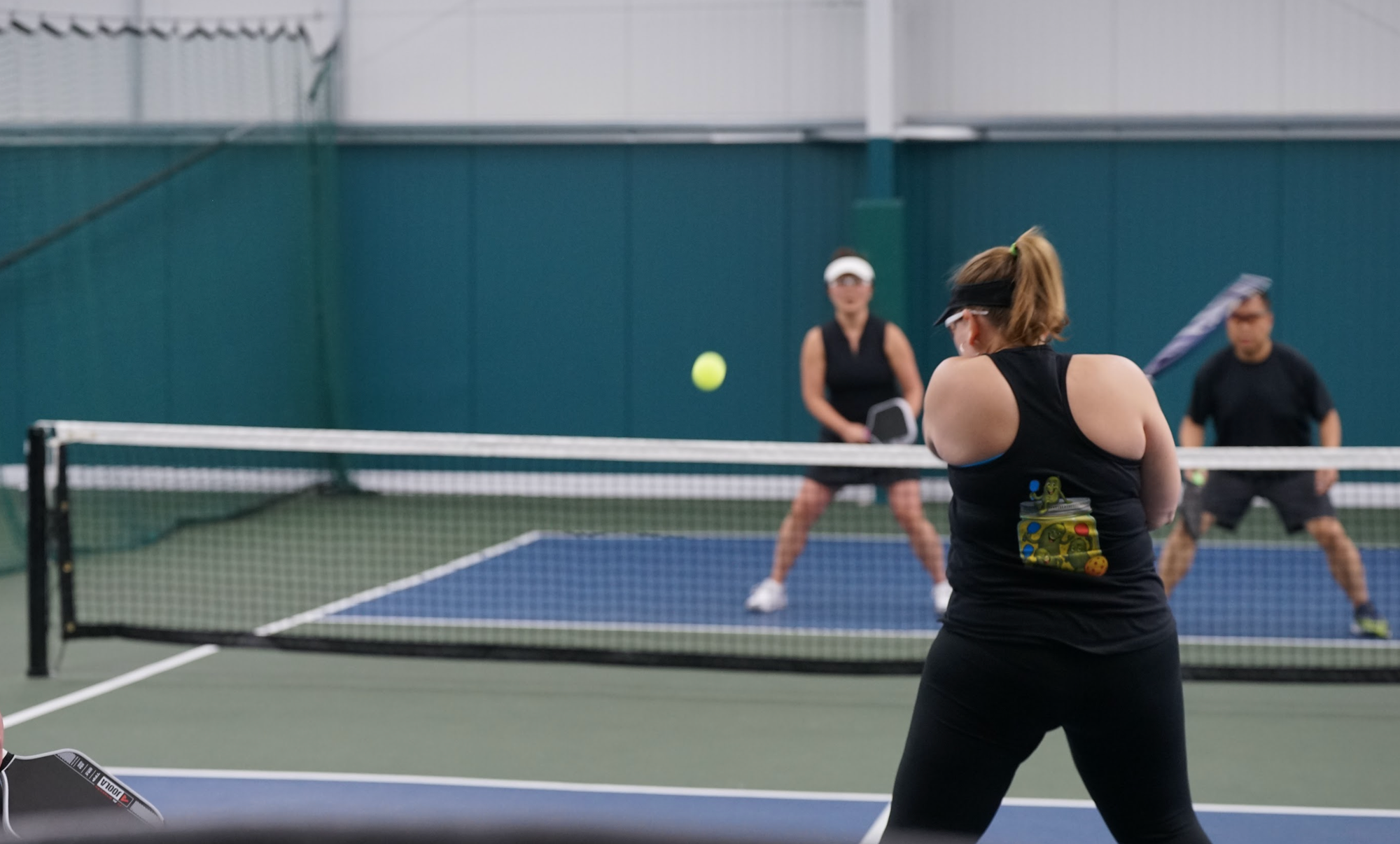
The court is divided into several key areas:
- Service areas: Two boxes on each side where serves must land
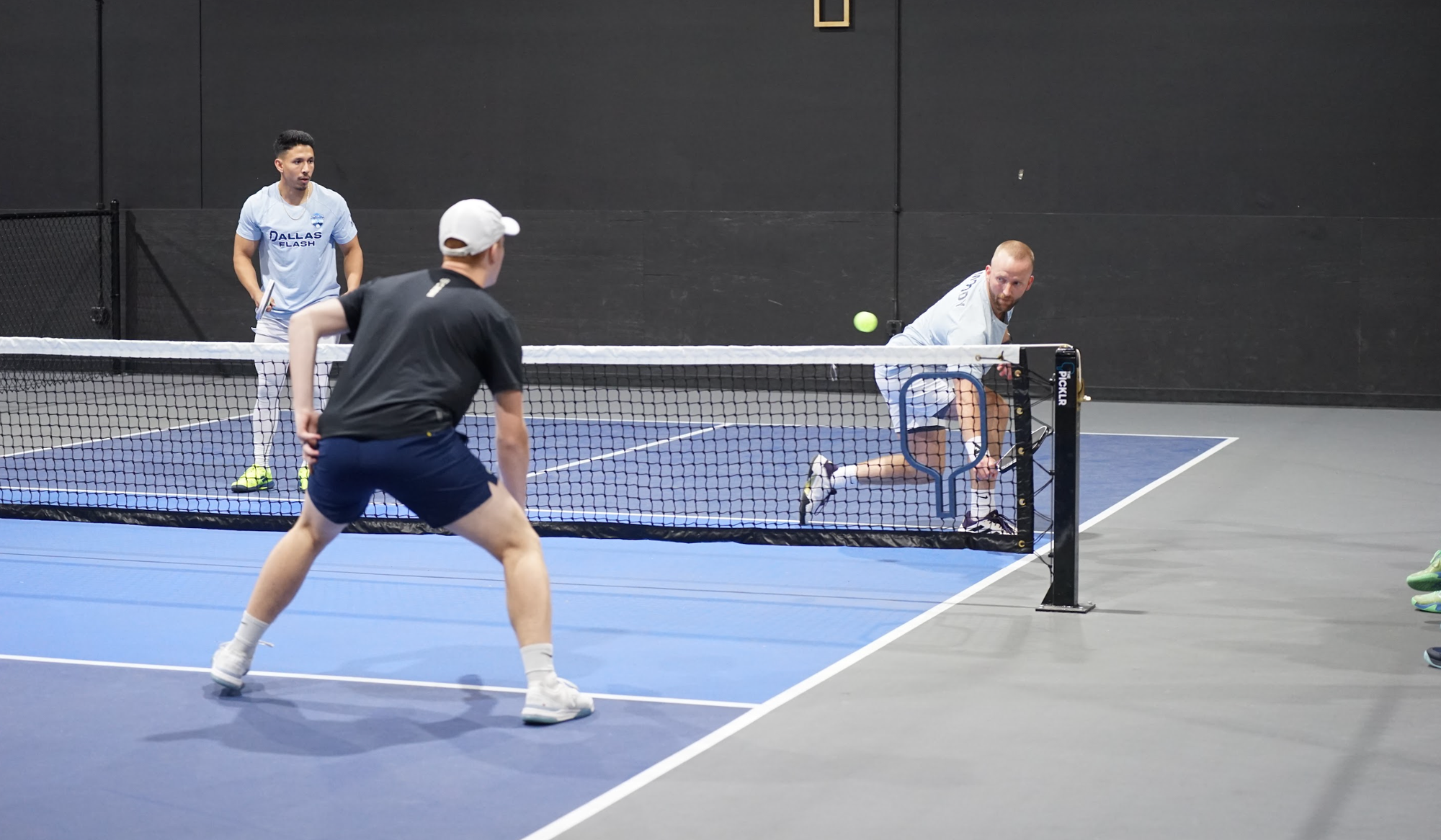
- Non-volley zone (Kitchen): A 7-foot area on both sides of the net where volleys are prohibited
- Baseline: The back boundary line where serves originate
Essential Equipment
Getting started requires minimal equipment, making pickleball accessible to players of all ages and skill levels.
- Paddle: Solid paddle made from wood, composite, or graphite materials
- Ball: Plastic ball with holes (different balls for indoor vs. outdoor play)
- Court: Many tennis courts can be converted, and dedicated pickleball courts are increasingly common
- Proper footwear: Court shoes with good lateral support
Basic Rules and Scoring System
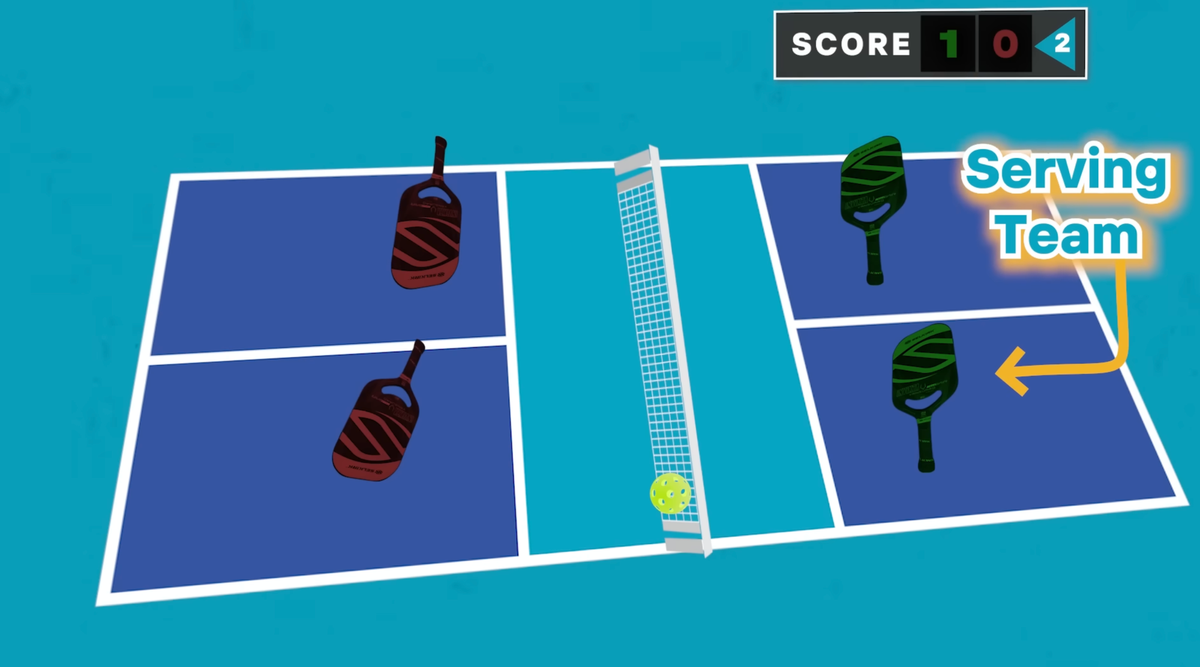
Pickleball uses a unique scoring system that beginners must master. Games are typically played to 11 points, and you must win by 2 points. Only the serving team can score points.
The Serve
All serves must be made underhand with contact below the waist. The serve is made diagonally cross-court, and the ball must bounce once before being returned. The server continues serving until they commit a fault.
The Two-Bounce Rule
This fundamental rule states that the ball must bounce once on each side before players can hit it in the air (volley). After the serve and return, players can choose to let the ball bounce or play it out of the air, except in the non-volley zone.
Essential Shots Every Beginner Should Learn
Mastering these basic shots will give you a solid foundation for pickleball success.
The Dink Shot
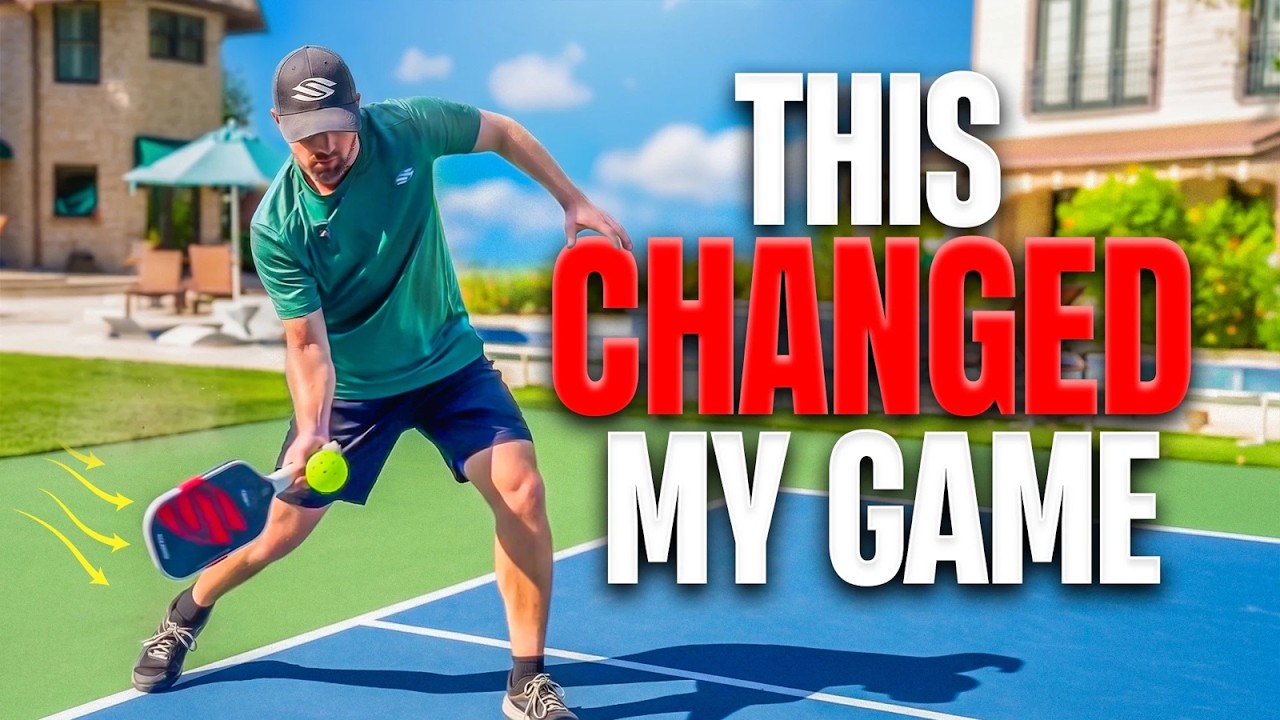
The dink is a soft shot hit into the opponent's kitchen area. This strategic shot forces your opponent to hit upward, giving you an advantage. Practice hitting dinks with minimal force, focusing on placement and consistency.
The Drive
A drive is a hard, fast shot typically hit from the baseline. Use this shot to put pressure on your opponents or to hit a winner when you have an opportunity.
The Lob
When opponents crowd the net, a well-placed lob can send the ball over their heads, forcing them to retreat to the baseline. This shot requires practice to master the right arc and placement.
Strategy for Beginners
While technique is important, understanding basic strategy will accelerate your improvement and make the game more enjoyable.
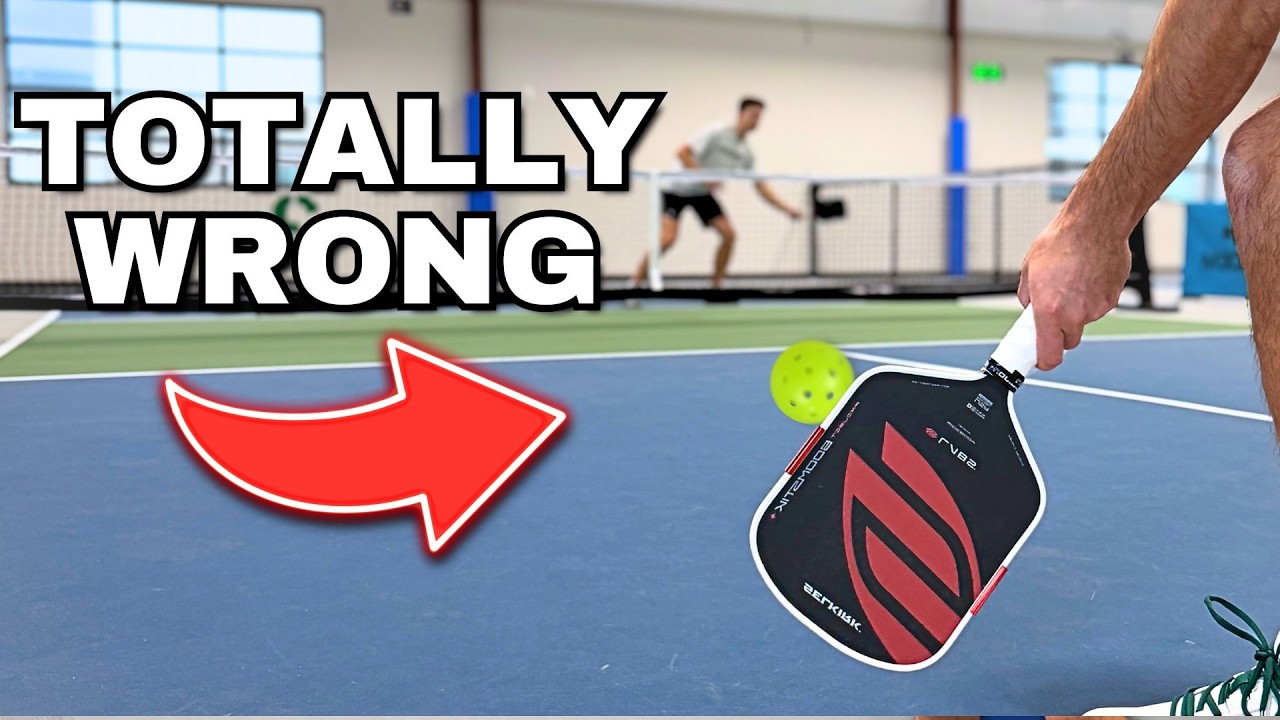
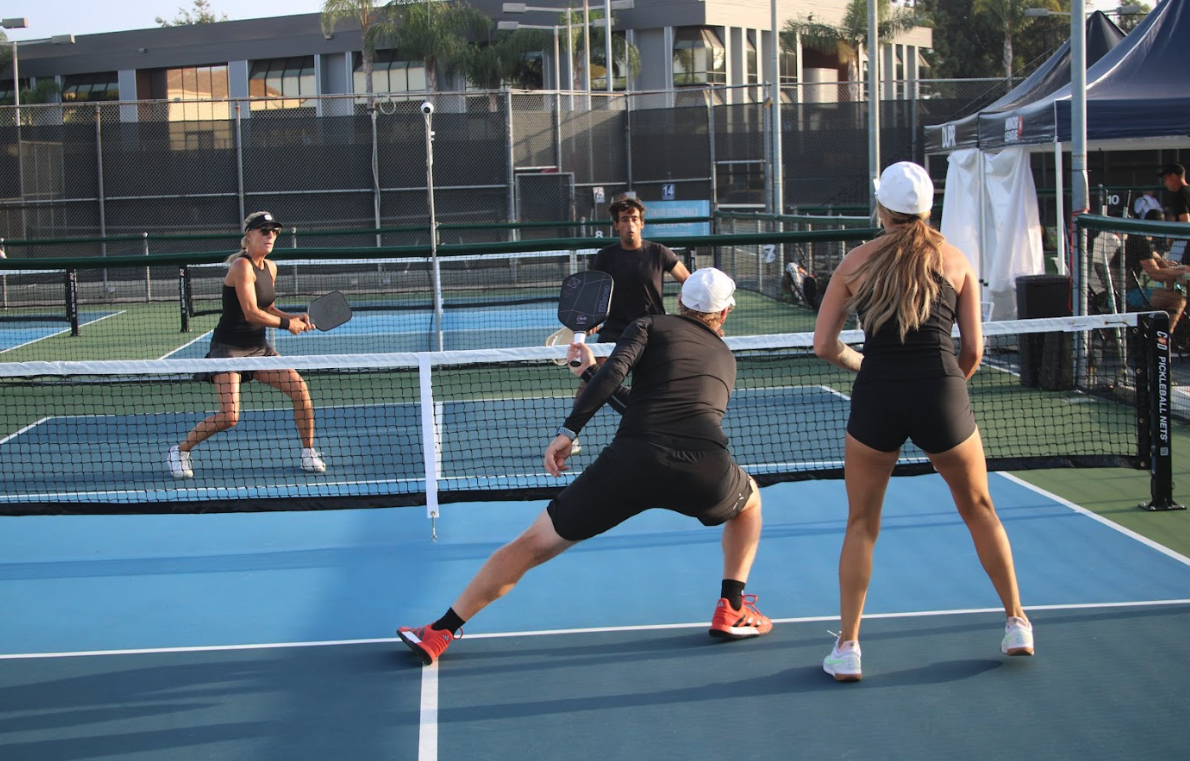
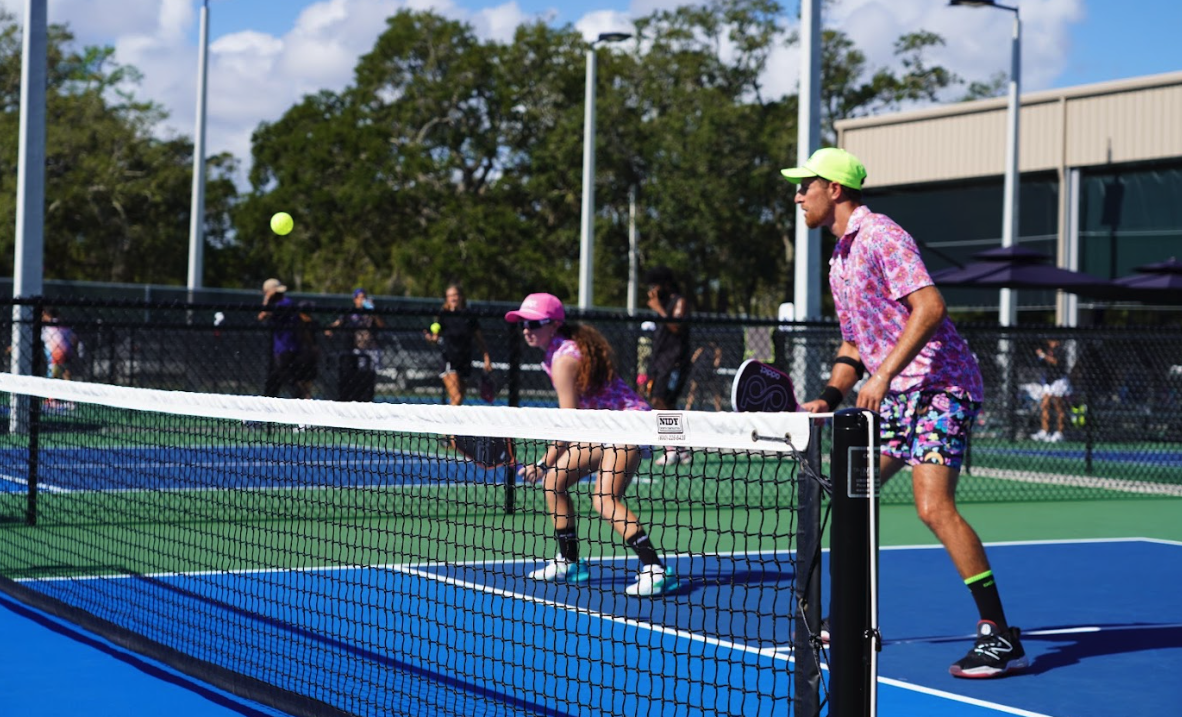
- Get to the kitchen line: The team that controls the net typically wins the point
- Be patient: Wait for your opponent to make mistakes rather than forcing difficult shots
- Communicate in doubles: Clear communication with your partner prevents confusion and improves teamwork
- Focus on consistency: Keeping the ball in play is more important than hitting winners
Common Beginner Mistakes to Avoid
Learning from common mistakes can help you improve faster and enjoy the game more from the start.
- Hitting too hard too often - focus on placement over power
- Standing too far from the kitchen line during rallies
- Forgetting the two-bounce rule, especially when excited
- Not communicating effectively with your doubles partner
Getting Started: Your First Game
Now that you understand the basics, it's time to put your knowledge into practice. Start with beginner-friendly groups or lessons at your local courts. Many communities offer "Pickleball 101" sessions specifically designed for newcomers.
Remember, everyone starts as a beginner, and the pickleball community is known for being welcoming and supportive of new players. Don't be afraid to ask questions or request tips from more experienced players.
Frequently Asked Questions
How long does it take to learn pickleball?
Most beginners can understand the basic rules and start playing recreationally within a few hours. However, developing good technique and strategy takes weeks to months of regular practice.
Can I play pickleball on a tennis court?
Yes, you can set up temporary pickleball courts on tennis courts using portable nets and court markers. Many tennis facilities now offer converted courts specifically for pickleball.
What's the difference between indoor and outdoor pickleball?
The main difference is the ball used - outdoor balls are slightly heavier with smaller holes, while indoor balls are lighter with larger holes. The court dimensions and rules remain the same.