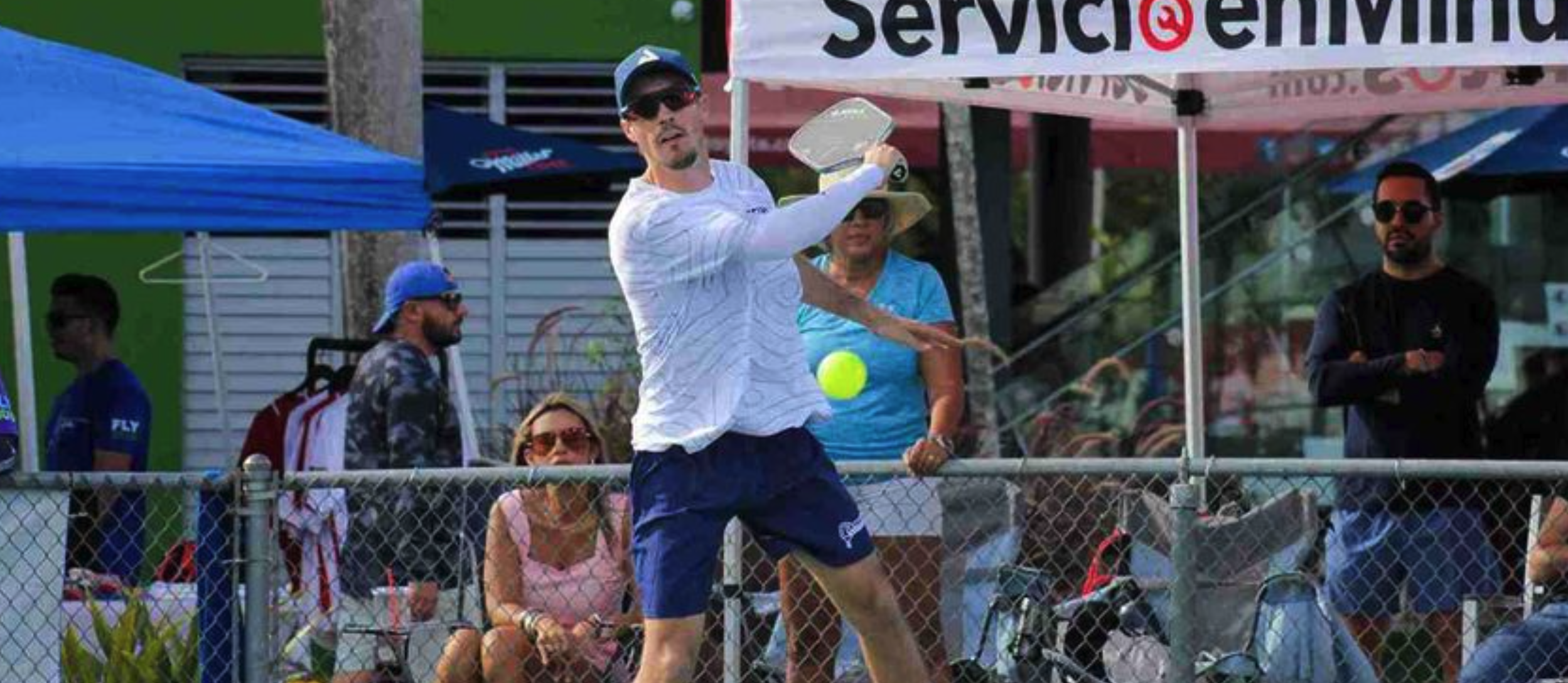
The difference between players who dominate entire matches and those who win isolated rallies often comes down to one overlooked skill: recovery positioning after aggressive shots. While most players focus intensely on perfecting their attacks, they completely neglect what happens immediately afterward.
This critical moment - the split second after you execute an aggressive shot - determines whether you maintain control of the point or hand it back to your opponents on a silver platter.
Why Recovery Position Matters More Than Your Attack
Picture this scenario: You identify the perfect opportunity and execute a beautiful speed-up down the line. The ball screams off your paddle with perfect placement. But instead of capitalizing on your advantage, you're caught flat-footed when the inevitable return comes back. Your weight is still shifting forward from the attack, leaving you vulnerable to a well-placed counter.

This pattern repeats constantly at every skill level. Players invest countless hours perfecting their offensive shots while completely ignoring the tactical positioning that follows. The result? Spectacular attacks that lead to immediate defensive breakdowns.
The Science of Post-Attack Movement
Effective recovery begins before your paddle even makes contact with the ball. As you prepare for an aggressive shot, your brain should already be calculating your next three moves:

Step 1: Controlled Aggression
Your attack should never compromise your balance. The moment you over-commit to a shot, you've already lost the tactical advantage. Focus on controlled power that allows for immediate repositioning rather than all-out aggression that leaves you stranded.
Step 2: Immediate Weight Transfer
As soon as the ball leaves your paddle, begin shifting your weight back to a neutral, athletic stance. Your feet should be moving toward your optimal court position before you even see where your shot lands.

Step 3: Anticipatory Positioning
Based on your shot placement and angle, anticipate the most likely return trajectories. Position yourself to cut off cross-court angles while maintaining coverage of down-the-line returns.
Common Recovery Mistakes That Cost Points
Even experienced players fall into predictable traps when transitioning from offense to defense:

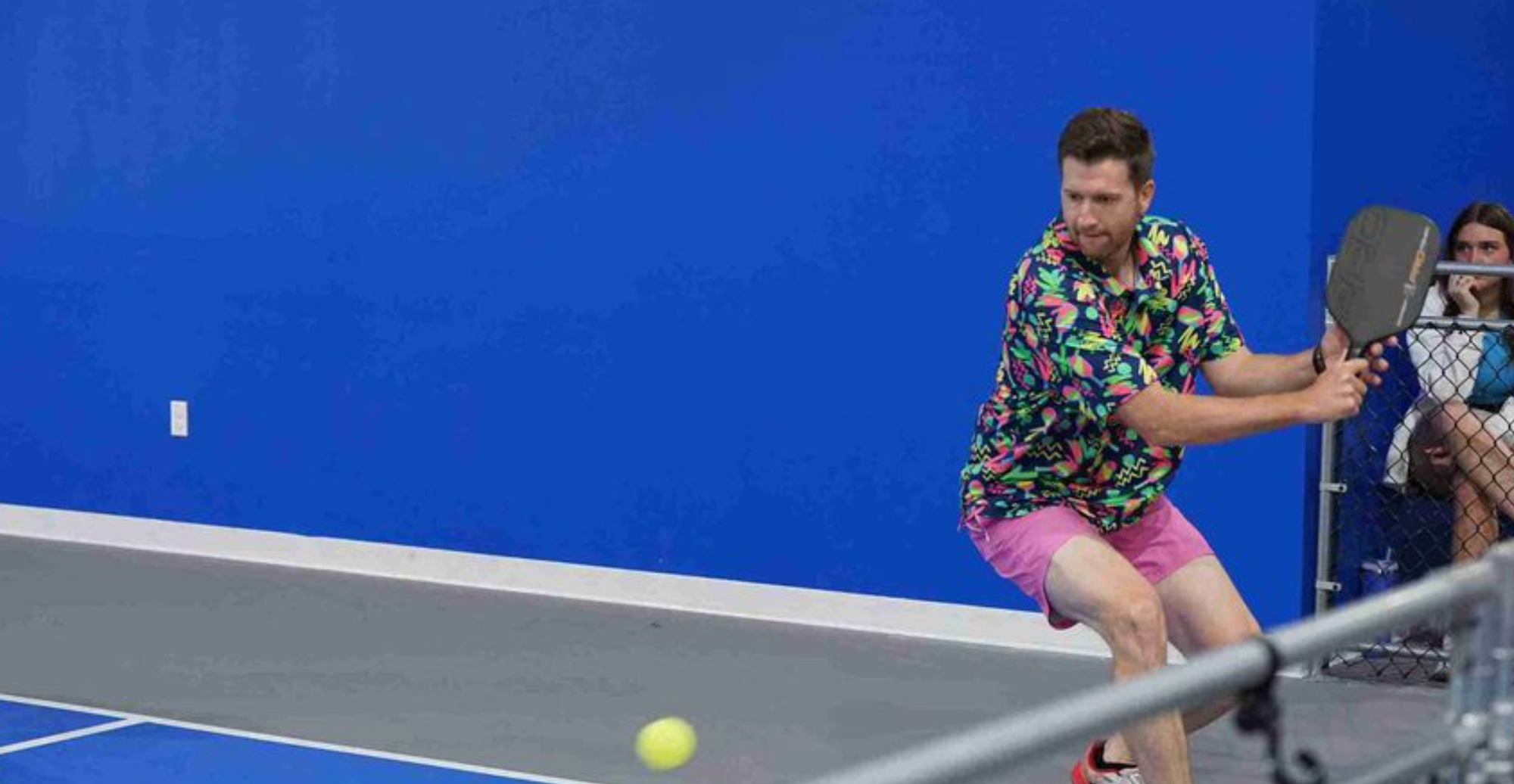
The Admiration Phase: Watching your beautiful shot instead of immediately preparing for the return. Every millisecond spent admiring your handiwork is a millisecond your opponents gain to mount their counter-attack.
Forward Momentum Trap: Allowing the natural forward motion of your attack to carry you too close to the net, eliminating your ability to handle aggressive returns to your feet.
Static Recovery: Returning to your exact starting position instead of adjusting based on the new court geometry created by your attack.
Advanced Recovery Techniques for Sustained Pressure

Elite players understand that recovery isn't just about getting back into position - it's about maintaining offensive pressure while preparing for multiple contingencies.
The Split-Step Recovery
Just as tennis players use a split-step to prepare for returns, pickleball players should incorporate a subtle hop-step during recovery. This athletic position allows for explosive movement in any direction while maintaining perfect balance.
Geometric Court Coverage
Your recovery position should create optimal angles for handling returns. Instead of simply backing up, move to positions that force your opponents into predictable return patterns while giving you maximum court coverage.

Communication and Partner Coordination
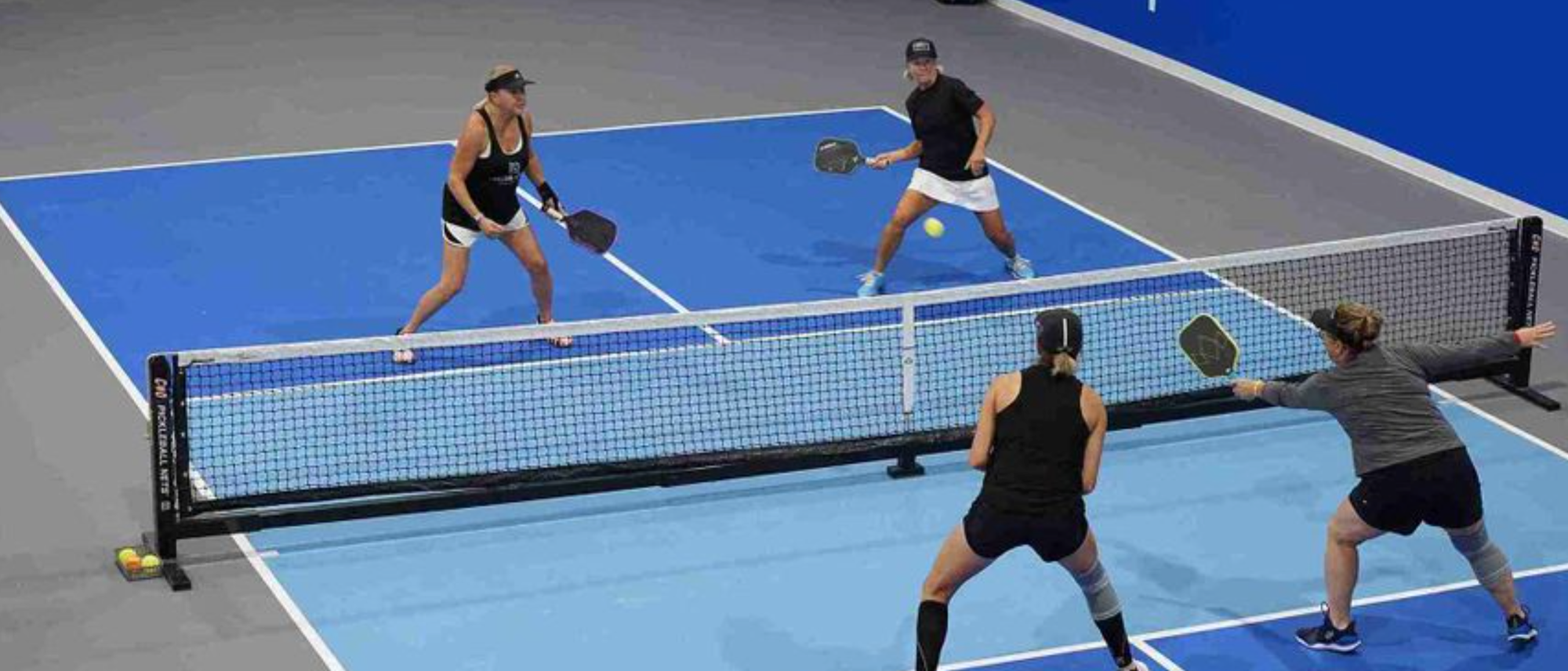
In doubles play, your recovery must coordinate with your partner's positioning. Effective teams move as a unit, with the attacking player's recovery triggering complementary movements from their partner.
Practice Drills for Perfect Recovery
Developing automatic recovery patterns requires specific, focused practice. Start with slow-motion drills where you emphasize proper footwork and positioning over shot power. Gradually increase the pace while maintaining perfect form.
The key is building muscle memory that triggers immediately after every aggressive shot, regardless of the situation's intensity or importance.
Frequently Asked Questions
How quickly should I recover after an attacking shot?
Recovery should begin immediately as the ball leaves your paddle. The entire process should take no more than 1-2 seconds, allowing you to be in optimal position before your opponents can execute their return.
What's the ideal recovery position after a cross-court attack?
Position yourself slightly toward the center of the court while maintaining coverage of your original zone. This allows you to handle both down-the-line returns and prevents easy cross-court angles back to your side.
Should recovery positioning change based on my opponent's skill level?
Absolutely. Against advanced players, expect faster and more accurate returns, requiring quicker recovery and more conservative positioning. Against beginners, you can afford slightly more aggressive recovery positions since their returns will likely be less precise.