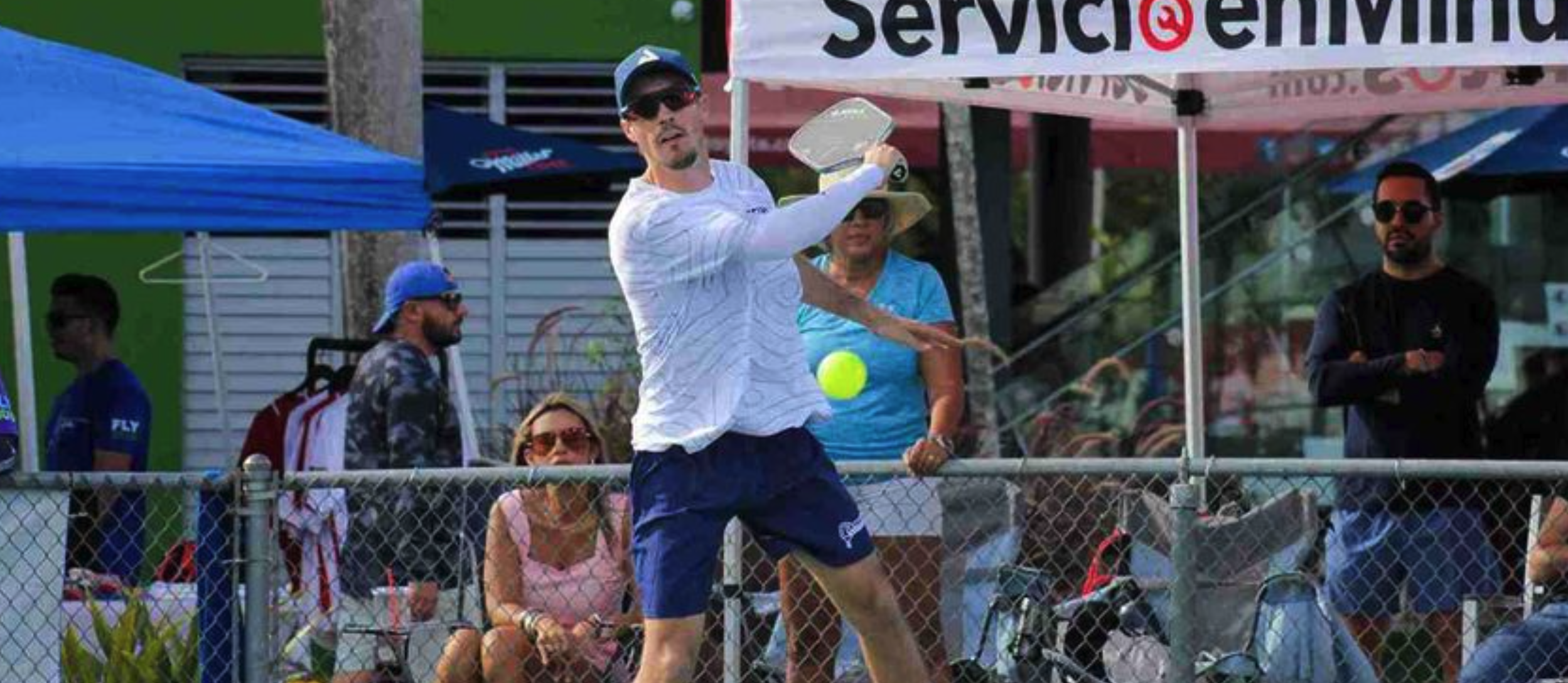
The difference between intermediate and advanced pickleball players isn't raw power—it's strategic shot selection. For 3.5 to 4.0 players, mastering the speed-up shot from the kitchen line represents one of the most effective ways to elevate your game and climb the rating ladder.
Most intermediate players struggle not with the mechanics of hitting hard, but with recognizing the perfect moment to attack. This comprehensive guide will transform your approach to speed-ups, teaching you to be patient, precise, and devastatingly effective.
Understanding the Strategic Speed-Up
The speed-up shot isn't about overwhelming opponents with pure force. It's a calculated offensive weapon that exploits specific opportunities during dinking exchanges. Successful speed-ups require three critical elements: proper timing, optimal ball selection, and precise execution.
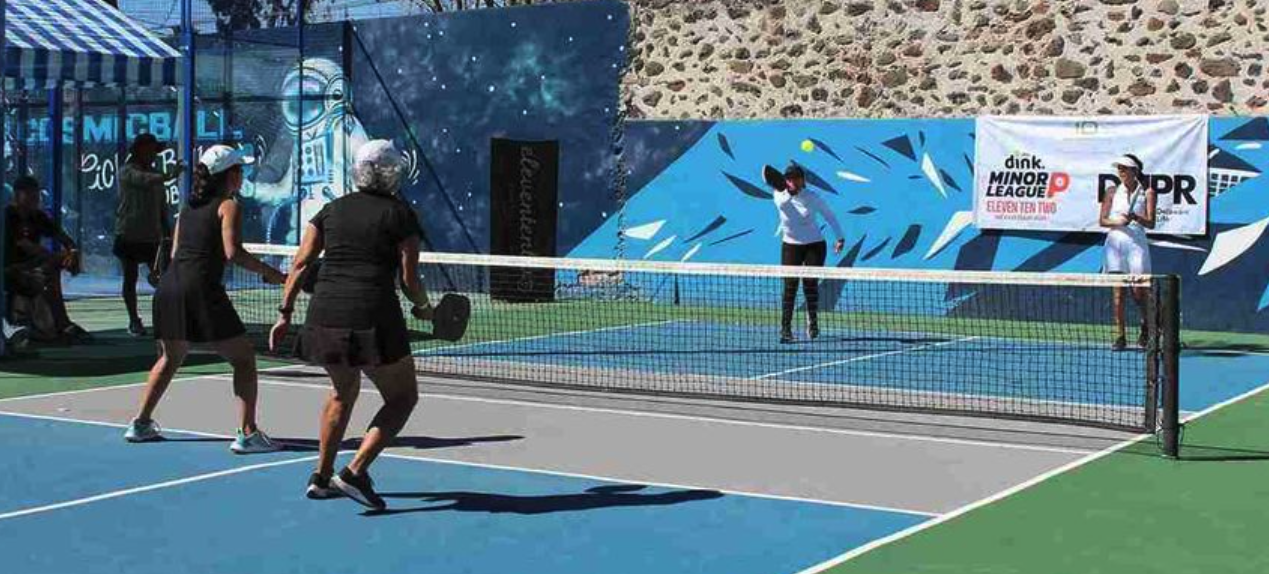
Advanced players understand that random aggression leads to unforced errors. Instead, they wait patiently for balls that sit slightly higher than the net, arrive with manageable pace, and present clear angles of attack. This disciplined approach separates consistent winners from players who spray balls into the net.
Identifying Prime Speed-Up Opportunities
Ball Height Recognition
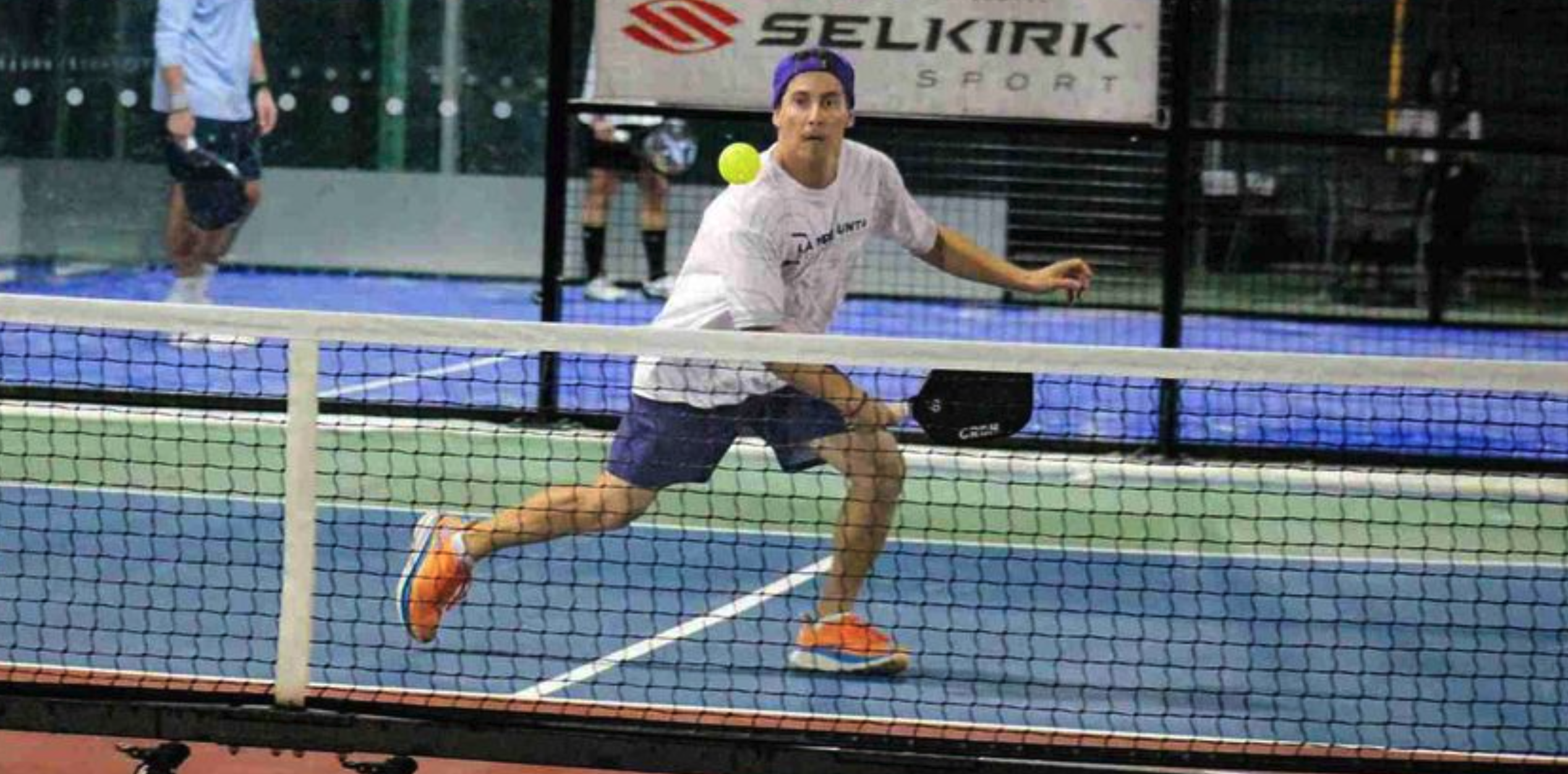
The ideal speed-up opportunity presents itself when the ball reaches net height or slightly above. Balls at this elevation allow you to attack downward, making defensive responses extremely difficult for opponents. Avoid speeding up balls below net level—these almost always result in net errors.
Court Position Awareness
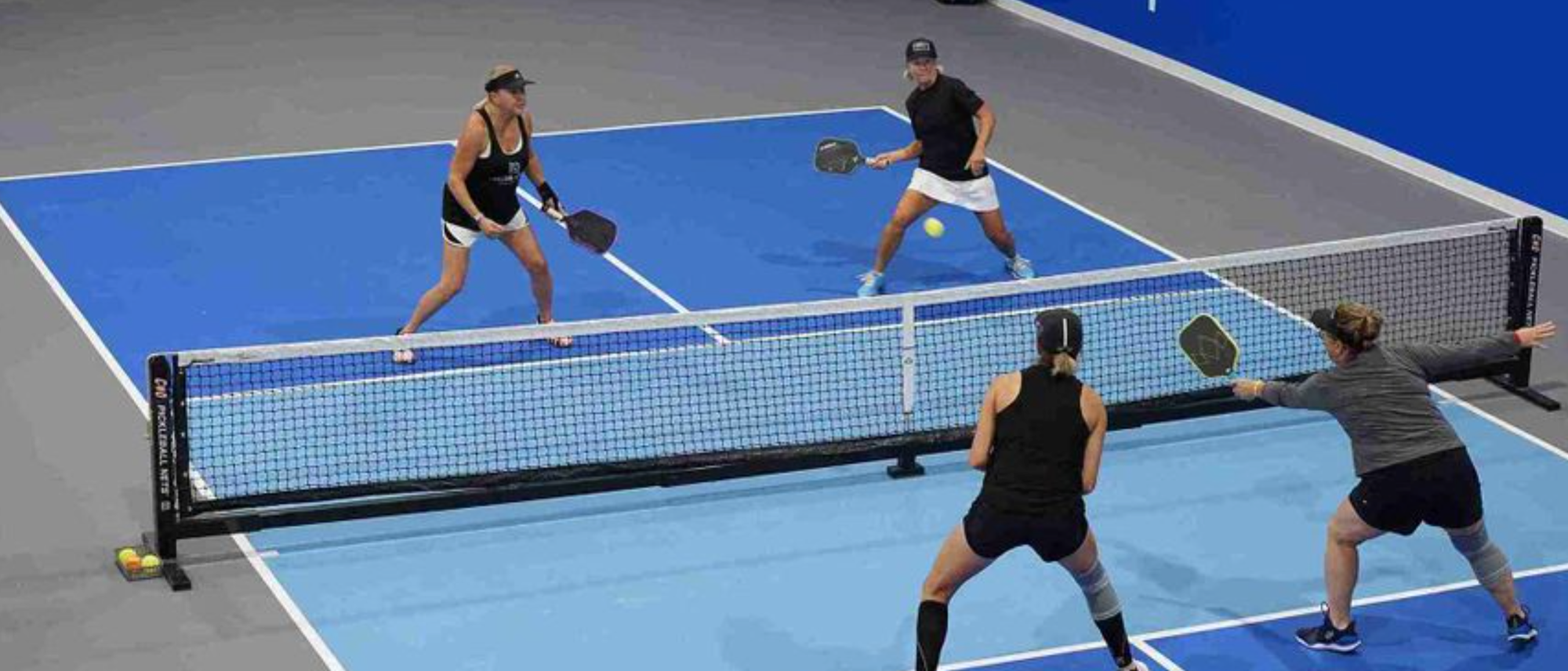
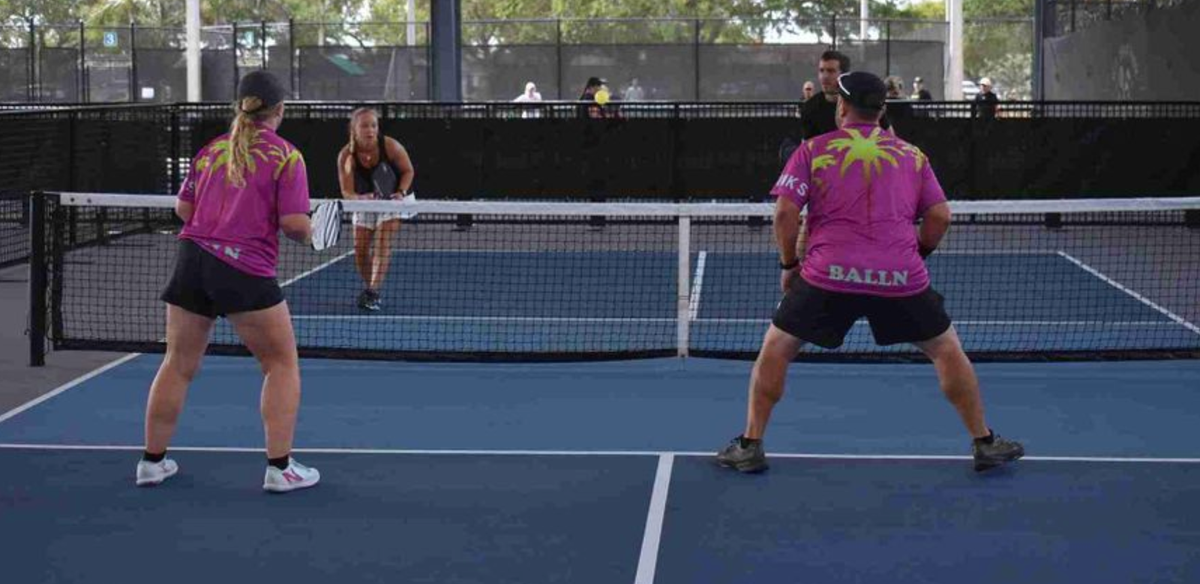
Your position relative to the kitchen line determines speed-up success. Stand 12-18 inches behind the line to give yourself reaction time while maintaining offensive positioning. This distance allows you to step into aggressive shots while avoiding kitchen violations.
Technical Execution Fundamentals
Grip and Stance Setup
Maintain a continental grip for versatility between forehand and backhand speed-ups. Keep your stance slightly open with weight distributed evenly on both feet. This positioning enables quick directional changes and powerful weight transfer.
Swing Mechanics
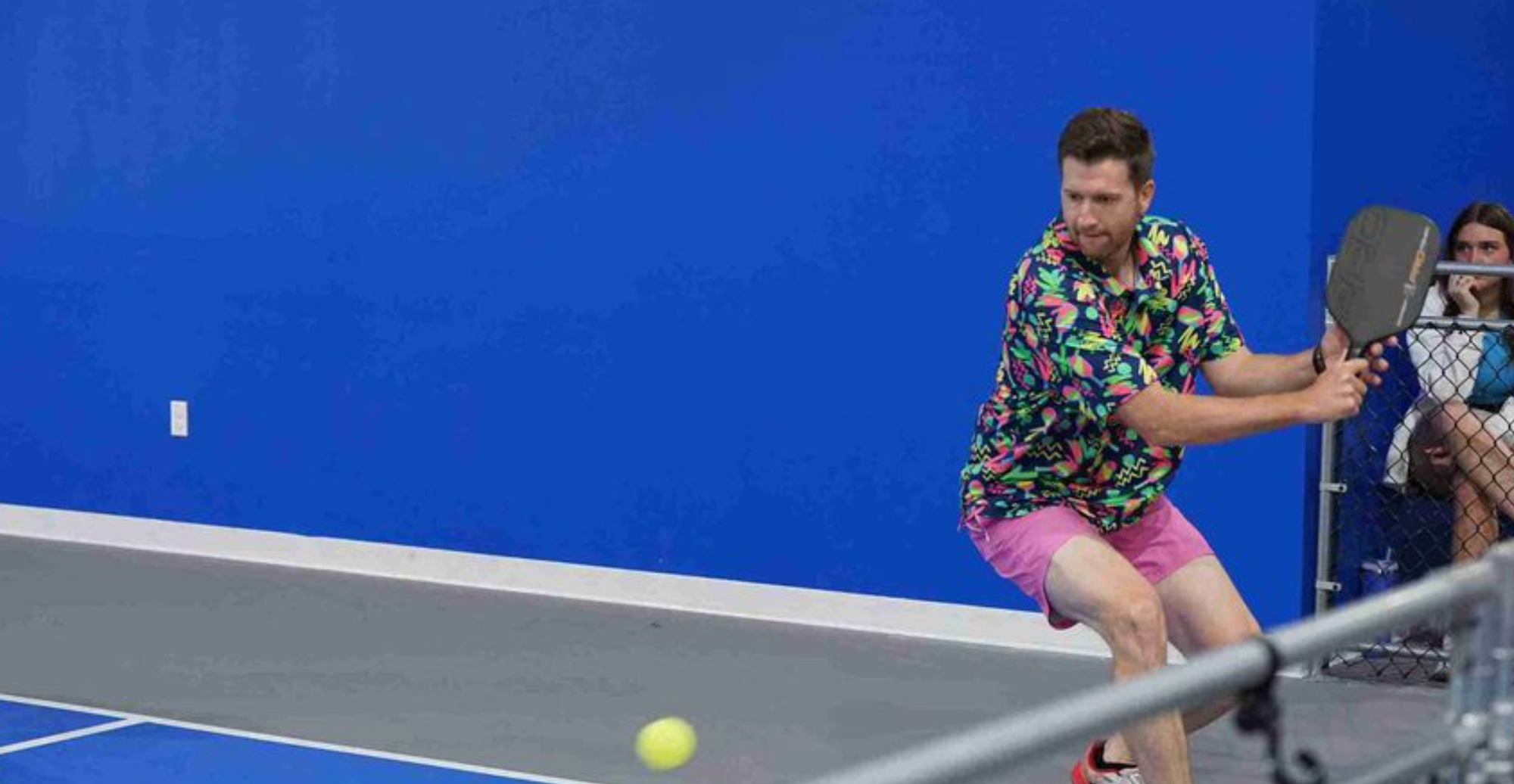
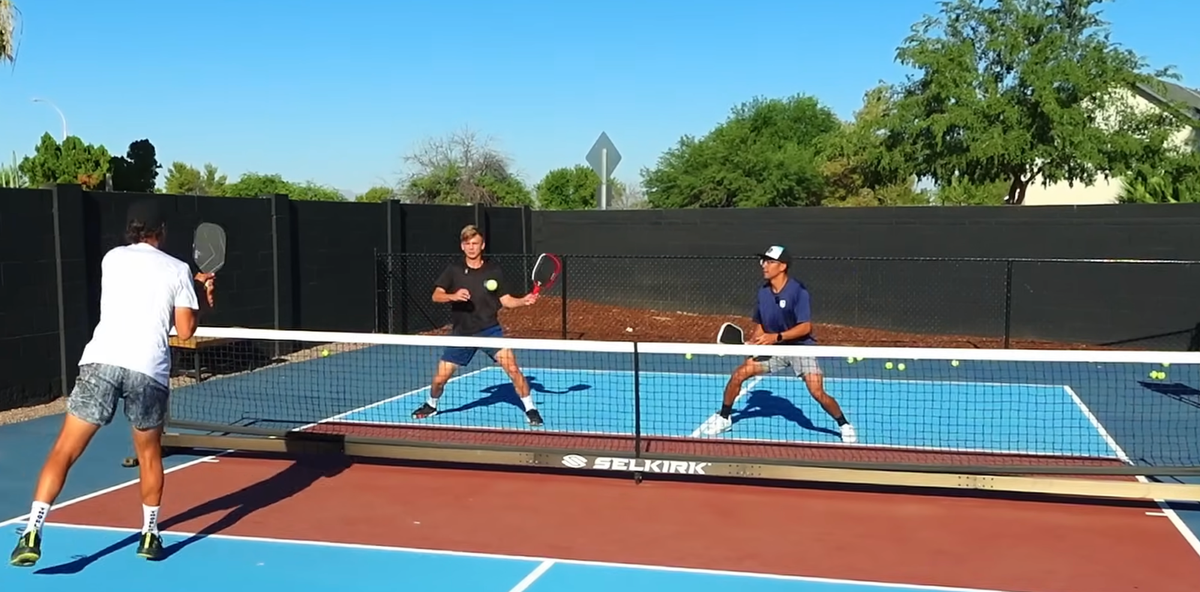
Execute speed-ups with a compact swing, focusing on acceleration through contact rather than long backswings. Keep your paddle face slightly open and drive through the ball with your entire body, not just your arm. Aim for controlled aggression rather than maximum power.
Targeting and Placement Strategy
Effective speed-up placement targets specific zones that create maximum difficulty for defenders. Aim for your opponent's hip pocket, their non-dominant side, or the space between two players in doubles. These locations limit reaction time and force awkward defensive positions.
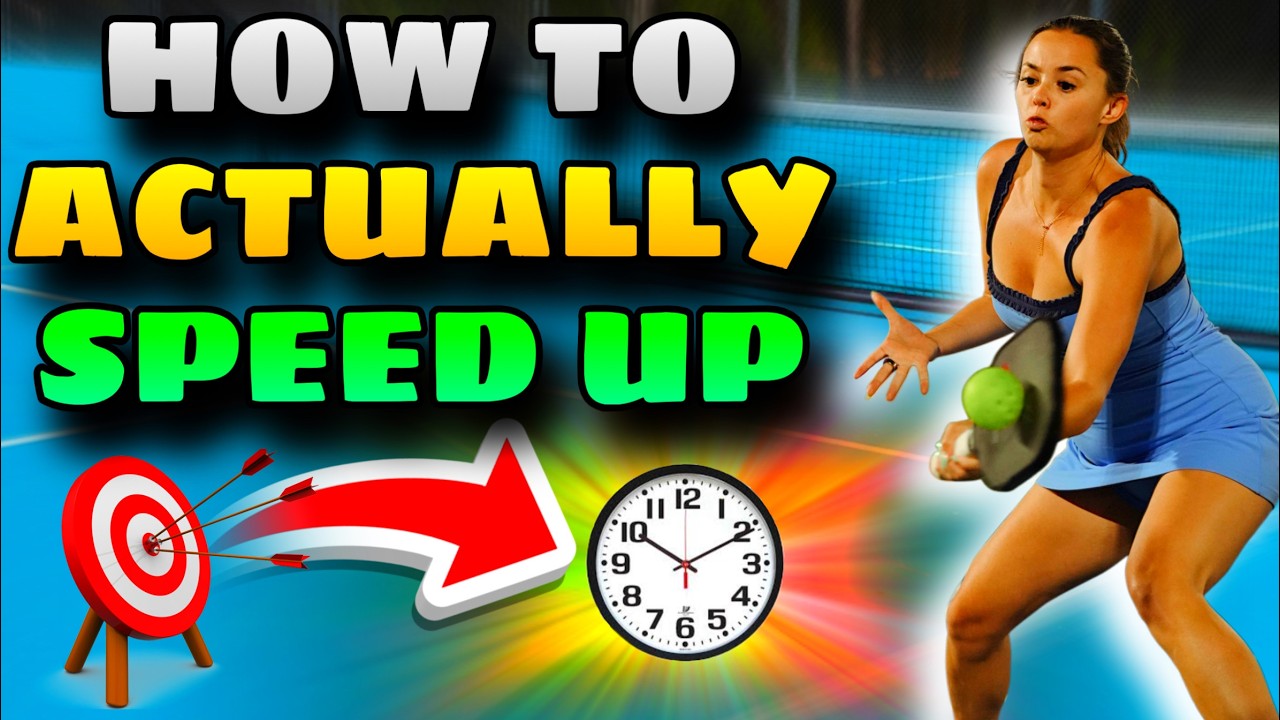
Cross-Court vs. Down-the-Line
Cross-court speed-ups offer larger target areas and better angles but give opponents more reaction time. Down-the-line attacks arrive faster but require more precision. Vary your selection to keep opponents guessing and prevent defensive anticipation.
Essential Practice Drills
Target Practice Drill
Place cones or targets in the backcourt corners and practice hitting speed-ups from various kitchen positions. Focus on consistency before adding power, aiming for 70% accuracy before increasing pace.
Recognition Drill
Have a partner feed you balls at different heights during dinking rallies. Practice holding back on low balls while attacking appropriate opportunities. This develops crucial decision-making skills under pressure.
Common Mistakes to Avoid
The biggest error intermediate players make is forcing speed-ups on inappropriate balls. Patience is crucial—wait for the right opportunity rather than creating artificial aggression. Additionally, avoid over-hitting; controlled placement beats raw power every time.
Another frequent mistake involves poor follow-up positioning. After executing a speed-up, immediately prepare for a potential defensive return rather than admiring your shot. Maintain ready position and expect the ball to come back.
FAQ
How often should I attempt speed-up shots during a point?
Quality over quantity is key. Look for 1-2 genuine opportunities per rally rather than forcing multiple attempts. Good opponents will exploit overly aggressive play, so be selective and patient.
What's the most effective target area for speed-ups?
The opponent's backhand hip pocket typically provides the highest success rate. This location limits their ability to set up properly and often forces weak defensive responses you can capitalize on.
Should I always follow up a speed-up with another aggressive shot?
Not necessarily. Read your opponent's defensive position and the quality of their return. Sometimes resetting back to dinking is the smartest choice, especially if they've recovered well from your initial attack.