Why the 3rd Shot Drop is Crucial in Pickleball
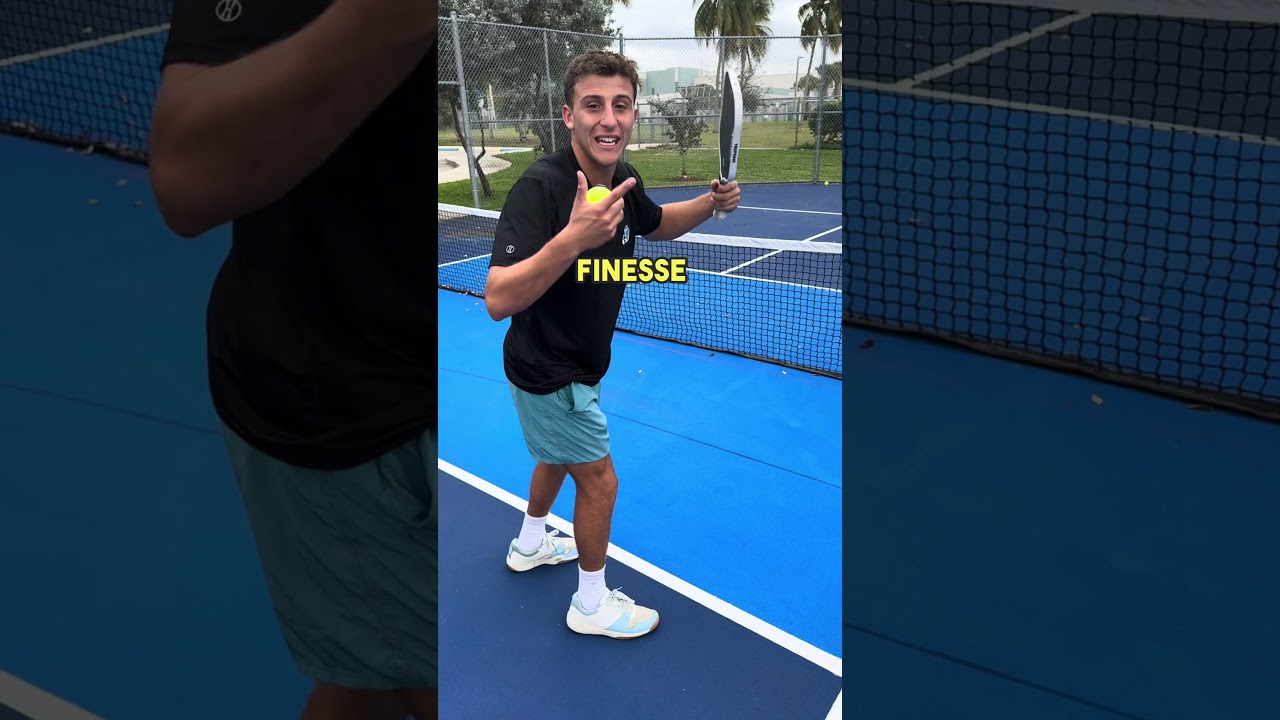
The 3rd shot drop represents the bridge between beginner and advanced pickleball play. This finesse shot allows the serving team to transition from the baseline to the net, neutralizing their opponents' positional advantage and setting up offensive opportunities.
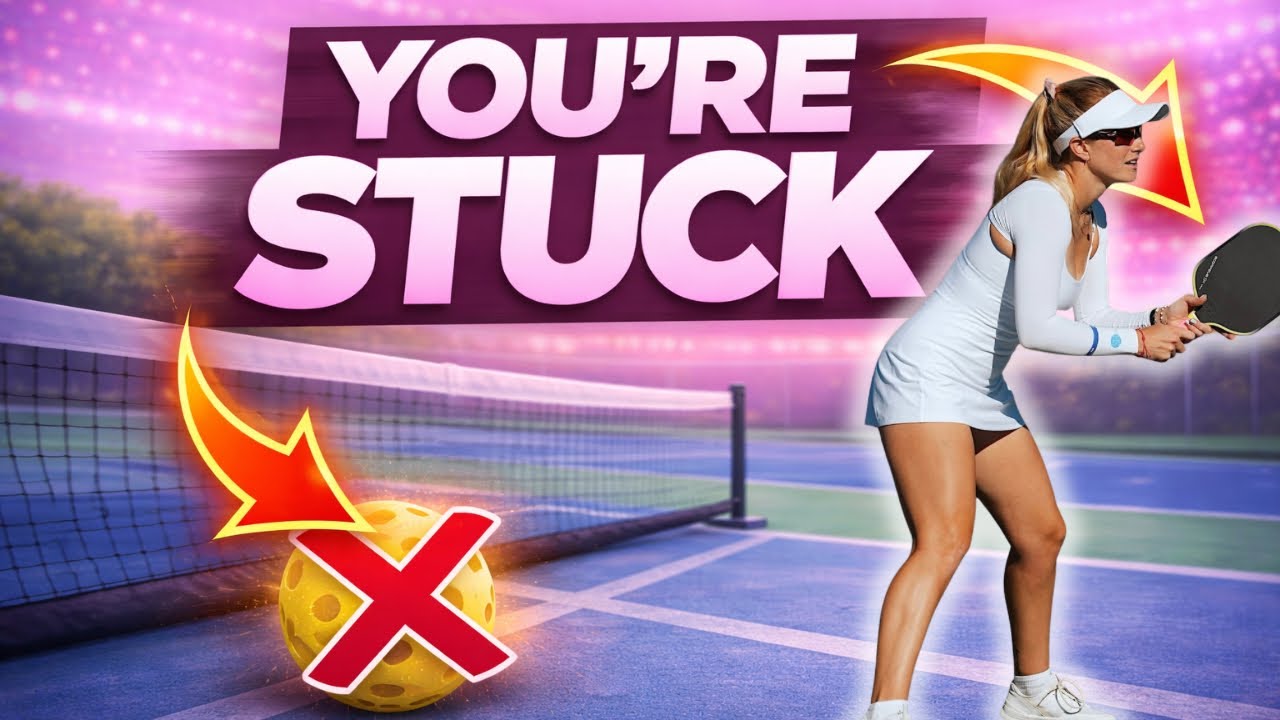
While challenging to master, the 3rd shot drop is your ticket to controlling rallies and competing at higher levels. Without it, you'll find yourself stuck at the baseline, constantly defending against aggressive net players.

Understanding 3rd Shot Drop Technique
Proper Setup and Stance
Position yourself with feet shoulder-width apart, knees slightly bent, and weight balanced on the balls of your feet. Your non-dominant foot should be slightly forward, creating a stable base for the shot execution.
The Swing Mechanics
The 3rd shot drop requires a low-to-high swing path with minimal backswing. Keep your paddle face slightly open and focus on a gentle, upward brushing motion through the ball. The key is controlled acceleration rather than power.
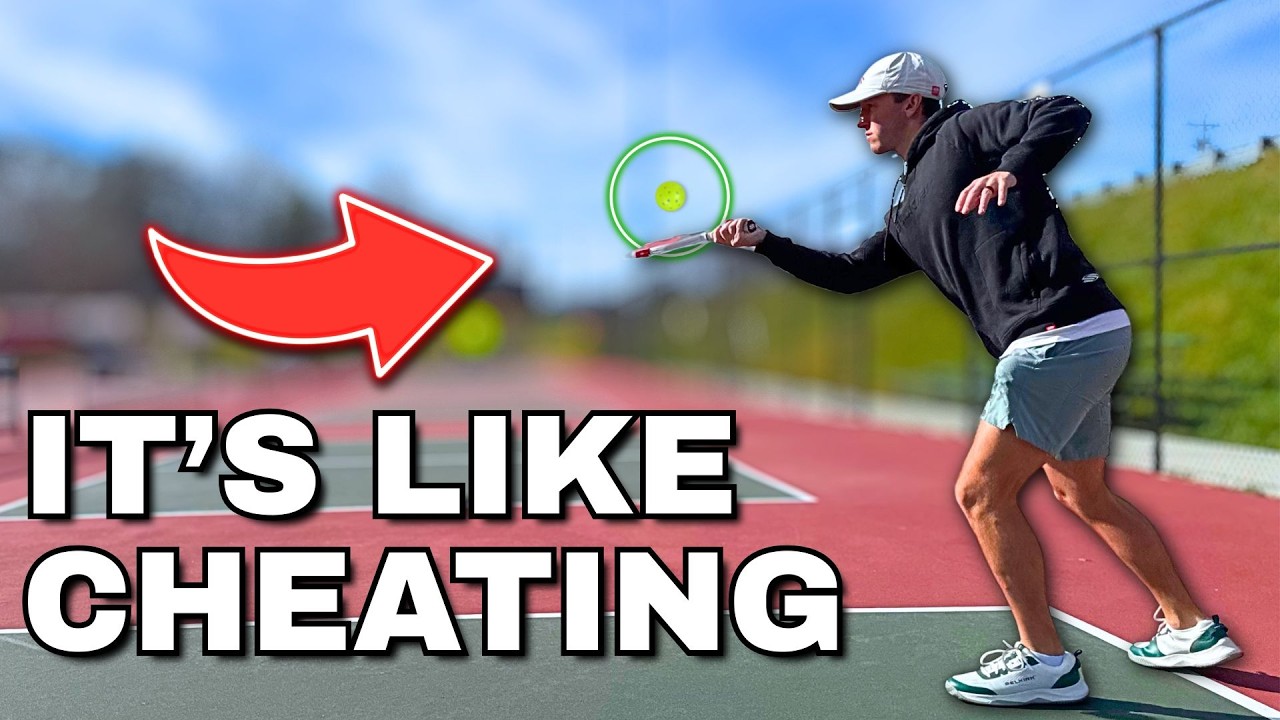
Contact the ball at waist level or below, using your legs to generate the upward trajectory. Your follow-through should be smooth and directed toward your target landing zone in the kitchen.

Strategic Positioning for Success
Positioning is equally important as technique. After serving, move forward to approximately the transition zone, giving yourself optimal court position for the return of serve. This positioning allows you to execute the drop shot while beginning your advance toward the net.
Target your drop shots to land softly in your opponents' kitchen, preferably at their feet or slightly behind the kitchen line. This forces them to hit upward, giving you time to continue your forward movement.
Common 3rd Shot Drop Mistakes
Overpowering the Shot
The most frequent error is using too much force. Remember, the 3rd shot drop is about finesse, not power. Focus on soft hands and controlled contact to achieve the proper arc and landing.
Poor Shot Selection
Not every 3rd shot should be a drop. If the return of serve lands short or sits up high, consider a more aggressive drive or attack shot instead of defaulting to the drop.
Inadequate Follow-Through
Many players stop their swing at contact, resulting in inconsistent drops. Maintain smooth acceleration through the ball with proper follow-through toward your target.
Essential Practice Drills
Wall Practice Drill
Stand 10-12 feet from a wall and practice drop shots, focusing on consistent arc and soft landings. This drill helps develop muscle memory and paddle control without needing a partner.
Target Practice
Place targets in the kitchen area and practice landing drops within specific zones. Start with larger targets and gradually reduce the size as your accuracy improves.
Live Ball Drilling
Practice the complete sequence: serve, return of serve, then execute the 3rd shot drop. This drill integrates positioning, timing, and shot execution under realistic conditions.
Advanced 3rd Shot Drop Variations
Once you've mastered the basic drop, experiment with placement variations. Cross-court drops often provide more margin for error due to the longer diagonal distance, while down-the-line drops can catch opponents off-guard.
Consider the spin variations as well. Slight topspin can help control the ball's bounce, while a touch of slice can create a lower, more challenging bounce for your opponents.
Mental Approach and Patience
The 3rd shot drop requires significant patience to master. Accept that you'll miss many attempts initially, but consistent practice will lead to breakthrough moments. Focus on gradual improvement rather than immediate perfection.
Develop confidence in your drop shot through repetitive practice, and don't abandon the technique during competitive play when pressure mounts. Trust your training and commit fully to each attempt.
Frequently Asked Questions
How long does it take to master the 3rd shot drop?
Most players need 3-6 months of consistent practice to develop reliable 3rd shot drops. However, the timeline varies based on practice frequency, instruction quality, and individual learning pace.
When should I use a drive instead of a drop on the 3rd shot?
Use a drive when the return of serve lands short, sits up high, or when your opponents are positioned too close to the kitchen line. The drive can also be effective when you need to change the rally's pace.
What's the ideal height for a 3rd shot drop to clear the net?
Aim for 3-6 feet of net clearance. This height provides sufficient margin for error while still allowing the ball to land softly in the kitchen area.