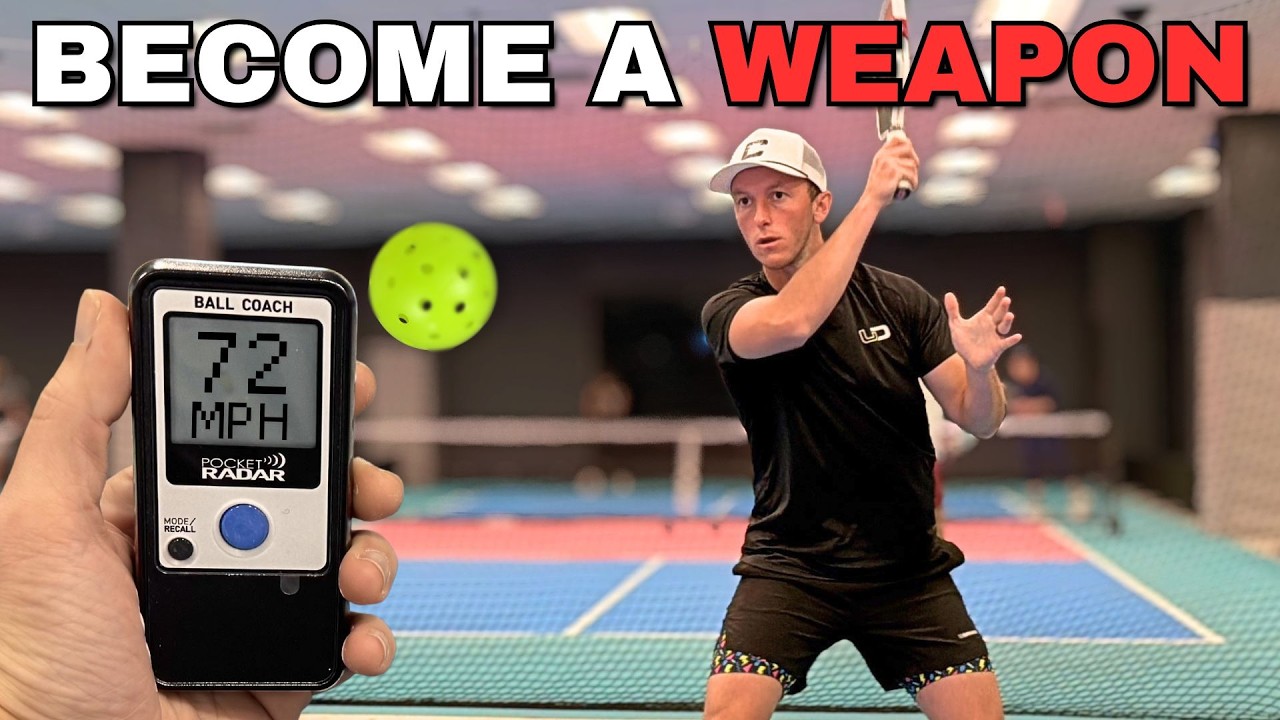
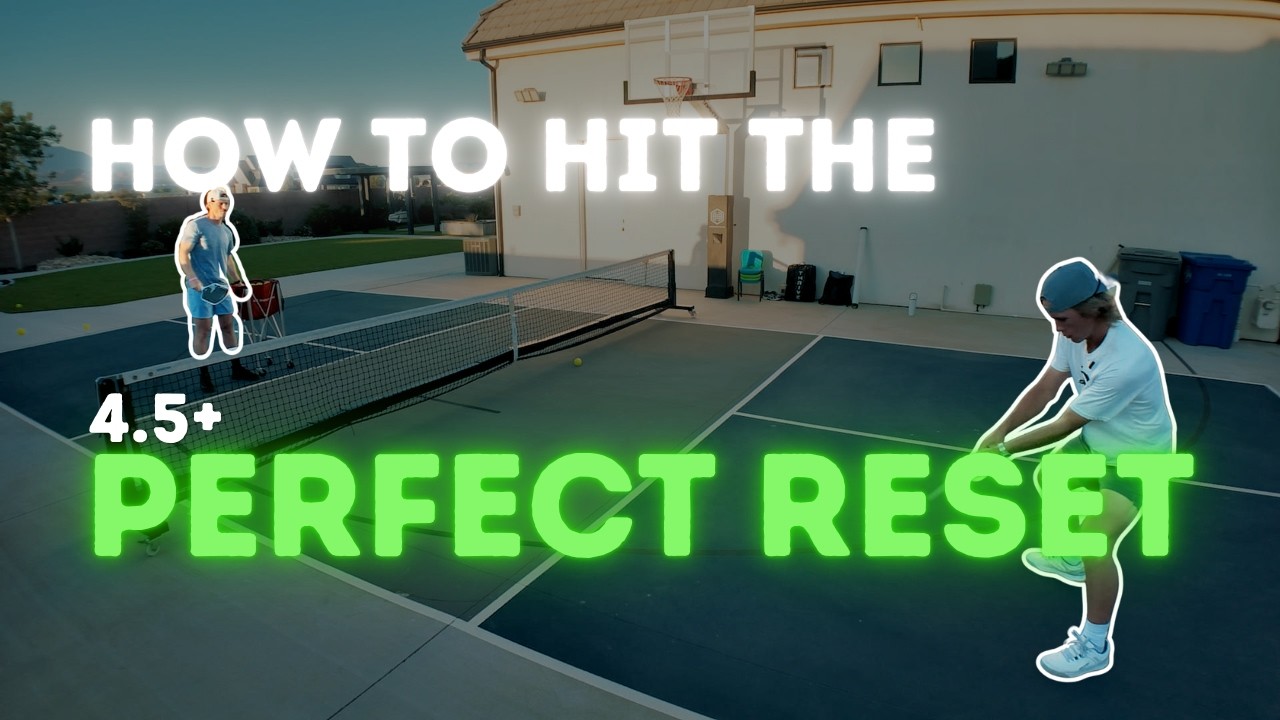
The pickleball backhand is the shot that truly separates weekend warriors from competitive players. While many recreational players struggle with this fundamental stroke, elite 5.0+ players have mastered a systematic approach that delivers both consistency and devastating power.
If you're ready to elevate your game and develop a backhand that commands respect on the court, this three-step methodology will transform your technique from the ground up.
Why Your Backhand Determines Your Skill Level
The stark reality is that most players plateau around the 3.0-3.5 level primarily due to backhand limitations. Advanced opponents quickly identify this weakness and exploit it relentlessly, targeting your backhand side until you're forced into defensive positioning.
Elite players understand that a dominant backhand isn't just about offense—it's about maintaining court position, creating offensive opportunities, and preventing opponents from controlling rallies. When executed properly, your backhand becomes a weapon that opens up the entire court.
Step 1: Foundation and Grip Mastery
The foundation of every elite backhand begins with proper grip positioning and stance preparation. Most recreational players make critical errors before they even swing the paddle.

The Continental Grip Advantage
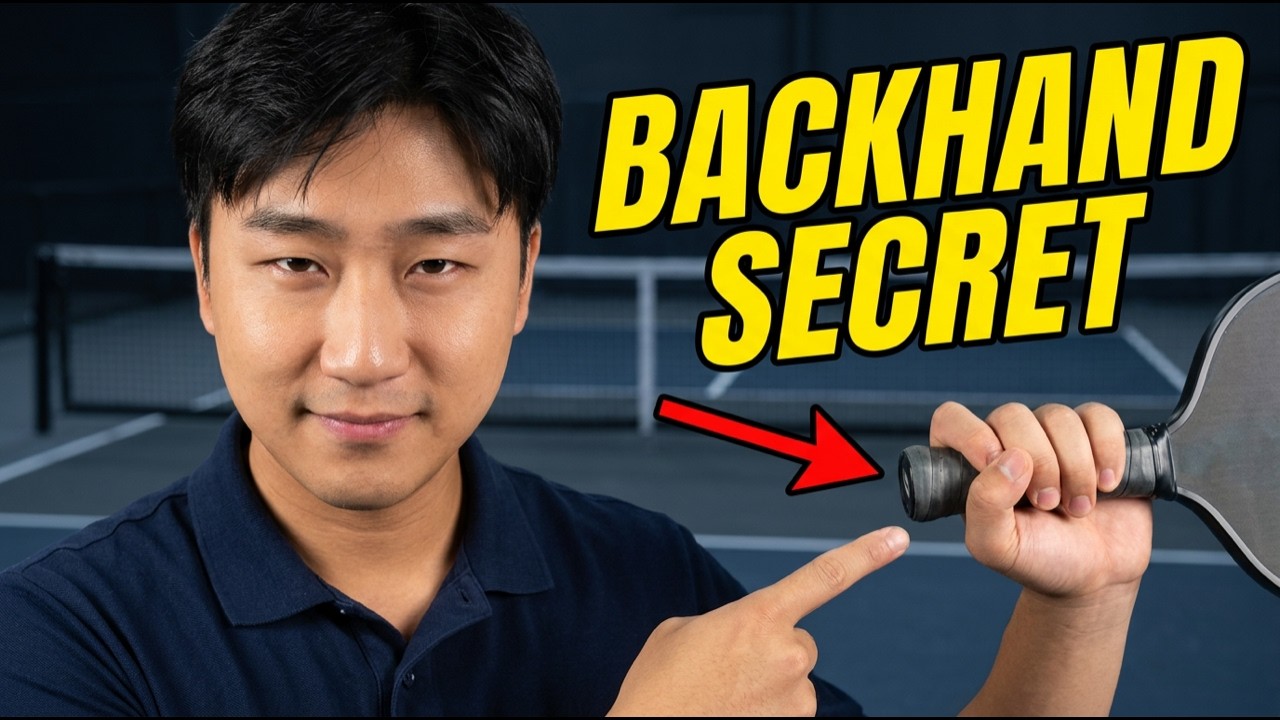
Professional players utilize a continental or eastern backhand grip that allows for maximum wrist stability and power transfer. Position your hand so the paddle face sits perpendicular to the ground when held naturally at your side.

Athletic Ready Position
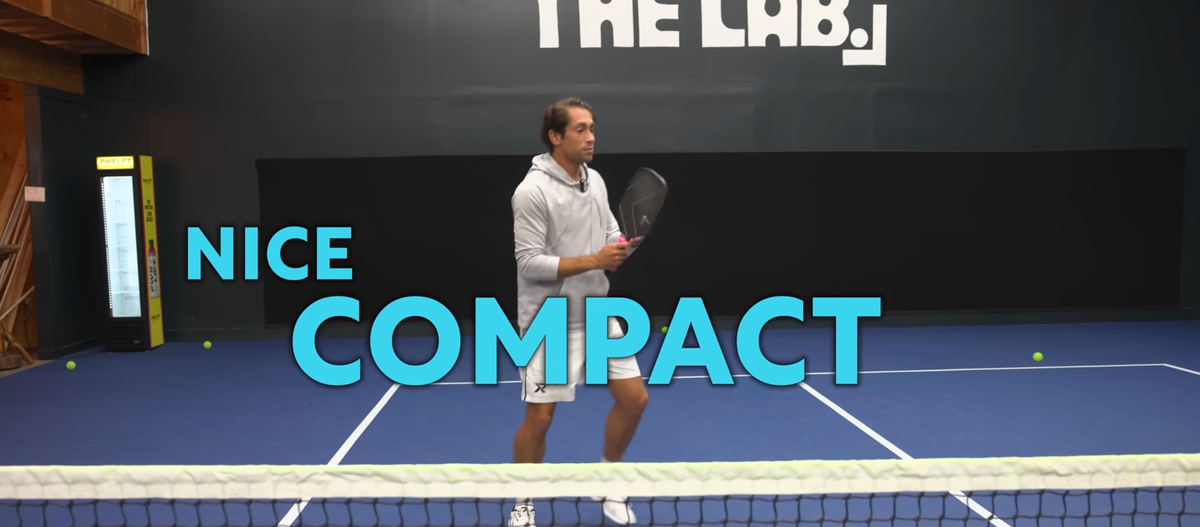
Your stance should feature feet shoulder-width apart with weight slightly forward on the balls of your feet. This positioning enables quick rotation and optimal balance throughout the stroke motion.
Step 2: The Power Generation Sequence
Elite players generate tremendous power through a precise kinetic chain that begins with the lower body and transfers energy upward through the core and into the paddle.
Hip and Shoulder Rotation
The backswing initiates with your hips and shoulders turning away from the target. This coiling motion stores energy that will be released during the forward swing. Your non-dominant shoulder should point toward the target at the peak of your backswing.
Weight Transfer Mechanics
As you begin the forward swing, shift your weight from your back foot to your front foot while simultaneously rotating your hips and shoulders toward the target. This weight transfer is crucial for generating consistent power.
Step 3: Contact Point and Follow-Through Precision
The final phase separates good backhands from great ones. Elite players maintain strict discipline in their contact point and follow-through mechanics.
Optimal Contact Zone
Contact should occur slightly in front of your body with your arm comfortably extended. Many players make contact too close to their body or too far away, resulting in inconsistent shots and reduced power.

The Complete Follow-Through
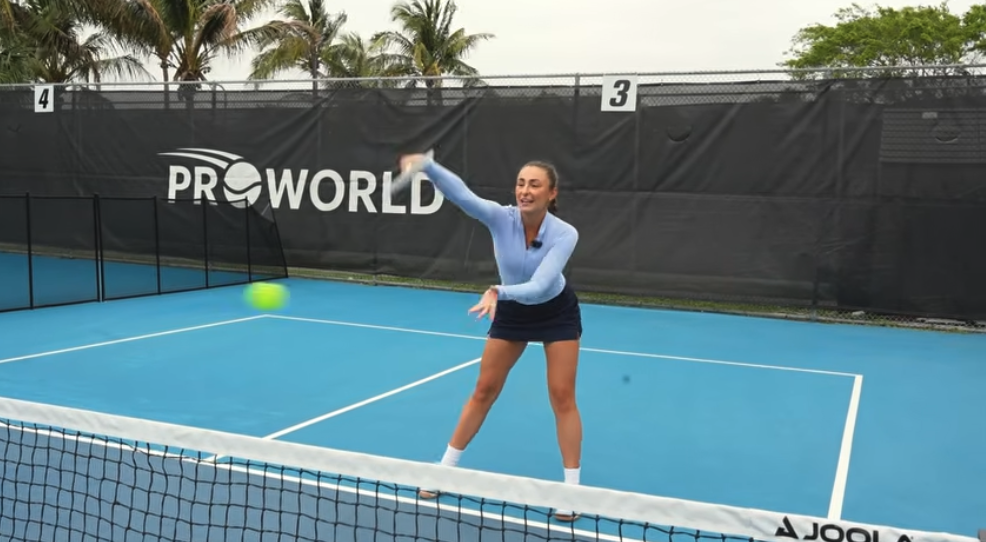
Your follow-through should continue across your body with the paddle finishing high and in front of your opposite shoulder. This complete motion ensures maximum power transfer and helps maintain consistency across different shot situations.
Common Mistakes That Sabotage Progress
Even players who understand the fundamentals often struggle with execution due to these prevalent errors:
- Rushing the preparation phase and not achieving proper shoulder turn
- Dropping the paddle head below the wrist at contact
- Failing to maintain firm wrist position throughout the stroke
- Incomplete follow-through that cuts power and accuracy
Practice Drills for Rapid Improvement
Implement these targeted drills to accelerate your backhand development:
Wall Practice: Stand three feet from a wall and practice your backhand motion, focusing on consistent contact point and follow-through. The immediate feedback helps groove proper mechanics.
Cross-Court Targets: Set up targets in the opposite corners and practice hitting controlled backhands with varying power levels. This develops both accuracy and power control.
Progressive Loading: Start with slower feeds and gradually increase pace as your technique solidifies. This builds confidence while maintaining proper form under pressure.
FAQ
How long does it take to develop a 5.0-level backhand?
With consistent practice and proper technique focus, most players see significant improvement within 3-6 months. However, achieving true 5.0-level consistency typically requires 12-18 months of dedicated practice.
Should I use a two-handed or one-handed backhand?
Both can be effective at elite levels. Two-handed backhands offer more stability and power for beginners, while one-handed backhands provide greater reach and versatility. Choose based on your natural comfort and physical attributes.
What's the most important aspect to focus on first?
Grip and preparation are fundamental. Master the continental grip and proper shoulder turn before focusing on power generation. Solid fundamentals create the foundation for all advanced techniques.