The pickleball reset shot is your secret weapon for turning defense into offense. This crucial skill separates recreational players from competitive ones, yet many struggle to execute it consistently. Understanding the reset's purpose and mastering its technique will revolutionize your court presence.
What Is a Pickleball Reset Shot?
A reset shot neutralizes your opponent's aggressive attack by softly placing the ball back into the kitchen. Instead of trying to counter-attack a hard drive, you absorb the pace and redirect the ball with finesse. This defensive maneuver forces opponents to start the rally over from a neutral position.
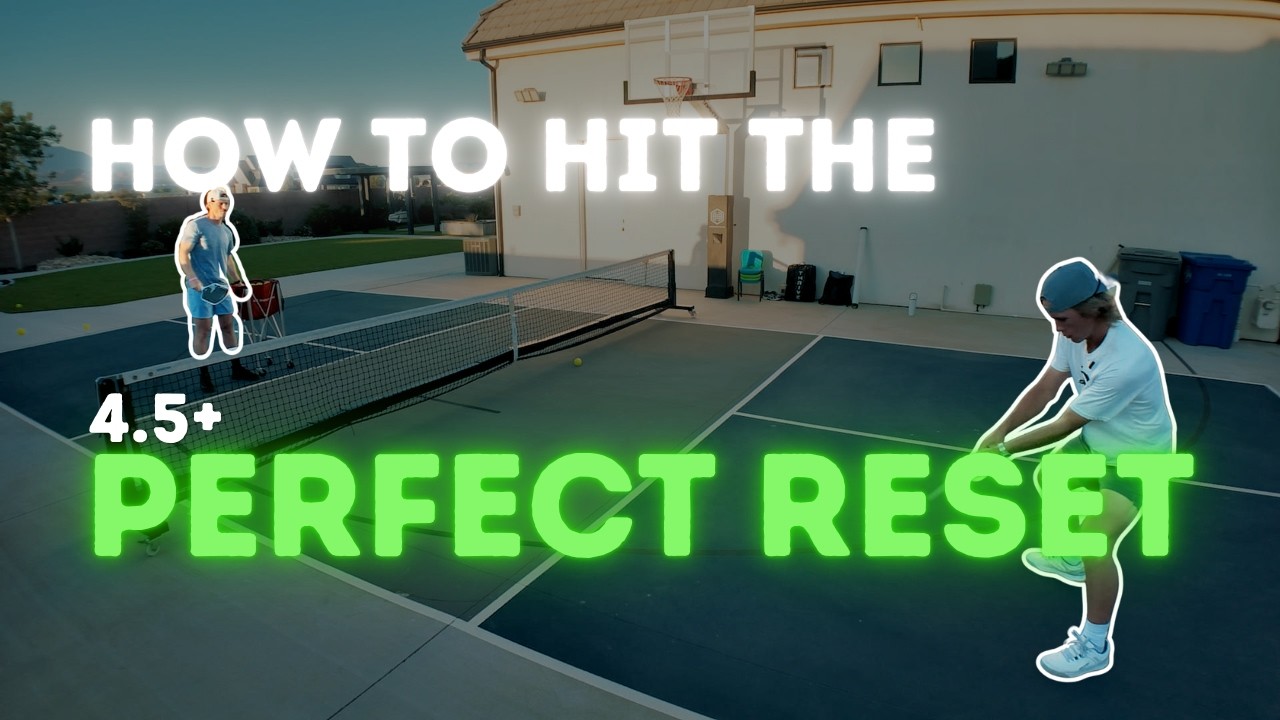
The reset works because it removes the opponent's advantage gained through power shots. When executed properly, it lands softly in the non-volley zone, making it impossible for opponents to continue their aggressive attack.
Essential Reset Technique Fundamentals
Proper Stance and Positioning
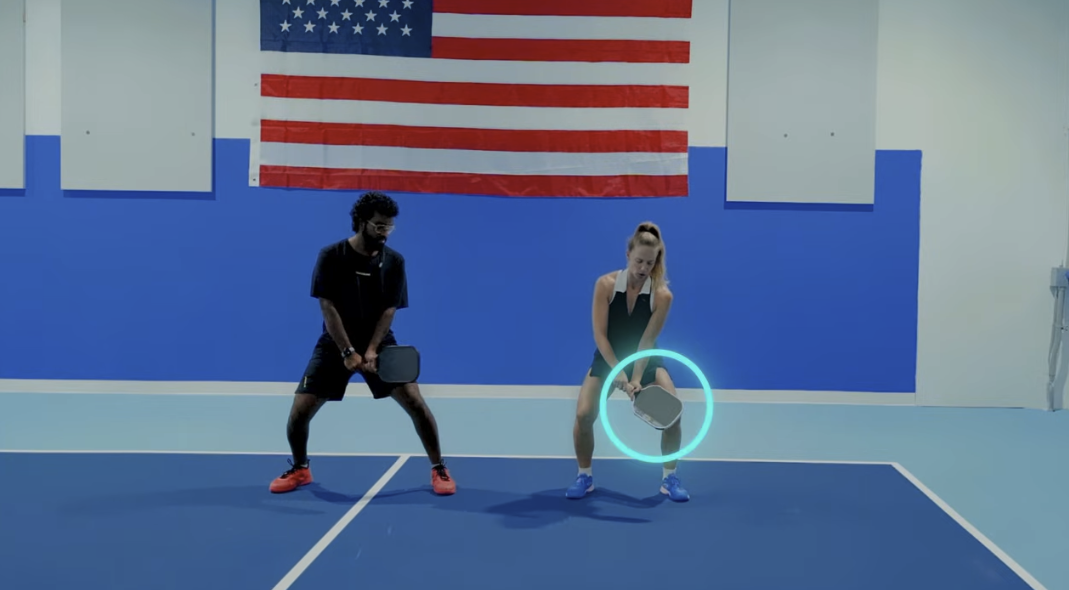
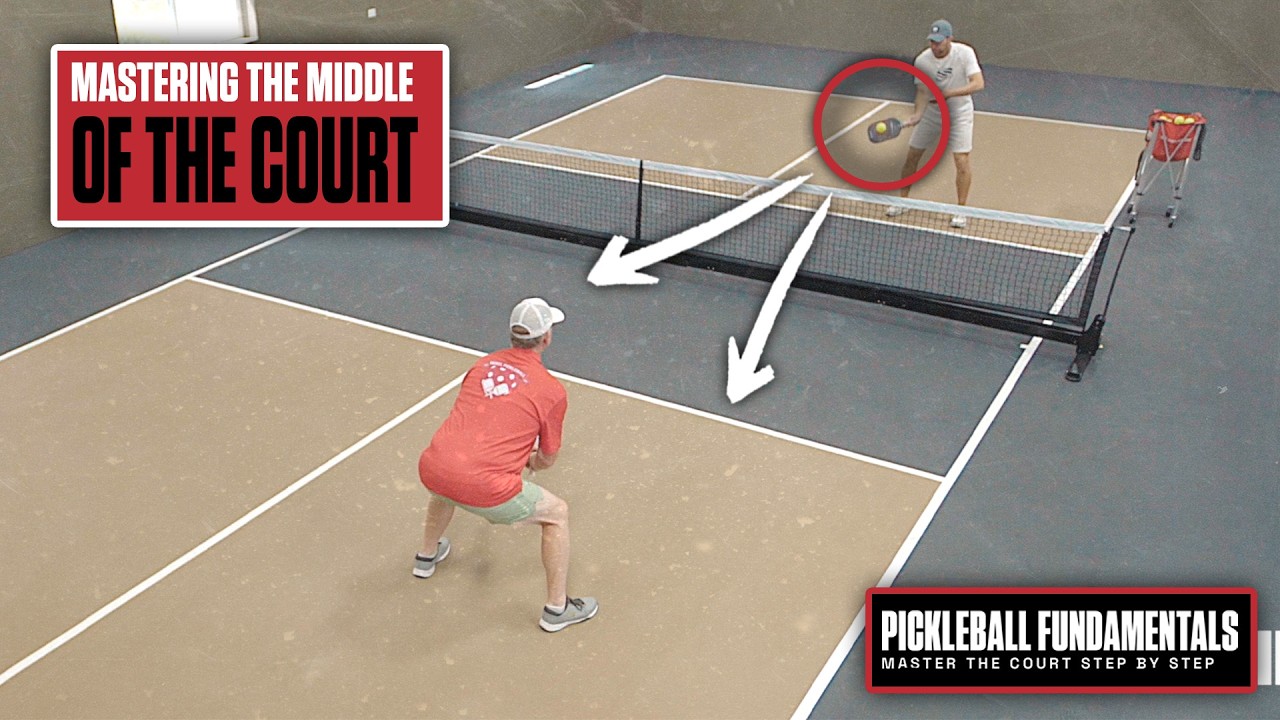
Your stance determines reset success. Position yourself with feet shoulder-width apart and knees slightly bent. Keep your paddle up and ready, positioned between your chest and waist. This athletic position allows quick reactions to incoming attacks.
Weight should be on the balls of your feet, enabling lateral movement. Avoid backing up when balls come hard - instead, step forward and absorb the pace with your paddle face.
Paddle Face Control
The paddle face angle is critical for reset execution. Open the paddle face slightly upward to create the necessary arc for clearing the net. A closed face will send balls into the net, while an overly open face creates pop-ups.
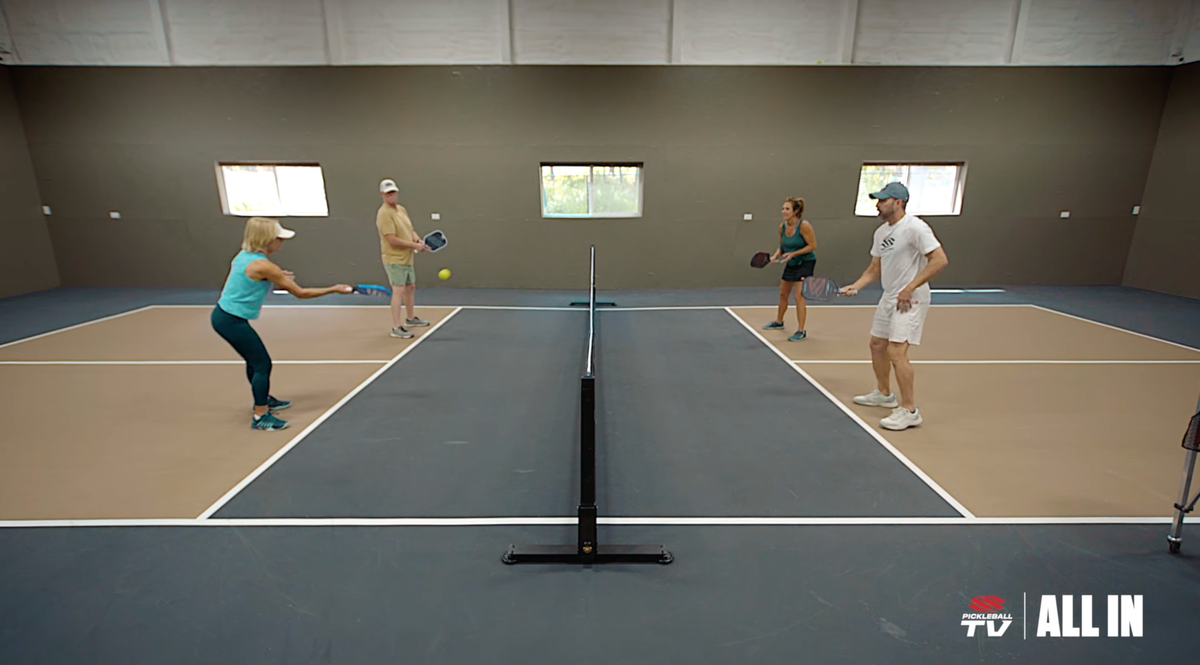
Practice controlling pace by using a firm grip with relaxed wrists. The paddle should act like a backboard, absorbing the ball's energy rather than adding to it.
Step-by-Step Reset Execution
Follow this sequence for consistent reset shots:
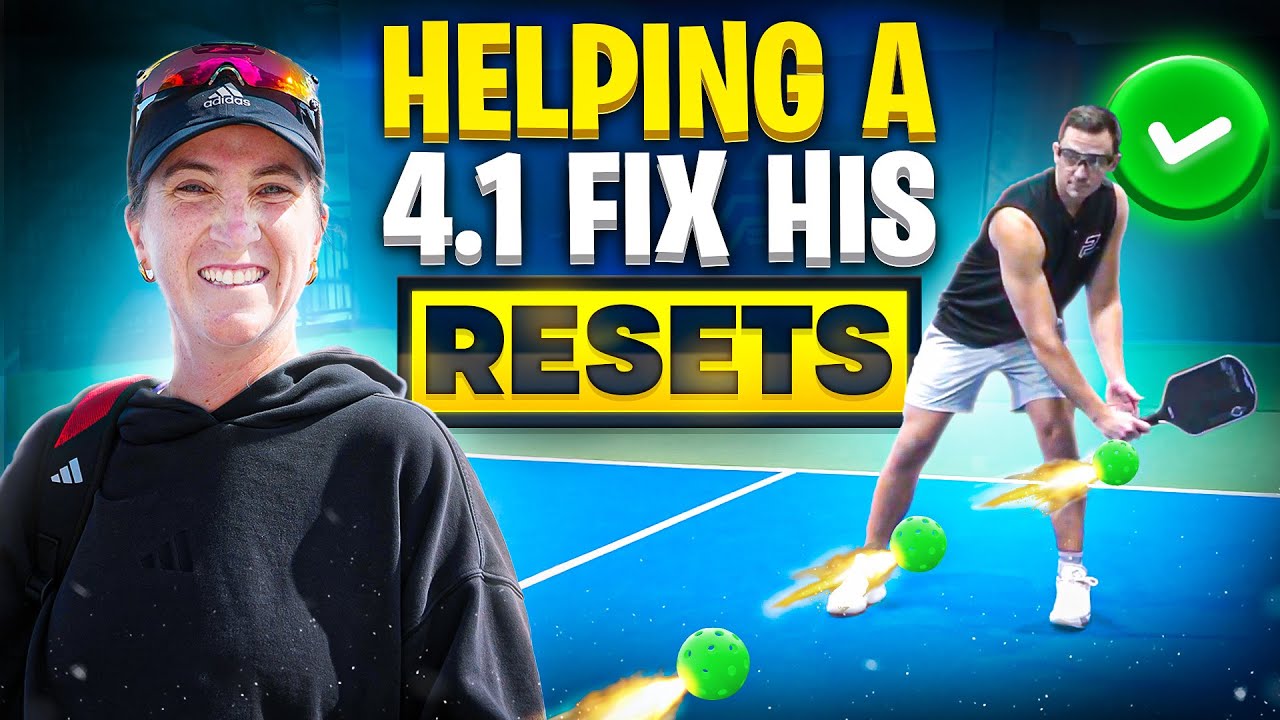
- Read the incoming ball: Identify power shots early by watching your opponent's paddle preparation
- Position your body: Move your feet to get directly behind the ball's path
- Prepare the paddle: Set paddle face angle before ball contact
- Make contact: Strike the ball at the peak of its bounce when possible
- Follow through: Use minimal follow-through, letting the ball's pace do the work
Common Reset Mistakes to Avoid
Over-Swinging
Many players try to add their own pace to reset shots, causing balls to sail long or pop up high. The reset requires subtraction of pace, not addition. Let the incoming ball's momentum carry it back over the net.
Poor Court Positioning
Standing too far from the kitchen line makes resets unnecessarily difficult. Position yourself 6-8 feet from the net when expecting attacks. This distance provides optimal reaction time while maintaining reset accuracy.
Practice Drills for Reset Mastery
Wall Reset Drill
Practice against a wall by hitting balls with varying pace and practicing consistent, soft returns. This builds muscle memory for pace absorption without needing a partner.
Partner Feed Drill
Have a partner feed aggressive shots from the baseline while you practice resets from the transition zone. Start with moderate pace and gradually increase intensity as your technique improves.
Target Practice
Place targets in the kitchen and aim your resets at specific zones. This builds precision while maintaining proper technique under pressure.
When to Use the Reset Shot
Deploy reset shots strategically during these situations:
- Opponent hits aggressive drives from the baseline
- You're caught in the transition zone
- The ball is hit directly at your body
- You need time to recover court position
The reset isn't always the answer - against weak shots, consider more aggressive responses. Use resets to neutralize true threats and regain control of rally tempo.
Frequently Asked Questions
Should I always hit cross-court resets?
Cross-court resets offer more margin for error due to the longer distance and lower net height. However, down-the-line resets can be effective when opponents are out of position or leaning toward the cross-court angle.
How do I know if my reset is too high?
If opponents can attack your resets aggressively, they're likely too high. Proper resets should land softly in the kitchen, forcing opponents to hit upward on their next shot. Practice lowering your trajectory while maintaining net clearance.
Can I use resets offensively?
While primarily defensive, resets can create offensive opportunities by moving opponents around the court. Vary your reset placement to different kitchen zones, forcing opponents into uncomfortable positions for their next shot.