Watch any professional pickleball match and you'll notice a striking pattern: when opponents send up a high ball, it rarely survives the return trip. Elite players have weaponized the high ball putaway, transforming defensive lobs into immediate point-enders.
The gap between recreational players and tournament competitors often hinges on this single skill: converting elevated balls into winners. While 3.0-4.0 players encounter these opportunities constantly, they frequently squander them with arm-only swings that lack penetrating power.

Understanding the Kinetic Chain System
The kinetic chain represents the sequential energy transfer from your feet through your entire body to the paddle. This biomechanical principle separates crushing putaways from weak pop-ups that extend rallies unnecessarily.
Professional players don't rely on wrist flicks or arm strength alone. Instead, they harness their entire body's power through coordinated movement patterns that maximize ball speed while maintaining control.

Ground Force Generation
Power originates from your connection to the court. Plant your feet with a wide, stable base as you track the incoming ball. Your legs provide the foundation for explosive energy transfer, much like a coiled spring preparing to release.
Engage your leg muscles as you initiate the swing sequence. This ground force travels upward through your kinetic chain, multiplying in intensity as it moves through each body segment.
Core Rotation Mechanics
Your torso acts as the power amplifier in the kinetic chain sequence. Rotate your hips and shoulders in coordinated fashion, creating separation that stores elastic energy before release.
Strong core engagement stabilizes your spine while allowing maximum rotational force. This midsection involvement transforms good putaways into devastating winners that opponents cannot retrieve.
Forehand High Ball Execution
Position yourself with your non-dominant shoulder facing the net as the ball reaches its peak height. Step forward with your opposite foot while simultaneously beginning your hip rotation.
Allow your paddle to drop behind your head as your shoulders turn, creating the loaded position that stores potential energy. The forward swing begins with your legs driving through the shot, followed by core rotation, then arm extension.
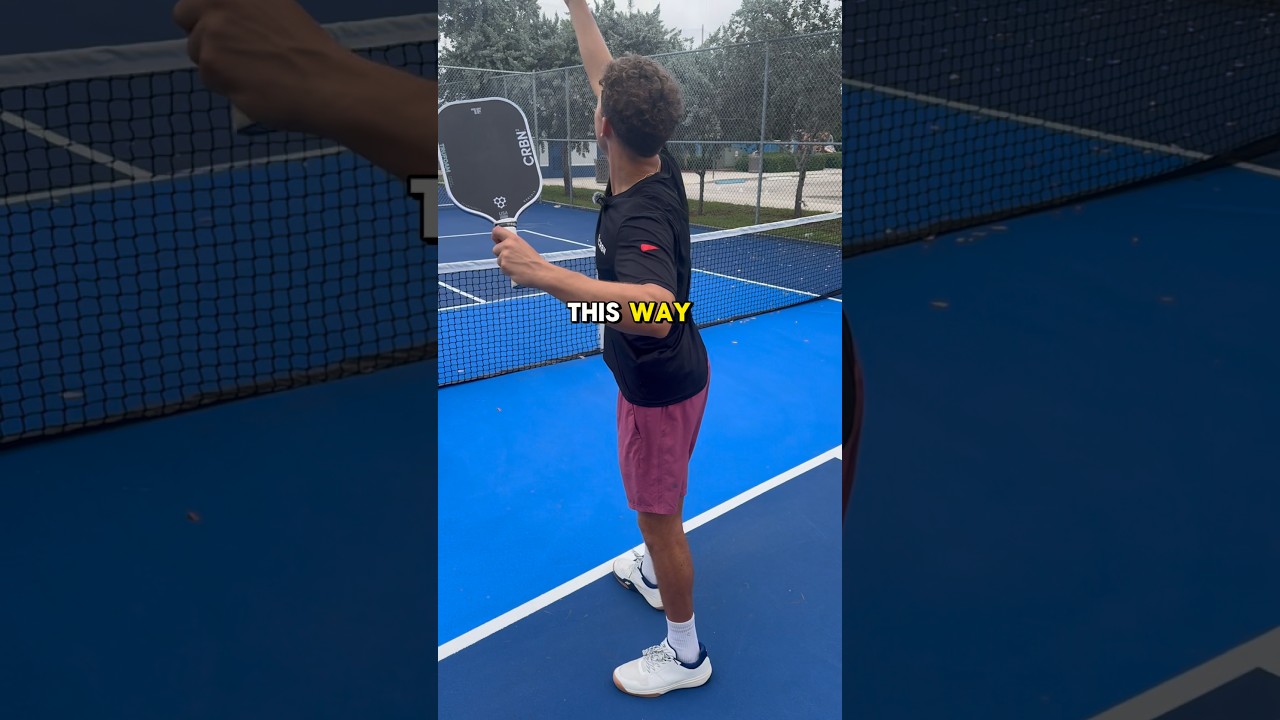
Contact the ball at your highest comfortable reach, directing it downward with aggressive paddle face angle. Follow through completely across your body to ensure maximum energy transfer.
Backhand Power Principles
Backhand overheads demand similar kinetic chain sequencing with modified positioning. Turn your dominant shoulder toward the net while tracking the ball's trajectory overhead.
Load your weight onto your back foot as you prepare the paddle behind your head. The forward motion mirrors the forehand sequence: legs initiate, core rotates, arm extends through contact.
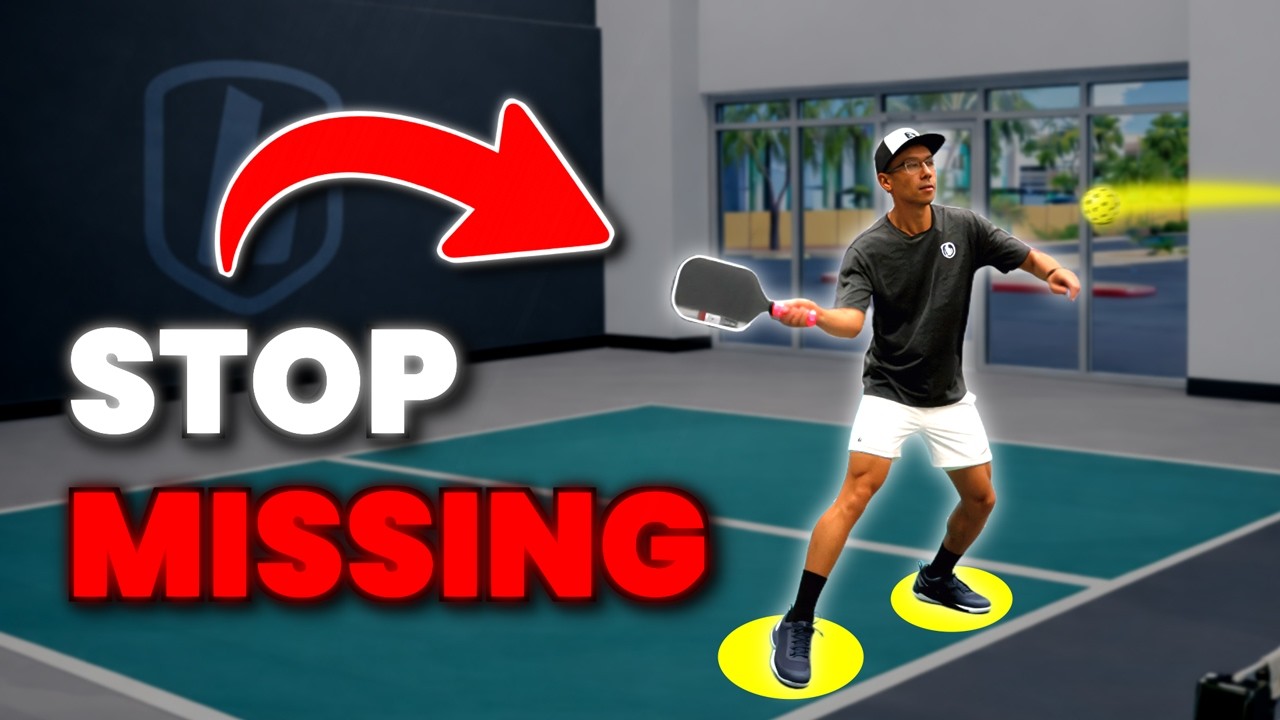
Many players struggle with backhand putaways because they bypass the kinetic chain entirely. Trust the sequential movement pattern rather than muscling the shot with isolated arm action.
Common Power Leaks to Avoid
Premature Arm Activation
Starting your swing with arm movement disrupts the kinetic chain sequence and dramatically reduces power output. Always initiate movement from your foundation upward.
Incomplete Follow-Through
Stopping your swing at contact wastes accumulated energy and reduces ball speed. Complete your follow-through to maximize the kinetic chain's effectiveness.
Poor Timing Coordination
Each body segment must activate in precise sequence for optimal power transfer. Practice the rhythm slowly before attempting full-speed putaways.
Practice Progression for Mastery
Begin with shadow swings, focusing purely on kinetic chain sequencing without a ball. Progress to partner feeds, then live ball scenarios as your coordination improves.
Consistent practice develops the muscle memory necessary for automatic execution during match pressure. The kinetic chain becomes instinctive through repetition and proper technique reinforcement.
Frequently Asked Questions
How long does it take to develop consistent putaway power?
Most players see significant improvement within 2-3 weeks of focused kinetic chain practice. Full mastery typically requires 2-3 months of consistent training sessions.
Should I practice forehand and backhand putaways equally?
Spend approximately 70% of your time on forehand development since it's generally more natural and frequently used. However, don't neglect backhand skills entirely.
What's the biggest mistake recreational players make with high balls?
Rushing the shot and bypassing proper footwork. Taking time to position correctly and execute the full kinetic chain sequence is far more effective than hurried, arm-only swings.