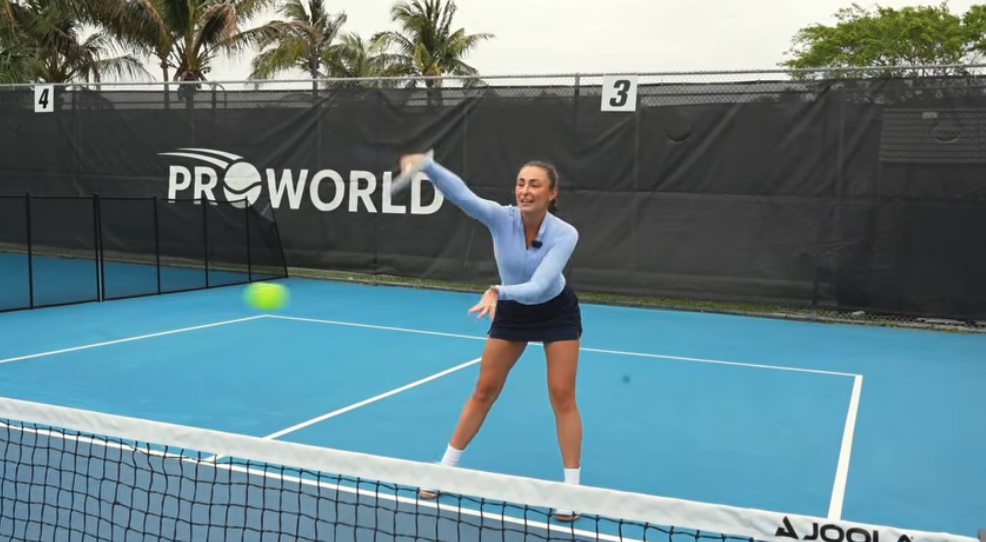
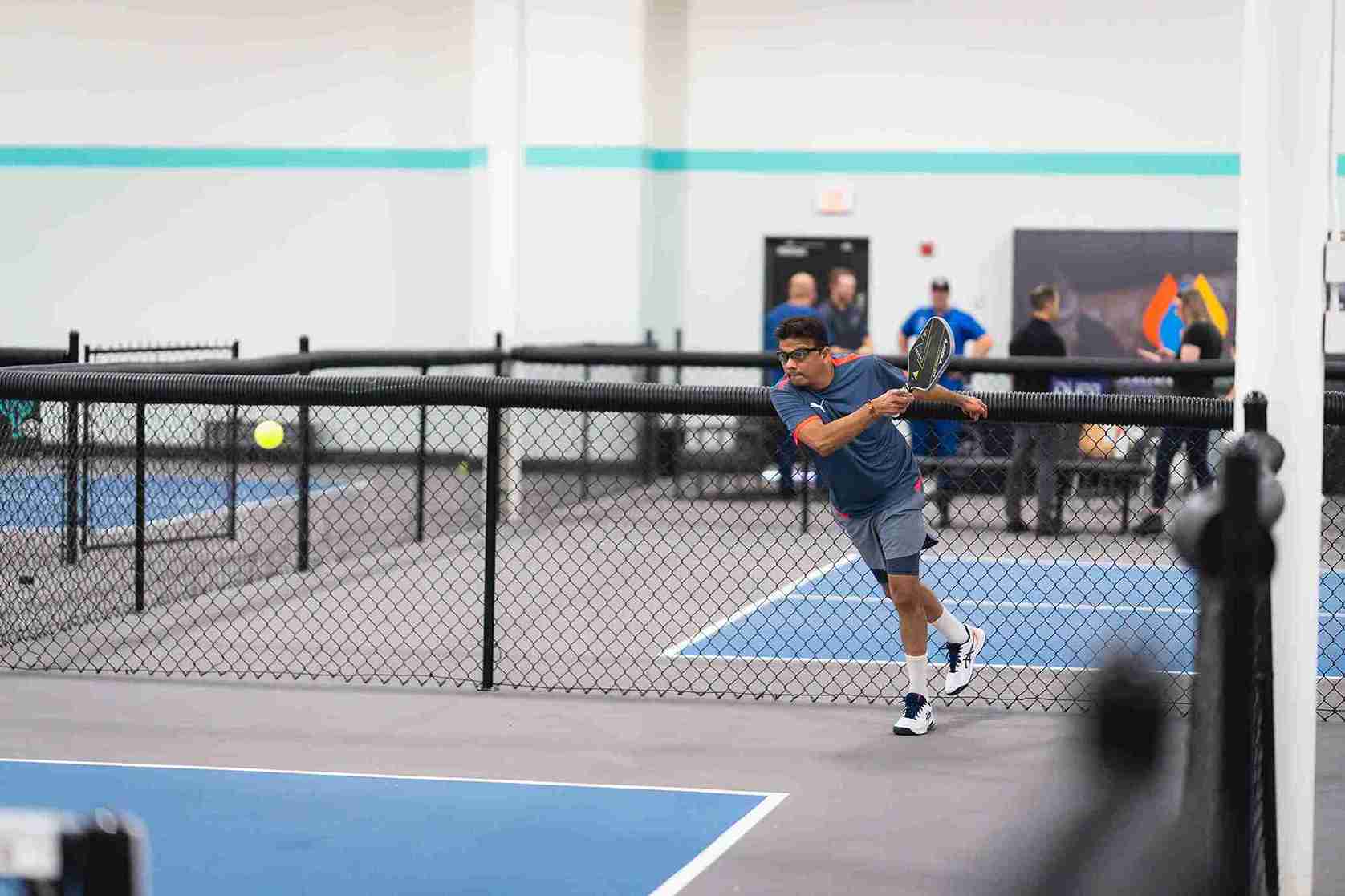
Professional pickleball player Anna Bright achieved what many consider impossible - transforming from someone who couldn't execute a single one-handed shot to possessing one of the most feared backhand flicks in women's professional pickleball.
This dramatic skill evolution didn't occur overnight. Bright's journey from exclusive two-handed play to mastering the backhand flick required systematic training, biomechanical awareness, and targeted strength development in previously neglected muscle groups.
The Foundation: Understanding Backhand Flick Mechanics
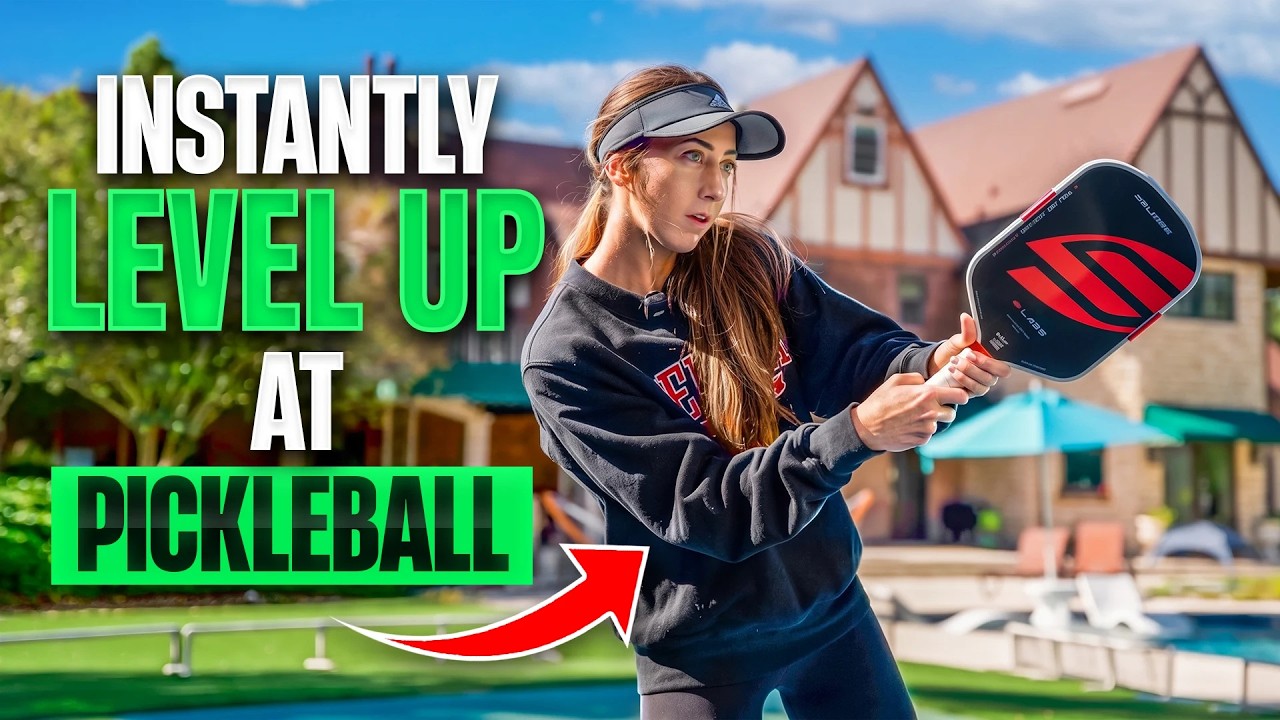
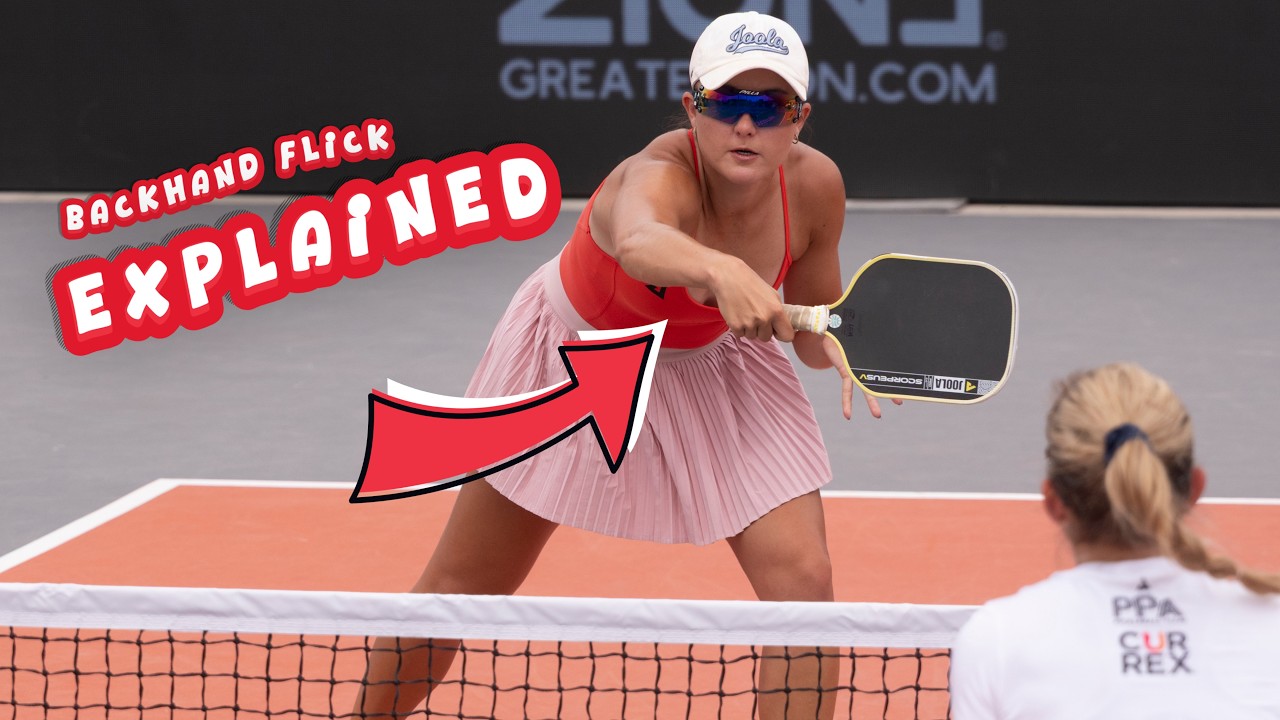
Bright emphasizes that developing an effective backhand flick starts with proper understanding of the shot's mechanics. Unlike forehand attacks, the backhand flick demands precise wrist positioning, shoulder stability, and core engagement working in perfect harmony.
The key breakthrough in Bright's development came when she realized the backhand flick isn't simply a "reverse forehand." It requires completely different muscle activation patterns and timing sequences that must be trained independently.
Progressive Training Methodology
Phase 1: Grip and Stance Fundamentals
Bright's training began with mastering the continental grip, which provides optimal paddle face control during the backhand motion. She spent countless hours practicing proper stance positioning, ensuring her body could generate maximum power while maintaining balance.
Phase 2: Isolated Muscle Development
The professional player discovered that traditional pickleball practice wasn't sufficient for developing backhand flick strength. She incorporated specific exercises targeting the posterior deltoids, rhomboids, and rotator cuff muscles - areas that two-handed players rarely engage fully.
Phase 3: Progressive Shot Development
Rather than attempting full-power flicks immediately, Bright developed her technique through graduated difficulty levels:
- Controlled placement shots - Focus on accuracy over power
- Medium-pace drives - Building consistent contact points
- Full-speed attacks - Integrating maximum power with precision
Common Technical Mistakes to Avoid
Throughout her development process, Bright identified several critical errors that players commonly make when learning the backhand flick:
Over-reliance on arm strength rather than utilizing proper body rotation often leads to inconsistent shots and potential injury. Bright learned to engage her entire kinetic chain, from ground force generation through her legs to final paddle acceleration.
Improper timing represents another frequent mistake. The backhand flick requires earlier preparation than most players anticipate, with paddle positioning beginning during the opponent's shot rather than after ball contact.
Mental Approach and Patience
Bright's transformation required significant mental resilience. Initially, attempting one-handed shots during competitive play felt uncomfortable and unreliable. She recommends players commit to consistent practice while accepting temporary performance decreases during the learning phase.
"The biggest challenge was trusting the process when my two-handed shots were already working," Bright explains. "But developing the backhand flick opened up entirely new tactical possibilities."
Integration with Game Strategy
Beyond technical execution, Bright emphasizes understanding when and where to deploy the backhand flick effectively. The shot works best when opponents are positioned cross-court, creating acute angles that two-handed shots cannot achieve.
She also highlights the psychological impact of possessing a reliable backhand flick. Opponents must respect both sides of the court, preventing them from overloading toward the forehand side during rallies.
Frequently Asked Questions
How long does it take to develop a reliable backhand flick?
According to Bright's experience, most dedicated players can develop basic proficiency within 3-6 months of consistent practice. However, achieving professional-level execution typically requires 1-2 years of systematic training and match experience.
Can older players successfully develop this technique?
Yes, though the timeline may extend longer than younger players. Bright recommends focusing heavily on flexibility and gradual strength building, potentially working with qualified instructors to ensure proper progression and injury prevention.
Is the backhand flick essential for competitive play?
While not absolutely required, the backhand flick provides significant tactical advantages at higher levels. Players without this shot often find themselves limited in court positioning and attacking options during crucial points.