Why the Backhand Roll is Your Secret Weapon
The backhand roll stands as one of pickleball's most underutilized yet devastating shots. While most players focus on perfecting their drives and drops, the backhand roll offers a unique advantage that can catch opponents off guard and create winning opportunities. This topspin shot allows you to attack balls at chest height while maintaining control and generating pace that's difficult to counter.
According to 5.0-level instructors, players who master the backhand roll gain a significant tactical advantage, especially during transition play and when opponents hit balls directly at their backhand side.
Essential Grip and Setup for Maximum Control
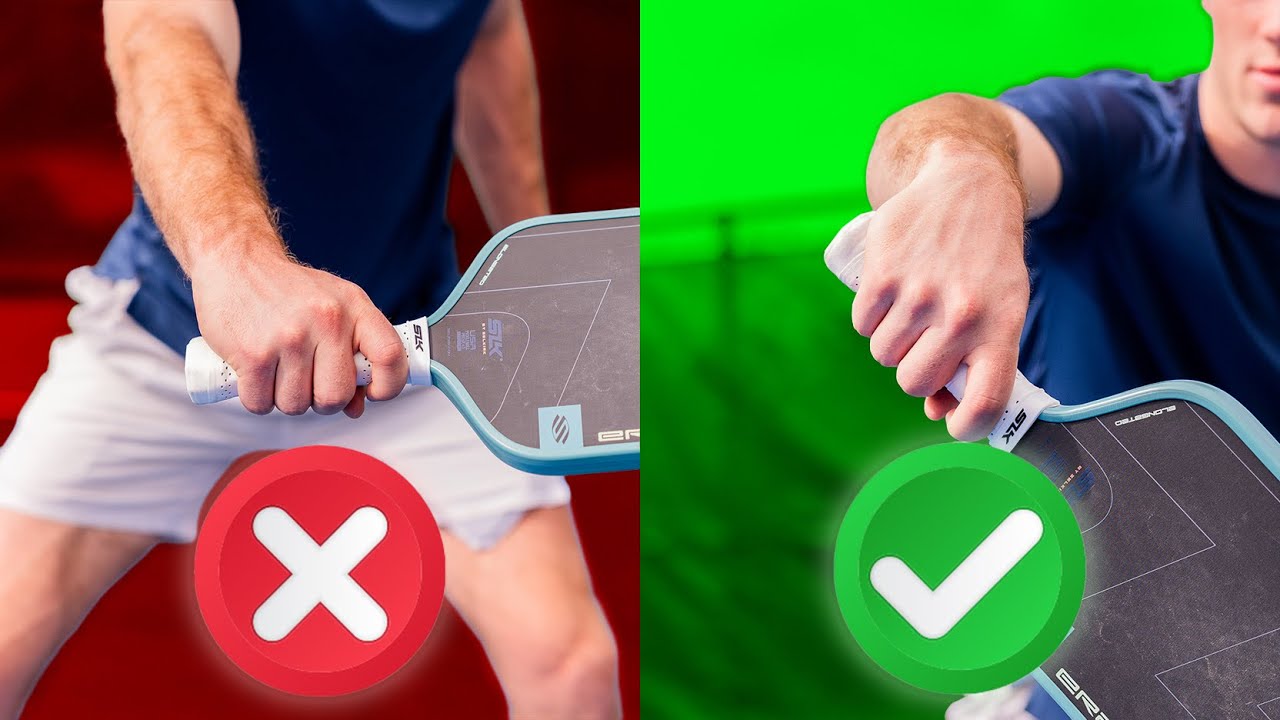
The foundation of a successful backhand roll begins with proper grip technique. Use a continental grip or slightly rotate toward an eastern backhand grip for optimal paddle face control. Your non-dominant hand should provide stability by supporting the paddle throat during preparation.
Position yourself with feet shoulder-width apart, weight slightly forward on the balls of your feet. Keep your paddle face slightly closed (angled downward) at setup to ensure you can generate the necessary topspin while maintaining control over the ball's trajectory.
Body Positioning and Weight Transfer
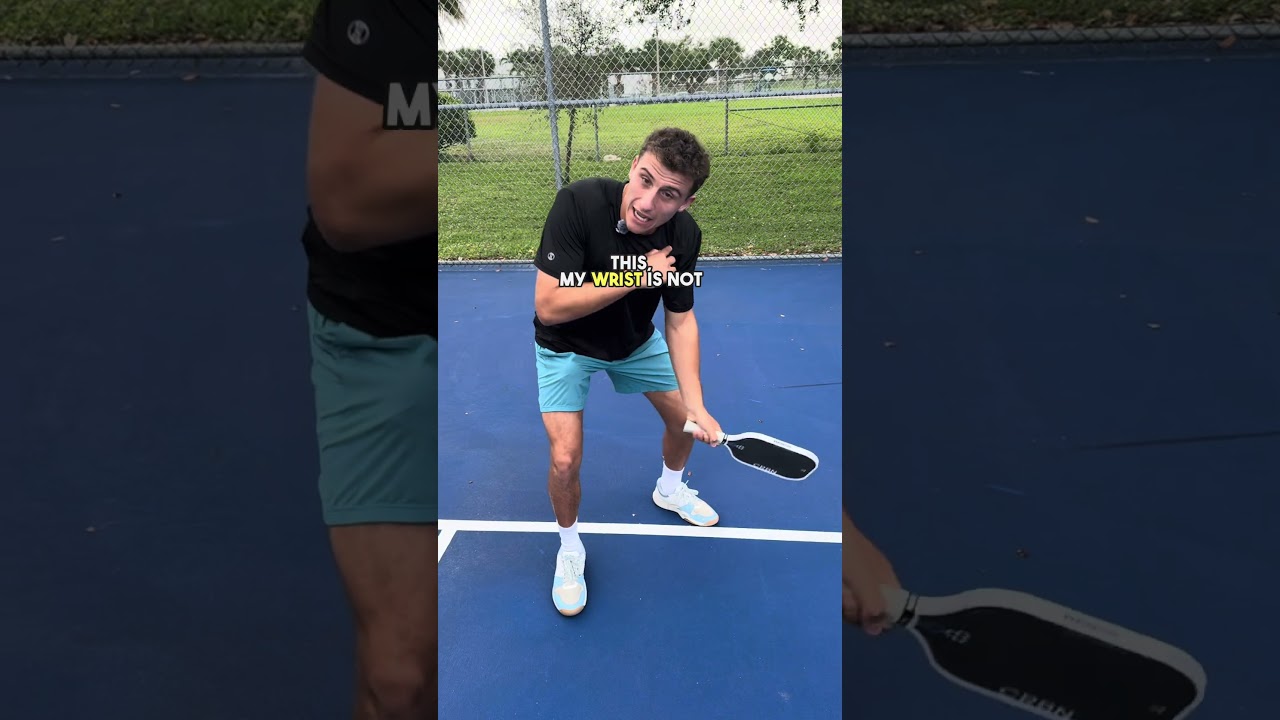
Proper body mechanics separate amateur attempts from professional execution. Start with your shoulder turned perpendicular to the net, creating space for a full swing path. As you initiate the shot, transfer weight from your back foot to your front foot, generating power through your core rotation rather than just arm strength.
Keep your elbow relatively close to your body during the initial swing phase, then extend through contact. This creates a whipping motion that maximizes both power and spin generation.
The Perfect Swing Path and Contact Point
The backhand roll requires a low-to-high swing path to generate the characteristic topspin. Begin your swing with the paddle below the intended contact point, then accelerate upward and forward through the ball. Contact should occur slightly in front of your body, allowing for maximum paddle speed at impact.
Focus on brushing up the back of the ball rather than hitting through it cleanly. This upward brush creates the topspin that causes the ball to dip quickly after clearing the net, making it difficult for opponents to counter-attack effectively.
Timing and Ball Selection
Successful backhand rolls require excellent timing and shot selection. Target balls that bounce between knee and chest height, as these provide the ideal contact zone for generating both power and spin. Avoid attempting this shot on balls below knee level or above shoulder height, as these positions compromise your ability to create proper spin and control.
Progressive Training Drills for Consistency
Master the backhand roll through systematic practice using these proven drills:
Wall Practice: Stand 8-10 feet from a wall and practice your swing motion, focusing on the low-to-high path and follow-through. The wall provides immediate feedback on your spin and consistency.
Feed Drill: Have a partner feed balls to your backhand side at varying heights. Start with consistent, medium-height feeds before progressing to more challenging positions.
Target Practice: Place targets on the opposite court and practice hitting backhand rolls to specific locations. This develops both accuracy and confidence in shot placement.
Common Mistakes to Avoid
Many players struggle with the backhand roll due to these frequent errors:
Opening the paddle face too much, resulting in balls that sail long or lack spin. Keep the face slightly closed throughout the swing to maintain topspin generation.
Swinging too horizontally rather than following the proper low-to-high path. This creates sidespin instead of topspin, reducing the shot's effectiveness.
Rushing the swing tempo. The backhand roll requires smooth acceleration through contact rather than sudden, jerky movements that compromise control.
Frequently Asked Questions
When should I use a backhand roll instead of a backhand drive?
Use the backhand roll when you want to generate heavy topspin that dips quickly after crossing the net. This shot works best against balls at chest height and when you need to create a sharp angle or force your opponent into a defensive position.
How much topspin should I put on a backhand roll?
Focus on moderate to heavy topspin that causes the ball to dip noticeably after clearing the net. Too little spin results in a flat shot that's easily attacked, while excessive spin can sacrifice pace and penetration.
Can beginners learn the backhand roll effectively?
While the backhand roll requires good timing and coordination, beginners can start developing this shot through slow, controlled practice. Focus on proper swing path and contact point before adding power and pace.