The Backhand Slice Dink: A Game-Changing Shot
The backhand slice dink stands as one of pickleball's most deceptively challenging shots. While it appears straightforward from the sidelines, executing this technique consistently at the net requires precision, timing, and proper fundamentals that many recreational players struggle to master.
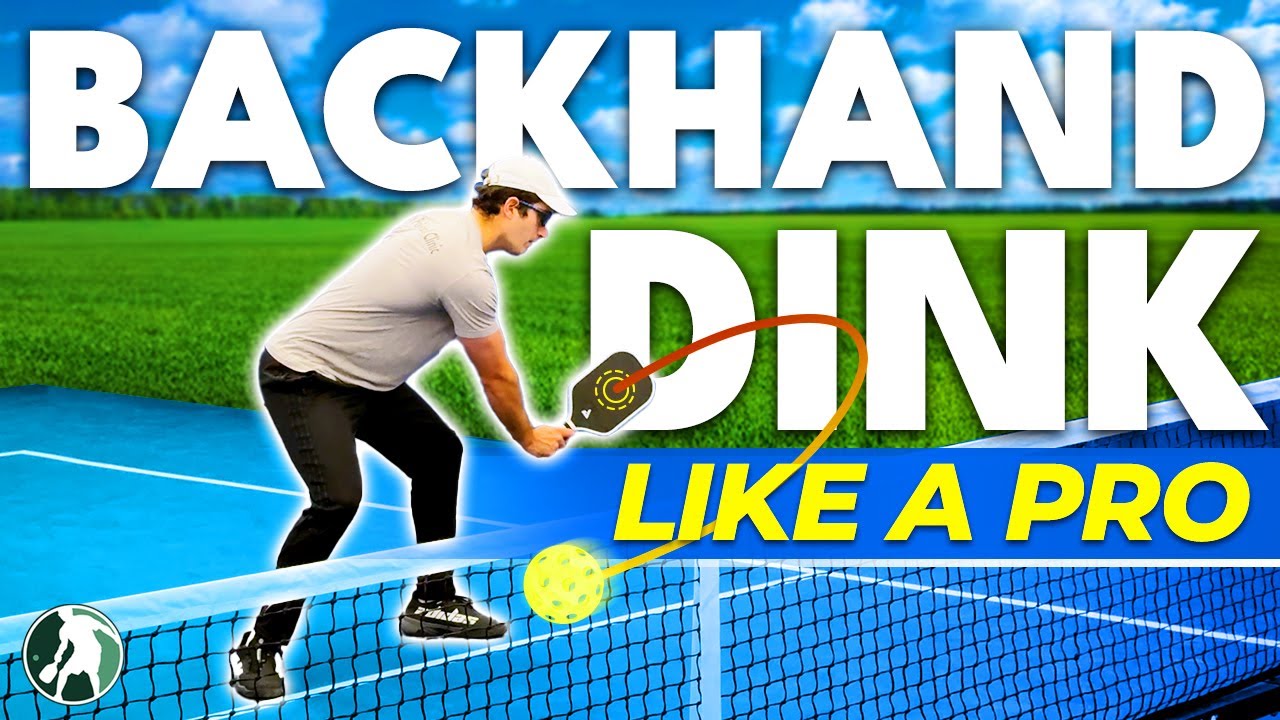
Professional PPA players have identified three critical elements that separate amateur attempts from pro-level execution: compact swing mechanics, optimal contact point positioning, and proactive footwork patterns.

Why Most Players Struggle With Backhand Slice Dinks
The backhand slice dink differs fundamentally from forehand dinks due to biomechanical constraints and paddle positioning requirements. Many players attempt to replicate their forehand dink technique on the backhand side, leading to inconsistent results and frustrated practice sessions.
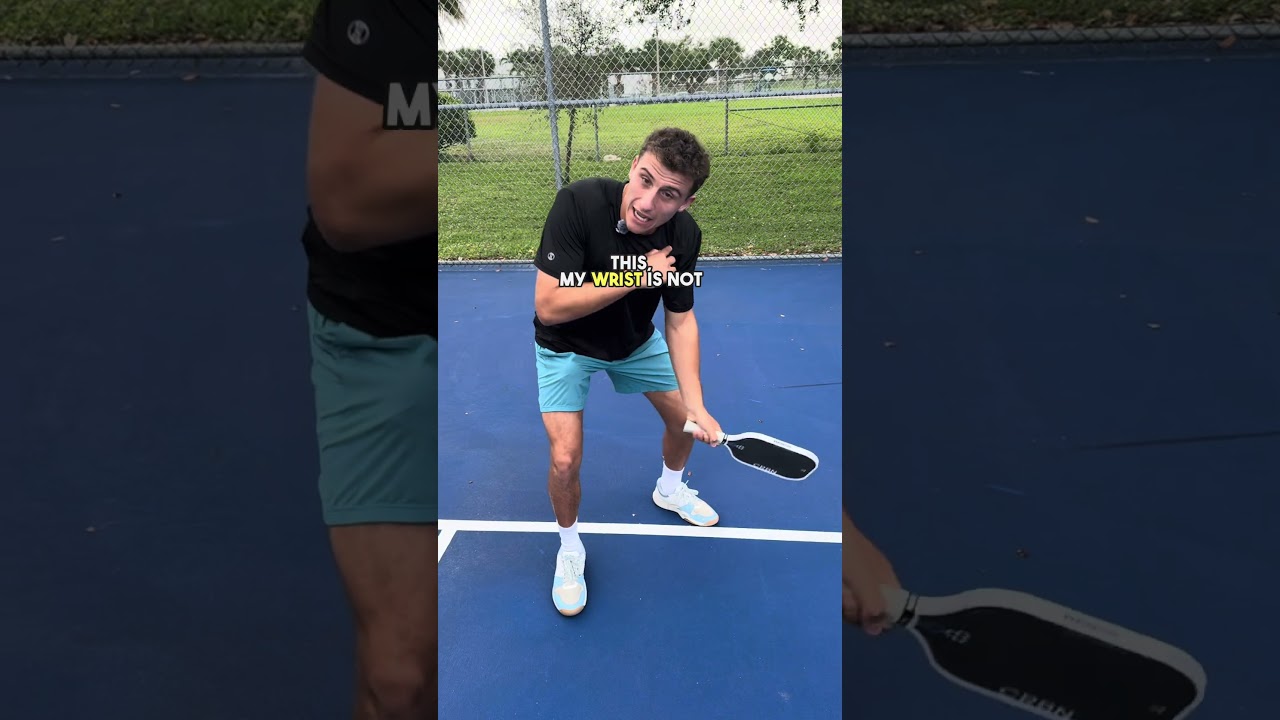
Common mistakes include overextending the swing, making contact too late in the ball's trajectory, and remaining stationary instead of positioning the body optimally for each shot. These errors compound quickly during competitive play, where precision and consistency determine point outcomes.
The Compact Swing Revolution
Professional players emphasize swing compactness as the foundation of reliable backhand slice dinks. Unlike recreational players who often use excessive arm movement, pros maintain controlled, abbreviated swings that prioritize consistency over power.
A compact swing involves minimal backswing preparation, with the paddle staying close to the body throughout the motion. This technique reduces variables that can introduce error while maintaining sufficient control to place the ball precisely where intended.
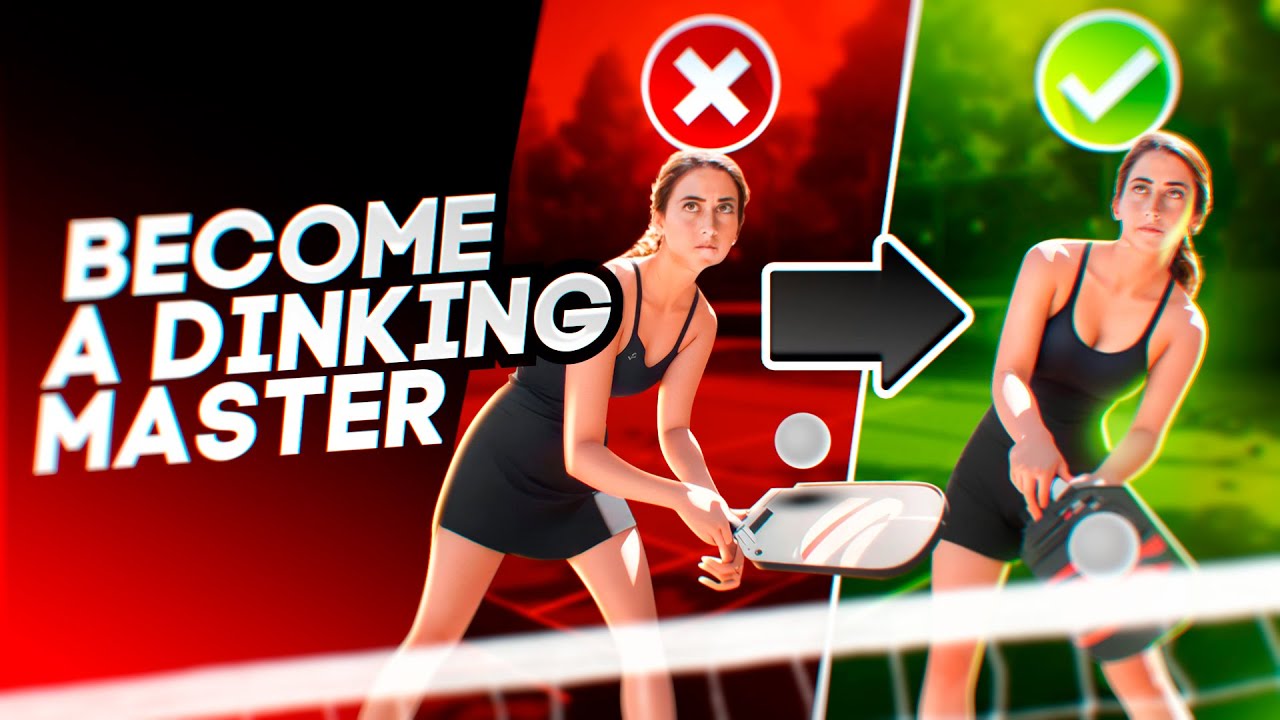
The key lies in generating slice through paddle angle and contact quality rather than swing length or speed. Advanced players understand that dinking success comes from placement and consistency, not aggressive shot-making.
Mastering Contact Point Fundamentals
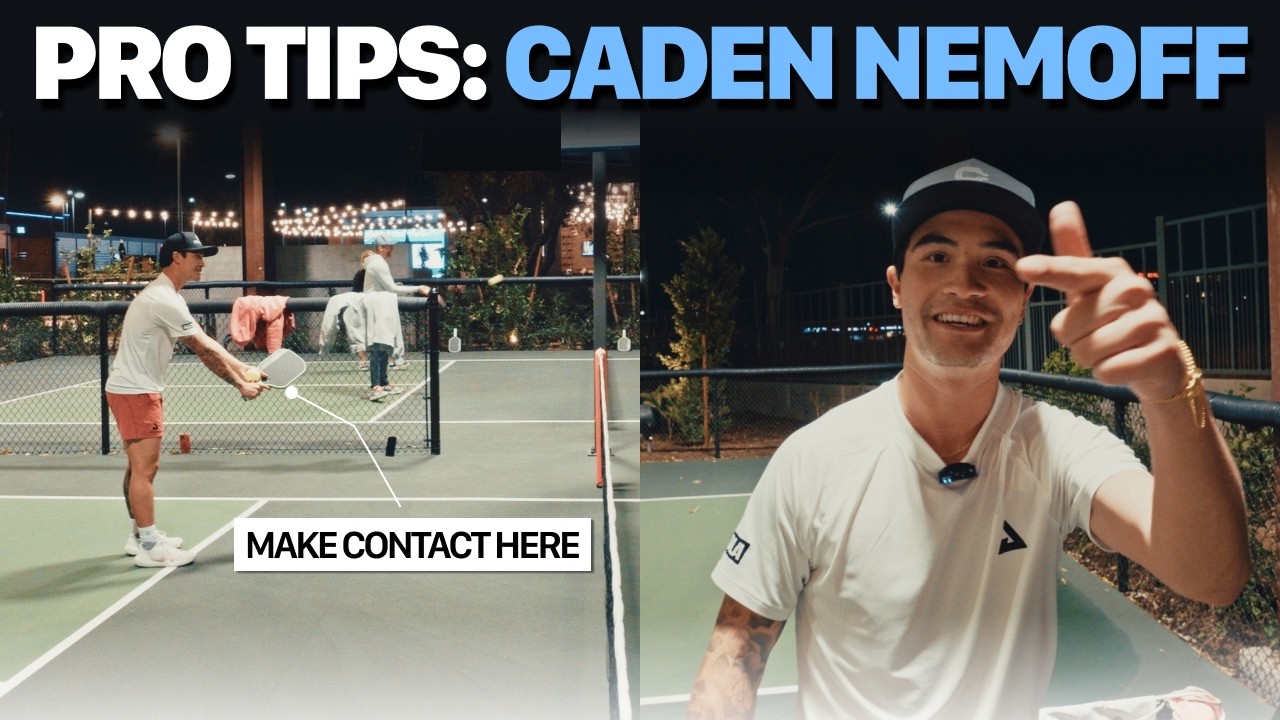
Contact point positioning represents perhaps the most crucial technical aspect of backhand slice dink execution. PPA professionals consistently make contact with the ball at the optimal height and distance from their body, creating reliable shot patterns that opponents struggle to attack.
The ideal contact point occurs slightly in front of the body, approximately at waist height or slightly below. This positioning allows for natural paddle angle creation while maintaining balance and control throughout the shot execution.
Many recreational players make contact too close to their body or allow the ball to drop too low before striking. These timing errors result in inconsistent ball trajectory and reduced ability to place shots precisely within the kitchen area.
Paddle Angle and Slice Generation
Creating effective slice requires subtle paddle angle adjustments at contact. Professional players open the paddle face slightly, allowing the ball to catch the strings at an angle that produces the desired spin characteristics.
The slice effect serves multiple purposes: it reduces the ball's forward momentum, creates a lower bounce that's difficult for opponents to attack, and provides additional control for precise placement near the net or sidelines.
Proactive Footwork Patterns
Elite players distinguish themselves through anticipatory footwork that positions them optimally for each backhand slice dink opportunity. Rather than remaining static at the net, they constantly adjust their positioning based on opponent shot selection and court geometry.
Effective footwork involves small, quick steps that maintain balance while allowing rapid position adjustments. Players should focus on staying light on their feet, with weight distributed evenly to enable quick lateral or forward movement as needed.
The split-step timing becomes crucial during dink exchanges. Advanced players use this technique to prepare for shot execution while maintaining the ability to react to opponent placement variations.
Practice Drills for Improvement
Developing consistent backhand slice dinks requires structured practice focusing on each fundamental element separately before combining them into fluid shot execution.
Start with stationary practice, focusing exclusively on contact point and paddle angle consistency. Progress to incorporating footwork patterns, then advance to live ball drilling with partners who can provide consistent feeds for repetition development.
Video analysis proves invaluable for identifying technical flaws that aren't immediately apparent during practice sessions. Recording practice sessions allows players to compare their technique with professional examples and make necessary adjustments.
Frequently Asked Questions
How can I generate more control on my backhand slice dinks?
Focus on shortening your swing and making contact at the optimal point in front of your body. Control comes from consistency in these fundamentals rather than trying to overpower the shot. Practice with a more compact motion and emphasize paddle angle over swing speed.
What's the biggest mistake recreational players make with backhand slice dinks?
The most common error is poor footwork positioning. Many players remain too stationary and try to reach for shots instead of moving their feet to get into proper position. Proactive footwork allows you to make contact at the ideal point consistently, dramatically improving shot quality and consistency.