Master the Behind-You Shot: Pro Tips for Court Coverage
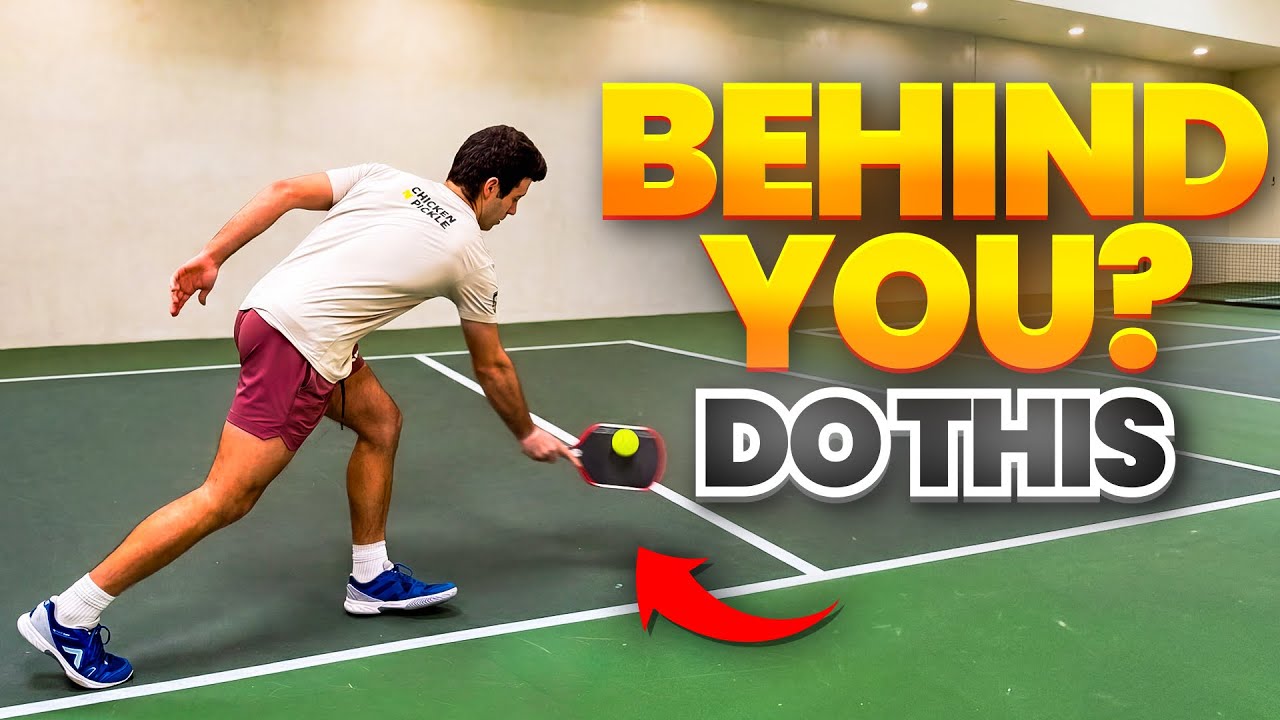
Why Behind-You Shots Challenge Every Player
Every pickleball player knows that sinking feeling when a ball sails over their head or lands behind them. It's one of the most challenging situations on the court, but it doesn't have to spell disaster. With proper technique and positioning, you can turn these defensive moments into opportunities to stay in the point—or even take control.
According to coaching expert Richard Livornese, the key to handling balls behind you lies in understanding the mechanics of movement and shot selection for different court positions.
Baseline Recovery: The Foundation of Defense
When you're caught at the baseline with a ball going behind you, your first instinct might be panic. Instead, focus on these fundamental steps:
Pivot and Track
The moment you recognize the ball is heading behind you, initiate a quick pivot on your outside foot. This creates the foundation for backward movement while keeping your eyes on the ball. Many players make the mistake of turning their back to the ball too early, losing visual contact.
The Crossover Step
Use crossover steps to cover ground quickly while maintaining balance. Your first step should cross behind your planted foot, allowing you to move backward efficiently. This technique is faster than shuffling and provides better court coverage.
Shot Selection Strategy
From the baseline, your primary goal is to get the ball back deep and high, giving yourself time to recover position. A defensive lob is often your best option, as it:
- Provides maximum time to reset positioning
- Forces opponents to make decisions at the net
- Creates opportunities for your partner to support
Net Play: Advanced Recovery Techniques
Handling balls behind you at the net requires different tactics and split-second decision making. The reduced reaction time means your technique must be even more precise.
The Overhead Option
If the ball isn't too far behind you, consider an overhead shot. This aggressive option can catch opponents off-guard and maintain your offensive positioning. Key points for execution:
- Keep your non-hitting arm up for balance
- Contact the ball at the highest point possible
- Aim for deep corners or at your opponents' feet
The Strategic Retreat
Sometimes the smart play is recognizing when to let the ball drop and play it after the bounce. This defensive approach works when:
- The ball is too far behind for a quality overhead
- You're off-balance and likely to mishit
- Your partner can cover the net during your recovery
Partner Coordination: The Doubles Advantage
Communication with your partner becomes crucial when dealing with balls behind you. Establish clear signals and responsibilities:
The Switch Call
When one player is drawn out of position, the partner should be ready to cover. Use verbal cues like "switch" or "yours" to avoid confusion and ensure court coverage.
Poaching Opportunities
While you're recovering from a ball behind you, your partner might find excellent poaching opportunities as opponents focus on your defensive position.
Practice Drills for Improvement
Developing skills for handling balls behind you requires specific practice scenarios:
The Retreat Drill
Have a partner feed balls progressively deeper behind your starting position. Practice the pivot, crossover, and recovery sequence until it becomes automatic.
Overhead Under Pressure
Start at the net and have balls fed just behind you at various heights. Focus on making split-second decisions between attempting overheads and letting balls drop.
Mental Game: Staying Composed
Perhaps most importantly, maintain composure when caught in these difficult positions. Rushed decisions lead to errors. Instead:
- Accept that not every shot will be offensive
- Focus on keeping the ball in play
- Look for opportunities to neutralize rather than always trying to win the point immediately
Frequently Asked Questions
Should I always attempt to hit balls behind me before they bounce?
Not necessarily. The decision depends on your position, the ball's trajectory, and your comfort level with overhead shots. When in doubt, let it bounce and focus on a controlled defensive return that keeps you in the point.
How can I improve my backward movement on the court?
Practice crossover steps and maintain a low center of gravity. Work on agility ladder drills and incorporate backward movement into your regular practice routine. Building leg strength also helps with quick direction changes.
What's the biggest mistake players make with balls behind them?
The most common error is turning away from the ball too quickly, losing visual contact. This leads to mistimed shots and poor positioning. Always keep your eyes on the ball and maintain your athletic stance throughout the recovery process.