What Makes the Forehand Flip So Effective
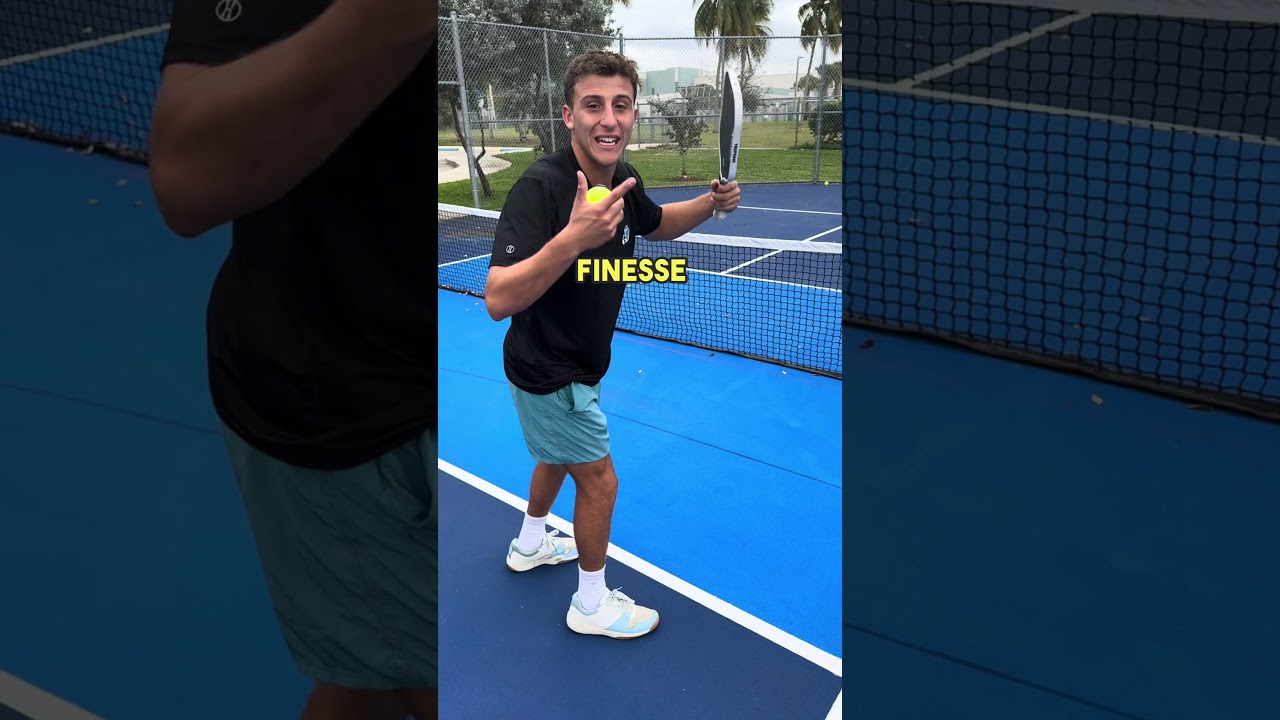
The forehand flip, also known as "The Kyle," has emerged as one of pickleball's most devastating weapons at the kitchen line. This deceptive shot exploits opponents' positioning and reaction time through subtle changes in body mechanics and timing that are nearly impossible to read until it's too late.
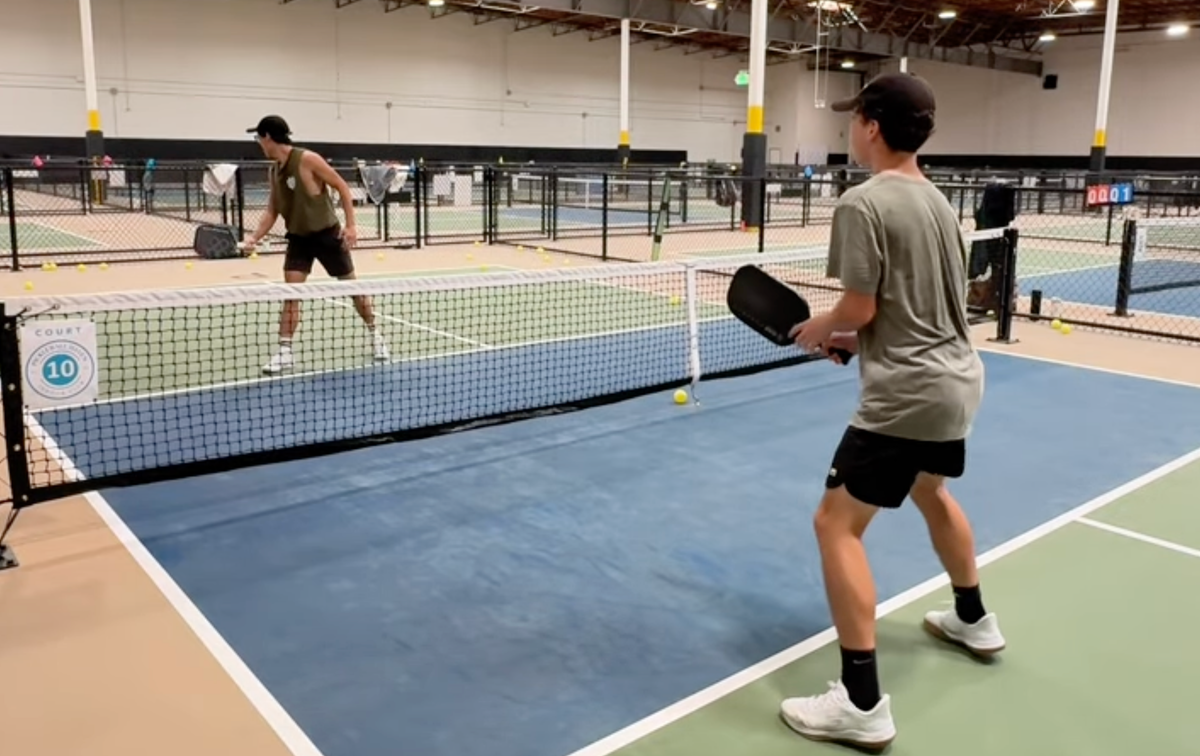
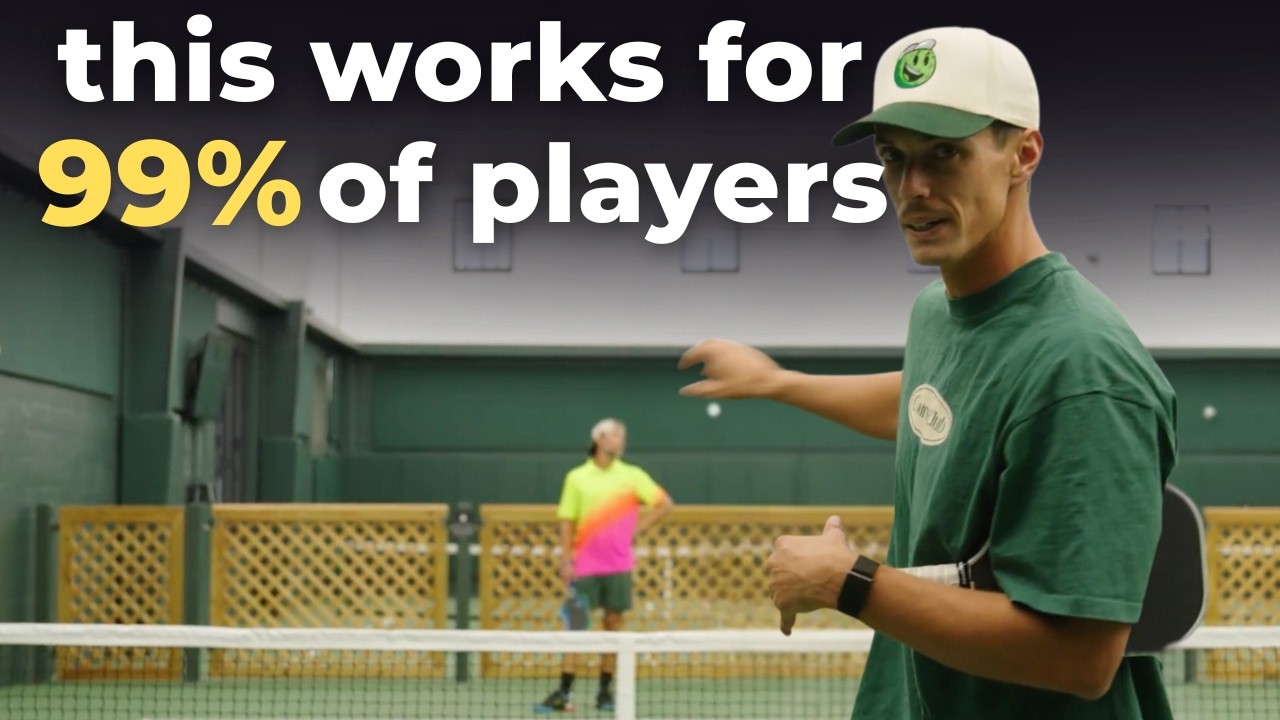
Professional player Tanner Tomassi demonstrates how small adjustments in your setup can completely transform this shot from predictable to game-changing. The key lies in understanding that deception starts long before you make contact with the ball.

Essential Setup Techniques for Maximum Deception
The foundation of an effective forehand flip begins with your initial positioning and paddle preparation. Tomassi emphasizes maintaining an identical setup whether you're planning to dink softly or execute the flip shot. This consistency prevents opponents from anticipating your intentions.
Body Positioning Fundamentals
Your stance should remain neutral with feet shoulder-width apart and weight slightly forward. The critical element is keeping your paddle face angle and grip pressure identical to your standard dink setup. Any premature adjustment in your grip or paddle position telegraphs your intentions to experienced opponents.
Visual Cues and Disguise
Successful forehand flips require mastering the art of visual deception. Your eyes, shoulders, and initial paddle movement should all suggest a standard dink cross-court or down the line. The flip motion doesn't reveal itself until the final moments before contact, leaving opponents with insufficient time to react.
Timing and Execution Breakdown
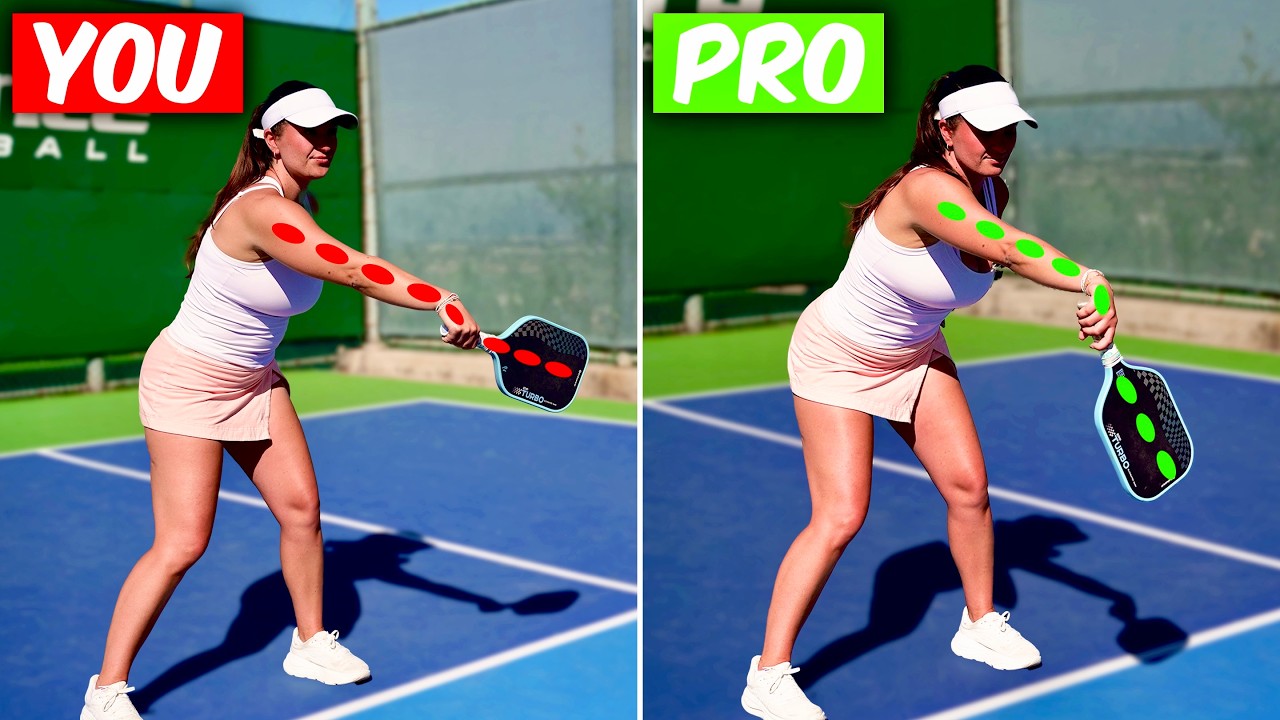
The timing of your forehand flip determines whether it becomes a winner or sets up your opponent for an easy counter-attack. Tomassi breaks down the execution into three critical phases that must flow seamlessly together.
The Preparation Phase
As the ball approaches, maintain your standard dink preparation. Your paddle should track the ball's trajectory while your body remains in a neutral, ready position. Avoid any early weight shifts or paddle adjustments that might reveal your strategy.
The Decision Point
The moment of commitment occurs when the ball reaches the optimal contact zone. This is when your paddle angle and swing speed change dramatically from a soft dink to an aggressive flip. The transition must be explosive yet controlled to maintain accuracy while generating pace.
Follow-Through and Recovery
After contact, your follow-through should drive the ball with topspin to ensure it clears the net with margin while still landing in bounds. Immediately after the shot, prepare for the next ball as opponents may still manage to return your flip, though typically in a defensive position.
Strategic Applications at the Kitchen Line
Understanding when and where to deploy the forehand flip separates good players from great ones. The shot works best when opponents are positioned defensively or expecting a soft dink exchange.
Reading Opponent Positioning
Look for opponents who are standing too close to the net or have their paddle positioned for a soft return. Players leaning forward in anticipation of a drop shot are particularly vulnerable to a well-executed forehand flip.
Court Positioning Considerations
The forehand flip is most effective when hit cross-court, as it provides the longest distance for the ball to travel while staying in bounds. Down-the-line flips require more precision and carry higher risk, but can be devastating when opponents are cheating toward the middle.
Common Mistakes to Avoid
Even experienced players make critical errors when attempting the forehand flip. The most common mistake is telegraphing the shot through premature setup changes or obvious weight shifts.
Another frequent error involves poor timing, either rushing the shot before achieving proper position or hesitating too long and losing the element of surprise. Practice developing a consistent rhythm that allows for split-second decision-making.
Practice Drills for Improvement
Developing an effective forehand flip requires dedicated practice focusing on deception and timing. Start with stationary ball feeds, focusing on maintaining identical setup positions for both dinks and flips.
Progress to live ball exchanges where you alternate between soft dinks and sudden flips. This helps develop the muscle memory needed to execute the shot under pressure while maintaining proper disguise throughout the motion.
Frequently Asked Questions
When is the best time to use a forehand flip during a rally?
The forehand flip works best when opponents expect a soft dink exchange and are positioned defensively. Look for players standing close to the net or with their paddle prepared for a gentle return. Avoid using it when opponents are already in an aggressive, forward position.
How can I improve my forehand flip accuracy while maintaining deception?
Focus on keeping your setup identical to your regular dink shot until the moment of contact. Practice with target zones on the court, starting with larger areas and gradually reducing the target size. Consistent repetition of the proper sequence will improve both accuracy and deception simultaneously.
What should I do if my forehand flip attempts keep going into the net?
Net errors typically result from insufficient topspin or poor contact point timing. Ensure you're contacting the ball at the optimal height and generating upward brush on the ball through your follow-through. Practice with slightly more net clearance initially, then work on bringing the trajectory down as your consistency improves.