Why the Kitchen Zone Determines Your Pickleball Success
The kitchen—that crucial seven-foot zone on either side of the net—is where pickleball matches are truly decided. While beginners focus on powerful shots from the baseline, experienced players know that kitchen mastery separates good players from great ones. Understanding how to dominate this space will elevate your game dramatically.

Step 1: Perfect Your Kitchen Positioning
Proper positioning is the foundation of kitchen dominance. Stand approximately 18-24 inches behind the kitchen line, allowing yourself room to move forward for aggressive shots while maintaining the ability to retreat for lobs. Keep your weight on the balls of your feet and maintain a slight forward lean to react quickly to incoming shots.
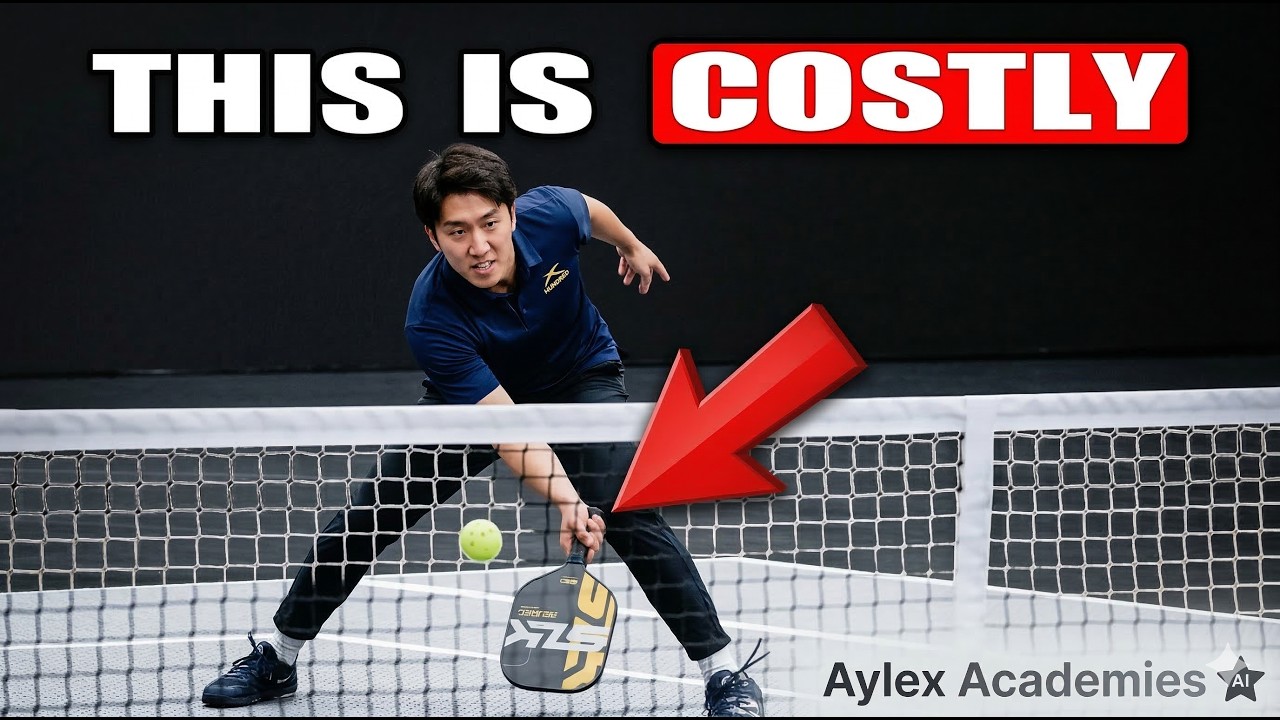
Your paddle should be positioned at chest height in a ready position, creating the shortest path to intercept balls above the net. This positioning gives you maximum coverage while maintaining offensive capabilities.

Step 2: Master Strategic Shot Placement
Kitchen battles are won through precision, not power. Focus on three key placement strategies:
Target Your Opponent's Feet
Shots aimed at your opponent's feet force awkward returns and often result in pop-ups you can attack. This placement eliminates their ability to generate offensive shots.
Use Sharp Cross-Court Angles
Cross-court dinks create wider angles that pull opponents off the court, opening up the kitchen for your next shot. These angles also provide the largest margin for error over the net.

Exploit the Middle
When playing doubles, target the space between opponents to create confusion about who should take the shot, often resulting in weak returns or communication errors.
Step 3: Develop Lightning-Fast Anticipation Skills
Anticipation begins before your opponent strikes the ball. Watch their paddle face, body position, and backswing to predict shot direction and speed. Experienced players start moving toward their target location before the ball even crosses the net.
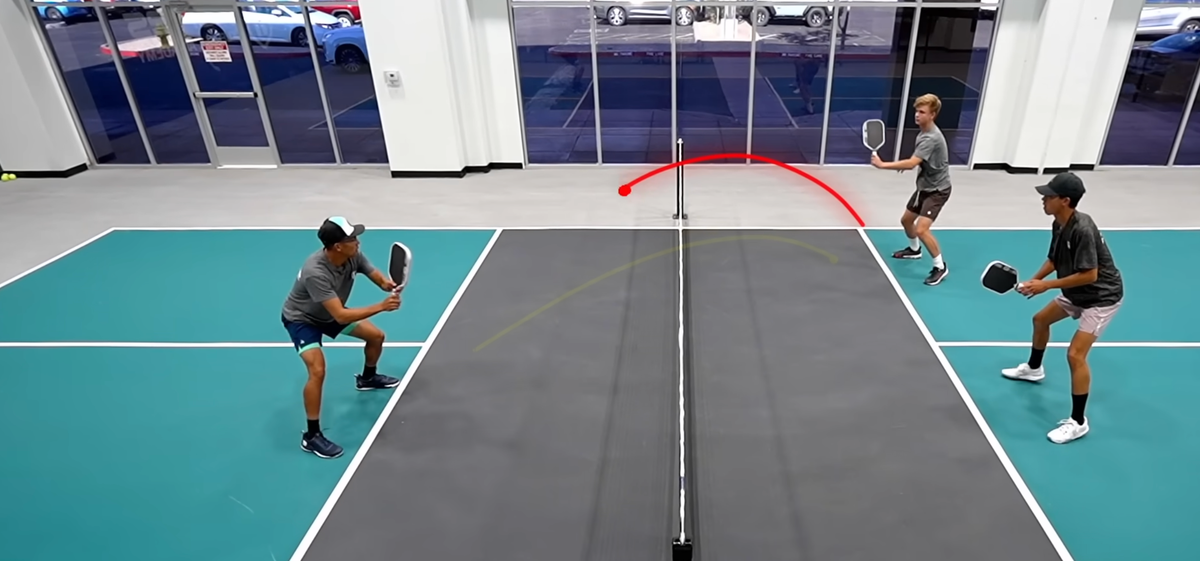
Practice reading these visual cues during drills and matches. The earlier you can predict your opponent's intentions, the better positioned you'll be to execute your response effectively.
Step 4: Stay Mentally Engaged Throughout Every Rally
Kitchen battles can extend for 20+ shots, testing your mental stamina as much as your physical skills. Maintain focus by:

- Setting micro-goals for each shot (placement, spin, depth)
- Staying patient and avoiding the temptation to end points prematurely
- Keeping your eyes on the ball until it makes contact with your paddle
- Maintaining consistent breathing to stay relaxed under pressure
Step 5: Practice Advanced Kitchen Techniques
The Reset Shot
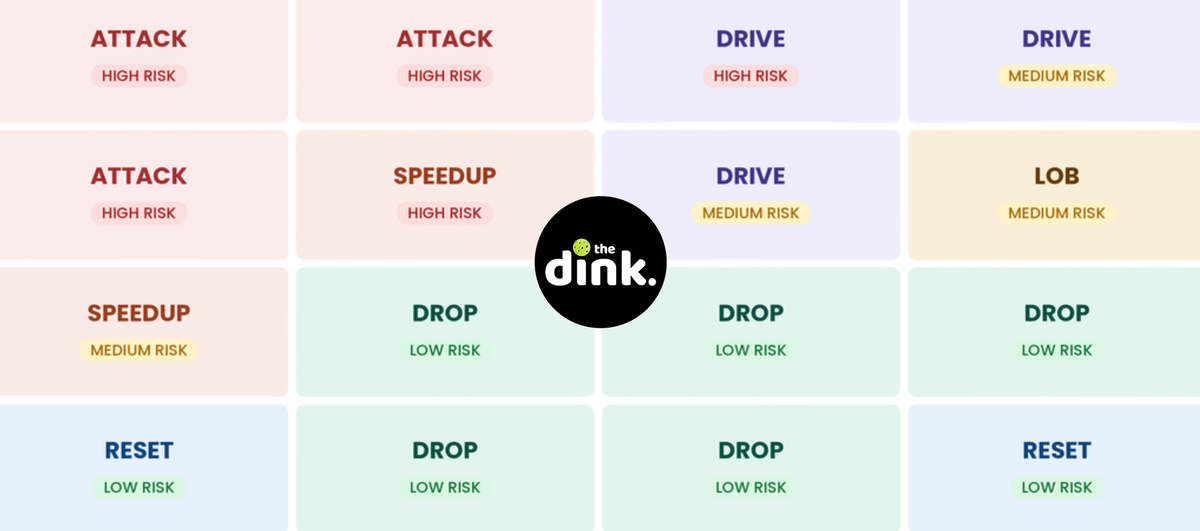
When under pressure from an aggressive opponent, use a reset shot to regain control. This soft, arcing shot lands deep in your opponent's kitchen, neutralizing their offensive position and giving you time to recover.
The Drop Volley
Execute drop volleys when your opponent gives you a ball above the net. Instead of driving the ball, use a gentle downward motion to place the ball just over the net, forcing your opponent to hit up on their next shot.
Spin Variations
Incorporate topspin and backspin into your kitchen game to create different ball behaviors that challenge your opponent's timing and positioning.
Putting It All Together
Kitchen dominance requires combining all five elements seamlessly. Start by mastering proper positioning and placement during practice sessions. Once these fundamentals become automatic, layer in anticipation skills and advanced techniques.
Remember that kitchen battles are often won through patience and consistency rather than spectacular shots. The player who makes fewer errors while maintaining steady pressure typically emerges victorious.
Frequently Asked Questions
How close should I stand to the kitchen line?
Position yourself 18-24 inches behind the kitchen line. This distance allows you to move forward for aggressive shots while giving you space to retreat for defensive plays. Adjust based on your opponent's tendencies and your own mobility.
What's the most effective kitchen shot for beginners?
Focus on cross-court dinks aimed at your opponent's feet. These shots are forgiving due to the wider angle over the net, while the low placement forces difficult returns. Master this shot before progressing to more advanced techniques.
How do I stay patient during long kitchen rallies?
Set small goals for each shot rather than trying to win the point immediately. Focus on consistent placement and wait for your opponent to make an error or give you a ball above the net that you can attack safely.