Why Most Players Get the Pickleball Drive Wrong
Walk onto any pickleball court and you'll see players swinging for the fences, trying to blast every shot past their opponents. While power has its place, the most effective players understand that a devastating drive combines force with finesse, placement with power.
The pickleball drive isn't just about hitting hard—it's about hitting smart. When executed properly, this foundational shot becomes a weapon that opens up the court, forces weak returns, and sets up winning opportunities.
Step 1: Perfect Your Stance and Setup
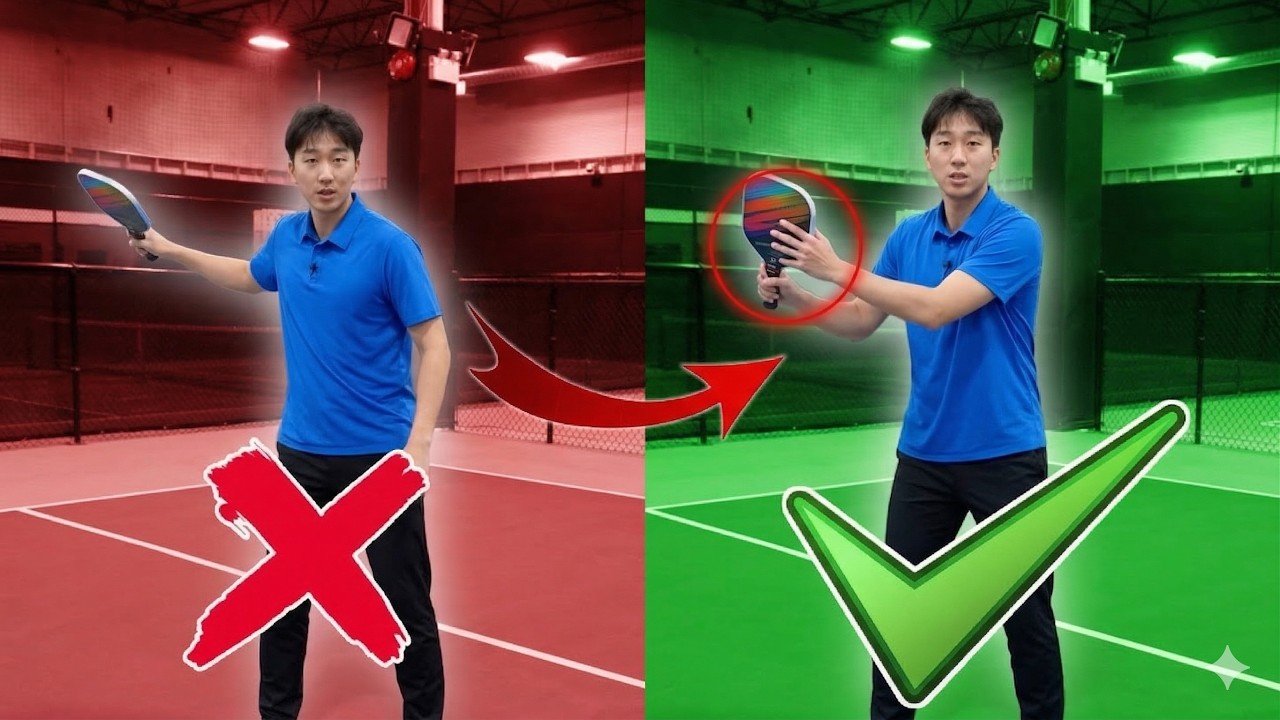
Your drive's effectiveness starts before you even swing. Position yourself with feet shoulder-width apart, weight slightly forward on the balls of your feet. Your non-paddle shoulder should face the net, creating a strong foundation for rotation.
Key Setup Points:
- Keep your paddle head up and ready
- Maintain a relaxed grip—tension kills power
- Position yourself to contact the ball at waist height when possible
- Stay balanced with knees slightly bent
Step 2: Master the Kinetic Chain
Power in pickleball comes from your entire body working in sequence, not just your arm. The kinetic chain starts from the ground up: legs generate initial power, core transfers it through your torso, and your arm delivers it to the ball.
Start your drive by pushing off your back foot, rotating your hips toward the target, then letting your shoulders and arm follow naturally. This sequential movement multiplies your power while maintaining control.
Step 3: Optimize Your Contact Point
The sweet spot for drive contact is crucial. Aim to make contact slightly in front of your body, at roughly waist to chest height. This position allows maximum paddle acceleration while maintaining accuracy.
Contact Fundamentals:
- Meet the ball at the peak of its bounce when possible
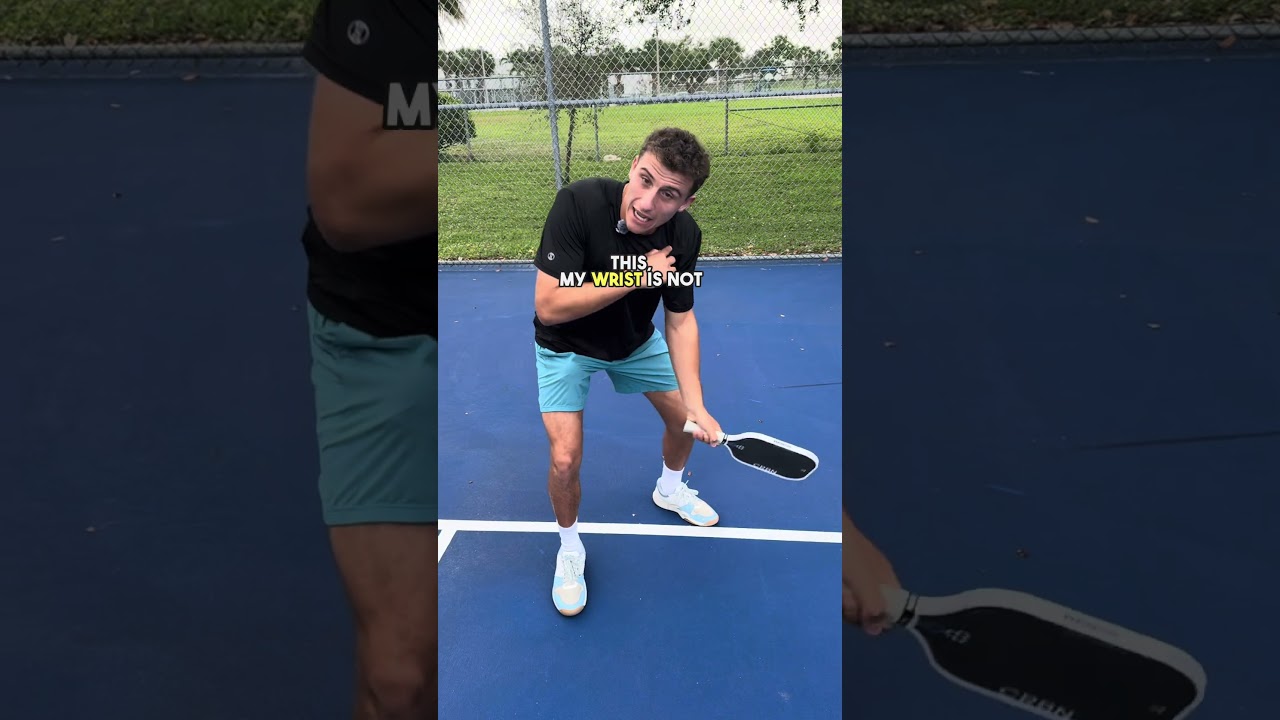
- Keep your wrist firm through contact
- Drive through the ball rather than just hitting at it
- Maintain forward momentum toward your target
Step 4: Strategic Ball Placement
Here's where smart beats hard every time. Instead of always aiming for maximum power, focus on placement that creates the most problems for your opponents.
High-percentage targets include:
- Deep corners to push opponents back
- At your opponent's feet to force difficult volleys
- Between players in doubles to create confusion
- To the weaker player's backhand side
A well-placed drive at 70% power often produces better results than a 100% blast that lacks precision.
Step 5: Follow Through and Recovery
Your drive doesn't end at contact. A complete follow-through ensures maximum power transfer and helps maintain accuracy. Let your paddle naturally continue toward your target, finishing high and across your body.
Immediately after your follow-through, reset your position. Expect the ball to come back and be ready to move. The best drivers stay balanced and prepared for the next shot.
Common Drive Mistakes to Avoid
Even experienced players fall into these drive traps:
- Over-gripping: Tension reduces paddle speed and control
- All arm swing: Missing the kinetic chain leaves power on the table
- Poor timing: Rushing or waiting too long disrupts rhythm
- Neglecting placement: Power without purpose rarely wins points
Practice Drills for Drive Mastery
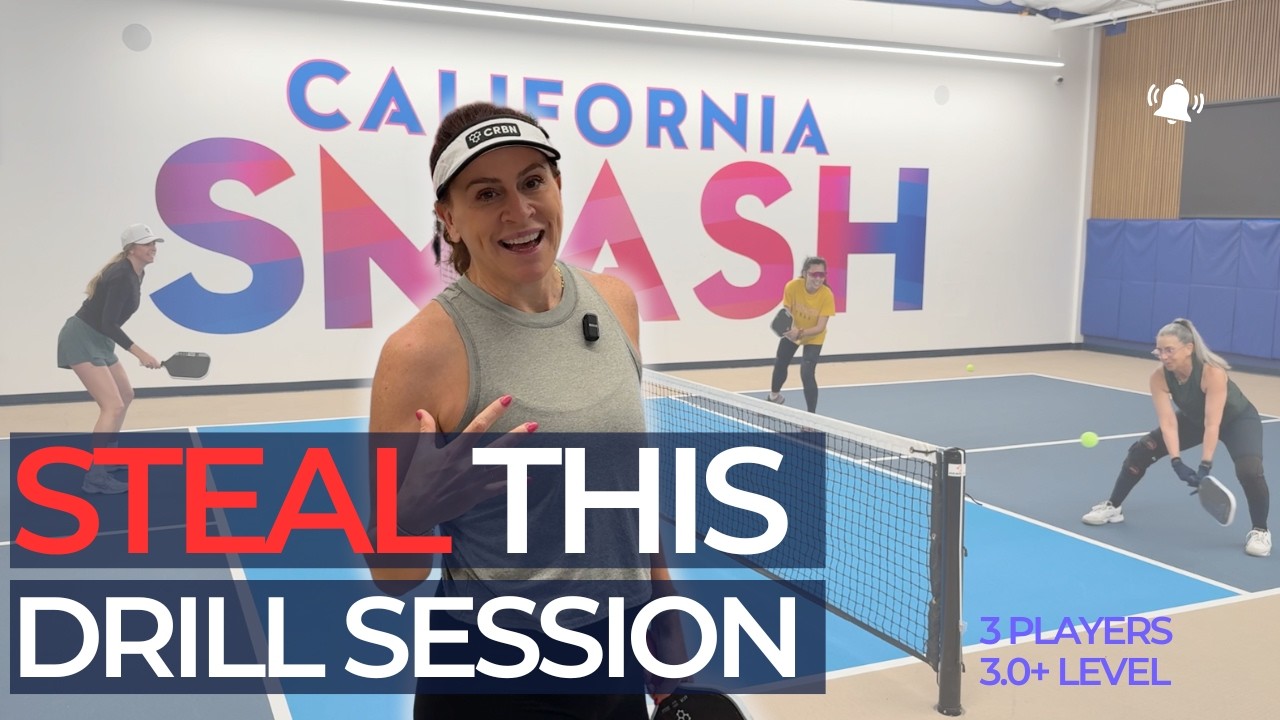
Consistency comes through repetition. Set up feeding drills where a partner tosses balls to your strike zone. Focus on one element at a time—first your stance, then your swing sequence, finally your placement.
Start with moderate pace and gradually increase power as your technique solidifies. Remember, muscle memory takes time to develop, so prioritize quality repetitions over quantity.
Frequently Asked Questions
Should I always hit my drives as hard as possible?
No. While power can be effective, consistency and placement often matter more. A controlled drive that stays in bounds and creates pressure is more valuable than a powerful shot that frequently goes out or sets up easy attacks for your opponent.
When should I use a drive versus other shots like a drop or lob?
Use drives when you have time to set up properly, when your opponents are positioned deep in their court, or when you want to maintain offensive pressure. Avoid drives when you're off-balance, when opponents are close to the net, or when a softer shot would be more tactical.
How do I generate more power without sacrificing accuracy?
Focus on improving your kinetic chain and timing rather than swinging harder. Better sequencing of your body movement, combined with solid contact point consistency, will increase both power and accuracy simultaneously.