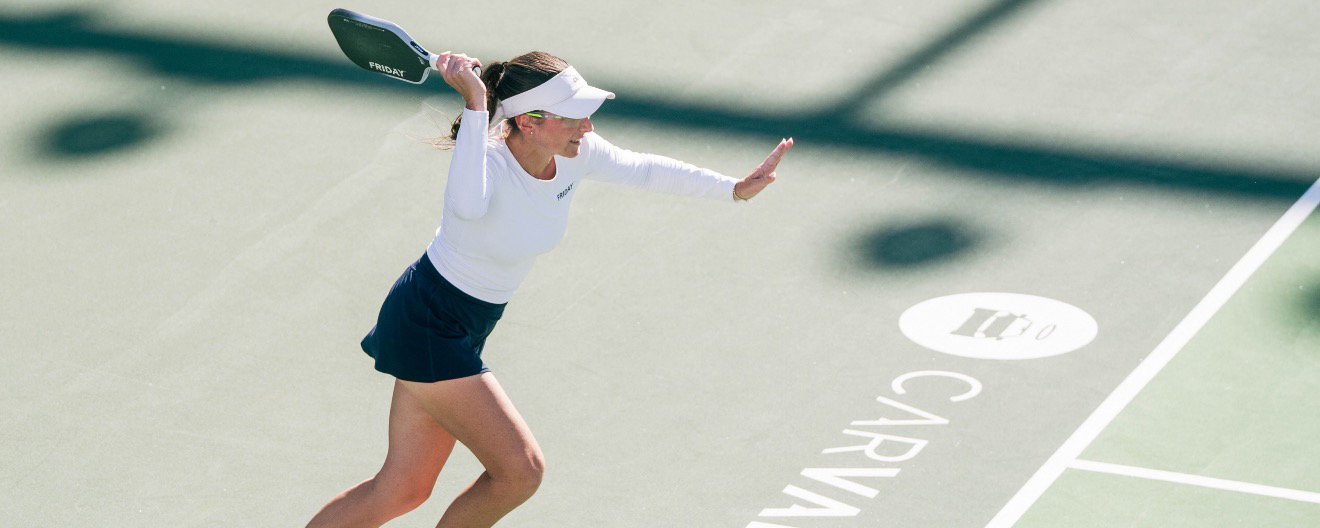
The forehand slap stands as one of pickleball's most devastating yet misunderstood offensive weapons. While many players attempt this shot, few execute it with the explosive power needed to consistently finish points.
Unlike the overhead smash that requires high balls, the forehand slap targets those tempting mid-court opportunities floating just above shoulder height. When mastered, this compact putaway motion becomes your go-to weapon for converting defensive positions into instant offense.
The Anatomy of a Perfect Forehand Slap
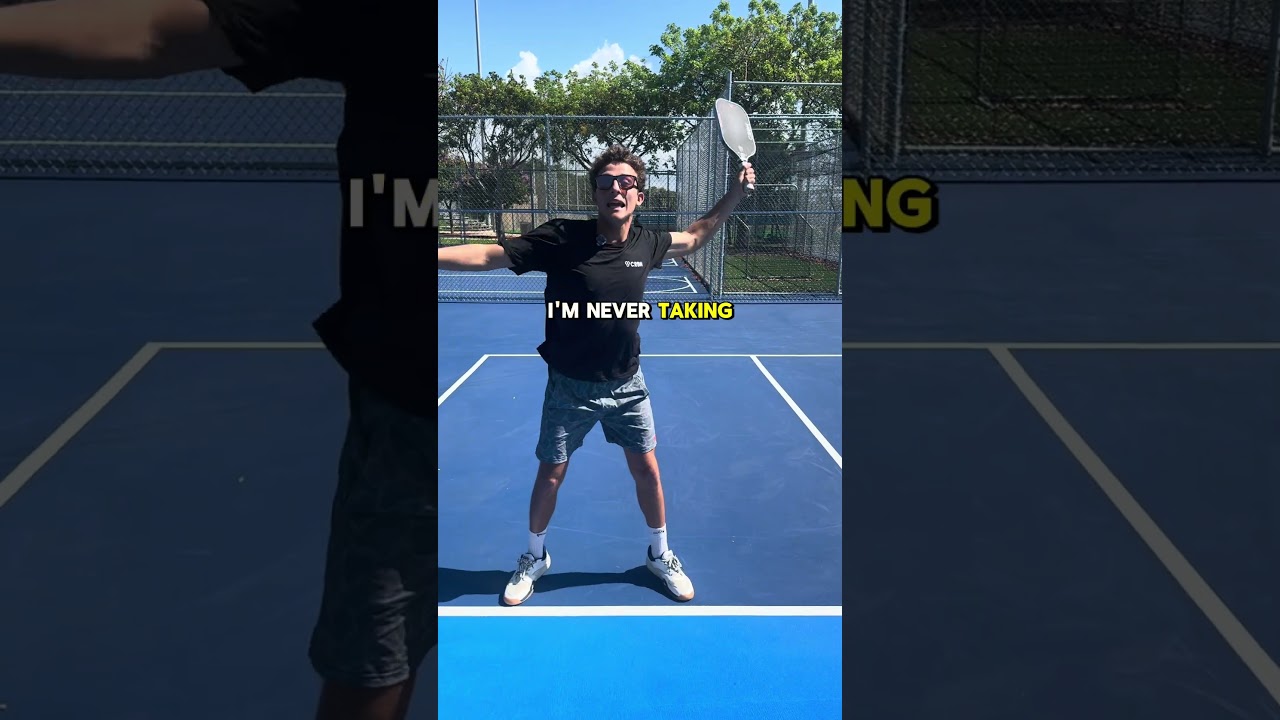
APP professional Tanner Tomassi breaks down this technique into three fundamental principles that separate weekend warriors from point-finishing machines. The beauty lies not in complex mechanics, but in understanding how these simple elements work together.
Principle 1: Paddle Position and Setup
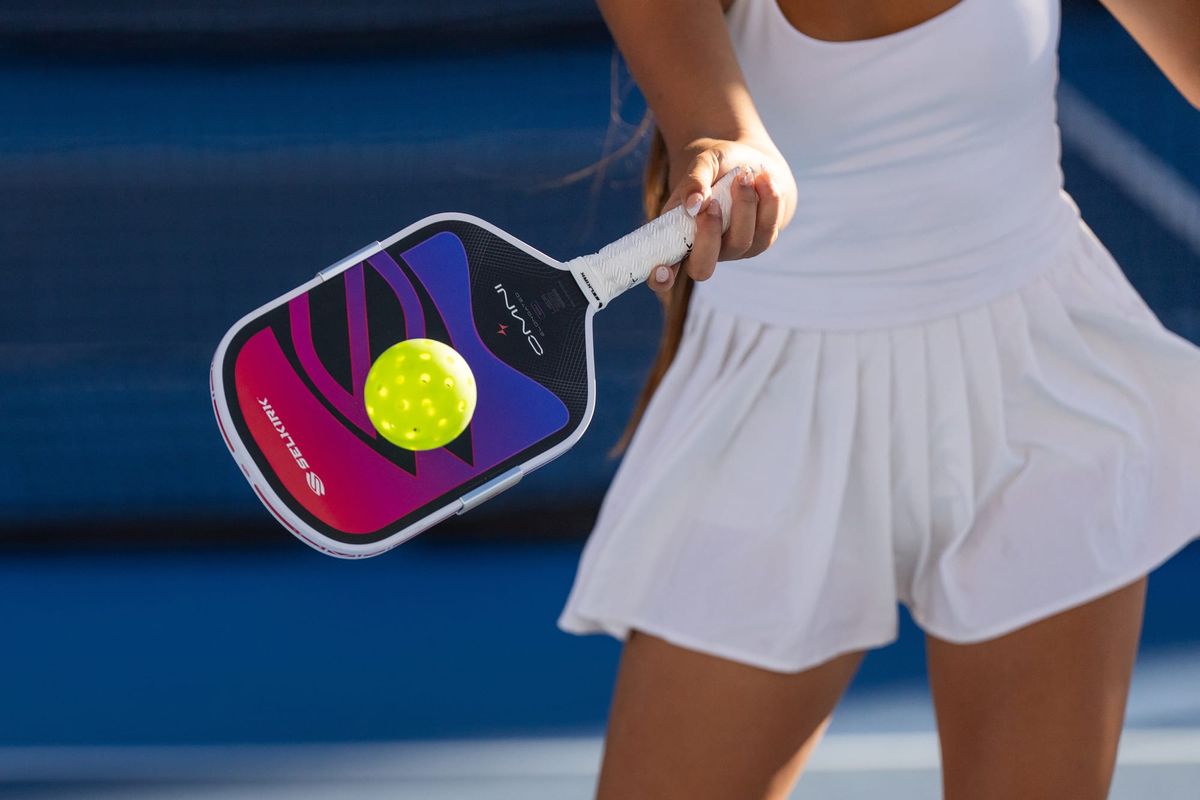
The foundation of power begins with proper paddle positioning. Unlike groundstrokes where you have time for elaborate backswings, the slap demands efficiency. Position your paddle slightly above shoulder level with the face angled down approximately 15-20 degrees.
This setup creates the optimal launch angle while preventing the ball from sailing long. Many players fail here by positioning the paddle too low, forcing an upward swing path that lacks power and control.
Principle 2: The Compact Swing Path
Power doesn't come from a massive windup—it comes from acceleration through contact. The slap utilizes a short, violent motion that maximizes paddle head speed in minimal time.
Start with your paddle shoulder-high and behind the ball. Drive forward with conviction, focusing on a straight path toward your target. The entire motion should feel compact and controlled, not wild or overextended.
Principle 3: Contact Point and Follow-Through
The magic happens at contact. Strike the ball while it's still rising or at its peak, never on the descent. This timing allows you to hit down on the ball while maintaining net clearance.
Your contact point should be slightly in front of your body, allowing for full extension and maximum paddle speed. The follow-through drives downward toward your target, ensuring the ball stays in bounds despite the aggressive nature of the shot.
Common Mistakes That Kill Your Power
Most recreational players make predictable errors that transform potential winners into easy returns or unforced errors.
The Timing Trap
Waiting too long to commit is the biggest power killer. The slap requires early recognition and immediate execution. Hesitation allows the ball to drop below the optimal contact zone, forcing you into a defensive position.
Overswinging Syndrome
Bigger isn't better when it comes to swing mechanics. Players who attempt massive backswings often arrive late to the ball and sacrifice accuracy for perceived power. The slap's effectiveness comes from quick, decisive strikes.
Practice Drills for Shot Development
Start with stationary ball feeding from the baseline. Have a partner feed balls at shoulder height while you focus purely on technique. Gradually increase pace as your mechanics become automatic.
Progress to live ball situations where you create slap opportunities through strategic positioning and shot selection. The key is recognizing when opponents give you the right ball to attack.
Strategic Application
The forehand slap shines brightest in transition moments—when opponents hit defensive lobs that don't quite reach overhead smash territory. These awkward-height balls become prime targets for finishing points quickly.
Position yourself aggressively when you sense these opportunities developing. Early court positioning often determines whether you get a slappable ball or find yourself scrambling defensively.
Frequently Asked Questions
When should I attempt a forehand slap vs. an overhead smash?
Use the slap for balls at or slightly above shoulder height that would be too low for a comfortable overhead. If you need to reach significantly upward, choose the overhead smash instead.
How do I prevent the ball from going into the net on slap shots?
Focus on contacting the ball at its peak height and maintain a slight upward angle on your paddle face at contact. The downward follow-through provides control while the initial contact ensures net clearance.
Can I hit effective slap shots from the baseline?
While possible, slap shots work best from mid-court positions where you can attack short balls with authority. From the baseline, focus on driving shots rather than slapping attempts.