The overhead smash stands as pickleball's most devastating finishing shot—when executed properly. Yet countless players struggle to convert high balls into winners, often sending shots into the net or sailing them long. The difference between a missed opportunity and a rally-ending smash comes down to three fundamental mechanics: precise footwork, proper trophy positioning, and committed follow-through.
Foundation First: Setting Up Your Footwork
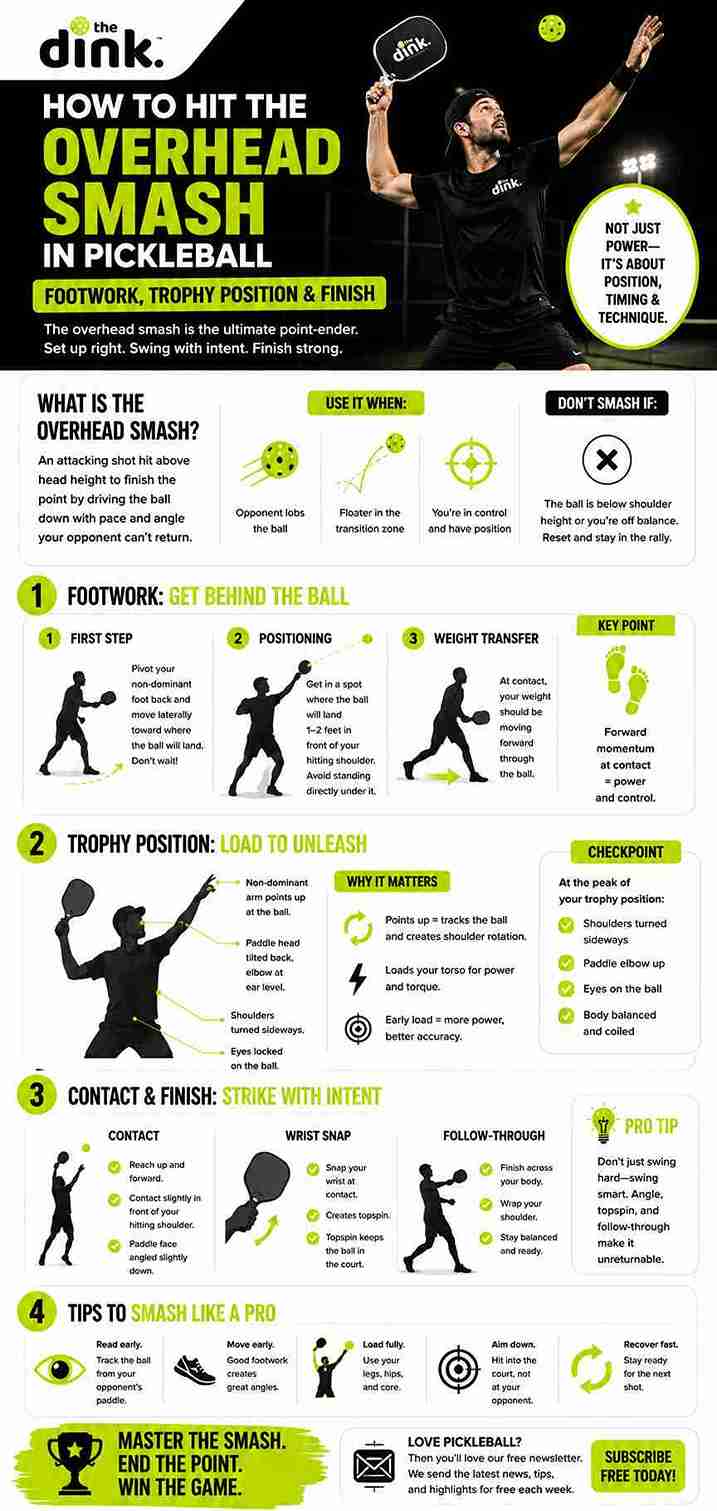
Great overhead smashes begin before you ever swing the paddle. As soon as you identify a high ball coming your way, your feet need to start moving. The goal isn't just getting under the ball—it's positioning yourself to generate maximum power while maintaining control.
Start by taking quick shuffle steps backward, keeping your shoulders square to the net. Avoid the common mistake of backpedaling or crossing your feet, which compromises balance and limits your ability to adjust. Your final position should place the ball slightly in front of your contact point, allowing you to strike down through the ball with authority.
Plant your non-dominant foot first, creating a stable base. Your dominant-side foot should step into the shot, transferring weight forward through contact. This weight transfer is where much of your power originates—not from arm strength alone.
The Trophy Position: Loading for Maximum Power
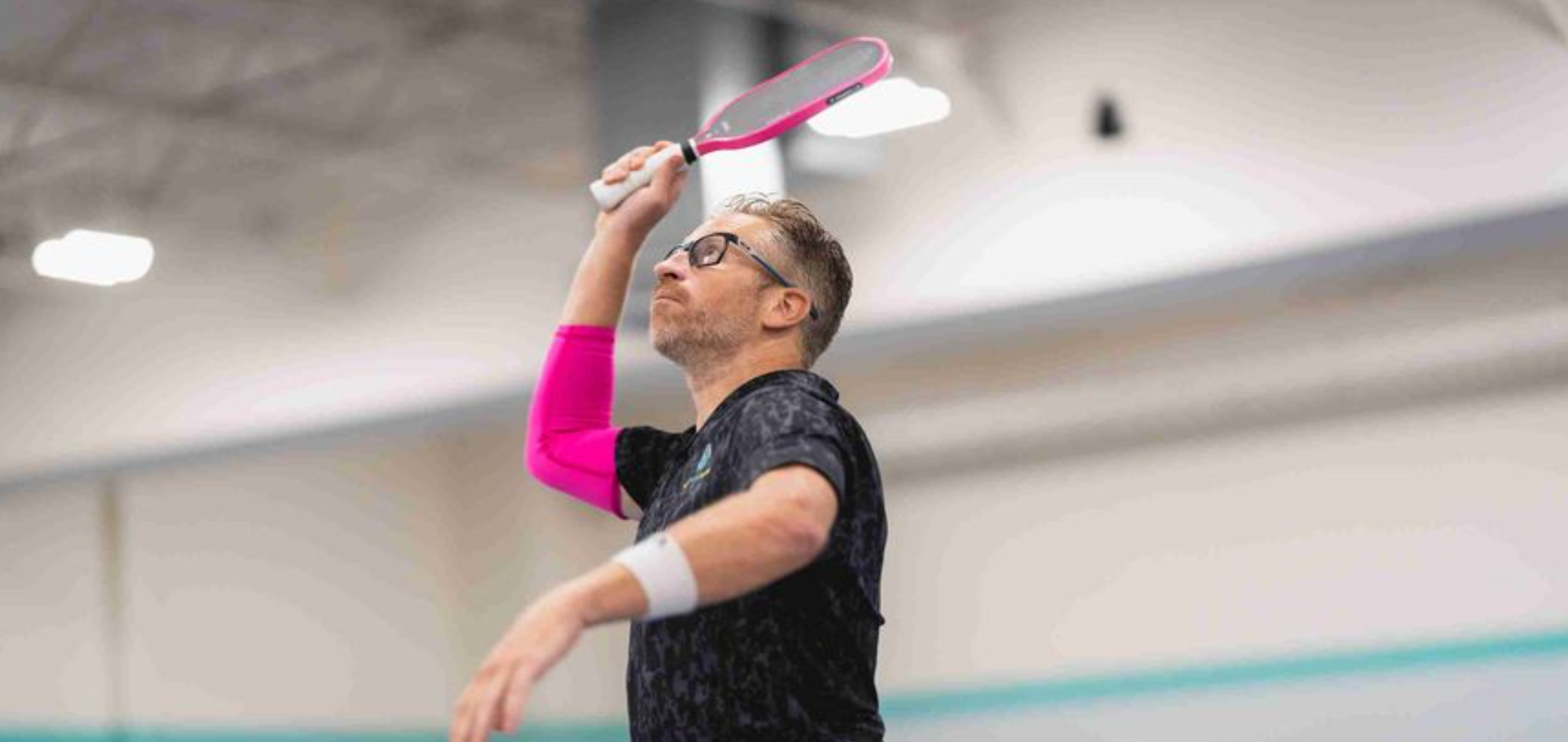
The trophy position serves as your power loading mechanism. As you set up under the ball, raise your paddle hand above your head while extending your non-paddle hand upward to track the ball's flight. This creates the classic "archer" pose that tennis players know well.
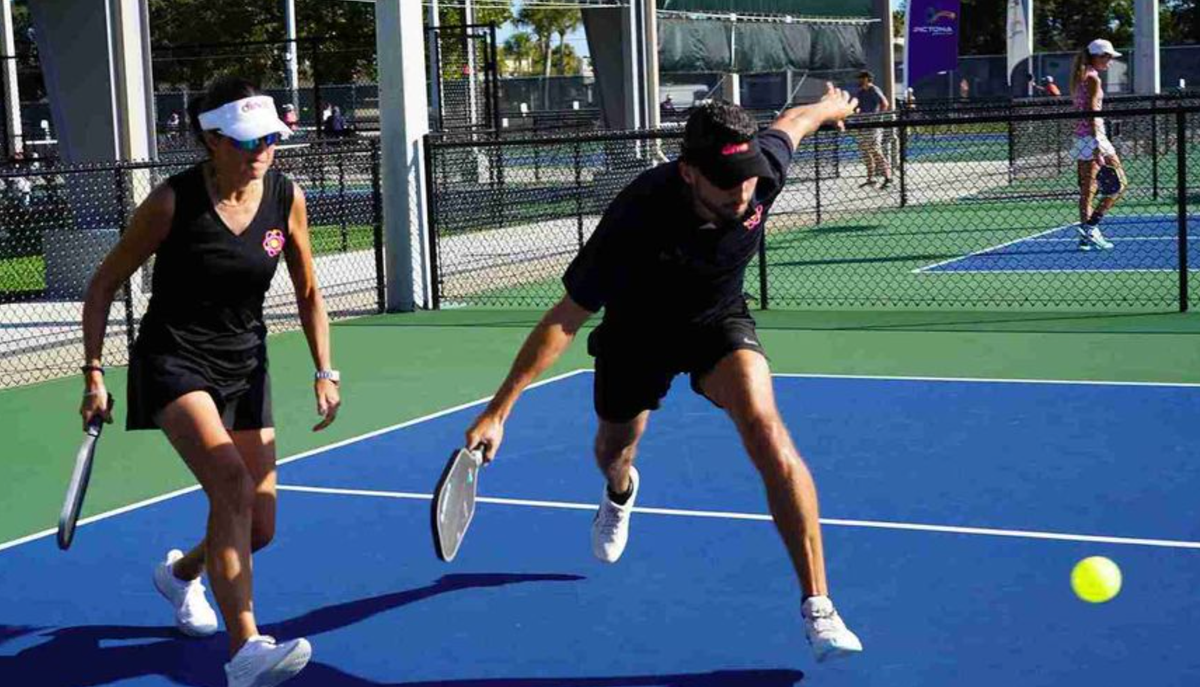
Your paddle should be positioned behind your head with your elbow high, creating a deep shoulder turn. Many recreational players rush this phase, but patience here pays dividends. The deeper your trophy position, the more potential energy you store for the forward swing.
Keep your eye on the ball throughout this setup phase. Your non-paddle hand acts as a targeting system, helping you judge distance and timing. Don't drop this hand too early—it's your guide until the moment of contact.
Timing Your Contact Point
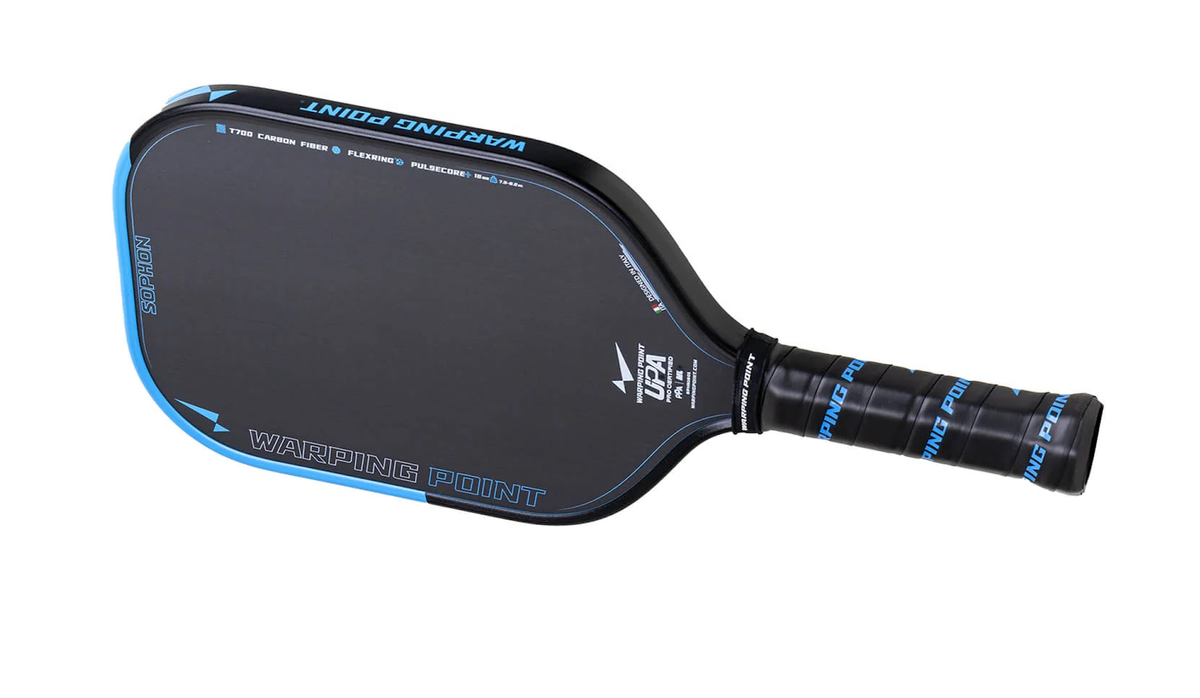
Contact should occur at your maximum reach, with your arm fully extended upward and slightly forward. This high contact point allows you to strike down at the sharpest angle, making it nearly impossible for opponents to return.
The Finish: Following Through for Precision
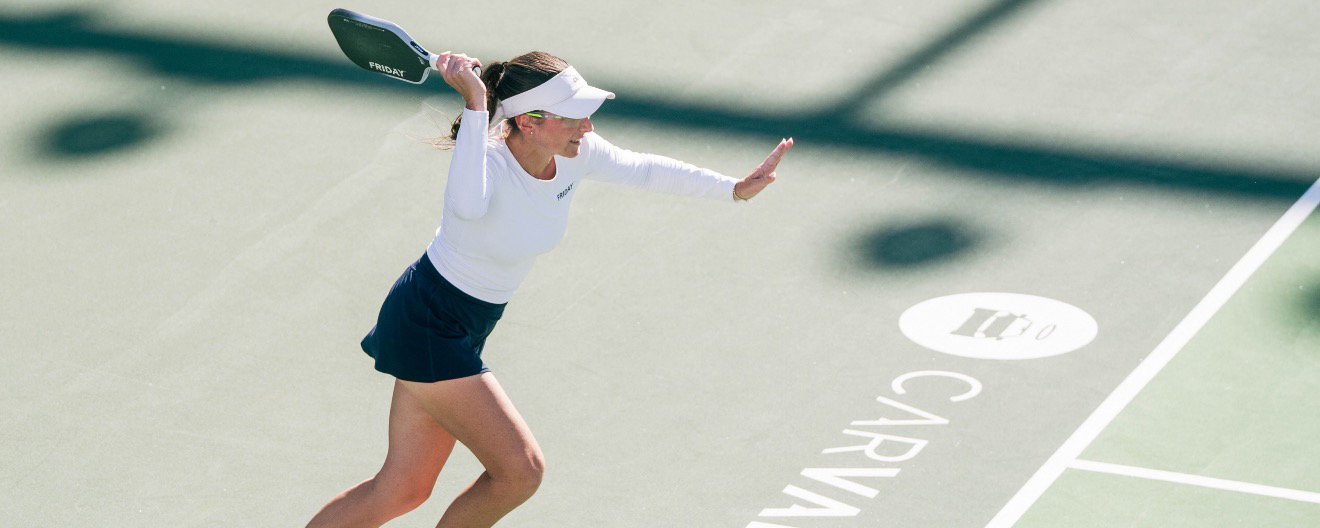
The follow-through determines whether your smash finds its target or sails wide. After contact, your paddle should continue down and across your body, finishing near your opposite hip. This diagonal motion ensures proper ball trajectory while preventing the shot from flying long.
Resist the urge to admire your shot mid-swing. Commit fully to the follow-through, allowing your momentum to carry you forward into ready position. Your weight should finish on your front foot, ready to react to any unlikely returns.
Common Mistakes That Kill Your Smash
The biggest error players make is treating the overhead like a serve. Unlike serving, where you want height and arc, the smash demands a downward strike with minimal arc. Aim for sharp angles, not power alone.
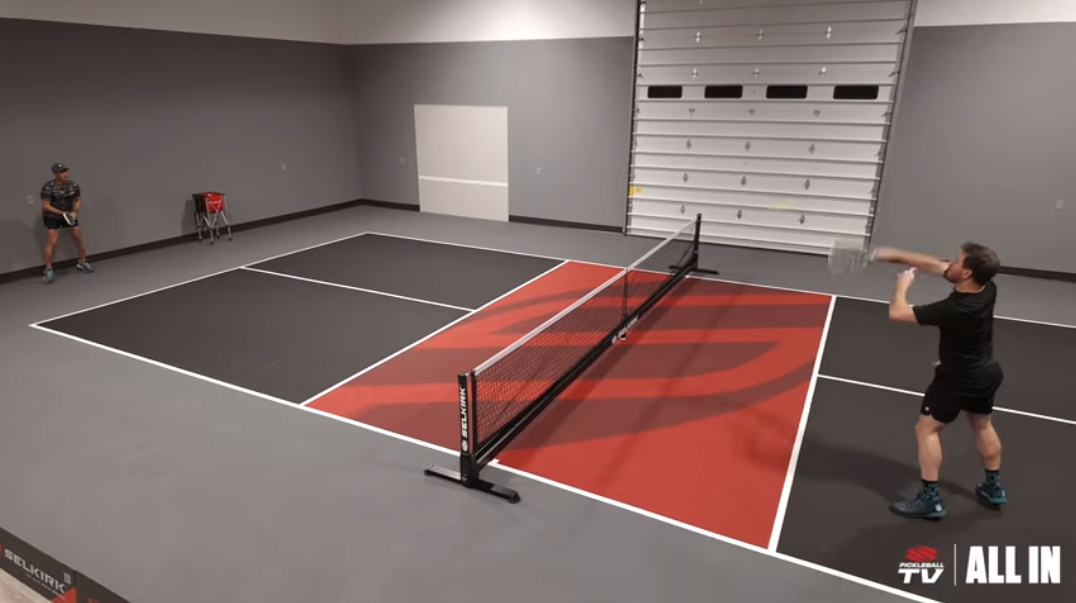
Another frequent mistake involves rushing the setup. Take time to position yourself properly—a well-positioned moderate swing beats a poorly-positioned power swing every time. If you're off-balance or reaching desperately, consider a defensive lob instead.
Practice Drills for Overhead Excellence
Start with stationary practice. Have a partner toss balls high while you focus on footwork and trophy position. Gradually increase the difficulty by varying ball placement and height. Once comfortable, practice moving smashes where you must adjust position before executing.
Target practice adds another layer of development. Place targets in the corners and practice hitting specific zones rather than just swinging hard. Precision beats power when opponents are out of position.
When NOT to Attempt an Overhead
Even perfect technique can't save a poor shot selection. If the ball isn't high enough, if you're moving backward rapidly, or if you're too close to the net, consider alternative shots. A defensive lob or reset might be smarter than forcing a low-percentage smash.
Frequently Asked Questions
Should I aim for the corners or the middle on overheads?
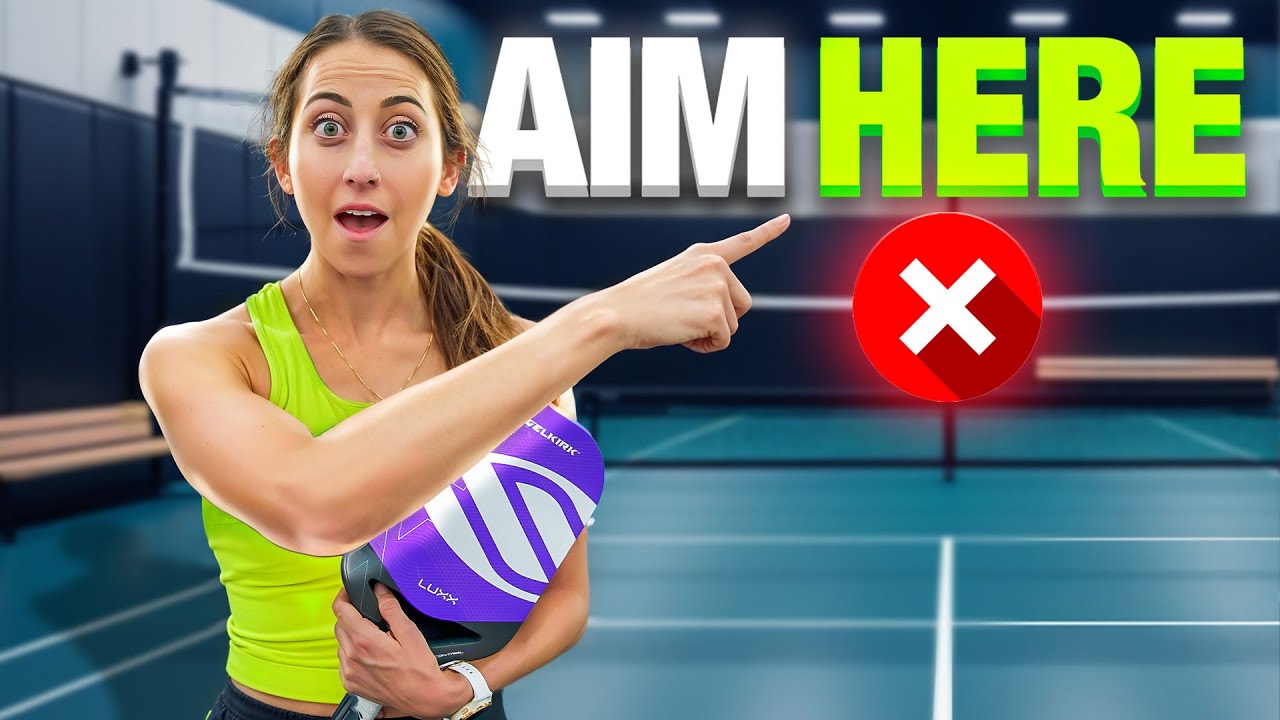
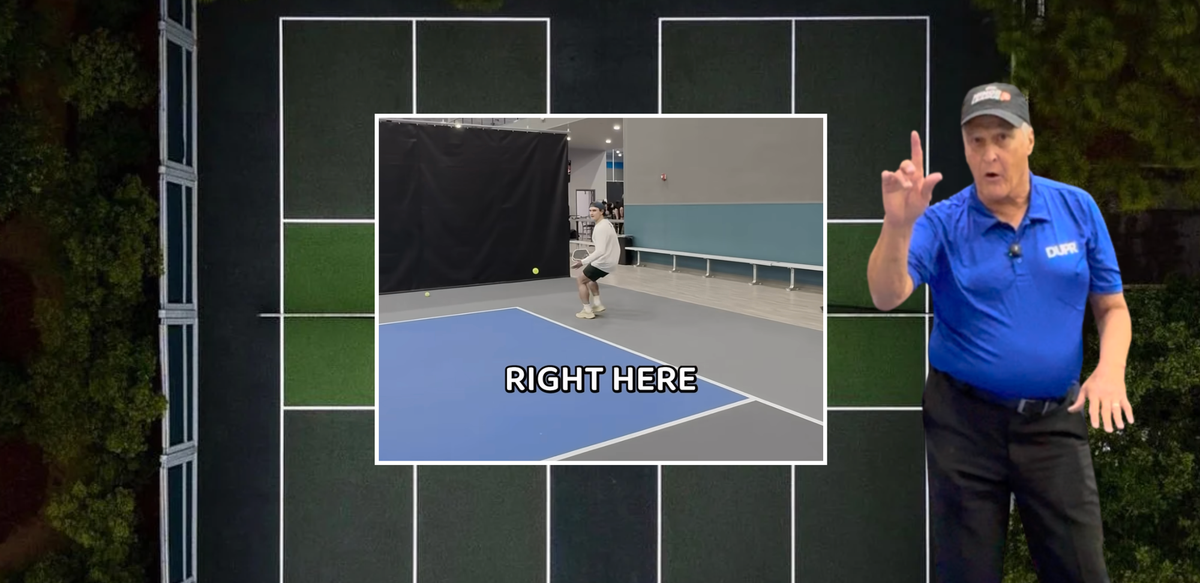
Aim for the sidelines or sharp cross-court angles when possible. These shots are harder to reach and create better angles. Only hit down the middle if both opponents are positioned wide, leaving the center open.
How hard should I swing on overhead smashes?
Swing with about 80% effort, focusing on technique over raw power. Proper mechanics generate more effective shots than maximum effort with poor form. Let the setup and follow-through create the power.
What's the biggest mistake recreational players make with overheads?
Rushing the setup is the most common error. Players often panic when they see a high ball and swing before getting properly positioned. Take time to set up correctly—the ball isn't going anywhere fast when it's that high.