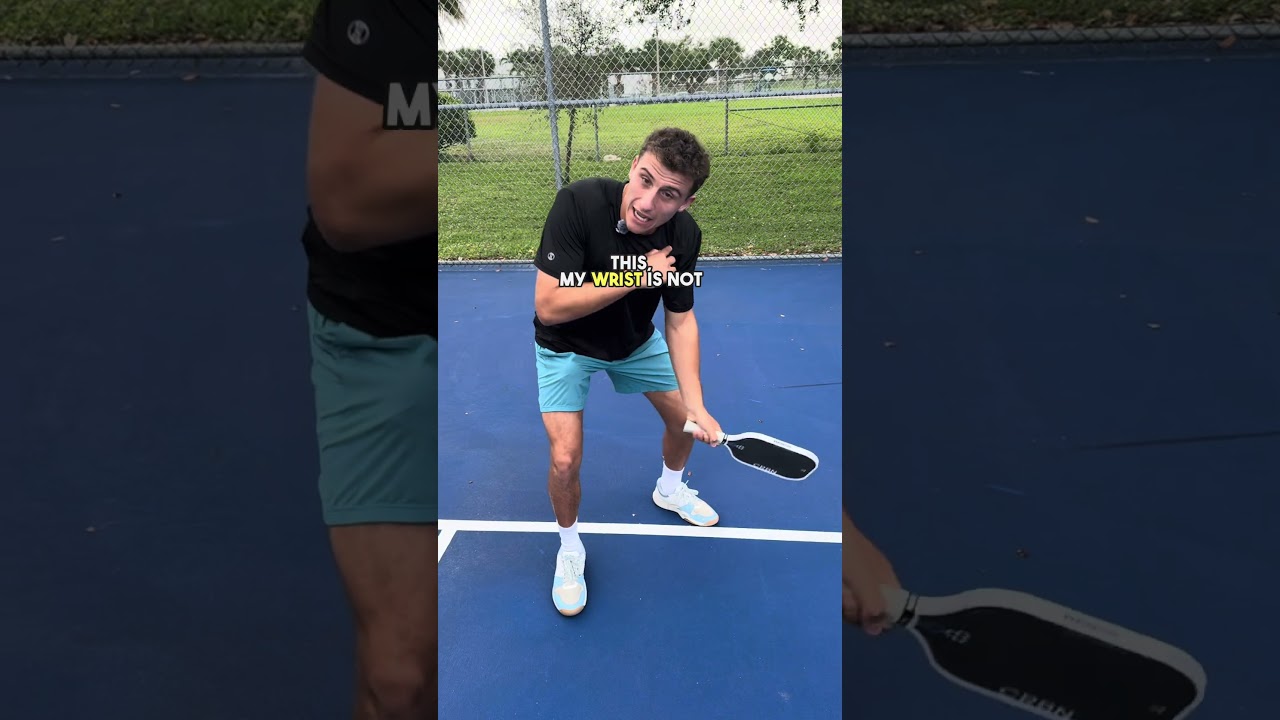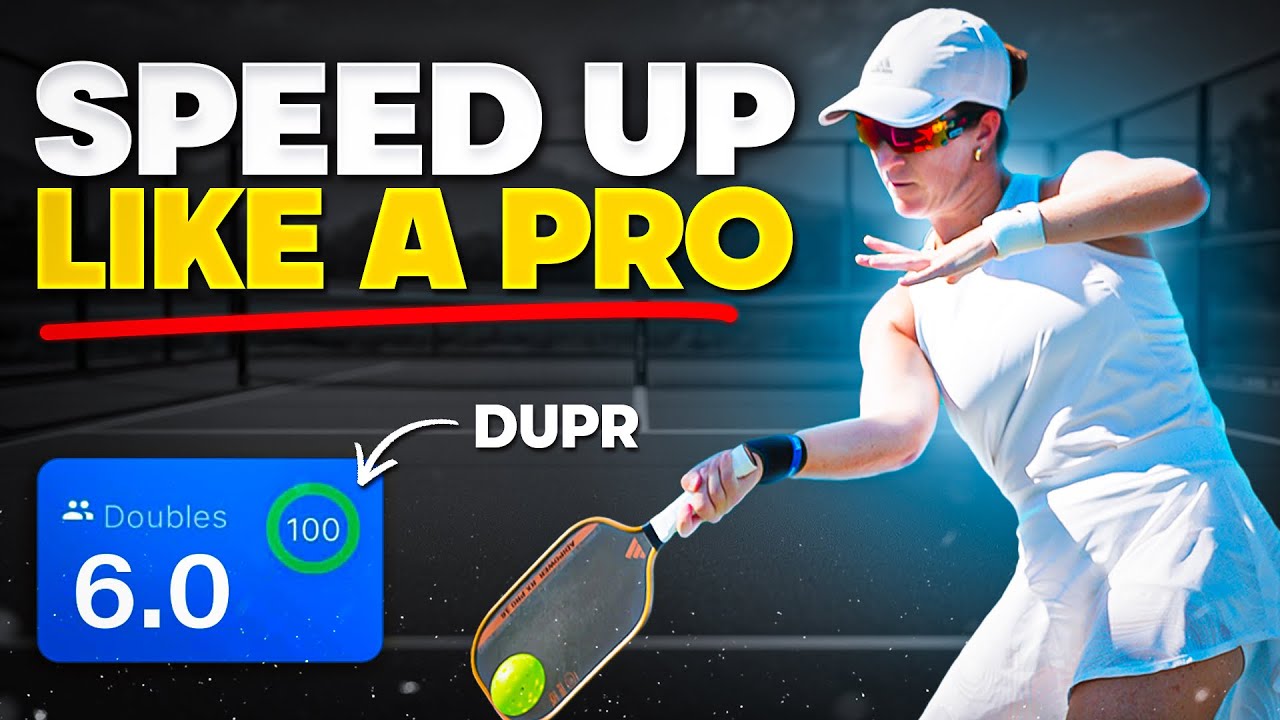
The Evolution of the Forehand Speed Up in Modern Pickleball
The forehand speed up has revolutionized competitive pickleball, transforming from an occasional aggressive shot to a fundamental weapon in every serious player's arsenal. As the sport continues to evolve at breakneck speed, mastering this technique has become essential for players looking to elevate their game to professional levels.
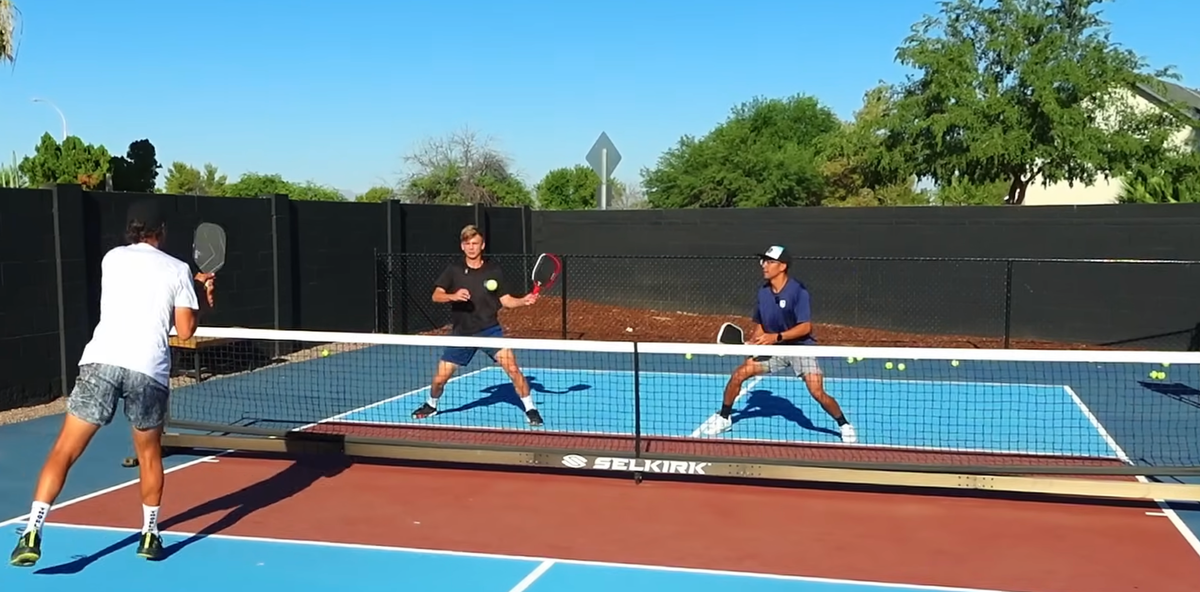
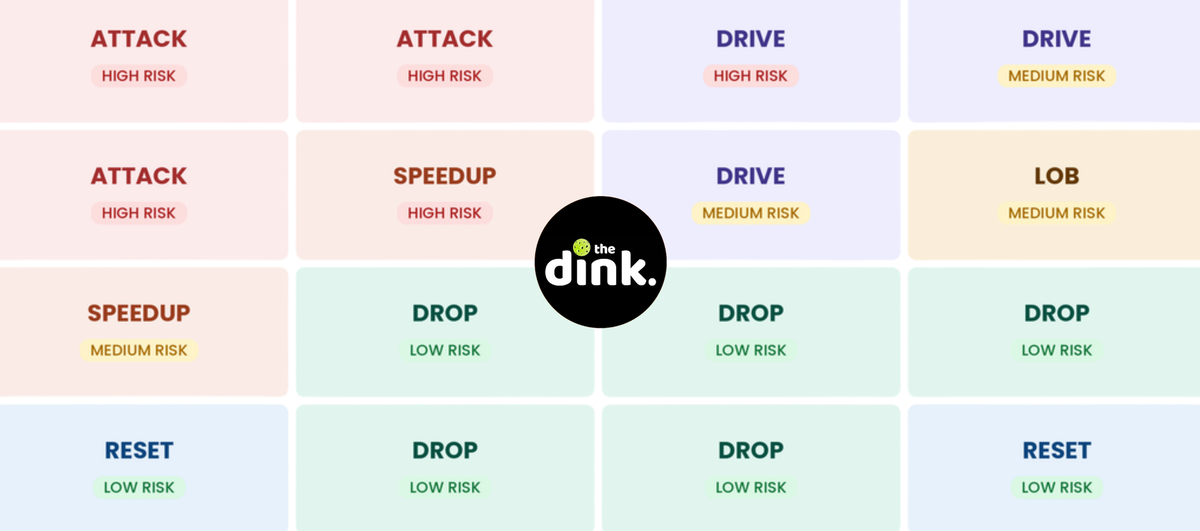
Professional player Mari Humberg has identified three critical elements that separate amateur attempts from pro-level execution: disguise, positioning, and timing. These components work together to create a shot that's not just powerful, but devastatingly effective in match situations.

Element #1: Master the Art of Disguise
The most successful forehand speed ups catch opponents completely off-guard. Disguise is what transforms a telegraphed attack into a surprise weapon that wins points outright.
Body Language Control
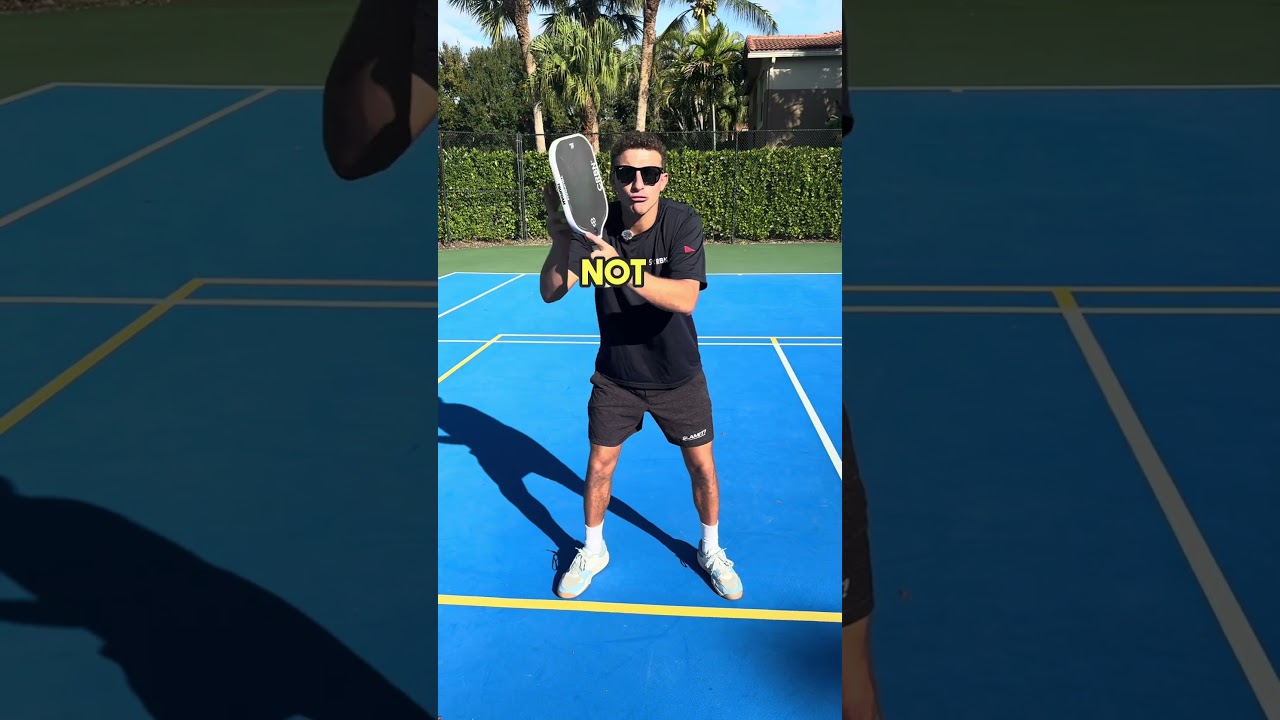
Professional players maintain identical body positioning whether they're planning a soft dink or an explosive speed up. This means keeping your paddle preparation subtle and your stance consistent. Avoid the common mistake of winding up dramatically – this immediately alerts your opponent to the incoming attack.
Paddle Face Management
The paddle face should remain neutral until the last possible moment. Many recreational players angle their paddle too early, giving away their intentions. Keep the same paddle angle you'd use for a cross-court dink, then make the final adjustment during your swing.
Element #2: Strategic Positioning for Maximum Impact
Your court position determines both the effectiveness of your speed up and your ability to handle the potential counter-attack. Proper positioning sets up the entire sequence for success.
The Optimal Strike Zone
Position yourself so the ball contacts your paddle in your power zone – typically between your hip and shoulder height, slightly in front of your body. This positioning allows for maximum racquet head speed while maintaining control.

Recovery Positioning
Before executing the speed up, ensure you can quickly return to a defensive position. The best speed ups are hit from a balanced stance that allows immediate movement in any direction, as opponents often return these shots with their own aggressive counter.
Element #3: Perfect Timing Makes the Difference
Even with perfect disguise and positioning, poor timing will result in missed opportunities or unforced errors. Professional timing involves reading both the ball and your opponent simultaneously.
Reading the Setup
The ideal speed up opportunity occurs when your opponent hits a ball that sits up slightly or comes with pace that you can redirect. Look for balls that bounce higher than usual or shots that your opponent doesn't follow to the net immediately.

Opponent Vulnerability Windows
Time your speed up when opponents are in transition, off-balance, or have just hit a shot that leaves them out of position. The split second after they complete their shot is often the perfect window for your attack.
Common Speed Up Mistakes to Avoid
Understanding what not to do is equally important as mastering proper technique:
- Over-hitting: Power without control leads to unforced errors
- Poor target selection: Always aim for gaps, not directly at opponents
- Predictable patterns: Vary your speed up timing to maintain the element of surprise
- Neglecting follow-through: Complete your swing for consistent direction and pace
Practice Drills for Speed Up Mastery
Wall Practice
Use a wall to practice the motion and timing without worrying about court positioning. Focus on smooth acceleration through the ball and consistent contact point.
Partner Feeding Drills
Have a partner feed balls at various heights and speeds while you practice disguising your intentions and executing clean speed ups with proper positioning.
Integrating Speed Ups into Your Game Strategy
The forehand speed up shouldn't be used randomly. Integrate it strategically by:
- Setting up the shot with patient dinking
- Recognizing opponent patterns and weaknesses
- Using it as a pressure tool during crucial points
- Following up with smart positioning for potential returns
Frequently Asked Questions
When is the best time during a rally to attempt a forehand speed up?
The optimal timing is when your opponent is slightly off-balance, has just completed their shot, or when you receive a ball that sits up higher than usual. Avoid speed ups when opponents are perfectly positioned and ready at the net.
How much power should I use compared to my regular groundstrokes?
Focus on controlled acceleration rather than maximum power. A well-placed speed up at 70% power is more effective than an all-out swing that lacks precision. The goal is to create a shot your opponent can't handle, not necessarily the hardest shot possible.
What's the most common mistake recreational players make with speed ups?
The biggest mistake is telegraphing the shot through obvious body language and paddle preparation. Recreational players often wind up dramatically, giving opponents plenty of time to prepare for the attack. Professional-level disguise keeps opponents guessing until it's too late to react effectively.