Why the Reset Shot Defines Championship-Level Play
The transition zone in pickleball—that critical space between the baseline and kitchen line—separates recreational players from competitive champions. While many players focus on power shots and aggressive attacks, the reset shot represents the strategic finesse that controls match outcomes.

The reset shot isn't about overpowering your opponent. Instead, it's a tactical weapon that neutralizes aggressive attacks while positioning you for the next exchange. When executed properly, it transforms defensive situations into offensive opportunities.
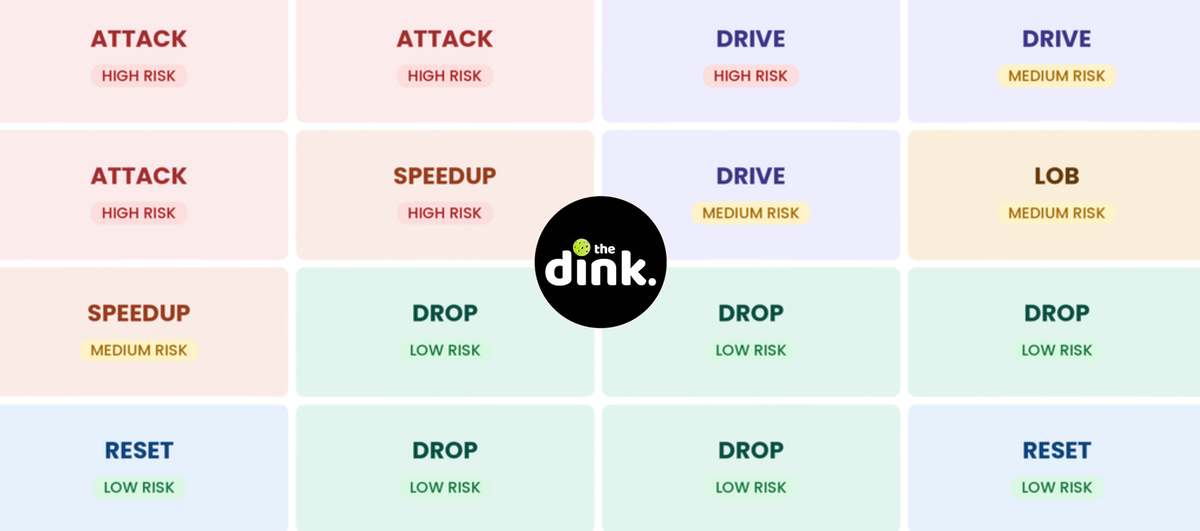
The Three Pillars of Reset Shot Mastery
Touch: The Foundation of Control
Touch in pickleball refers to your ability to absorb pace and redirect the ball with precise speed and trajectory. The reset shot requires you to catch aggressive shots at their peak energy and gentle them into submission.
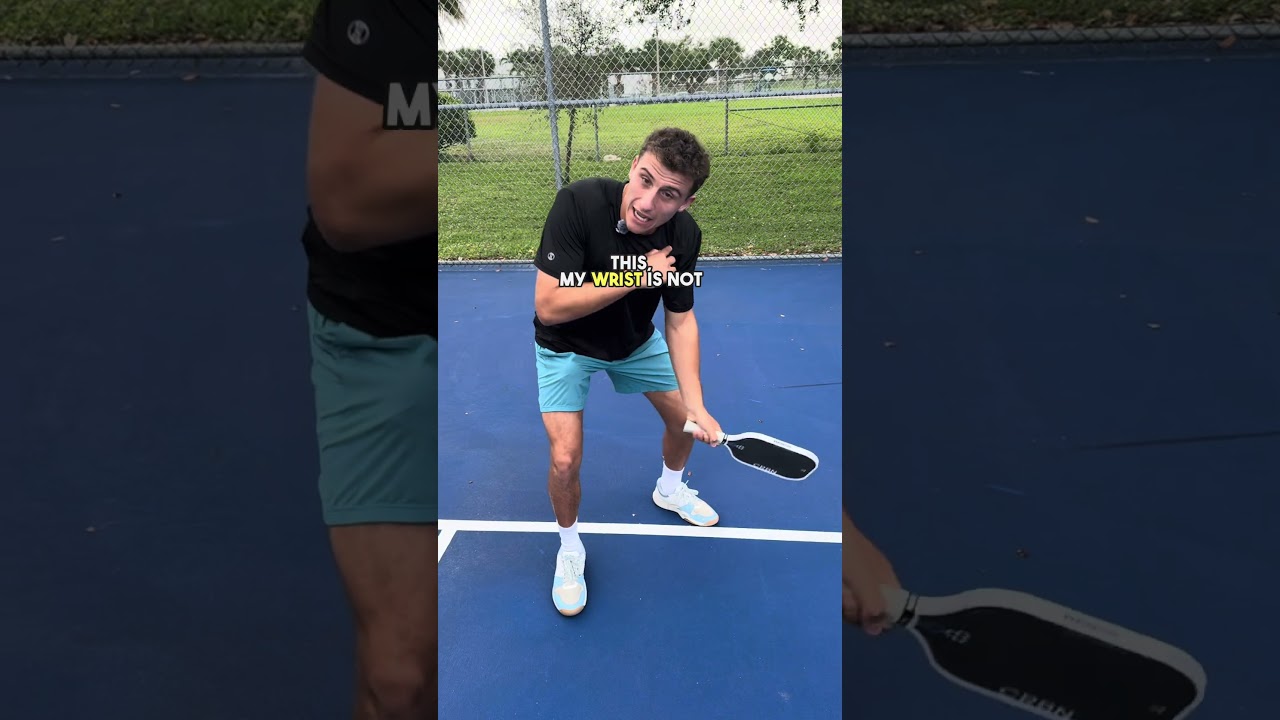
Practice starts with paddle grip. Maintain a continental grip that allows for quick adjustments and natural wrist flexibility. Your paddle face should be slightly open at contact, creating just enough lift to clear the net while keeping the ball low.
Focus on using your opponent's pace against them. The harder they hit, the less force you need to apply. Think of your paddle as a shock absorber, cushioning the impact while guiding the ball to your desired location.
Positioning: Strategic Court Movement
Effective reset shots begin before the ball crosses the net. Your court positioning determines whether you'll execute a confident reset or scramble for a defensive return.
Stay balanced on the balls of your feet in the transition zone. Position yourself slightly behind where you anticipate the ball landing, giving yourself time to move forward into the shot. This forward momentum helps create the upward trajectory necessary for successful resets.
Your body should remain perpendicular to the net during the shot, with your non-dominant foot stepped forward. This stance provides stability while allowing for quick recovery after the shot.
Angles: The Strategic Advantage
Reset shots aren't just about getting the ball over the net—they're about placement that creates tactical advantages. Understanding angles transforms reset shots from defensive reactions into offensive setups.
Target your resets to land softly in your opponent's kitchen, but vary the placement. Cross-court resets create longer flight paths, giving you more time to advance to the net. Down-the-line resets can catch opponents off-guard if they're expecting cross-court patterns.

Consider your opponent's positioning when selecting angles. Reset behind players who are moving forward aggressively, or reset to their backhand side if they favor forehand attacks.
Advanced Reset Shot Techniques
The Drop Reset
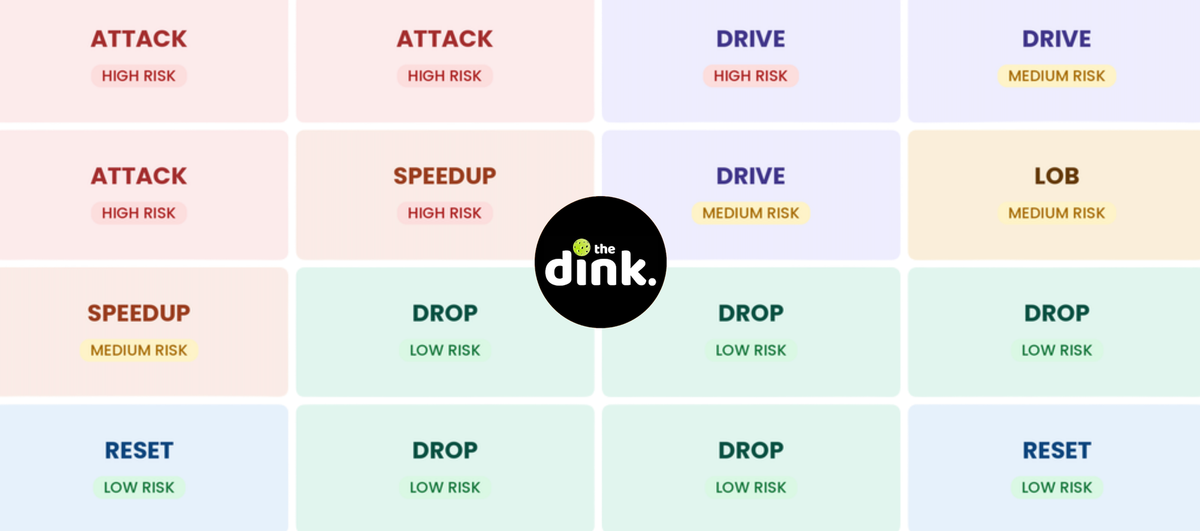
When facing hard-driven balls in the transition zone, the drop reset becomes essential. This technique involves significant pace absorption, dropping the ball just over the net with minimal forward momentum.
Execute drop resets by opening your paddle face more than usual and using a lifting motion that guides the ball upward initially before it falls into the kitchen. The key is timing your contact point when the ball is still rising or at its peak.
The Neutral Reset
Use neutral resets when you're well-positioned but want to maintain rally momentum without giving your opponent an easy attack. These shots land deeper in the kitchen with slightly more pace than drop resets.
Neutral resets work best when both teams are transitioning to the net. They keep the ball in play while you complete your approach to the kitchen line.

Practice Drills for Reset Mastery
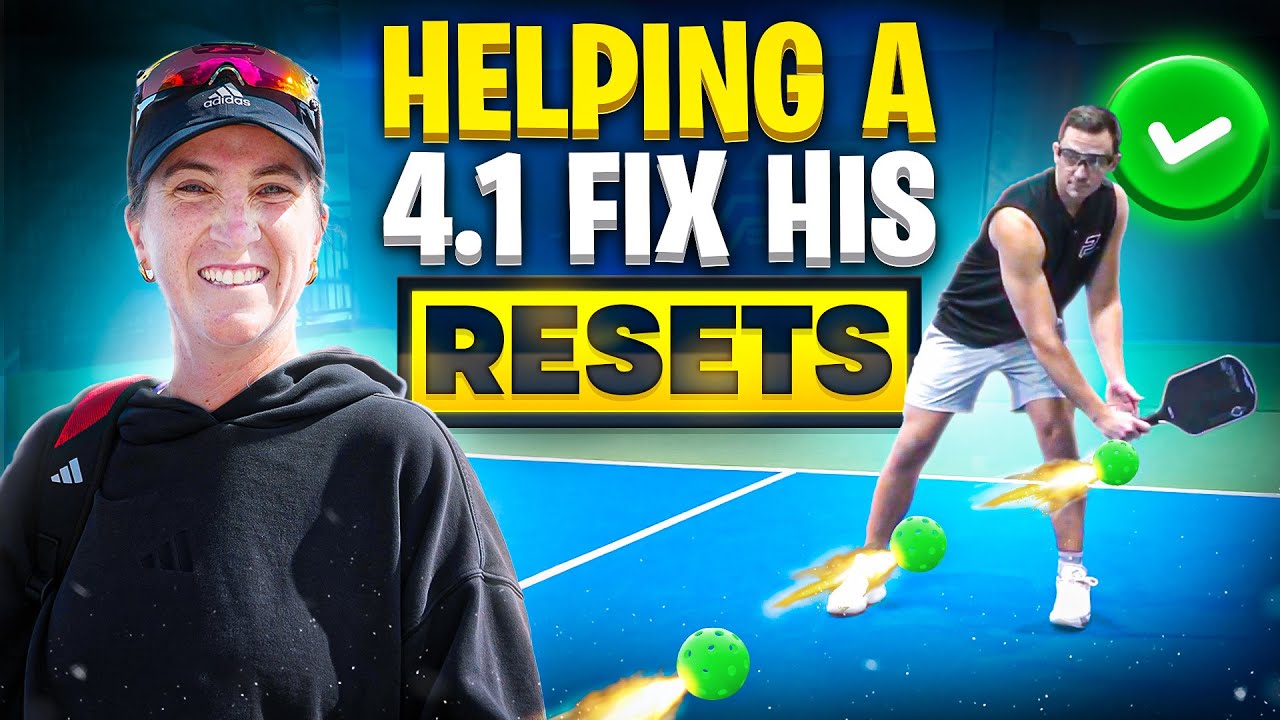
Consistent reset shot execution requires dedicated practice. Set up drills where a partner feeds you aggressive shots from the baseline while you practice resets from various transition zone positions.
Practice target placement by positioning cones or markers in different kitchen locations. Work on hitting specific targets with your resets, developing the precision that makes this shot devastating in competitive play.
Shadow practice helps develop muscle memory. Practice your reset motion without a ball, focusing on smooth paddle movement and proper body positioning.
FAQ
When should I attempt a reset shot versus going for a winner?
Attempt reset shots when you're in the transition zone facing pace from your opponents, when you're off-balance, or when your opponents have superior net positioning. Save winners for when you're well-positioned at the kitchen line with a high, attackable ball.
How do I practice reset shots without a partner?
Use a ball machine or practice against a wall, focusing on absorbing pace and controlling trajectory. You can also practice the motion with shadow drills, emphasizing proper form and follow-through without a ball.
What's the most common reset shot mistake?
The most common mistake is trying to add too much pace to reset shots. Players often feel they need to "help" the ball over the net, but successful resets require trusting the technique and letting your opponent's pace do most of the work.