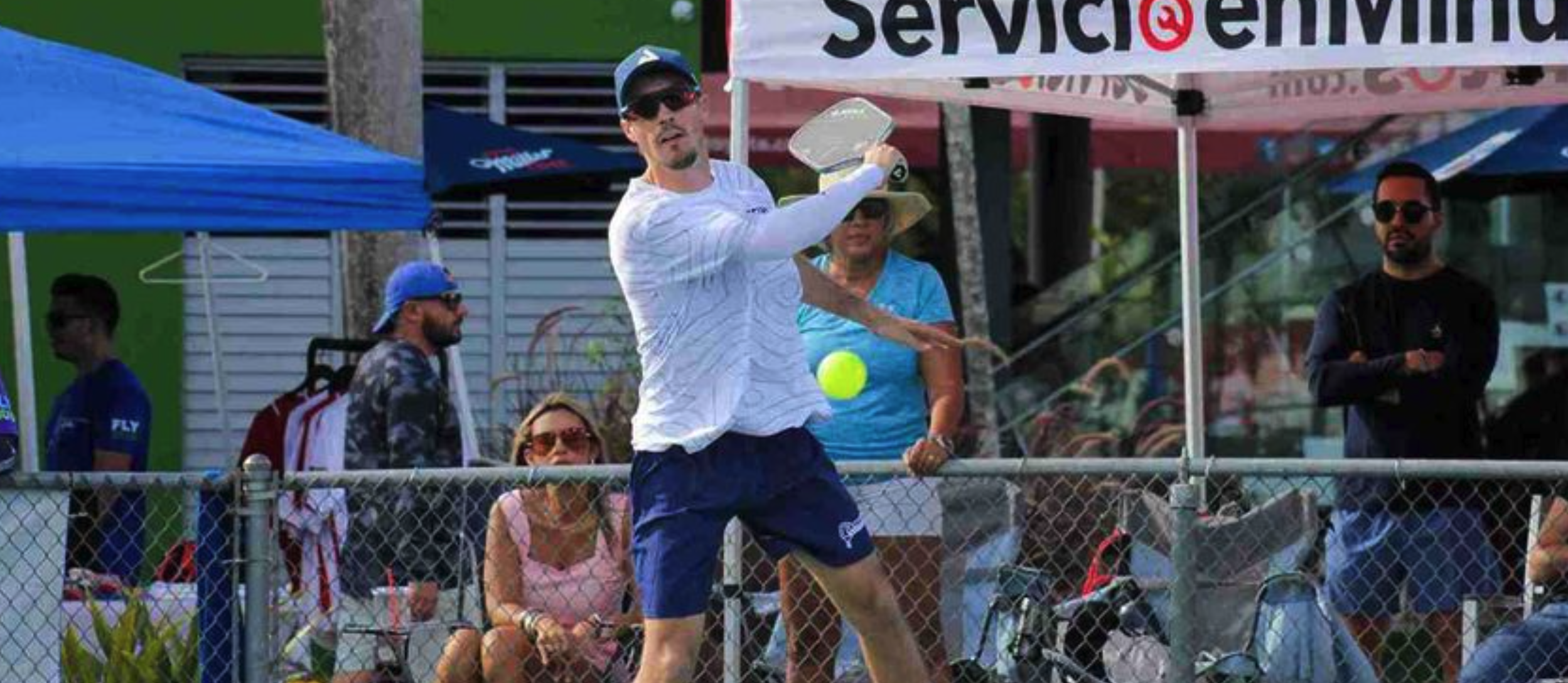
Struggling with third shot drop consistency? The solution isn't mindlessly hitting balls for hours—it's following a proven drill protocol that transforms mechanics into muscle memory.
Most players approach third shot drop practice backwards. They jump straight into game situations, hoping repetition alone will build reliability. When pressure hits, their technique crumbles because they never established proper foundations.
Why Traditional Practice Methods Fail
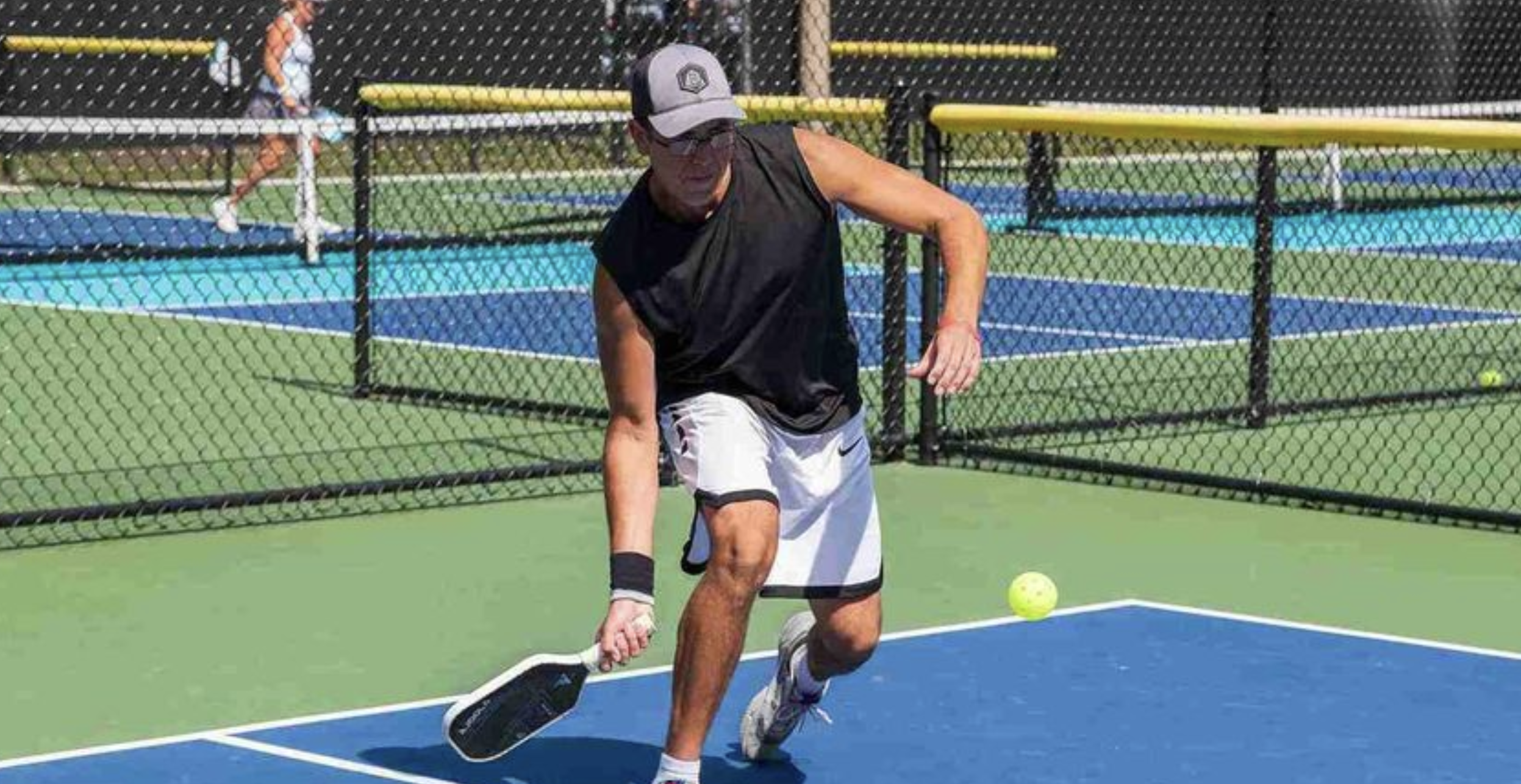
The biggest mistake recreational players make is practicing without structure. They grab a bucket of balls, aim for the kitchen, and hope for improvement. This random approach creates inconsistent results because:
- No progressive difficulty: Jumping into complex scenarios before mastering basics
- Lack of feedback loops: Missing immediate correction opportunities
- Pressure-free environment: Not simulating real match conditions
- Poor mechanics reinforcement: Repeating flawed technique hundreds of times
The Foundation Phase: Building Proper Mechanics
Start with stationary ball feeds from the baseline. This eliminates variables and allows complete focus on technique fundamentals.
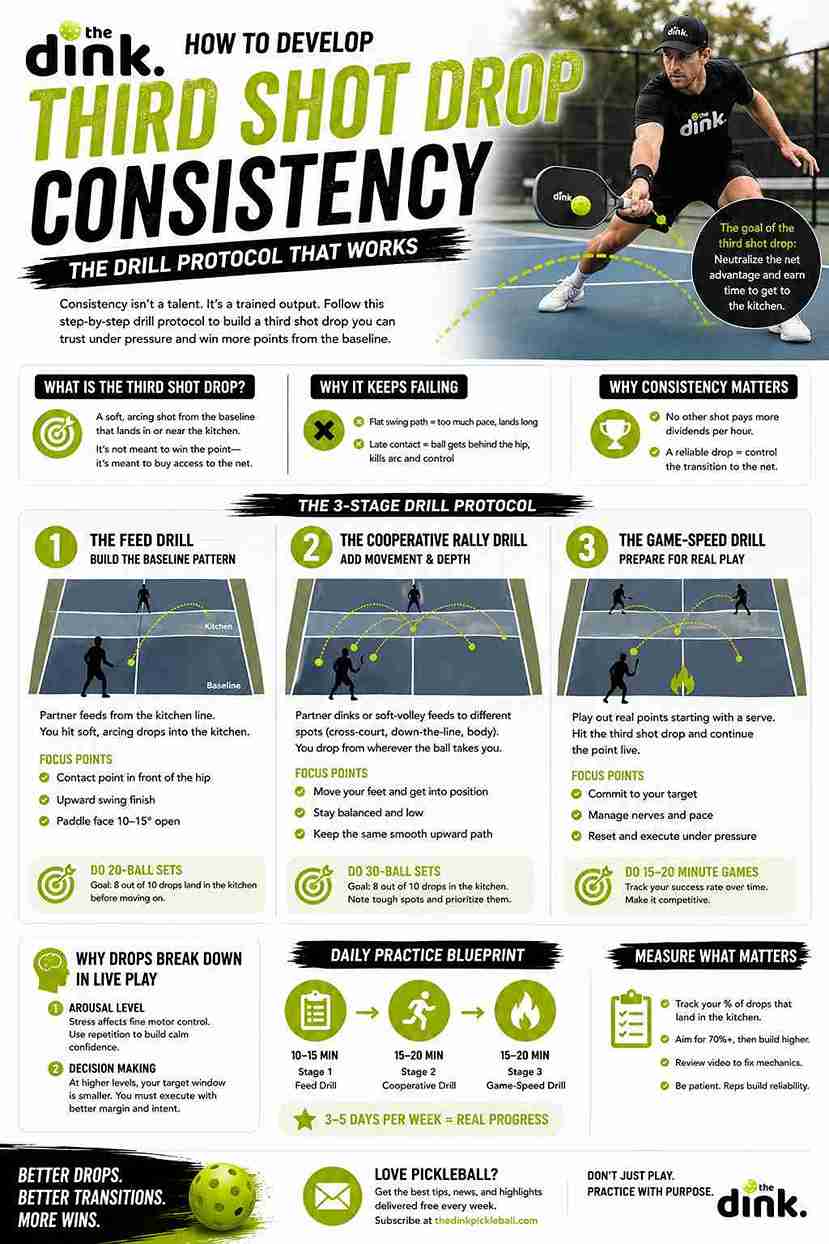
Drill 1: Partner Feed Progression
Have your partner feed balls from the net while you practice drops from various baseline positions. Focus on:
- Consistent contact point
- Smooth, controlled swing tempo
- Follow-through direction
- Weight transfer timing

Complete 50 repetitions from each court position (right, center, left) before advancing. Aim for 70% success rate landing in the kitchen.
The Movement Phase: Adding Realistic Elements
Once stationary mechanics are solid, introduce movement and varying ball speeds.
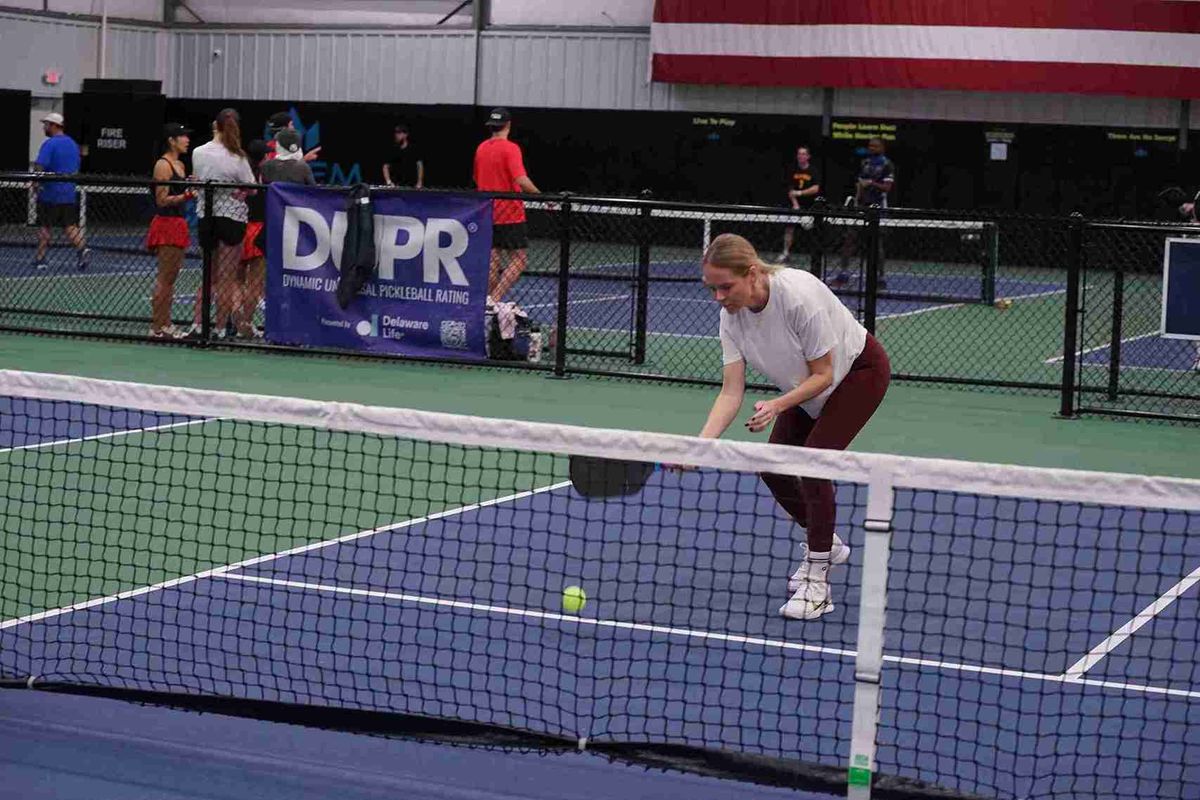
Drill 2: Return and Drop Sequence
This drill simulates actual game flow:
- Partner serves from baseline
- You return serve crosscourt
- Partner drives third shot to your feet
- Execute drop shot response
This progression teaches you to transition from defensive positioning to offensive shot execution—exactly what happens in matches.
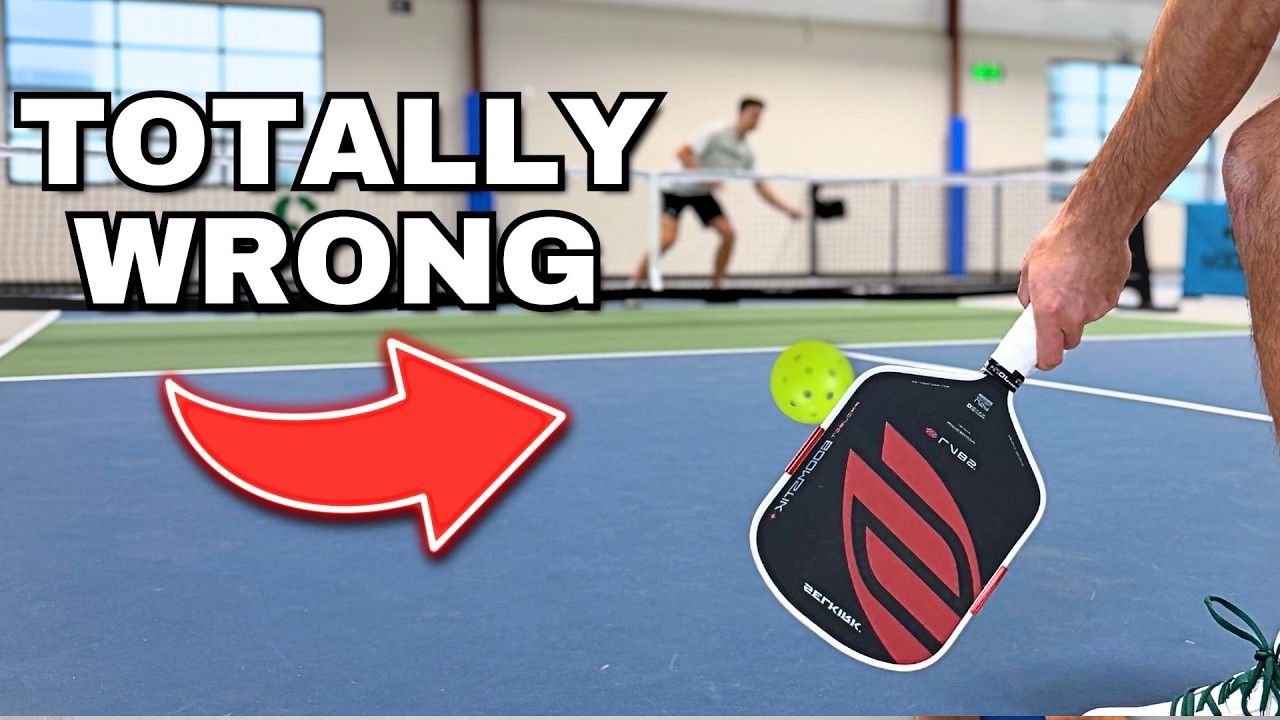
Drill 3: Pressure Point Training
Add competitive elements to simulate match pressure:
- Set specific targets within the kitchen
- Track success percentages
- Introduce consequences for misses (pushups, sprints)
- Practice with background noise or distractions
The Integration Phase: Match-Like Scenarios
The final phase combines everything into realistic point construction.
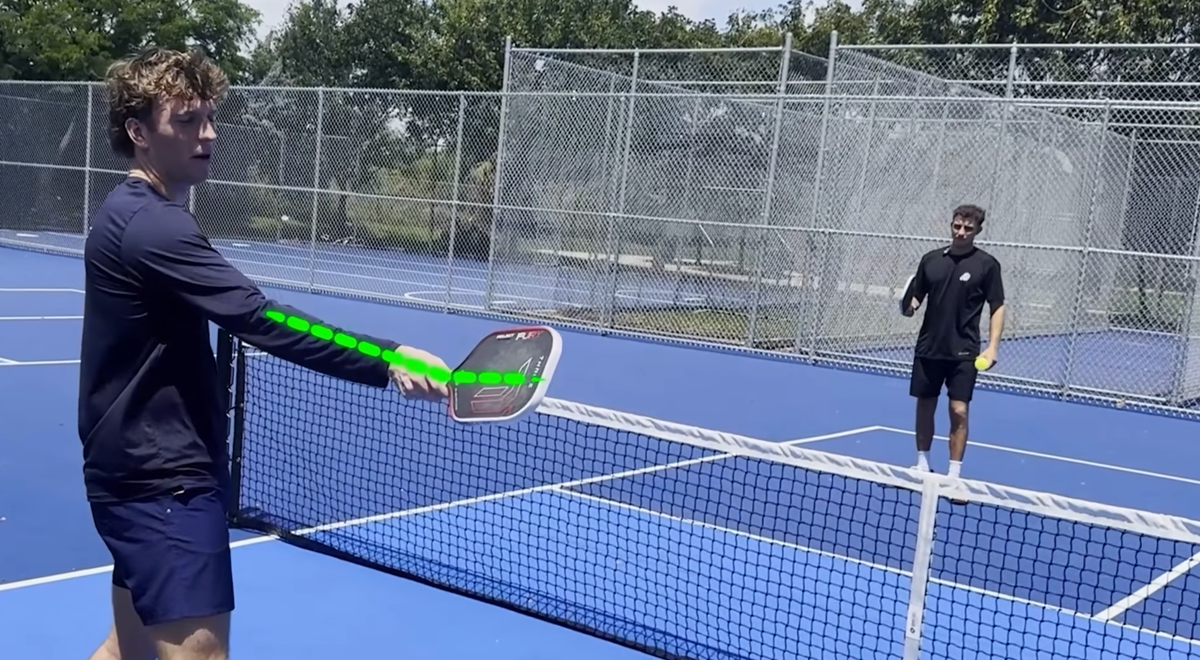
Drill 4: Full Point Development
Play out complete points starting with the third shot drop. This teaches:
- Shot selection after the drop
- Court positioning following execution
- Recovery from imperfect drops
- Transition strategies
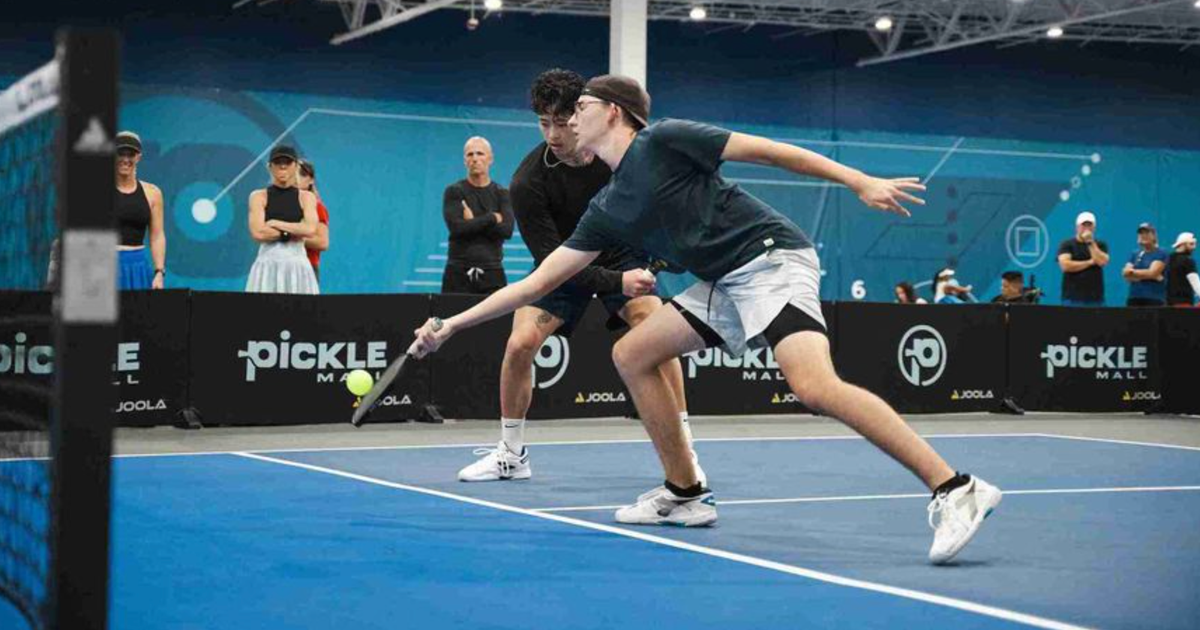
Creating Your Weekly Practice Schedule
Consistency comes from regular, focused practice sessions. Structure your weekly training:
Monday/Wednesday/Friday: 20 minutes foundation work
Tuesday/Thursday: 15 minutes movement integration
Saturday: 30 minutes match simulation
Sunday: Rest or light review
Measuring Progress and Making Adjustments
Track your improvement with specific metrics:
- Success percentage from each court position
- Consistency under pressure situations
- Match performance statistics
- Video analysis comparisons
Adjust difficulty levels based on current performance. If you're hitting 80% from stationary feeds, increase ball speed or add movement elements.
Common Mistakes to Avoid
Even with structured practice, players make critical errors:
- Rushing progression: Moving to advanced drills before mastering basics
- Ignoring weak positions: Avoiding difficult court positions
- Practicing only comfortable shots: Never challenging current skill level
- Skipping warm-up: Starting with complex movements
The third shot drop is your gateway to consistent offensive positioning. Master it through structured, progressive practice, and watch your game reach new levels.
Frequently Asked Questions
How long does it take to develop reliable third shot drop consistency?
With structured practice 4-5 times per week, most players see significant improvement within 4-6 weeks. However, achieving match-level consistency under pressure typically requires 2-3 months of dedicated training.
Should I practice third shot drops during warm-up or dedicated training time?
Reserve serious third shot drop work for dedicated practice sessions when you can focus completely on technique. Use warm-up time for light review and muscle memory reinforcement, but avoid intensive skill development when you're not mentally fresh.
What's the biggest mistake recreational players make with third shot drop practice?
The most common error is practicing without structure or progression. Players hit random shots hoping for improvement instead of following a systematic approach that builds skills layer by layer. This leads to inconsistent results and frustration during matches.