The Forehand Speedup: Your Secret Weapon for Court Domination
The forehand speedup has emerged as one of pickleball's most devastating offensive weapons, capable of instantly shifting momentum and putting opponents on their heels. For competitive players looking to elevate their game, mastering this technique isn't optional—it's essential.

Professional players on the PPA tour have refined this shot to an art form, using it to create openings, force errors, and maintain aggressive positioning during rallies. The difference between recreational and professional execution lies not just in power, but in the strategic application of timing, placement, and controlled aggression.
Understanding When to Deploy the Speedup
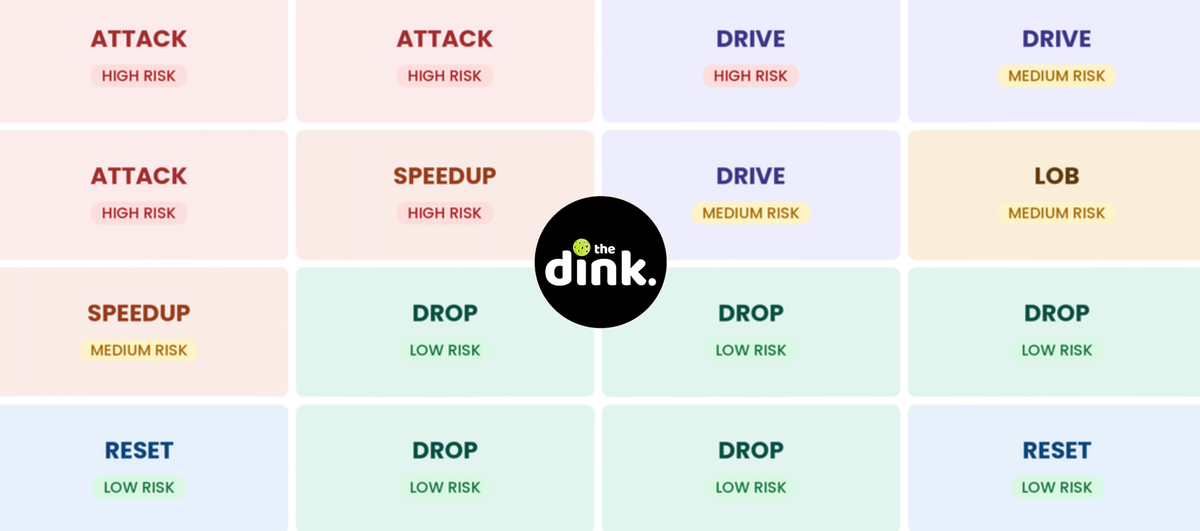
The most critical aspect of the forehand speedup isn't how hard you can hit—it's recognizing the perfect moment to attack. Professional instruction emphasizes that successful speedups require patience and court awareness rather than brute force.
Look for these key indicators that signal speedup opportunities:
- Your opponent hits a ball that bounces above the net level
- The opposing player is out of position or moving away from the anticipated target area
- You're positioned inside the court with a stable, balanced stance
- The ball is coming to your forehand side with manageable pace
Timing your attack incorrectly—such as attempting speedups from defensive positions or against perfectly placed shots—often results in unforced errors that hand momentum back to your opponents.

Positioning Fundamentals for Success
Proper positioning sets the foundation for effective speedup execution. Professional players emphasize that your court position before receiving the ball determines your speedup success more than your swing technique.
Optimal Court Position
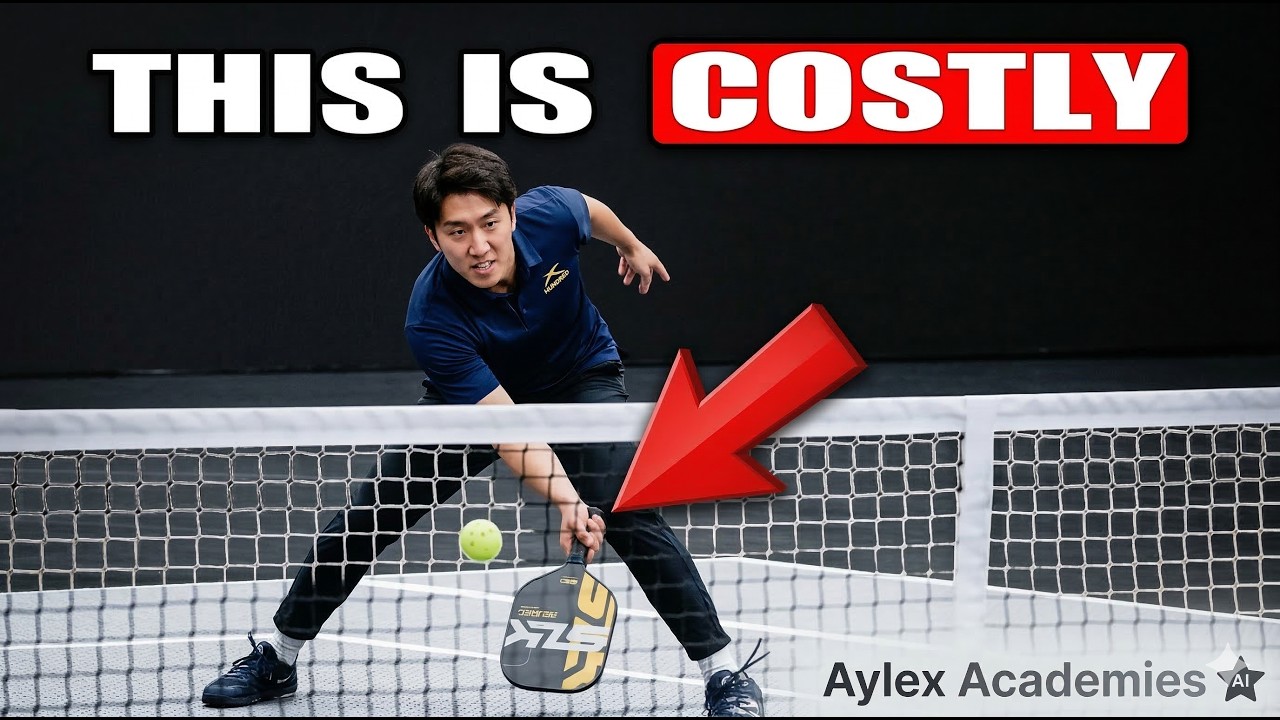
Position yourself approximately 2-3 feet behind the non-volley zone line when anticipating speedup opportunities. This distance provides enough space to step into your shot while maintaining balance and control.
Keep your weight slightly forward on the balls of your feet, ready to move into attacking position. Your paddle should be positioned at chest height, allowing for quick reaction to balls at various levels.
Body Alignment and Footwork
Professional technique emphasizes turning your shoulders and hips toward the target while maintaining a stable base. Your front foot should step toward your intended target, creating a solid platform for power generation and accuracy.
Avoid rushing your footwork—deliberate, controlled movement produces more consistent results than frantic repositioning that compromises your balance and timing.
Pace Control: The Professional Edge
Advanced players understand that effective speedups don't require maximum power. Instead, focus on controlled acceleration that maintains accuracy while applying pressure to your opponents.

Start with 70-80% effort, prioritizing placement over pure speed. Target your opponent's backhand side or their feet, forcing awkward defensive positions that create follow-up opportunities.
Progressive Speed Development
Build your speedup velocity gradually through consistent practice. Begin with slower, controlled speedups that emphasize proper technique and placement. As your muscle memory develops, incrementally increase pace while maintaining accuracy.
Professional players often use moderate-pace speedups that opponents can return, but in compromised positions that set up easier attacking opportunities on the next shot.
Strategic Shot Sequencing
Elite players think multiple shots ahead when executing speedups. Rather than viewing each speedup as an isolated winner attempt, consider how it fits into your overall rally strategy.
Plan your follow-up shot before hitting your speedup. If your opponent manages a defensive return, you'll be prepared to capitalize with a well-placed finishing shot or continued aggressive pressure.
This strategic approach transforms the speedup from a high-risk gamble into a calculated tactical weapon that consistently creates advantages throughout the match.
Common Execution Mistakes
Many players sabotage their speedup effectiveness through predictable patterns and poor shot selection. Avoid telegraphing your intentions through obvious setup movements or body language.
Resist the temptation to speedup every attackable ball. Mixing your offensive timing keeps opponents guessing and prevents them from positioning defensively for anticipated attacks.
Frequently Asked Questions
How hard should I hit my forehand speedup?
Focus on 70-80% power initially, emphasizing placement over speed. Controlled speedups that force defensive returns often prove more effective than maximum-effort shots that frequently result in errors.
What's the ideal target area for speedup shots?
Target your opponent's backhand side or their feet to create awkward defensive positions. Avoid hitting directly at strong forehand positions unless the opponent is clearly out of position.
How can I practice speedup timing without a partner?
Use a ball machine or wall practice to develop consistent contact timing. Focus on stepping into shots with proper footwork and maintaining controlled acceleration through contact.