Why Your Backhand Holds the Key to Pickleball Success
If you're like most pickleball players, you probably cringe a little when a ball comes to your backhand side. The instinct is to run around it, use an awkward forehand, or hope your partner can cover for you. This avoidance mentality is exactly what's holding you back from reaching the next level of play.
The truth is, your backhand doesn't have to be your weakness. With proper technique and consistent practice, it can become one of your most reliable and effective shots. The best part? Since so many players struggle with their backhand, developing a strong one gives you an immediate competitive advantage.
The Psychology Behind Backhand Avoidance
Most players avoid their backhand because it feels unnatural and uncomfortable. Unlike the forehand, which uses familiar throwing motions, the backhand requires you to work across your body with less dominant muscle groups. This unfamiliarity breeds uncertainty, and uncertainty breeds avoidance.
However, this is precisely why investing in your backhand pays massive dividends. While your opponents are scrambling to avoid their backhand side, you'll be confidently attacking balls from both wings. This psychological advantage alone can shift the momentum of matches in your favor.
Common Backhand Mistakes That Keep Players Struggling
Before we dive into solutions, let's identify the most common backhand errors that perpetuate the avoidance cycle:
- Poor grip position: Using a forehand grip for backhand shots severely limits power and control
- Inadequate shoulder turn: Failing to rotate properly reduces reach and generates weak contact
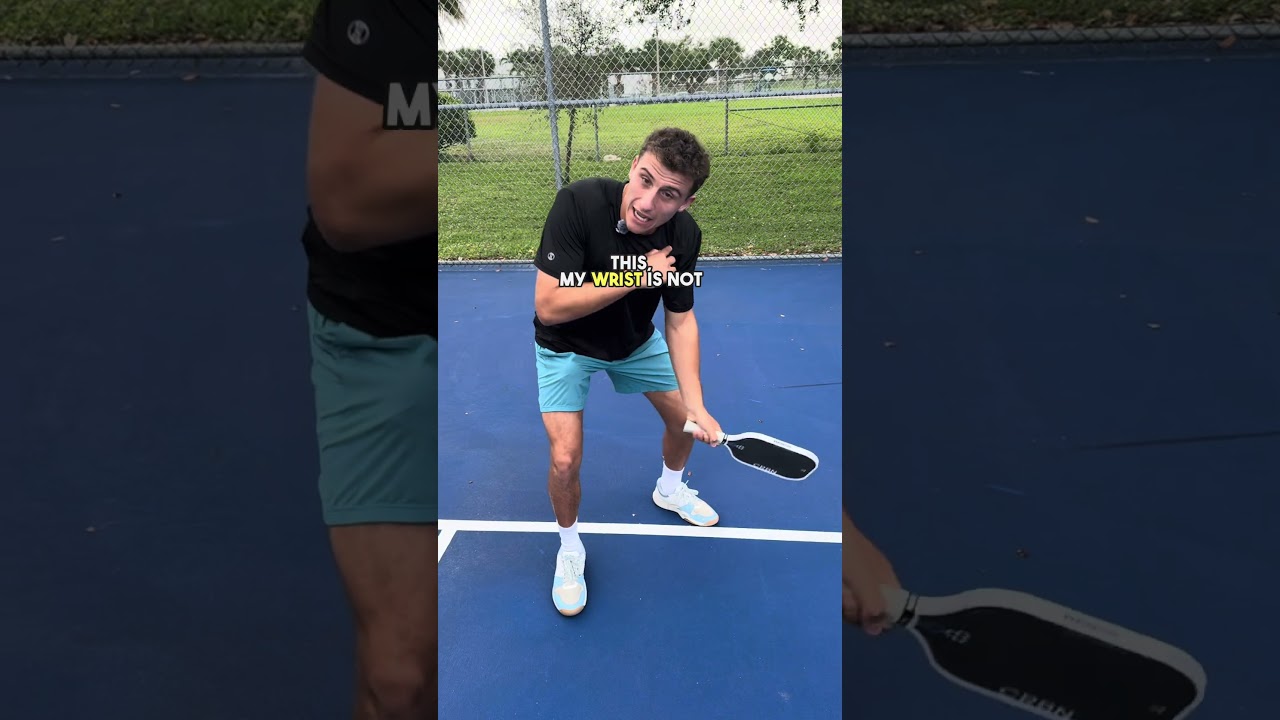
- Wrist instability: A loose or overly rigid wrist leads to inconsistent ball placement
- Wrong contact point: Hitting too late or too early disrupts timing and accuracy
Building a Reliable Backhand Foundation
The key to transforming your backhand starts with proper fundamentals. Begin by adjusting your grip to a continental or eastern backhand grip, which allows for better control and power generation. Your knuckles should align more toward the top of the paddle handle.
Next, focus on your preparation. As soon as you recognize a ball coming to your backhand side, turn your shoulders and get your paddle back early. This preparation phase is crucial – rushing through it will compromise everything that follows.
The Power of Repetition and Muscle Memory
Like any skill in pickleball, backhand development requires consistent repetition. Start with simple wall practice, focusing on clean contact and consistent trajectory. Progress to having a partner feed you easy balls to your backhand side, gradually increasing pace and difficulty as your confidence builds.
Remember, quality repetitions trump quantity every time. It's better to hit 50 focused, technically sound backhands than 200 sloppy ones that reinforce bad habits.
Strategic Applications of a Strong Backhand
Once you've developed confidence in your backhand mechanics, you can begin using it strategically. A reliable backhand allows you to:
- Cover more court without compromising position
- Hit sharp cross-court angles that open up the court
- Deliver consistent third shot drops from either side
- Counter-attack during fast exchanges at the net
Players with strong backhands also find themselves in better court position more often, since they're not constantly moving around balls or leaving gaps for opponents to exploit.
Making Your Backhand a Weapon
The ultimate goal isn't just to survive backhand shots – it's to make them weapons. Advanced players use their backhand to create opportunities, change the pace of rallies, and put opponents on the defensive. This transformation from liability to asset completely changes how opponents approach playing against you.
The Long-Term Benefits of Backhand Mastery
Investing time in your backhand creates a ripple effect throughout your entire game. You'll find yourself more balanced, confident, and versatile on the court. Your forehand will actually improve too, since you're not over-relying on it and putting it in compromising positions.
Perhaps most importantly, developing your backhand eliminates a major source of stress and uncertainty in your game. Instead of hoping balls don't come to your backhand, you'll welcome them as opportunities to showcase your complete skill set.
Frequently Asked Questions
How long does it typically take to develop a reliable backhand?
With consistent practice, most players see significant improvement in their backhand within 4-6 weeks. However, developing true confidence and making it a weapon can take several months of regular training and match play experience.
Should I practice backhand drives or drops first?
Start with backhand drives to develop proper mechanics and timing. Once you can consistently make solid contact and control direction, progress to backhand drops and other finesse shots. The power stroke provides the foundation for all other backhand variations.
Is it better to hit backhand shots with one hand or two hands?
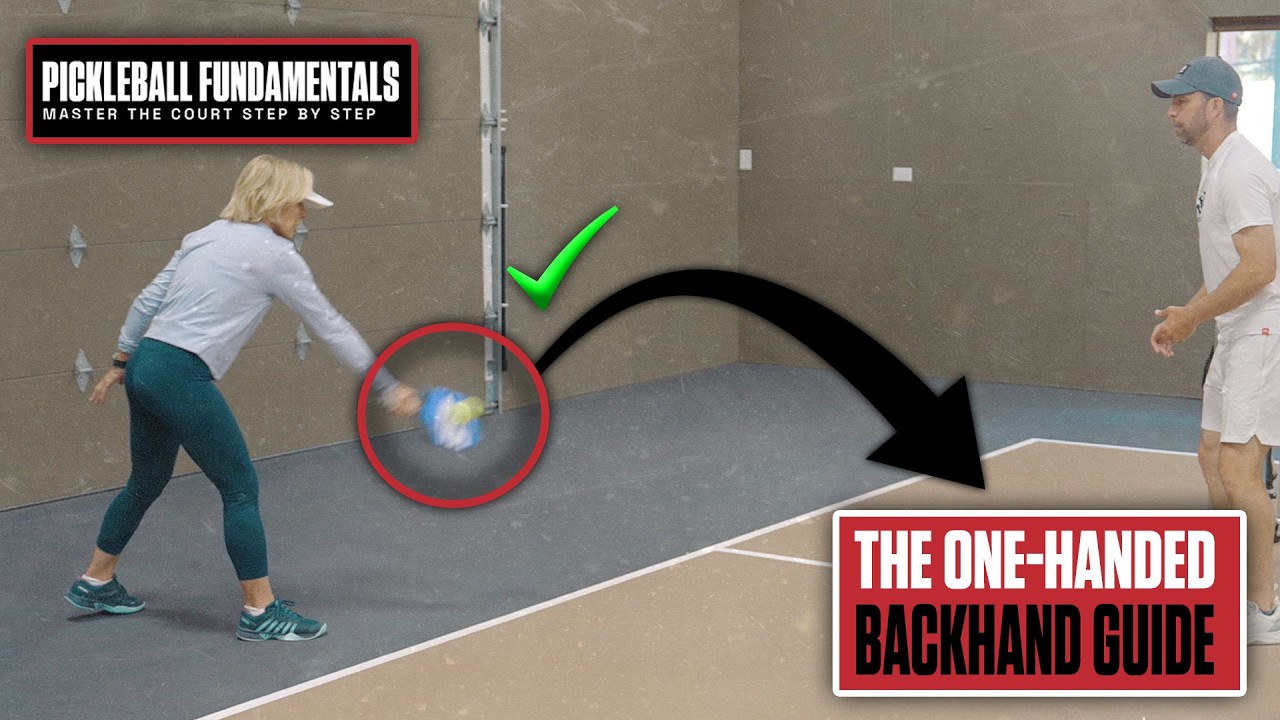
Both techniques can be effective, but most pickleball players find success with a one-handed backhand for better reach and versatility. Two-handed backhands offer more stability but limit your range and can be problematic for quick net exchanges.